
Male Pattern Hair Loss: Causes, Stages & Treatment



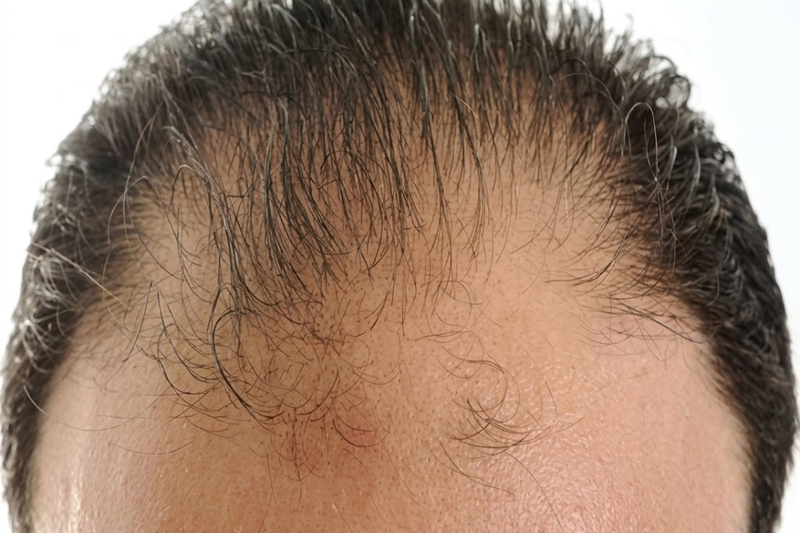
Male pattern hair loss is a common condition that causes gradual hair thinning in men. Also known as androgenetic alopecia, it typically affects the temples, frontal hairline, and crown. Although it can begin in early adulthood, its progression varies depending on genetic factors and hormonal sensitivity.
Unlike temporary hair shedding, male pattern hair loss develops through a gradual process called follicular miniaturization. Affected follicles become smaller and produce increasingly fine, short hairs, eventually reducing visible scalp coverage.
What Causes Male Pattern Hair Loss?
Male pattern hair loss primarily results from genetic predisposition and sensitivity to dihydrotestosterone (DHT), an androgen hormone derived from testosterone.
Three factors contribute to its development:
1. Genetic Predisposition
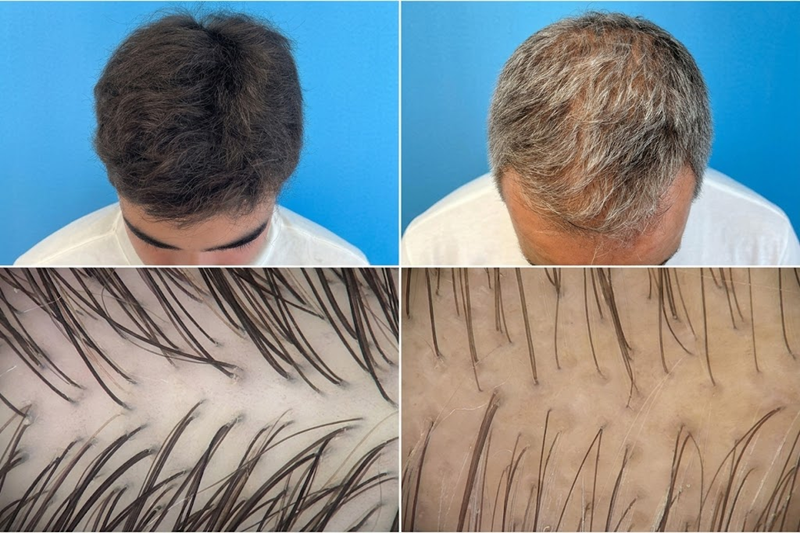
Genetics influences whether a man develops androgenetic alopecia, when it begins, and how extensively it progresses. The condition can be inherited from either parent, so a family history of baldness may increase the likelihood of experiencing similar hair loss.
2. Dihydrotestosterone (DHT)
DHT is produced when the enzyme 5-alpha-reductase converts testosterone into a more potent androgen. In genetically susceptible men, DHT affects sensitive scalp follicles, causing them to shrink over successive hair growth cycles.
As a result, hair becomes thinner, shorter, and less visible until affected follicles may eventually stop producing noticeable strands.
3. Age and Hormonal Sensitivity
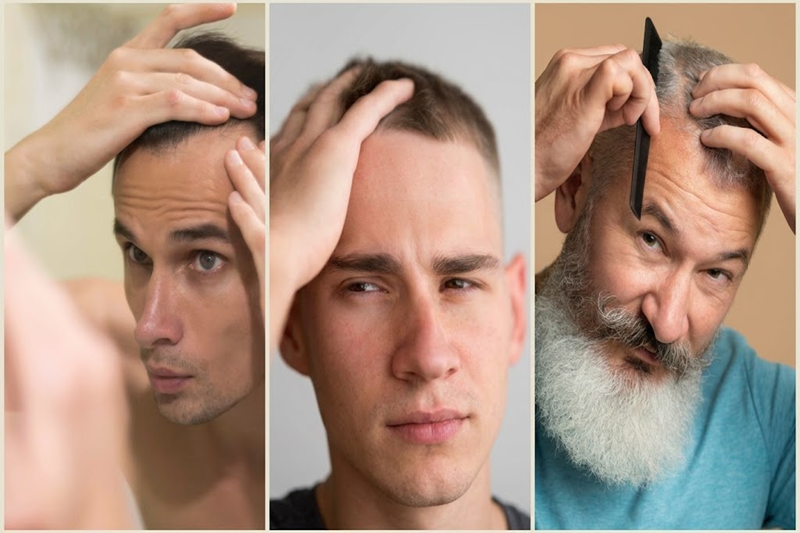
Male pattern baldness can start after puberty, but it often becomes more noticeable with age. However, age alone does not determine its severity. Some men experience significant recession in their twenties, while others maintain relatively stable hair density for decades.
Not sure where to start?
Our specialists will assess your scalp biology, graft capacity, and aesthetic goals to create a hair restoration protocol designed entirely for you — from your first consultation onward.
What Are the Stages of Male Pattern Baldness?
The Norwood-Hamilton scale is commonly used to classify male pattern baldness into seven stages. It helps specialists assess the extent of hair loss and understand its distribution across the scalp.
| Stage | Main Characteristics |
|---|---|
| Stage 1 | No significant hairline recession. |
| Stage 2 | Slight recession around the temples. |
| Stage 3 | Noticeable temple recession, often forming an M-shaped hairline. |
| Stage 4 | More pronounced frontal recession and crown thinning. |
| Stage 5 | Larger frontal and crown bald areas with a narrower connecting hair band. |
| Stage 6 | Frontal and crown hair loss merge into one extensive area. |
| Stage 7 | Extensive baldness across the top, with a narrow band of hair remaining around the sides and back. |
Not every man progresses through all seven stages. The speed of progression and final pattern depend on individual genetic and hormonal factors.
How Is Male Pattern Hair Loss Diagnosed?
Diagnosis usually involves a clinical examination by a dermatologist or hair restoration specialist. The purpose is to confirm androgenetic alopecia and rule out other conditions that may cause similar symptoms.
The assessment may include:
- Medical and family history: Reviewing when hair loss started, how quickly it has progressed, and whether relatives have experienced similar changes.
- Scalp examination: Checking the temples, frontal hairline, crown, and overall hair density.
- Trichoscopy: Using magnification to identify differences in hair thickness and signs of follicular miniaturization.
- Additional tests: Blood tests may be recommended if symptoms suggest thyroid problems, nutritional deficiencies, or another underlying condition.
Unlike typical male pattern baldness, sudden shedding, patchy hair loss, or scalp inflammation may indicate a different condition requiring further investigation.
What Are the Best Treatments for Male Pattern Hair Loss?
Treatment depends on the severity of hair loss, follicle condition, medical history, and desired results. Some treatments aim to preserve existing hair, while others restore coverage in areas where substantial hair loss has occurred.
The following table compares commonly used approaches:
| Treatment | Main Purpose | Important Consideration |
|---|---|---|
| Minoxidil | Supports hair growth and improves density | Requires consistent, long-term use. |
| Finasteride | Reduces DHT production and slows follicle miniaturization | Requires medical assessment because of potential side effects. |
| PRP Therapy | Uses platelet-rich plasma to support scalp and hair health | Evidence varies, and results are not guaranteed. |
| Hair Transplant | Restores hair coverage in bald or thinning areas | Requires sufficient healthy donor follicles. |
Minoxidil
Minoxidil is a topical medication used to manage androgenetic alopecia. It can stimulate hair growth and help maintain existing hair in some men.
Visible improvements may take six months or longer, and treatment must generally continue to maintain its benefits. Scalp irritation and itching are possible side effects.
Finasteride
Finasteride is a prescription medication that inhibits the 5-alpha-reductase enzyme, reducing DHT levels in the body.
It can slow further hair loss and help preserve existing follicles. Some men also experience partial regrowth. However, potential side effects include sexual dysfunction and mood changes, making professional medical guidance important before starting treatment.
PRP Therapy
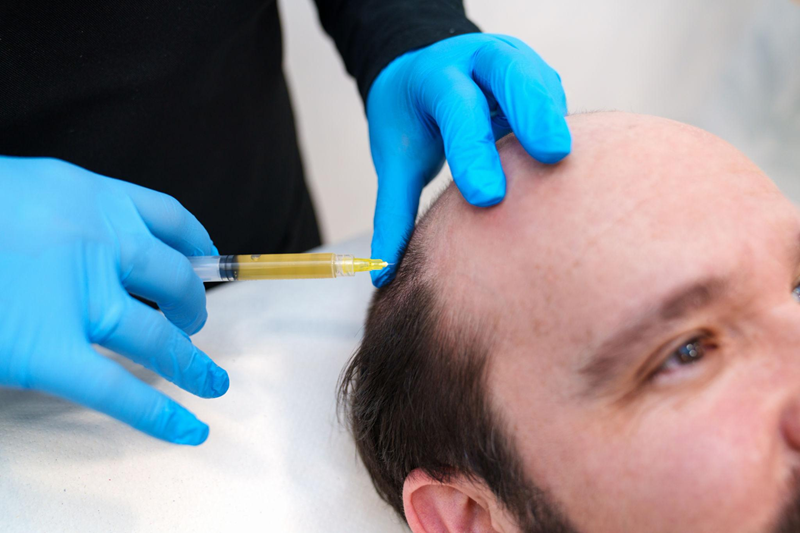
Platelet-Rich Plasma (PRP) therapy involves collecting a small blood sample, separating platelet-rich plasma, and injecting it into selected areas of the scalp.
PRP may improve hair density in some patients, but treatment protocols and outcomes vary. It is generally considered an additional option rather than a guaranteed alternative to established medications or transplantation.
Is Micro FUE Hair Transplant Suitable for Male Pattern Hair Loss?
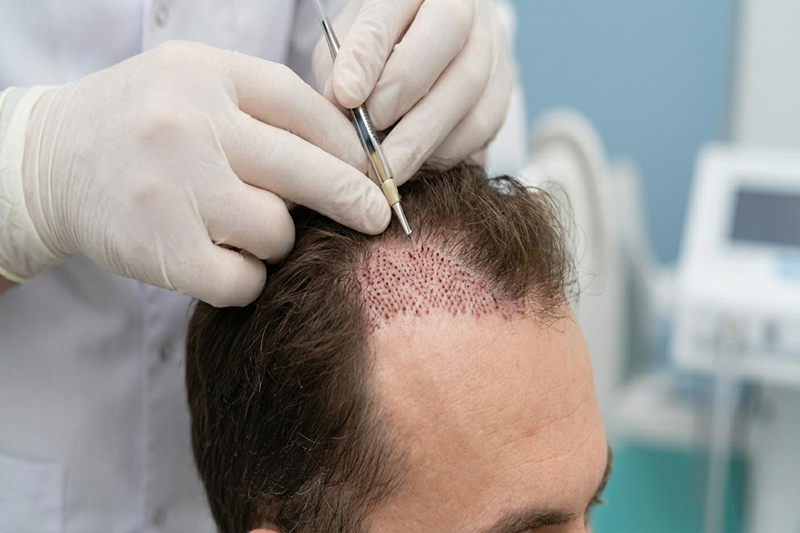
For men with established bald areas, hair transplantation can restore coverage using follicles taken from a suitable donor region, usually the back or sides of the scalp.
Follicular Unit Extraction (FUE) involves removing individual follicular units and implanting them into areas affected by hair loss. Micro FUE uses fine extraction instruments as part of this approach.
Its potential advantages include:
- No linear incision: Individual grafts are extracted without removing a strip of scalp.
- Small extraction sites: The donor area develops small circular wounds rather than one long surgical incision.
- Targeted placement: Grafts can be positioned to recreate the frontal hairline or improve crown coverage.
- Natural-looking results: Appropriate graft selection, placement, and hairline design can create results that complement the patient’s facial features.
At Helia Clinic’s Micro FUE Hair Transplant service, suitability depends on the patient’s donor hair quality, the extent of hair loss, and an individualized treatment plan.
It is important to understand that transplantation does not prevent androgenetic alopecia from progressing in untreated areas. Ongoing medical management may therefore be recommended to preserve surrounding natural hair.
When Should Men Consider a Hair Transplant?
Hair transplantation is not automatically the first treatment for every man experiencing hair loss. The timing should be based on the progression of baldness and the availability of suitable donor follicles.
A specialist may consider transplantation when:
- Noticeable bald areas have developed.
- The donor region has adequate hair density.
- The hair loss pattern has been carefully assessed.
- The patient understands the expected coverage and limitations.
- Future hair loss has been considered during surgical planning.
Men with early or rapidly progressing hair loss may benefit from discussing medical treatment before surgery. This helps avoid designing a hairline that may look unnatural if surrounding hair continues to thin.
For a closer look at available techniques and important considerations, read more about hair transplants for men.
Not sure where to start?
Our specialists will assess your scalp biology, graft capacity, and aesthetic goals to create a hair restoration protocol designed entirely for you — from your first consultation onward.
Frequently Asked Questions About Male Pattern Hair Loss
At What Age Does Male Pattern Hair Loss Start?
It can begin after puberty, although many men first notice visible changes during their twenties or thirties. The timing and severity vary according to genetic and hormonal factors.
Can Male Pattern Hair Loss Be Reversed?
Some treatments can improve hair density and slow further thinning. However, advanced follicular miniaturization may not respond sufficiently to medication, and transplantation may be considered for suitable candidates.
Does Male Pattern Baldness Always Lead to Complete Baldness?
No. Some men experience mild temple recession, while others develop extensive baldness across the frontal and crown regions. Progression differs between individuals.
Can a Hair Transplant Stop Male Pattern Baldness?
No. A transplant restores coverage in selected areas but does not prevent further thinning of untreated follicles. Medical management may help maintain the remaining natural hair.
Is Micro FUE Suitable for Every Man?
No. Suitability depends on donor hair density, scalp condition, the extent of baldness, and individual expectations. A specialist assessment is necessary before deciding on surgery.
Conclusion
Male pattern hair loss is a progressive condition influenced by genetics and DHT sensitivity. Understanding its stages and recognizing early changes can help men choose appropriate treatment before hair loss becomes more extensive.
While medications may help preserve existing follicles, Micro FUE hair transplantation offers a restoration option for suitable candidates with sufficient donor hair. An individualized assessment is essential for selecting an approach that considers both current hair loss and future progression.
External Medical Reference: American Academy of Dermatology – Male Pattern Hair Loss Treatment.
Related Articles
Continue exploring clinical insights from the Helia Medical Journal.
 Eyebrow Transplant
5 Best Treatments for Bushy Brows: Get Fuller Eyebrows
Table of Contents1. Treat the Underlying Cause of Eyebrow Hair Loss2. Consider Topical Minoxidil for Eyebrow Hair Loss3. Explore Corticosteroid Injections for Alopecia Areata4. Consider Eyebrow Microblading5. Choose…
 Eyebrow Transplant
Seborrheic Dermatitis Eyebrows: 7 Ways to Stop the Flakes
Table of ContentsWhat Is Seborrheic Dermatitis on Eyebrows?What Causes Seborrheic Dermatitis in Eyebrows?Best Treatment for Seborrheic Dermatitis on Eyebrows1. Antifungal Creams2. Short-Term Corticosteroid Treatments3. Non-Steroidal Anti-Inflammatory TreatmentsDandruff in…
 Eyebrow Transplant
How to Dye Your Eyebrows at Home: Easy Steps With Photos
Table of ContentsWhat You Need Before Coloring Your EyebrowsSteps for Creating Darker, More Defined EyebrowsStep 1: Clean and Prepare Your EyebrowsStep 2: Brush Your Eyebrow HairsStep 3: Choose…
1 Comment
Share your questions or clinical experience with our readers.