
Cellulite Treatment in Dubai
Cellulite is a common skin concern that creates a dimpled or uneven appearance, often around the thighs, buttocks, and hips. Although it is harmless, some people choose treatment to improve the appearance of their skin.
At Helia, patients considering Cellulite Treatment in Dubai can discuss their concerns with a qualified medical professional and learn about suitable options. The recommended approach depends on the affected area, skin condition, and desired results.
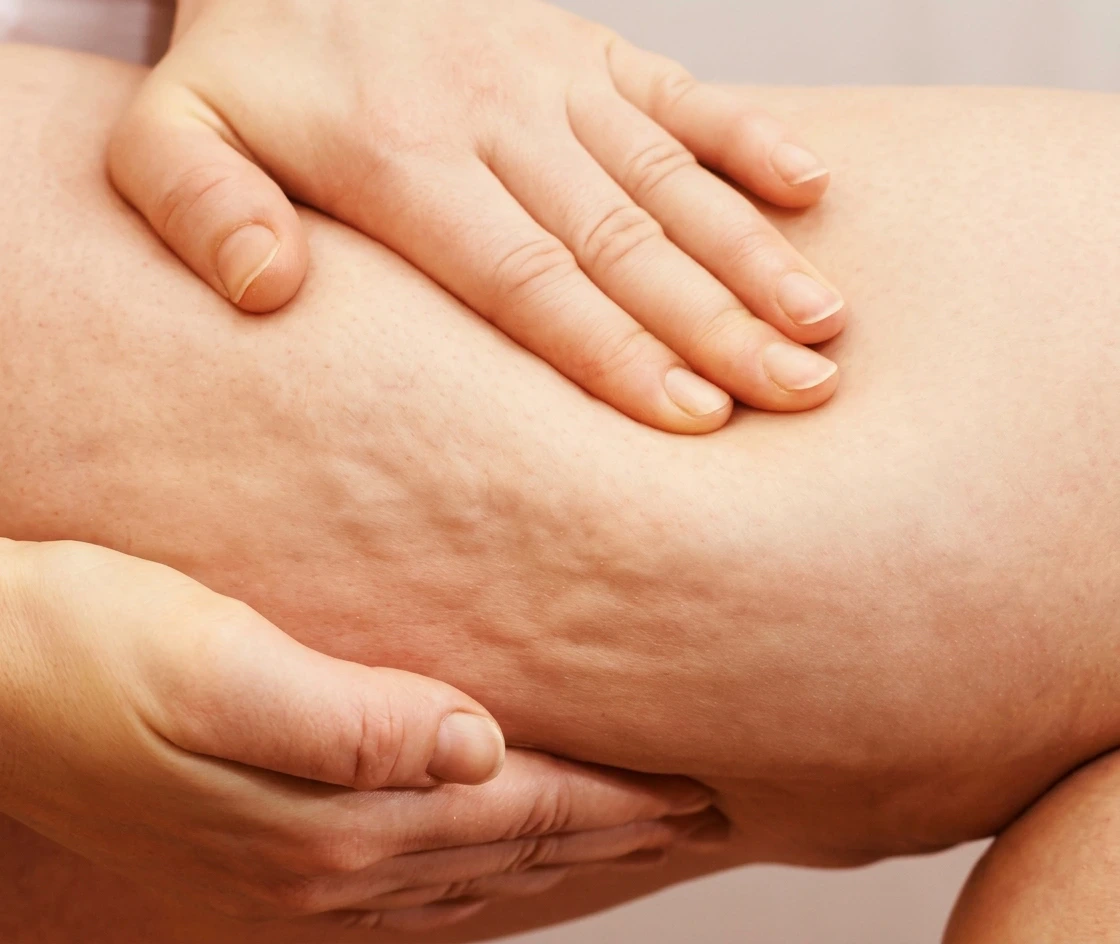
What Is Cellulite?
Cellulite refers to the dimpled or lumpy appearance of the skin caused by the interaction between fat beneath the skin and the connective tissue that supports it. It commonly appears on the thighs, buttocks, and hips and can affect people of different body sizes and fitness levels.
Cellulite is not a medical condition that requires treatment. However, people who are concerned about its appearance may explore options to make the skin look smoother.
What Causes Cellulite?
Several factors can influence the development and appearance of cellulite:
- Genetics: Family history can affect the likelihood and severity of cellulite.
- Hormones: Hormonal factors may influence fat distribution and connective tissue.
- Age: Changes in skin thickness and elasticity can make dimpling more noticeable.
- Connective tissue structure: The arrangement of fibrous bands beneath the skin plays an important role in the appearance of cellulite.
- Body composition: The distribution of fat beneath the skin may affect how visible cellulite is.
Cellulite can occur even in people who exercise regularly and maintain a healthy weight. Weight loss alone does not necessarily eliminate it.
Cellulite Treatment Options in Dubai
Cellulite Reduction Dubai treatments aim to improve the appearance of uneven skin. The most appropriate option depends on the location and severity of cellulite, skin condition, and individual suitability.
Treatment approaches may include:
- Radiofrequency treatments: Use controlled energy to heat tissue and may improve skin firmness or the appearance of cellulite, depending on the device.
- Acoustic wave therapy: Uses sound waves and may help reduce the visible appearance of cellulite with a course of treatments.
- Laser-based treatments: Certain technologies may target tissue beneath the skin or support skin tightening.
- Subcision: A minimally invasive procedure that releases selected fibrous bands responsible for some cellulite dimples.
- Lifestyle measures: Regular physical activity and maintaining a stable weight may support overall body composition, although they do not reliably eliminate cellulite.
These approaches differ in their effectiveness, risks, and recovery requirements. Not every method is suitable for every patient, and the availability of specific treatments at Helia should be confirmed during consultation.
Which Areas Can Be Treated?
Cellulite treatments may be considered for areas where dimpling is visible, including:
- Thighs
- Buttocks
- Hips
- Upper legs
- Selected areas of the abdomen
The suitable approach depends on the location and pattern of cellulite, as well as the condition of the surrounding skin. A professional assessment can help determine which options are appropriate for each area.
Who Is a Suitable Candidate for Cellulite Treatment?
Cellulite treatment may be an option for adults who want to improve the appearance of dimpled skin and have realistic expectations about the results.
Suitability depends on factors such as:
- The severity and location of cellulite.
- Skin quality and elasticity.
- General health and medical history.
- Previous treatments and their outcomes.
- The potential benefits and limitations of the proposed procedure.
A consultation can help establish whether treatment is appropriate and identify an option that aligns with the patient's goals.
Benefits of Cellulite Reduction
Depending on the treatment method, potential benefits may include:
- Reducing the visibility of selected dimples.
- Improving the appearance of uneven skin.
- Supporting a smoother-looking skin surface.
- Addressing specific areas of concern.
- Improving skin firmness with certain technologies.
The degree of improvement varies by treatment and individual. Cellulite procedures cannot guarantee completely smooth skin, and some options require multiple sessions or maintenance treatments.
What to Expect During Cellulite Treatment
Treatment begins with an assessment of the affected area and a discussion of the patient's goals. The practitioner explains the proposed method, how it works, expected outcomes, possible side effects, and the recommended treatment schedule.
The procedure depends on the selected approach. Non-invasive treatments may involve applying a device to the skin, while minimally invasive procedures may require local anaesthesia and additional preparation.
Session length and the number of appointments vary by procedure. Patients should follow the practitioner's instructions before and after treatment.
Results and Recovery
Results depend on the method used and the individual's response. Some non-invasive treatments require several sessions, with changes developing gradually over time. Procedures that release fibrous bands may have different recovery requirements and result timelines.
Temporary redness, swelling, tenderness, bruising, or discomfort may occur. More invasive procedures can involve additional risks and a longer recovery period.
Results are not guaranteed, and cellulite may become noticeable again over time. Maintaining a stable weight may help support body contours, but it cannot prevent natural changes in skin or connective tissue.
Book a Cellulite Treatment Consultation in Dubai
If you would like to improve the appearance of cellulite, contact Helia to discuss your concerns and explore available treatment options. A personalized assessment can help determine which approach may suit your needs and explain the expected results, limitations, and potential risks.
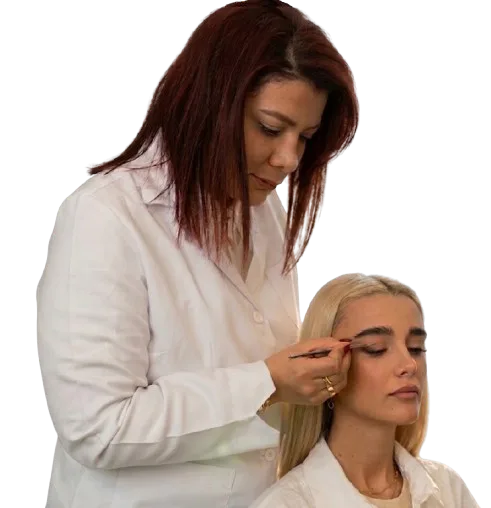
Is Cellulite Treatment Safe?
The safety of cellulite treatment depends on the procedure, equipment, practitioner's training, and individual health. Non-invasive treatments can still cause side effects, while minimally invasive procedures may carry risks such as infection, bleeding, scarring, or changes in skin sensation.
Patients should disclose relevant medical conditions, medications, allergies, implanted devices, and previous procedures before treatment. They should also ask about the specific technology, expected benefits, potential complications, and available alternatives.
Treatment should be performed by a suitably qualified professional using appropriate equipment and techniques.
How Much Does Cellulite Treatment Cost in Dubai?
The cost of Cellulite Treatment in Dubai depends on the treatment method, the size and number of areas being treated, and the number of sessions required.
Some treatments involve a course of appointments, while others may require a different approach. A consultation can help identify suitable options and provide an individualized cost estimate. Patients should confirm whether the quoted price includes all recommended sessions.