Vascular Lesion Treatment in Dubai
Vascular lesions are skin changes caused by visible or abnormal blood vessels. They may appear as red, purple, or bluish marks on different parts of the body. Some are present from birth, while others develop over time due to ageing, sun exposure, or other factors.
Vascular Lesion Treatment in Dubai at Helia Clinic begins with a medical assessment to identify the type of lesion and determine whether laser treatment is appropriate. The treatment approach depends on the lesion's size, depth, location, and characteristics.
What Are Vascular Lesions?
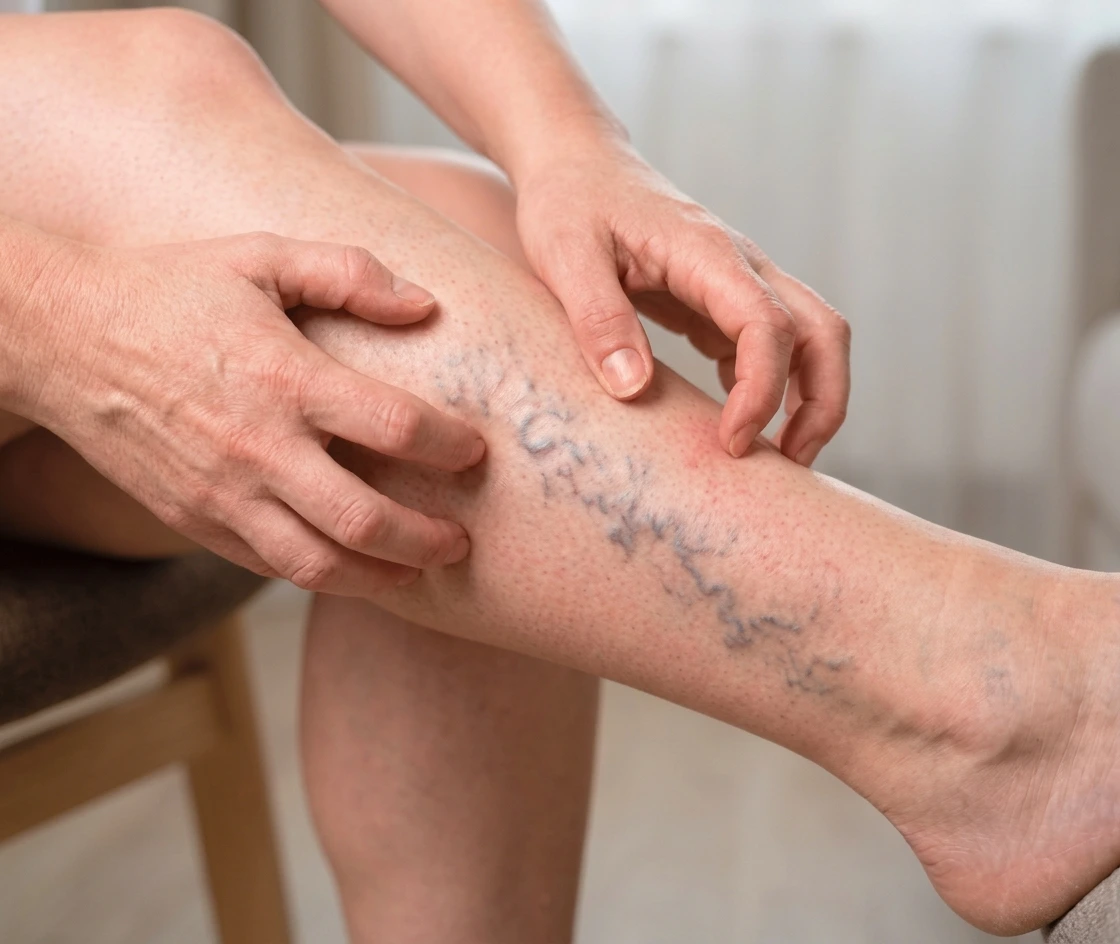
Vascular lesions are abnormalities involving blood vessels in or beneath the skin. They vary in appearance, size, and depth. Common examples include:
- Spider veins: Small, visible blood vessels that branch out close to the skin's surface.
- Cherry angiomas: Small, bright red or purple spots formed by clusters of blood vessels.
- Port-wine stains: Flat, reddish or purplish birthmarks caused by abnormal blood vessels.
- Facial telangiectasia: Fine, dilated blood vessels that commonly appear around the nose and cheeks.
- Venous lakes: Soft, dark blue or purple lesions often found on the lips or ears.
Identifying the lesion type is important because different vascular conditions may require different treatment approaches.
What Causes Vascular Lesions?
Vascular lesions develop for different reasons depending on their type. Common contributing factors include:
- Genetics: Certain vascular birthmarks and conditions may have a genetic component.
- Ageing: Small visible blood vessels and cherry angiomas become more common with age.
- Sun exposure: Long-term ultraviolet exposure can contribute to visible facial blood vessels.
- Hormonal changes: Pregnancy and other hormonal changes may influence the development of some vascular lesions.
- Blood vessel abnormalities: Changes in blood vessel structure or function can cause visible skin marks.
A clinical assessment helps distinguish vascular lesions from other skin conditions with a similar appearance.
What Is Vascular Laser Treatment?
Vascular laser treatment uses focused light energy to target blood vessels within the skin. The light is absorbed by haemoglobin, the pigment responsible for the red colour of blood. This generates heat within the targeted vessels, causing them to close or gradually become less visible.
The surrounding skin is generally preserved when appropriate laser settings and treatment techniques are selected.
Vascular laser treatment may be considered for selected superficial blood vessels and other suitable vascular lesions. However, not every lesion responds to laser treatment, and the appropriate approach depends on its type and depth.
How Does Vascular Laser Treatment Work?
The procedure is individualised according to the lesion's characteristics.
1. Medical Assessment
The practitioner examines the lesion's colour, size, depth, and location. Medical history and relevant health factors are also reviewed to determine whether laser treatment is suitable.
2. Treatment Preparation
The treatment area is cleaned, and protective eyewear is provided when required. The practitioner selects appropriate laser settings based on the lesion and skin characteristics.
3. Laser Application
The laser is directed at the targeted blood vessels. Patients may experience brief sensations of warmth, tingling, or mild snapping during application.
4. Post-Treatment Assessment
The treated area is examined, and aftercare instructions are provided. Additional sessions or reassessment may be recommended depending on the response.
Which Areas Can Be Treated?
Vascular laser treatment may be considered for selected lesions in areas such as:
- Face: Small visible vessels around the nose, cheeks, and chin.
- Legs: Selected superficial spider veins.
- Neck and chest: Certain visible red blood vessels and vascular marks.
- Lips: Selected vascular lesions, depending on their type and depth.
- Other body areas: Treatment may be considered following an individual assessment.
The suitability of each area depends on the lesion and the selected treatment method.
Who Is a Suitable Candidate for Vascular Lesion Treatment?
Vascular laser treatment may be suitable for selected patients with visible vascular lesions who are seeking medical or cosmetic treatment.
Suitability depends on the lesion type, skin characteristics, medical history, and expected response. Treatment may need to be postponed or avoided in certain circumstances, including:
- Active infection in the treatment area.
- Uncontrolled medical conditions.
- Contraindications specific to the selected laser procedure.
- Lesions that require further diagnostic evaluation before treatment.
A medical assessment helps determine whether laser treatment is appropriate or whether another approach is needed.
What to Expect During a Vascular Laser Treatment Appointment
A vascular laser appointment typically takes 30 to 90 minutes, depending on the size, number, and location of the lesions being treated.
Patients may feel warmth, tingling, or brief snapping sensations during laser application. The level of discomfort varies according to the treatment area, laser settings, and individual sensitivity.
The practitioner explains the procedure and provides instructions for caring for the treated skin afterwards.
Is Vascular Laser Treatment Safe?
Vascular laser treatment is generally well tolerated in appropriately selected patients following a medical assessment. However, possible side effects depend on the laser technique, treatment area, and individual skin characteristics.
Potential effects include:
- Temporary redness and swelling.
- Mild tenderness or discomfort.
- Bruising around treated blood vessels.
- Temporary changes in skin colour.
- Blistering or burns in some cases.
- Scarring, although uncommon.
Active infection, uncontrolled illness, or procedure-specific contraindications may affect treatment suitability. These factors should be reviewed before proceeding.
Vascular Laser Treatment Results and Recovery
Results vary depending on the type, size, depth, and number of vascular lesions. Some superficial blood vessels may become less visible after one session, while others require multiple treatments.
Recovery time is also variable. Temporary redness, swelling, or bruising may occur, depending on the treatment intensity and individual healing response.
A universal success percentage has not been established because outcomes differ between patients and lesion types. Some vascular lesions may persist, while others can return or develop again over time. Reassessment is recommended to evaluate the response and determine whether further treatment is appropriate.
Aftercare Following Vascular Laser Treatment
Following aftercare instructions helps protect the treated skin during recovery.
- Avoid direct sun exposure on the treated area.
- Apply broad-spectrum sunscreen as recommended.
- Use gentle skincare products and avoid harsh exfoliation until the skin recovers.
- Avoid rubbing, scratching, or picking at the treated area.
- Follow instructions regarding exercise and heat exposure.
- Attend reassessment appointments when recommended.
Severe pain, blistering, increasing swelling, or signs of infection should be assessed by a healthcare professional.
Vascular Lesion Treatment Cost in Dubai
The cost of Vascular Laser Treatment in Dubai depends on several factors, including:
- Type and number of vascular lesions.
- Size and depth of the treatment area.
- Location of the lesions.
- Laser technique and treatment settings.
- Number of sessions required.
- Follow-up and reassessment needs.
An individual consultation helps determine the appropriate treatment approach and provide a personalised cost estimate.
Frequently Asked Questions
How many vascular laser sessions are needed?
The number of sessions depends on the lesion type, size, depth, and response to treatment. Some superficial lesions may improve after one session, while others require multiple appointments.
Are vascular laser treatment results permanent?
Results vary according to the vascular condition. Some treated blood vessels may remain less visible, but new lesions can develop and certain conditions may recur.
Can all red skin marks be treated with a vascular laser?
No. Red marks can have different causes, and not all are vascular lesions. A medical assessment is necessary to confirm the diagnosis and determine whether laser treatment is suitable.
Book a Vascular Lesion Treatment Consultation in Dubai
Visible vascular lesions can vary in appearance and underlying cause. Identifying the type of lesion is an important first step in choosing an appropriate treatment approach.
At Helia Clinic, a medical assessment helps determine whether vascular laser treatment is suitable and whether additional sessions or reassessment may be needed. Contact the clinic to learn more about Vascular Lesion Treatment in Dubai and arrange a consultation.