
Facial Fat Transfer in Dubai
Facial fat transfer is a cosmetic procedure that uses fat taken from another area of the body to restore or enhance volume in specific areas of the face. It may be considered for concerns such as reduced facial fullness, hollow areas, or changes in facial contours.
At Helia, Facial Fat Transfer in Dubai is planned according to your facial anatomy, existing volume, skin condition, and aesthetic goals. A consultation with your surgeon can help determine whether fat transfer is appropriate for you and which areas may benefit from treatment.
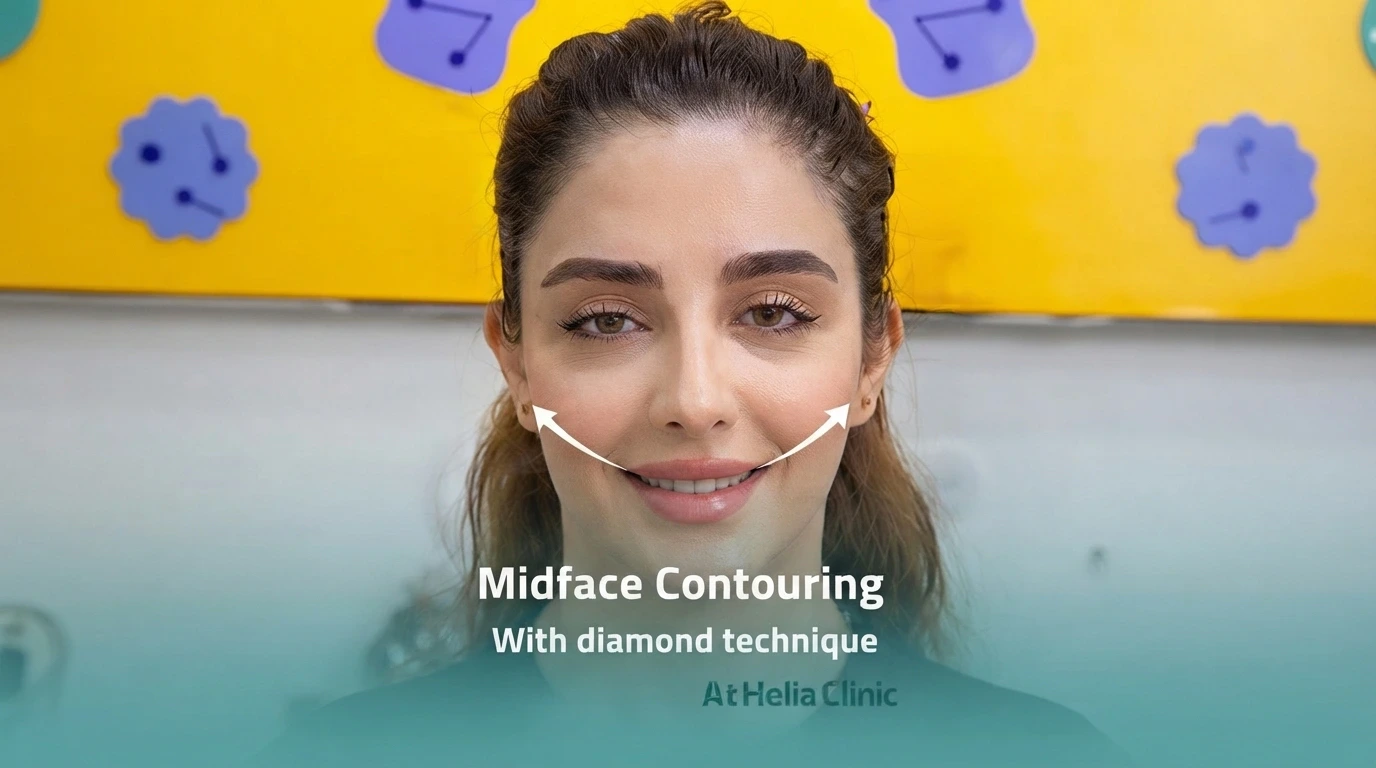
What Is Facial Fat Transfer?
Facial fat transfer, also known as fat grafting, involves removing fat from a donor area of the body, processing it, and carefully injecting it into selected areas of the face.
The procedure can be used to add volume while taking your overall facial proportions into consideration. The amount of fat required and the areas treated depend on your individual anatomy and treatment goals.
What Can Facial Fat Transfer Address?
Facial fat transfer may be considered for concerns such as:
- Hollow cheeks or temples
- Reduced facial volume
- Under-eye hollows
- Less defined facial contours
- Volume loss associated with aging
- Certain facial asymmetries
The appropriate treatment areas depend on your facial structure and the type of change you would like to achieve.
What Are the Benefits of Facial Fat Transfer?
Depending on your anatomy and treatment goals, potential benefits may include:
- Restored facial volume: Fat transfer can add volume to areas that appear hollow or sunken.
- Natural-looking contours: The treatment can be planned to complement your existing facial proportions.
- Use of your own fat: The procedure uses fat harvested from another area of your body rather than a synthetic filler.
- Multiple treatment areas: Fat may be transferred to different facial areas as part of one treatment plan when appropriate.
- Long-lasting volume: Some of the transferred fat can remain permanently, although the amount that survives varies between patients.
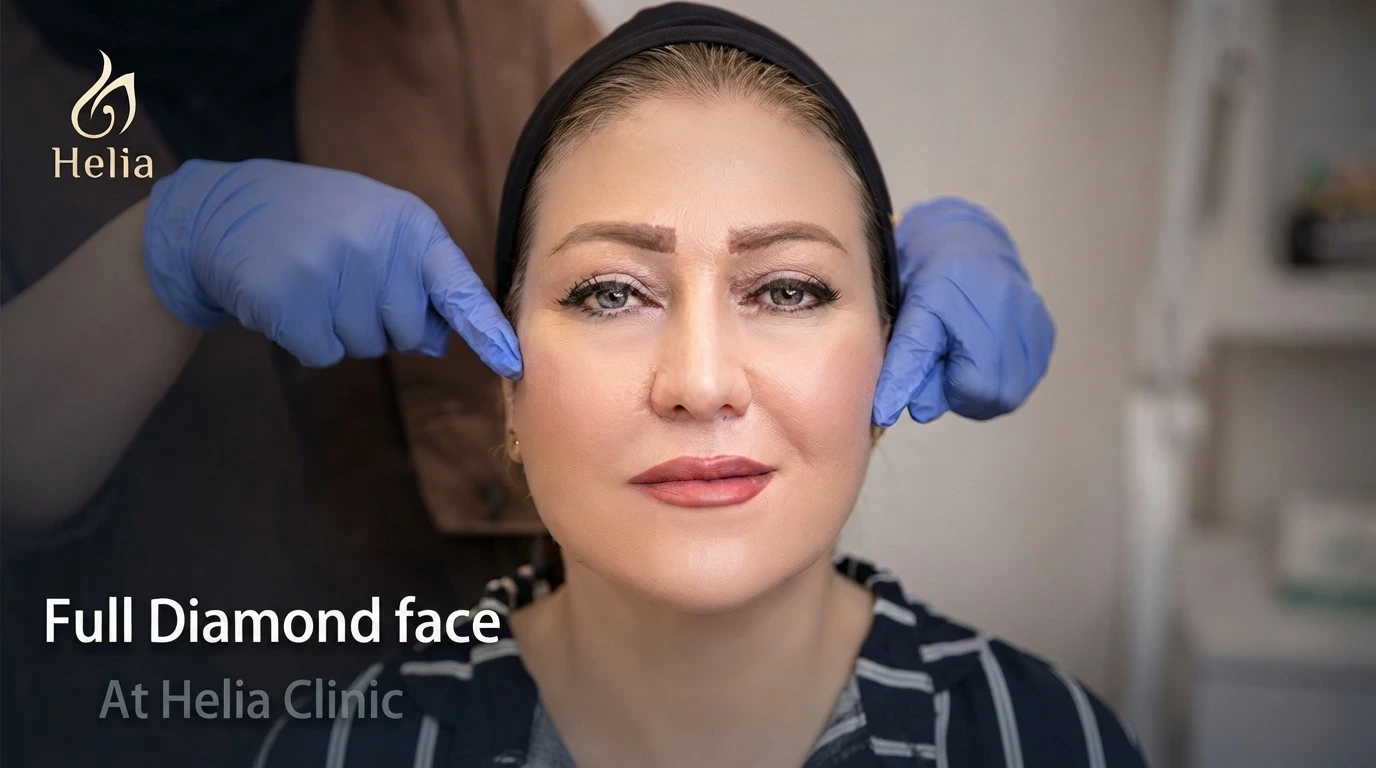
Which Areas Can Be Treated With Facial Fat Transfer?
Facial fat transfer can be used in different areas depending on your anatomy and treatment goals.
Cheeks
Fat can be transferred to the cheeks to restore lost volume or improve facial contours when appropriate.
Temples
Fat grafting may be considered for hollow temples where volume loss has changed the overall appearance of the face.
Under-Eye Area
Carefully placed fat may be used to address certain types of under-eye hollowing. The suitability of this approach depends on the anatomy of the eye area.
Lips
Fat transfer can add volume to the lips while allowing the surgeon to consider their relationship with the surrounding facial features.
How Is Facial Fat Transfer Performed?
During facial fat transfer, fat is first harvested from a suitable donor area using liposuction. The harvested fat is then processed before being carefully injected into the selected areas of the face.
The amount and placement of fat are determined according to your facial anatomy and treatment plan. Precise placement is important to create balanced facial contours.
Who May Be a Candidate for Facial Fat Transfer?
Facial fat transfer may be suitable for adults who are in appropriate overall health and have areas of the face where additional volume may be beneficial.
Your surgeon will assess your facial anatomy, available donor fat, medical history, expectations, and treatment goals to determine whether the procedure is appropriate for you.
What Happens During a Facial Fat Transfer Consultation?
Your consultation is an important part of planning the procedure. It may include:
1. Discussing your goals
You can explain which areas of your face you would like to enhance or restore.
2. Facial assessment
Your surgeon evaluates your facial proportions, contours, and existing volume.
3. Donor-area assessment
Your surgeon determines whether a suitable amount of fat can be harvested from another area of your body.
4. Treatment planning
The areas to be treated and the proposed approach are discussed.
5. Recovery and risks
You receive information about healing, potential risks, and aftercare.
Facial Fat Transfer Recovery
Recovery varies depending on the amount of fat harvested and the facial areas treated. Swelling, bruising, tenderness, and temporary changes in facial contours may occur during the early recovery period.
Some of the transferred fat is naturally absorbed by the body during the healing process. As swelling decreases and the tissues settle, the appearance of the treated areas becomes more defined.
Your surgeon will provide specific aftercare instructions and explain when you can gradually return to your usual activities.
When Can You See Facial Fat Transfer Results?
Some changes may be visible shortly after the procedure, although swelling can temporarily affect the appearance of the face.
As healing progresses and the body absorbs some of the transferred fat, the facial contours gradually settle. The final result takes time to develop and can vary between patients.
Book a Facial Fat Transfer Consultation
A consultation with your surgeon can help determine whether fat transfer is appropriate for you and which areas may benefit from treatment.
What to Expect Before and After Facial Fat Transfer
How to Prepare for Facial Fat Transfer
Before treatment, your surgeon will review your medical history, assess your facial structure and donor area, and provide instructions based on your treatment plan. You may also receive guidance about medications and arrangements for the day of the procedure.
What to Expect After Facial Fat Transfer
Temporary swelling, bruising, tenderness, and tightness may occur after treatment. Your surgeon will provide personalized aftercare instructions and explain how to protect the treated areas during the initial healing period.
When Can You Return to Normal Activities?
The timing for returning to work, exercise, and other activities varies depending on the extent of treatment and your individual recovery. Your surgeon will advise you when it is appropriate to gradually resume your usual routine.
Is Facial Fat Transfer Safe?
Facial fat transfer is a surgical procedure and, like any procedure, carries potential risks. These may include infection, bleeding, asymmetry, changes in sensation, irregularities, or differences in the amount of fat that survives.
Before treatment, your surgeon should discuss the potential risks, expected benefits, recovery process, and available alternatives. A detailed assessment also helps determine whether you are an appropriate candidate.
Facial Fat Transfer Cost in Dubai
The cost of facial fat transfer in Dubai varies depending on factors such as the areas being treated, amount of fat required, complexity of the procedure, anesthesia, facility fees, and individual treatment requirements.
Because every treatment plan is different, a consultation is the most appropriate way to understand the expected cost of your procedure.
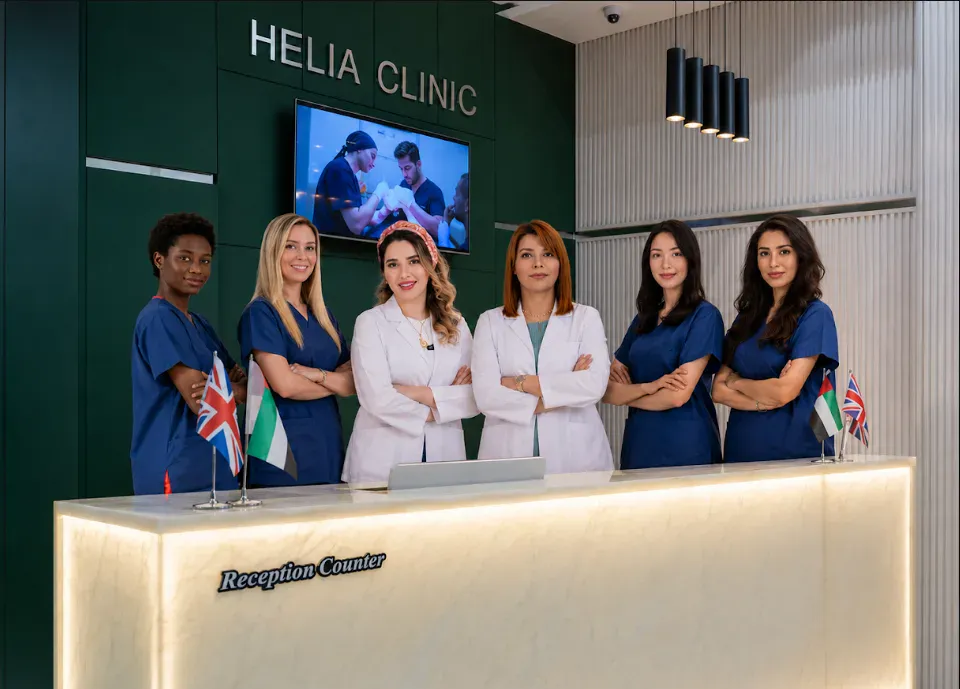
Why Choose Helia for Facial Fat Transfer in Dubai?
At Helia, facial fat transfer is approached through individualized assessment and treatment planning. Your surgeon considers your facial proportions, existing volume, donor area, and aesthetic goals when developing your treatment plan.
If you are researching fat grafting face in Dubai, a detailed consultation can help you understand whether facial fat transfer may be appropriate for your individual features.