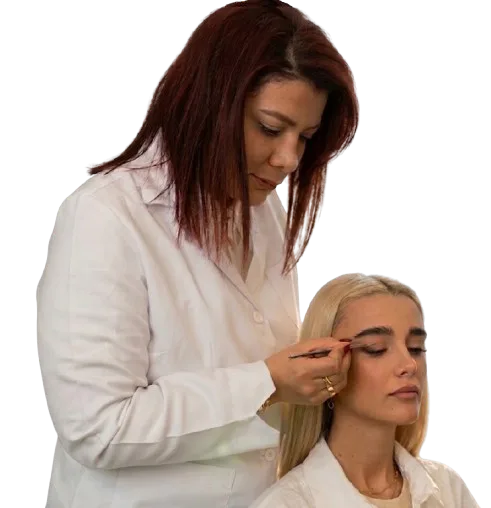
Mole Removal in Dubai
Moles are common skin growths that vary in size, shape, colour, and location. While most are harmless, some people choose to have them removed because of cosmetic concerns, irritation, or changes in appearance.
Mole Removal in Dubai at Helia Clinic begins with an assessment of the mole to determine whether removal is appropriate and which approach may be suitable. The treatment plan depends on the mole's characteristics, location, and medical evaluation.
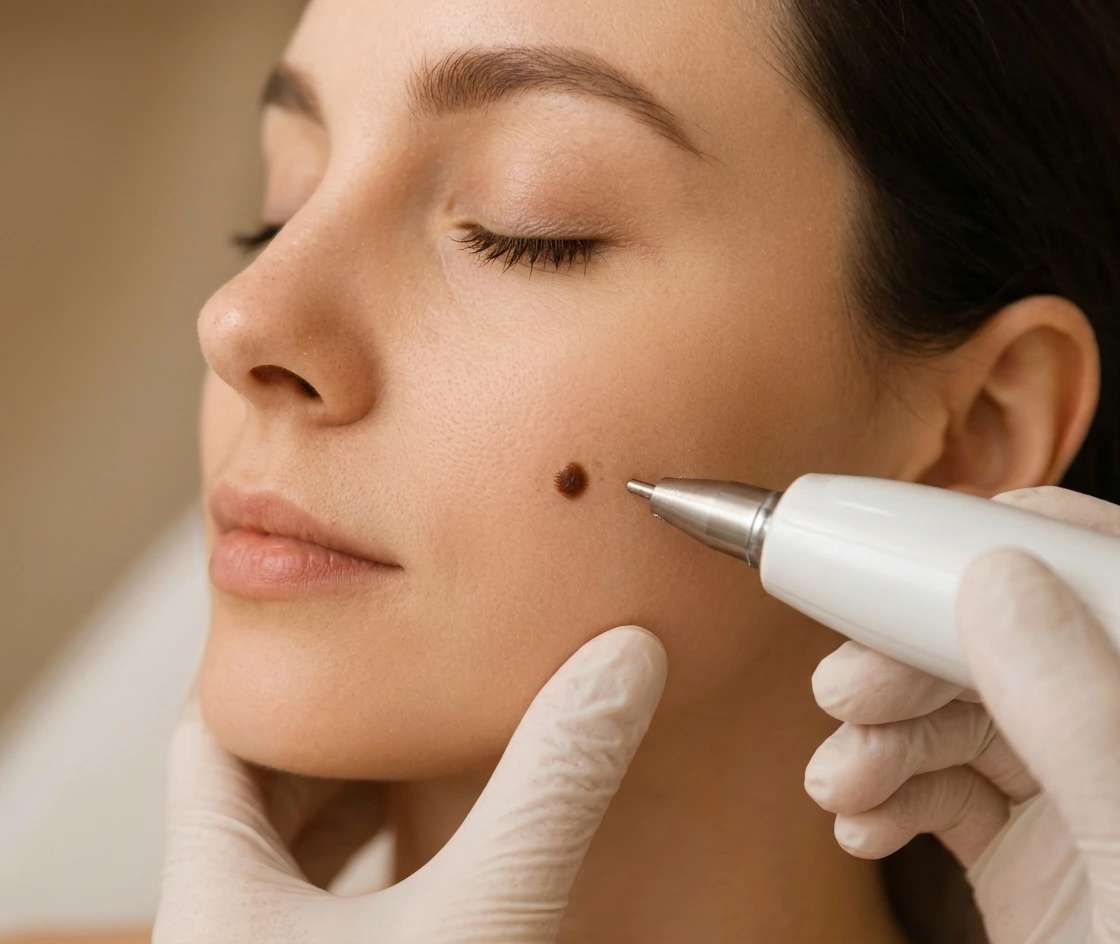
What Are Moles?
Moles, medically known as nevi, develop when pigment-producing cells called melanocytes cluster together in the skin. They may appear during childhood or adulthood and can develop anywhere on the body.
Moles commonly have the following characteristics:
- Brown, black, pink, or skin-coloured appearance.
- Flat or raised surfaces.
- Round or oval shapes.
- Different sizes and textures.
Most moles are benign. However, changes in their appearance should be assessed to rule out potentially serious skin conditions.
Types of Moles
Moles can be classified according to their appearance and the depth of pigment-producing cells.
Congenital Moles
Congenital moles are present at birth or develop shortly afterwards. Their size and appearance vary, and larger congenital moles may require closer medical monitoring.
Acquired Moles
Acquired moles develop during childhood or adulthood. They are common and usually harmless, although changes in their appearance should be evaluated.
Junctional Moles
Junctional moles typically appear flat and brown or dark brown. They develop where the epidermis and dermis meet.
Compound Moles
Compound moles contain pigment-producing cells at different skin depths. They are often slightly raised and have a brown appearance.
Intradermal Moles
Intradermal moles develop deeper within the skin and are usually raised, with a flesh-coloured or light brown appearance.
When Should a Mole Be Removed?
Mole removal may be considered for cosmetic or medical reasons. The decision depends on the mole's characteristics and the results of a professional assessment.
Common reasons include:
- Cosmetic concerns: A mole may affect the appearance of the face or another visible area.
- Repeated irritation: Moles around clothing lines or frequently rubbed areas may become uncomfortable.
- Changes in appearance: Changes in size, shape, colour, or texture require medical evaluation.
- Medical concerns: A suspicious mole may need removal and laboratory examination to determine its nature.
Individuals with benign moles that cause cosmetic concerns or repeated irritation may be suitable candidates for removal. However, suspicious lesions must be evaluated before any cosmetic procedure.
How Is Mole Removal Performed?
The appropriate removal method depends on whether the mole is benign, its depth, size, location, and clinical characteristics.
Surgical Excision
Surgical excision involves removing the mole along with a small amount of surrounding skin when medically indicated. The wound may require stitches, and the removed tissue can be sent for histopathological examination.
Shave Excision
Shave excision involves removing a raised mole at or just below the skin surface using a surgical instrument. It may be suitable for selected benign growths following assessment.
Laser Removal
Laser treatment uses focused light energy to target pigment or tissue. It may be considered for selected benign pigmented lesions, but it is not appropriate for every mole. Laser treatment also does not provide a tissue sample for histopathological examination.
The removal method should be selected only after confirming that the lesion is suitable for the chosen procedure.
How Is a Mole Removal Treatment Plan Developed?
An individualised treatment plan begins with examining the mole and reviewing relevant medical history.
1. Diagnosis and Examination
The practitioner evaluates the mole's size, shape, colour, location, and any recent changes. Dermoscopy or further investigation may be recommended when necessary.
2. Treatment Selection
The removal approach is determined according to the clinical assessment. Suspicious lesions require an appropriate diagnostic pathway rather than cosmetic removal.
3. Follow-Up
Follow-up may be recommended to monitor healing and review laboratory findings if the removed tissue was submitted for examination.
What to Expect During a Mole Removal Appointment
An appointment generally begins with an examination of the mole and a discussion of the patient's concerns and medical history.
The practitioner explains the recommended approach, expected outcome, and possible risks. Depending on the selected procedure, local anaesthesia may be used to improve comfort.
Appointment duration varies according to the mole's size, location, and removal method. Some procedures are relatively brief, while more complex excisions may take longer.
Is Mole Removal Safe?
Mole removal is generally well tolerated when the procedure is selected according to an appropriate medical assessment. However, potential risks depend on the removal method and individual skin characteristics.
Possible complications include:
- Temporary redness and swelling.
- Bleeding or tenderness.
- Infection.
- Scarring.
- Changes in skin pigmentation.
- Incomplete removal or recurrence.
Not every mole is suitable for cosmetic removal. A suspicious lesion should be assessed before treatment, and laser removal should not replace a biopsy when tissue examination is medically necessary.
Mole Removal Results and Recovery
The treated area gradually heals after removal. Recovery depends on the removal method, mole size, treatment location, and individual healing response.
Surgical excision may require stitches and can leave a small scar. Shave removal may leave a flatter mark, while laser treatment can cause temporary redness or pigment changes.
Complete healing may take several days to a few weeks, depending on the procedure. Some moles may recur if pigment-producing cells remain in the skin.
Aftercare Following Mole Removal
Following the recommended aftercare instructions helps protect the treated area and support healing.
- Keep the area clean according to the practitioner's instructions.
- Avoid picking at scabs or disturbing the healing skin.
- Keep the wound protected if dressings are recommended.
- Avoid friction or pressure on the treated area.
- Protect healing skin from direct sunlight.
- Follow instructions regarding stitch removal, if applicable.
- Attend follow-up appointments when recommended.
Increasing pain, redness, swelling, or discharge should be assessed to rule out infection.
Mole Removal Cost in Dubai
The cost of Mole Removal in Dubai depends on several factors:
- Size and location of the mole.
- Number of moles requiring removal.
- Selected removal method.
- Complexity of the procedure.
- Whether laboratory examination is required.
- Follow-up and aftercare needs.
A consultation helps determine the appropriate approach and provide an individualised cost estimate.
Frequently Asked Questions
Can all moles be removed with laser?
No. Laser treatment is not suitable for every mole, particularly lesions that require histopathological examination. The appropriate method depends on medical assessment.
Does mole removal leave a scar?
Scarring is possible after mole removal. Its appearance depends on the removal method, mole characteristics, location, and individual healing response.
Can a mole grow back after removal?
Yes. Some moles may recur if pigment-producing cells remain after treatment. Any recurring or changing lesion should be reassessed.
Book Your Mole Removal in Dubai Consultation
Whether a mole causes cosmetic concerns or requires medical evaluation, choosing an appropriate removal method begins with a professional assessment.
At Helia Clinic, a consultation helps evaluate the mole, discuss suitable treatment options, and determine the next steps. Contact the clinic to learn more about Mole Removal in Dubai and arrange an appointment.