
Skin Whitening Treatment in Dubai
Uneven skin tone, dark spots, and dullness can make the skin look less radiant. Skin Whitening Treatment in Dubai focuses on improving the appearance of discolouration and creating a brighter, more even-looking complexion.
At Helia Clinic, treatment recommendations are based on individual skin concerns, skin type, and aesthetic goals. A professional assessment helps identify the cause of discolouration and determine the most suitable approach.
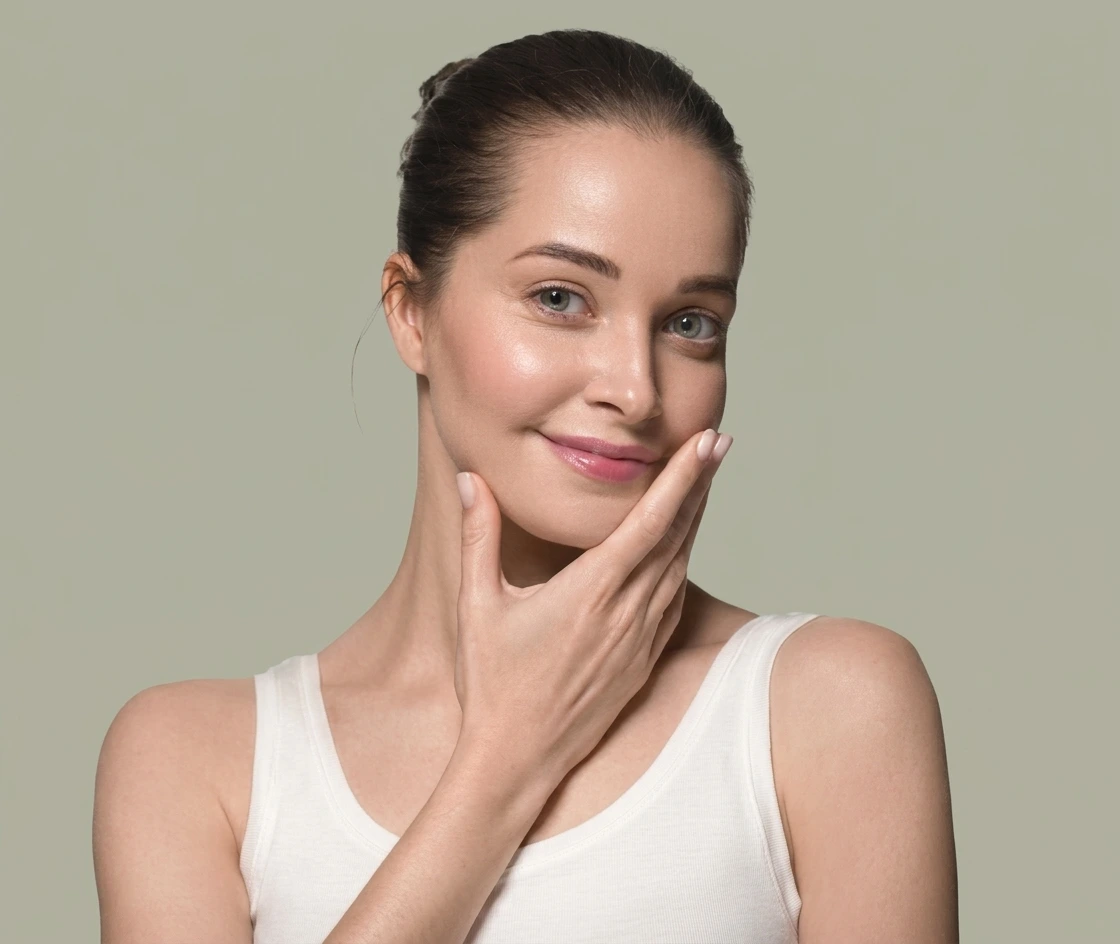
What Is Skin Whitening Treatment?
Skin whitening treatment refers to cosmetic approaches designed to reduce the appearance of excess pigmentation and improve uneven skin tone. Depending on the method used, treatment may target areas of discolouration, support skin renewal, or improve the overall appearance of the complexion.
It is important to distinguish skin brightening from changing your natural skin colour. The goal of professional treatment should be to address unwanted pigmentation and improve skin clarity, not to alter your natural skin tone.
What Causes Uneven Skin Tone and Dark Areas?
Several factors can contribute to skin discolouration and a dull appearance:
- Sun exposure: UV radiation stimulates melanin production and can lead to dark spots and uneven pigmentation.
- Hormonal changes: Hormonal fluctuations may contribute to melasma, particularly on the face.
- Post-inflammatory hyperpigmentation: Acne, irritation, and skin injuries can leave darker marks after healing.
- Dead skin cell buildup: Accumulated dead cells can make the skin look dull and uneven.
- Friction and irritation: Repeated rubbing or unsuitable skincare products may contribute to darker areas in certain parts of the body.
Identifying the cause of discolouration helps determine which treatment approach is appropriate.
Available Skin Whitening Treatment Options
Different approaches can be used to improve the appearance of pigmentation and uneven skin tone. The most suitable option depends on the affected area, skin type, and underlying cause.
Common approaches include:
- Chemical peels: Selected chemical solutions exfoliate the outer layers of the skin and may improve superficial pigmentation and dullness.
- Laser treatments: Specific laser technologies target pigment in selected areas and may help reduce the appearance of certain dark spots.
- Topical skincare treatments: Ingredients such as vitamin C and niacinamide, along with professionally prescribed pigment-reducing products, can help improve uneven skin tone.
- Professional exfoliation: Treatments that remove accumulated dead skin cells can improve skin texture and create a fresher appearance.
Not every method is suitable for all skin types or pigmentation concerns. Some treatments may cause irritation or worsen pigmentation when used inappropriately, so professional assessment is important before choosing a procedure.
How Does Skin Whitening Treatment Work?
The treatment process depends on the selected method and individual skin concerns. A professional treatment plan generally involves the following stages:
1. Skin Assessment
The practitioner examines your skin, discusses your concerns, and identifies areas of uneven pigmentation or dullness. Your skin type and medical history are also considered.
2. Treatment Selection
Based on the assessment, an appropriate approach is recommended. This may involve topical products, chemical peels, laser procedures, or other suitable treatments.
3. Treatment and Follow-Up
The selected procedure is performed according to the treatment plan. Preparation, duration, and follow-up recommendations vary depending on the method used and your skin's response.
Who Is a Suitable Candidate for Skin Whitening Treatment?
Skin whitening or brightening treatments may be suitable for people who want to improve the appearance of:
- Uneven skin tone
- Sun-related dark spots
- Post-acne marks
- Superficial pigmentation
- Dull-looking skin
- Certain areas of skin discolouration
However, suitability depends on the cause of pigmentation, skin sensitivity, medical history, and treatment method. People with active skin irritation, infections, or certain inflammatory conditions may need to postpone cosmetic procedures.
A professional consultation helps determine whether Skin Brightening Treatment Dubai is appropriate for your skin.
What to Expect During Skin Whitening Treatment
Before the session, the practitioner examines your skin and explains the recommended procedure, including its expected effects and possible side effects.
Your experience depends on the selected treatment. Chemical peels may cause temporary tingling or warmth, while laser procedures can produce brief snapping sensations or mild heat. Topical treatments are generally used as part of a skincare routine rather than a single in-clinic session.
The appointment duration varies according to the treatment method and the size of the area being treated.
Is Skin Whitening Treatment Safe?
Skin brightening treatments are generally well tolerated when selected appropriately and performed by qualified professionals. However, temporary side effects can occur.
Possible reactions include:
- Redness and irritation
- Dryness or peeling
- Temporary skin sensitivity
- Mild swelling
- Changes in pigmentation
Using unsuitable products or aggressive treatments can irritate the skin and sometimes cause darker patches, particularly in people prone to post-inflammatory hyperpigmentation.
A professional assessment helps identify potential risks and determine an appropriate approach for your skin type and concerns.
Book Your Skin Whitening Treatment in Dubai at Helia Clinic
If uneven skin tone, dark spots, or dullness affect your skin's appearance, a personalised treatment plan can help address your concerns. At Helia Clinic, recommendations are based on your skin type, pigmentation pattern, and aesthetic goals.
Contact Helia Clinic to arrange a consultation and learn more about Skin Whitening Treatment in Dubai and Skin Brightening Treatment Dubai.
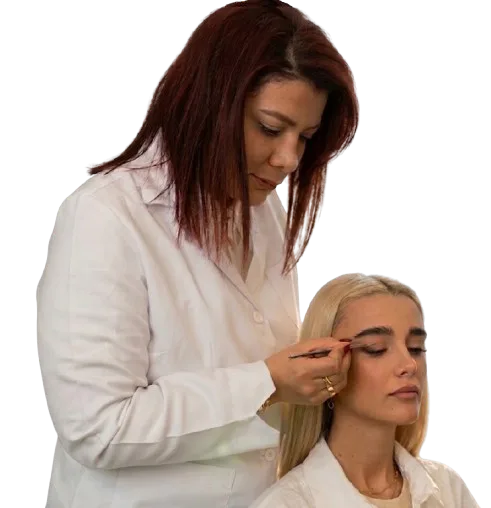
Skin Whitening Treatment Results and Recovery
Results vary depending on the treatment method, skin condition, and cause of discolouration. Some people notice improvements in skin brightness after treatment, while pigmentation concerns may require several sessions or a longer-term skincare routine.
Superficial discolouration may respond more quickly than deeper or hormonally influenced pigmentation. Conditions such as melasma can also recur, making ongoing skin management important.
Recovery depends on the procedure. Some treatments involve little downtime, while chemical peels and certain laser procedures may cause temporary redness, dryness, or peeling.
Skin Whitening Treatment Aftercare
Following appropriate aftercare helps protect the skin and maintain treatment results.
- Apply broad-spectrum sunscreen with SPF 30 or higher every day.
- Reapply sunscreen when spending extended periods outdoors.
- Avoid direct sun exposure while the skin is recovering.
- Use a gentle cleanser and moisturiser.
- Avoid retinol, exfoliating acids, and harsh skincare products until your practitioner advises you to resume them.
- Do not pick or peel flaking skin.
- Follow the personalised aftercare instructions provided by your practitioner.
Skin Whitening Treatment Cost in Dubai
The cost of Skin Whitening Treatment in Dubai depends on the treatment method, the area being treated, the severity of pigmentation, and the number of sessions required.
A consultation at Helia Clinic helps determine a suitable treatment plan and provides a personalised cost estimate.