
Rhinoplasty / Nose Surgery in Dubai
Rhinoplasty is a surgical procedure used to reshape the nose and improve its proportions in relation to the rest of the face. Depending on the individual case, it may address concerns related to the size, shape, symmetry, or certain functional aspects of the nose.
At Helia, Rhinoplasty in Dubai is planned around your facial anatomy, aesthetic goals, and individual needs. If you are considering nose surgery in Dubai, a professional consultation can help you understand the available options and determine whether rhinoplasty is appropriate for you.
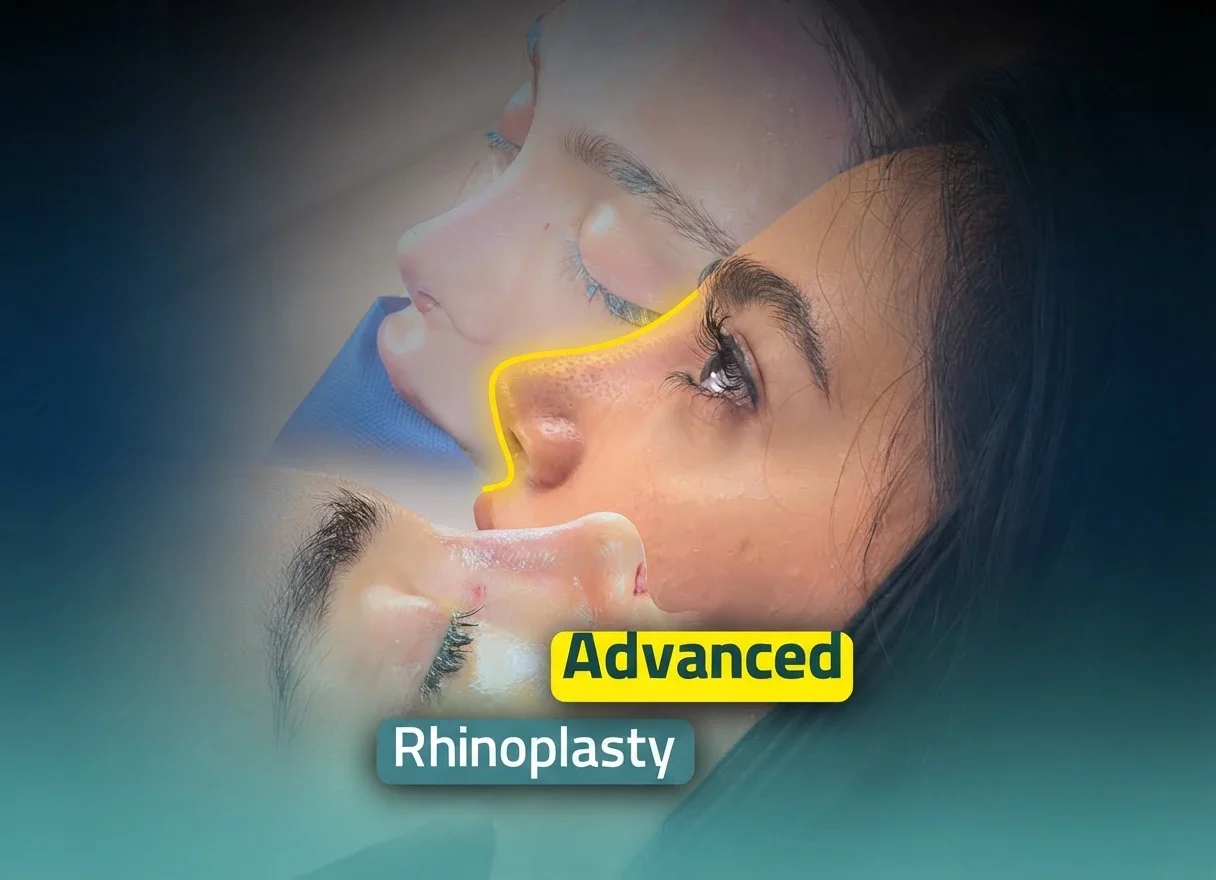
What Is Rhinoplasty?
Rhinoplasty is a facial plastic surgery procedure that changes the shape or structure of the nose. It may be performed for aesthetic reasons, functional concerns, or a combination of both.
The surgical approach depends on your nasal structure, facial proportions, skin characteristics, and desired outcome. A personalized assessment is therefore an important part of planning the procedure.
What Can Rhinoplasty Address?
Rhinoplasty may be considered for concerns involving:
- Nasal size or proportions
- The shape or width of the nose
- The nasal bridge
- The nasal tip
- Nasal asymmetry
- Certain breathing or structural concerns
- Changes resulting from previous injury or surgery
The appropriate approach depends on your individual anatomy and the changes being considered.
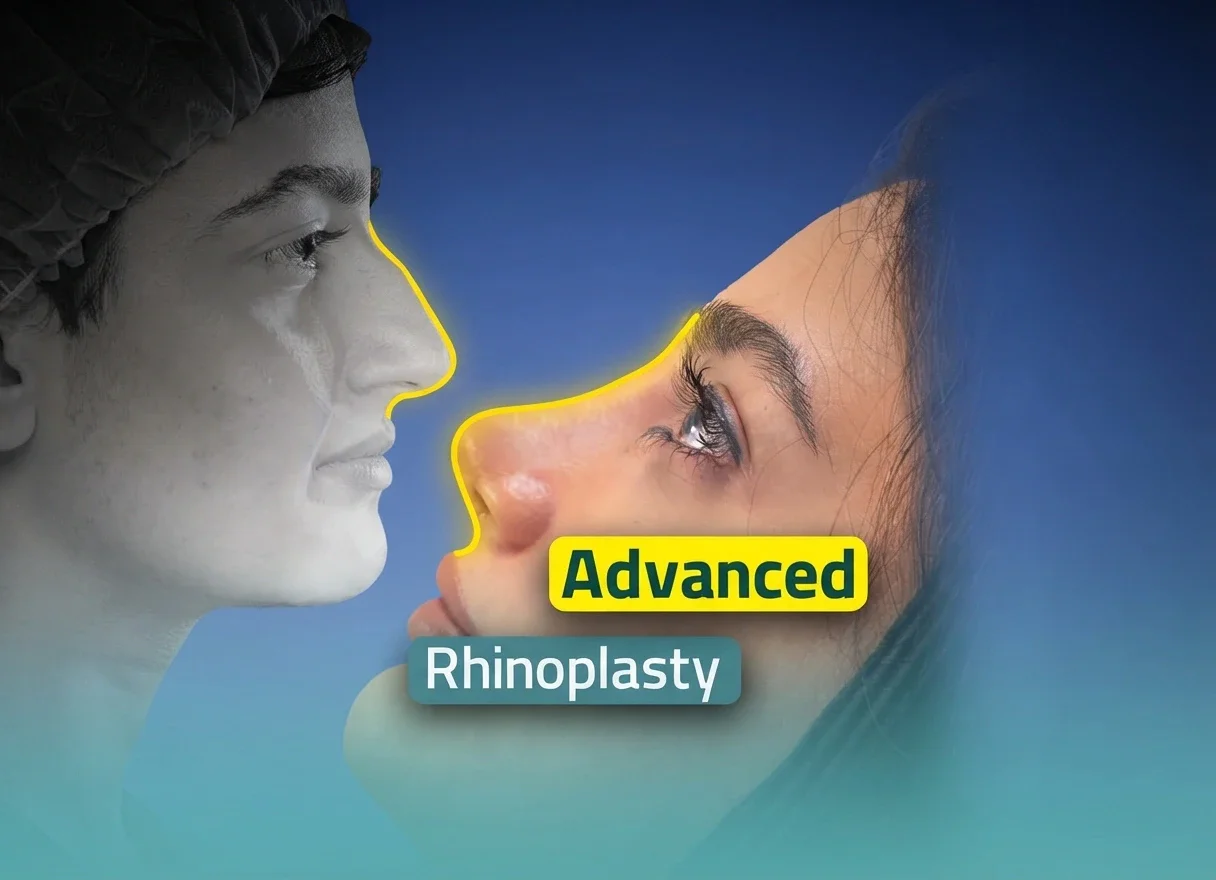
Functional Rhinoplasty / Septorhinoplasty
Functional rhinoplasty focuses on improving the structure and function of the nose when breathing or other nasal functions are affected by structural concerns. Depending on the individual case, treatment may involve changes to the nasal structures to improve airflow while also considering the overall shape and proportions of the nose.
Septorhinoplasty is a related surgical approach that combines correction of the nasal septum with reshaping of the nose. The appropriate technique depends on the underlying structural concerns, nasal anatomy, and treatment goals.
When Is Functional Rhinoplasty Considered?
Functional rhinoplasty may be considered when structural issues of the nose contribute to problems such as nasal obstruction or difficulty breathing through the nose.
A detailed assessment is needed to identify the underlying cause and determine whether surgery may be appropriate.
What Is Septorhinoplasty?
Septorhinoplasty combines septal surgery with rhinoplasty to address both internal nasal structure and the external shape of the nose.
It may be considered when a deviated septum or other structural concerns affect nasal function and changes to the external nose are also required.
Can Functional Rhinoplasty Improve Breathing?
Functional rhinoplasty may improve nasal airflow when breathing difficulties are related to correctable structural problems. However, the potential outcome depends on the underlying cause and individual anatomy.
Your surgeon will assess your nasal structure and discuss the expected functional and aesthetic outcomes during your consultation.
Functional vs. Cosmetic Rhinoplasty
Cosmetic rhinoplasty primarily focuses on changes to the appearance and proportions of the nose, while functional rhinoplasty addresses structural concerns that may affect nasal function.
In some cases, both functional and aesthetic concerns can be addressed during the same procedure. The appropriate approach depends on the patient's individual needs and surgical goals.
Who May Be a Candidate for Rhinoplasty?
Rhinoplasty may be suitable for adults who are in appropriate overall health and have specific concerns about the appearance or structure of their nose.
Realistic expectations are also an important part of the decision-making process. During your consultation, your surgeon will review your medical history, assess your nasal structure, and discuss your goals before recommending a treatment plan.
How Is Rhinoplasty Performed?
The surgical technique depends on your anatomy and the changes planned.
During the procedure, the surgeon reshapes or modifies the nasal structures according to the treatment plan. Depending on the case, this may involve changes to the nasal bone, cartilage, bridge, or tip.
The specific approach is determined during surgical planning rather than using the same technique for every patient.
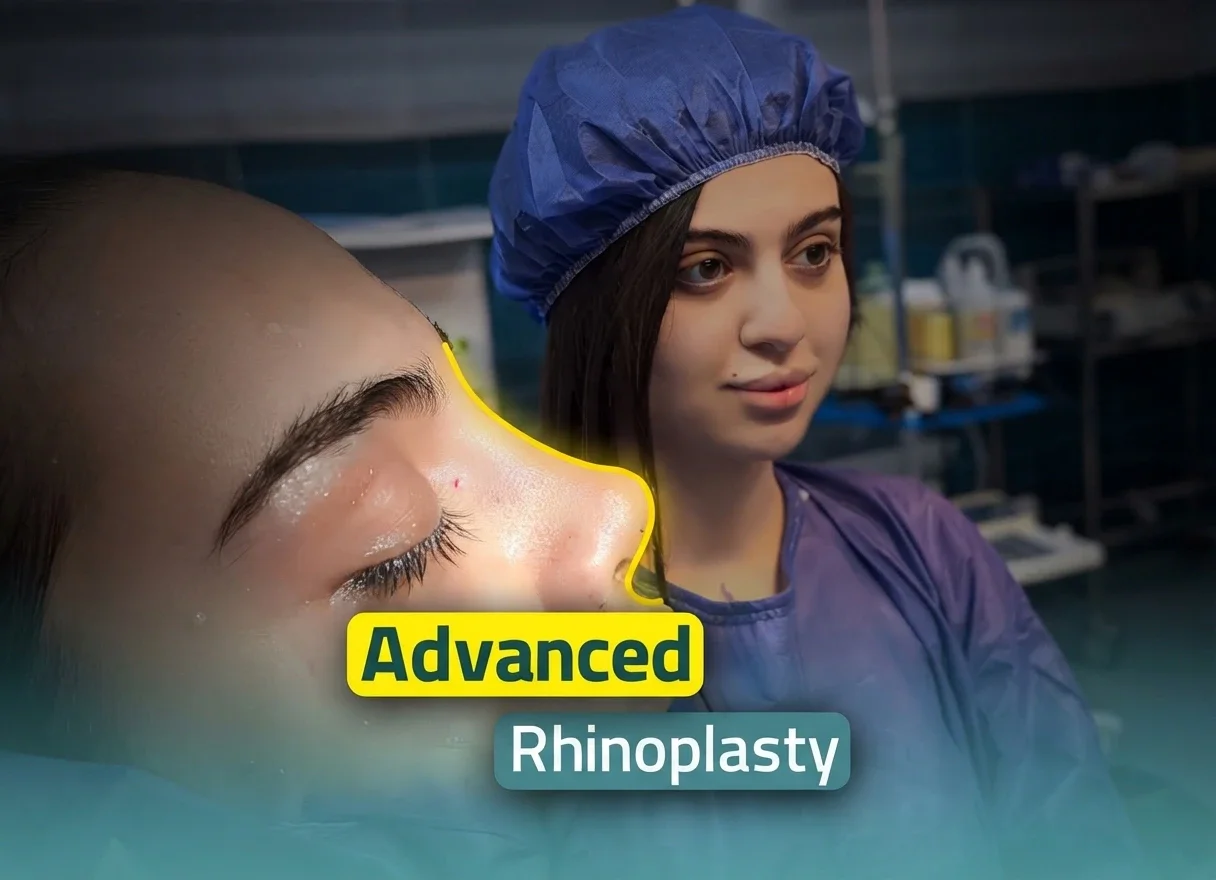
Open vs. Closed Rhinoplasty
Rhinoplasty can generally be performed using an open or closed approach.
Open rhinoplasty involves a small incision in the tissue between the nostrils, allowing the surgeon greater access to the underlying nasal structures.
Closed rhinoplasty uses incisions inside the nostrils without an external incision.
The choice between these approaches depends on factors such as your anatomy, the complexity of the procedure, and the changes required. Your surgeon can explain which approach may be appropriate for you.
What Happens During a Rhinoplasty Consultation?
Your consultation allows your surgeon to understand your concerns, assess your nasal structure, and determine whether rhinoplasty is appropriate for you.
The consultation may include:
1. Discussing your goals
You explain what you would like to change about the appearance or function of your nose.
2. Nasal and facial assessment
Your surgeon evaluates your nasal structure and facial proportions.
3. Medical review
Your medical history and any relevant previous procedures are discussed.
4. Treatment planning
Your surgeon explains the possible surgical approach and what can realistically be achieved.
5. Recovery and risks
You receive information about recovery, potential risks, and aftercare.
Rhinoplasty Recovery and Results
Recovery varies depending on the surgical technique and extent of the procedure. Swelling, bruising, tenderness, and temporary nasal congestion can occur during the early recovery period.
As healing progresses, swelling gradually decreases and the shape of the nose becomes more defined. The final appearance may take longer to develop as the nasal tissues continue to heal and settle.
Your surgeon will provide specific aftercare instructions and explain when you can return to normal activities.
Book a Rhinoplasty Consultation
Discuss your nasal anatomy, concerns, and goals with Helia specialists to explore whether rhinoplasty may be appropriate for you.

Is Rhinoplasty Safe?
Rhinoplasty is a surgical procedure and, like any surgery, carries potential risks. These can vary depending on the technique, individual anatomy, and other patient-specific factors.
Before surgery, your surgeon should explain the potential risks, expected benefits, recovery process, and available alternatives. A medical assessment also helps determine whether you are an appropriate candidate.
How Long Does Rhinoplasty Take?
The length of a rhinoplasty procedure varies depending on the surgical technique, the complexity of the case, and the changes being made to the nose. Your surgeon can provide a more specific estimate during the consultation based on your individual treatment plan.
If rhinoplasty is combined with other procedures or involves more extensive structural changes, the surgery may take longer. Your surgical team will explain the expected procedure time and what to expect before your operation.
Rhinoplasty Cost in Dubai
The cost of rhinoplasty in Dubai varies depending on factors such as the complexity of the procedure, surgical technique, anesthesia, facility fees, and your individual treatment plan.
Because every rhinoplasty procedure is different, a consultation is the most appropriate way to understand the expected cost of your surgery.
Why Choose Helia for Rhinoplasty in Dubai?
At Helia, rhinoplasty is approached through individualized assessment and surgical planning. Your surgeon considers your facial proportions, nasal anatomy, aesthetic goals, and functional concerns when developing your treatment plan.
For patients researching nose operation in Dubai, a detailed consultation can help you understand the proposed procedure, expected recovery, and potential outcomes.