
Temple Fillers in Dubai
Temple fillers are injectable treatments designed to restore volume in hollow or sunken areas around the temples. For suitable candidates, treatment can create a smoother transition between the forehead and cheeks and improve overall facial proportions.
At Helia, patients considering Temple Fillers in Dubai can discuss their concerns and suitable treatment options during a consultation. The recommended approach depends on the degree of volume loss, facial anatomy, medical history, and individual aesthetic goals.

What Are Temple Fillers?
Temple fillers are injectable products used to restore volume in the temporal region, located on either side of the forehead between the outer eyebrows and hairline. This area can become hollow due to age-related changes, natural facial structure, or changes in facial fat distribution.
When the temples appear sunken, the upper face may look narrower or more angular. For selected patients, fillers can soften these contours without surgery.
What Can Temple Fillers Improve?
Temple fillers may help address:
Hollow temples
Reducing the sunken appearance caused by volume loss.
Facial proportions
Creating a smoother transition between the forehead and upper cheeks.
A gaunt appearance
Softening the contours associated with temporal hollowing.
Selected asymmetry
Improving differences in temple volume when appropriate.
The outcome depends on facial anatomy and the cause of the hollowing. Temple fillers do not correct every concern involving the forehead, eyebrows, or overall facial shape.
Temple Filling in Dubai: How Does It Work?
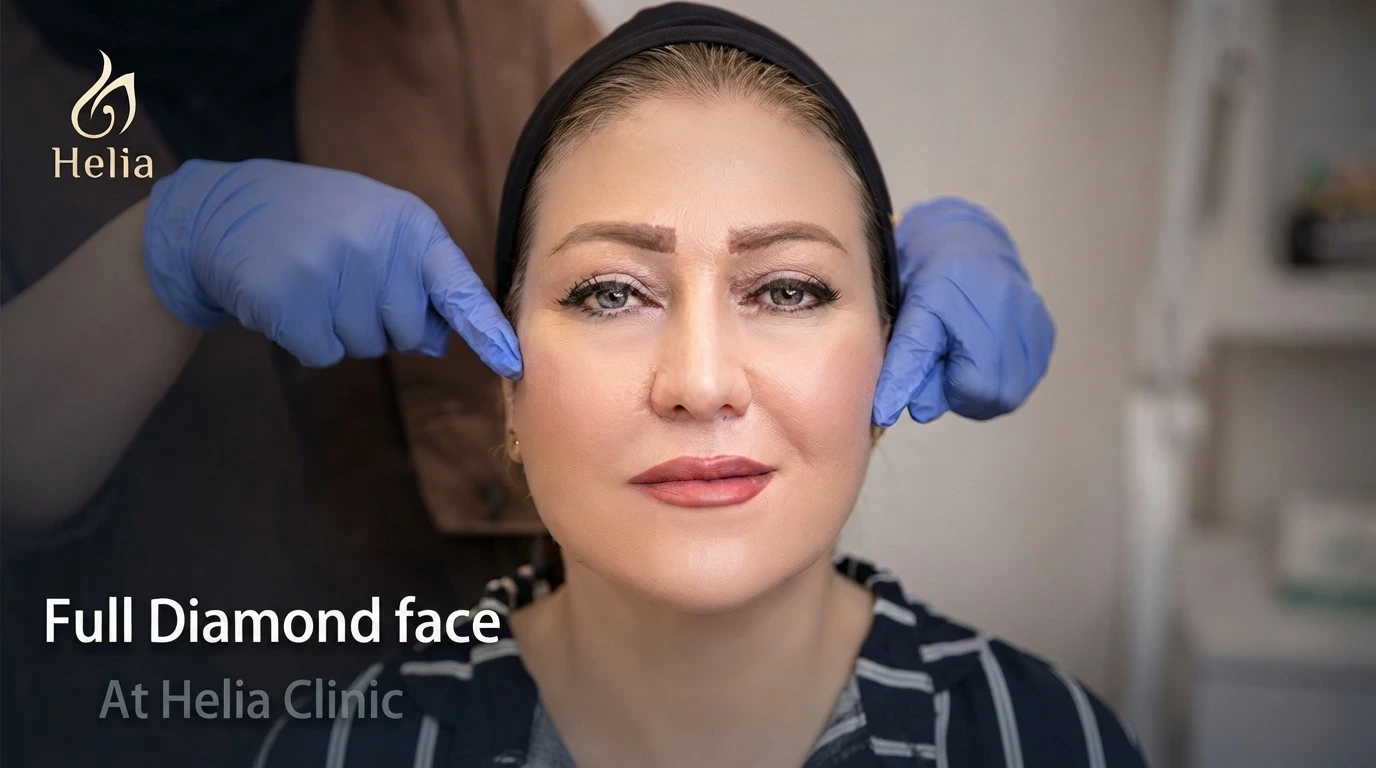
Temple Filling in Dubai involves placing filler in carefully selected areas of the temporal region to address volume loss. Hyaluronic acid (HA) filler is one option, but the appropriate product and technique depend on the patient's anatomy and clinical assessment.
The temples contain important blood vessels and other delicate structures. Treatment therefore requires detailed anatomical knowledge, careful product selection, and an injection technique appropriate for this area.
The aim is to restore volume conservatively while maintaining natural facial contours.
Who Is a Suitable Candidate for Temple Fillers?
Temple fillers may be suitable for adults with visible hollowing in the temporal region who want to improve their facial contours without surgery.
During an assessment, the practitioner may consider:
- The location and degree of volume loss.
- Skin quality and facial structure.
- Previous filler treatments.
- Medical history and current medications.
- The patient's expectations and desired results.
People with active skin infections in the treatment area or certain medical conditions may need to postpone treatment or consider alternatives. A consultation is necessary to determine suitability.
How Does the Temple Filler Procedure Work?
Temple filler treatment typically involves four steps:
1. Facial assessment
The practitioner examines temple volume, facial proportions, and relevant anatomical structures.
2. Treatment planning
The product, amount, and injection approach are selected according to individual needs.
3. Filler injection
The filler is placed in carefully selected areas using an appropriate technique.
4. Aftercare guidance
The patient receives instructions on managing temporary side effects and recognizing possible complications.
The appointment length depends on the treatment plan and the individual's needs.
Benefits of Temple Fillers
For suitable candidates, temple fillers offer several practical benefits:
- A non-surgical alternative to address temporal hollowing.
- No surgical incisions or general anesthesia.
- A relatively short treatment appointment.
- The option to improve facial contours without changing other facial features surgically.
Results depend on appropriate patient selection, the product used, and the injection technique. Fillers do not stop the natural aging process, and treatment cannot guarantee a particular outcome.
Book a Consultation for Temple Fillers in Dubai
If hollow temples affect your facial contours, a professional assessment can help determine whether filler is an appropriate option. Contact Helia to discuss your concerns, explore suitable treatment options, and develop a plan based on your facial anatomy and aesthetic goals.
Temple Filler Results and Duration
Changes in temple volume may be noticeable shortly after treatment, although swelling can temporarily affect the initial appearance. The result should be reviewed as the area settles.
The duration depends on the filler type, the amount used, individual metabolism, and the treatment technique. Hyaluronic acid fillers may last several months or longer, but longevity varies from person to person. Further treatment should only be considered after professional reassessment.
Are Temple Fillers Safe?
Temple filler injections require particular care because important blood vessels run through this region. Common side effects include temporary swelling, bruising, redness, and tenderness.
Other complications may include lumps, asymmetry, infection, or vascular occlusion. In rare cases, vascular complications can cause tissue damage or vision impairment. Treatment should be performed by an appropriately qualified medical professional with detailed knowledge of facial anatomy and the ability to manage complications.
Sudden visual changes, severe pain, or unusual skin discoloration after treatment require emergency medical assessment.
Temple Filler Cost in Dubai
The cost of temple fillers in Dubai depends on several factors:
- The type of filler selected.
- The amount needed to address volume loss.
- The complexity of the treatment.
- The practitioner's assessment and treatment plan.
Because the degree of hollowing varies between patients, the amount of filler required can differ considerably. A consultation can help determine the appropriate approach and clarify the expected cost.