
7 Best Treatments for Bushy Brows: Get Fuller Eyebrows



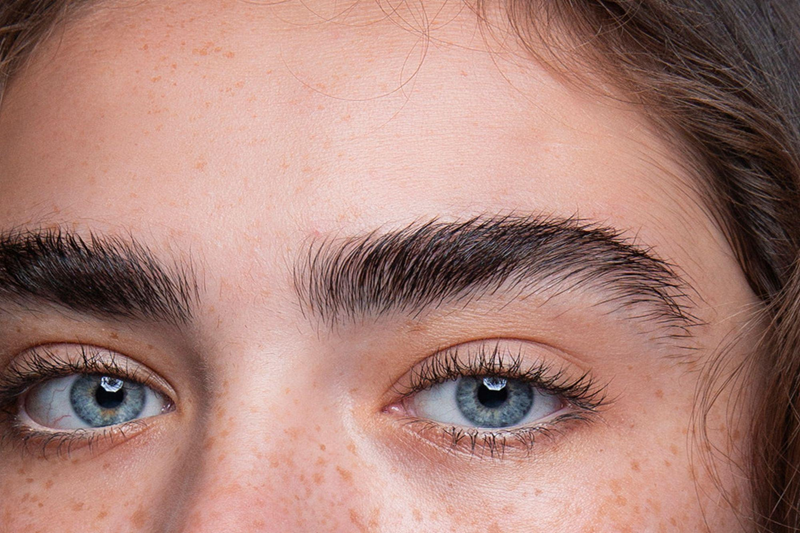
Full, well-defined eyebrows can enhance facial features and create a more balanced appearance. However, genetics, over-plucking, ageing, and certain medical conditions can contribute to thin or uneven eyebrows.
If you want big bushy eyebrows, several options can help you achieve a fuller appearance. These range from cosmetic treatments that improve brow definition to medical approaches that address hair loss and restore missing follicles.
1. Allow Your Eyebrows to Grow Naturally
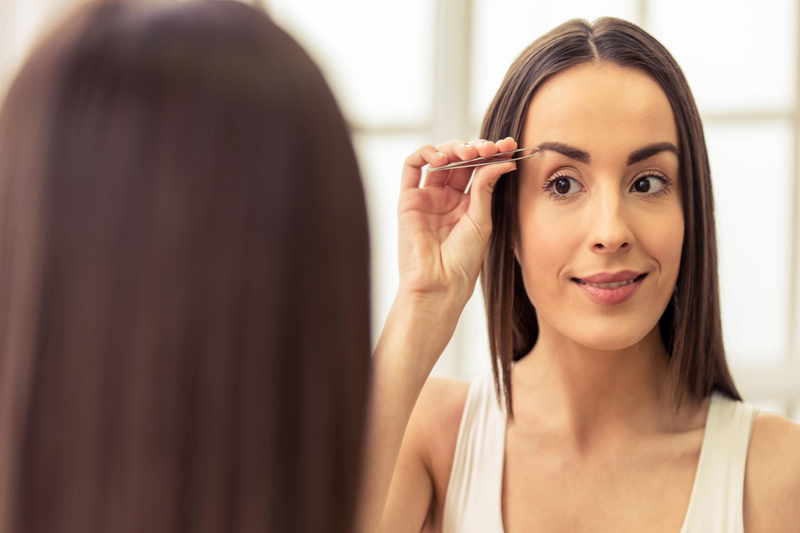
Giving your eyebrows time to grow is a simple first step, particularly if frequent tweezing, threading, or waxing has made them thinner.
Repeated hair removal can damage follicles in some cases, making regrowth difficult. Taking a break from these practices allows surviving follicles to produce new hairs.
To support natural eyebrow growth:
- Avoid tweezing hairs outside your preferred shape for several weeks.
- Brush your eyebrows gently with a clean spoolie.
- Avoid rubbing or scratching the eyebrow area.
- Maintain a balanced diet with adequate protein, iron, and zinc.
Eyebrow growth varies between individuals. This approach may improve fullness when thinning is caused by over-plucking, but it cannot restore follicles that have been permanently damaged.
Not sure where to start?
Our specialists will assess your scalp biology, graft capacity, and aesthetic goals to create a hair restoration protocol designed entirely for you — from your first consultation onward.
2. Use Eyebrow Conditioning Serums
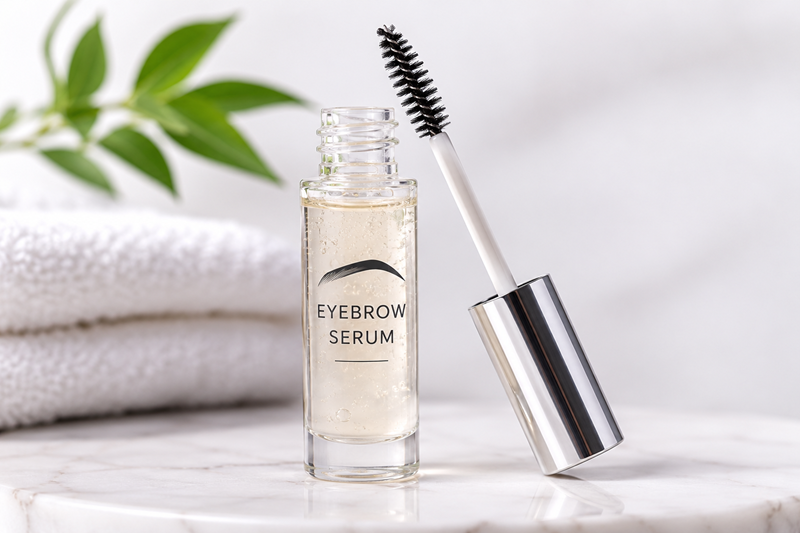
Eyebrow conditioning serums are designed to improve the appearance and condition of existing eyebrow hairs. They may contain ingredients such as peptides, panthenol, and hyaluronic acid, which help condition the hairs and maintain moisture around the eyebrow area.
Common ingredients include:
- Peptides: Used in cosmetic formulations to support healthier-looking hair.
- Panthenol: Helps condition eyebrow hairs and improve softness.
- Hyaluronic Acid: Helps maintain skin hydration.
Although these products may improve the appearance of existing hairs, there is limited clinical evidence that ordinary cosmetic serums stimulate new eyebrow growth or increase follicle density.
Choose products specifically formulated for the eyebrow area and follow the manufacturer’s instructions. Avoid applying products too close to the eyes and discontinue use if irritation develops.
3. Use Makeup for Fuller-Looking Eyebrows
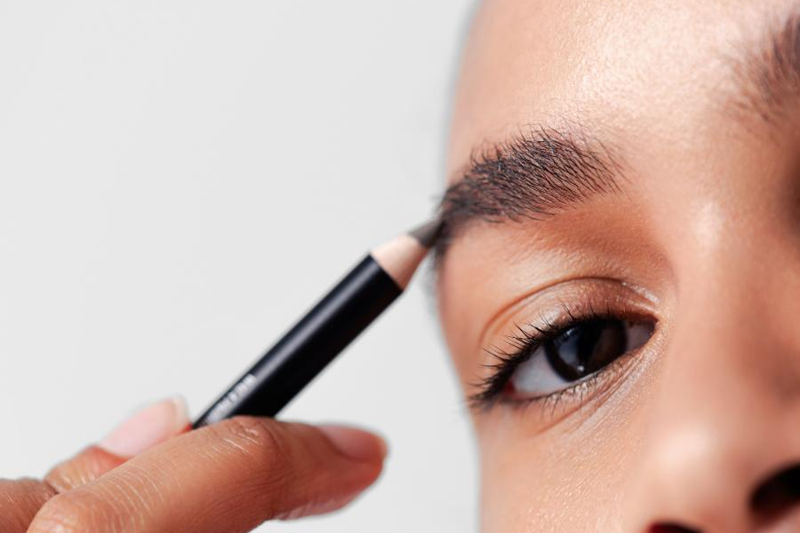
Makeup offers an immediate way to create thick bushy brows without changing natural hair growth.
Eyebrow pencils, powders, pomades, and tinted gels can fill sparse areas, define the arch, and make existing hairs appear more noticeable.
For a natural result:
- Brush eyebrow hairs upwards with a spoolie.
- Identify areas with visible gaps.
- Use a fine pencil to create small, hair-like strokes.
- Apply brow powder where additional coverage is needed.
- Finish with brow gel to keep the hairs in place.
Choose a shade close to your natural eyebrow colour to avoid an overly dark or artificial appearance.
Unlike medical treatments, makeup does not stimulate follicles. Its main advantage is that it provides immediate control over eyebrow shape and can create the appearance of thick eyebrows.
4. Try Eyebrow Tinting
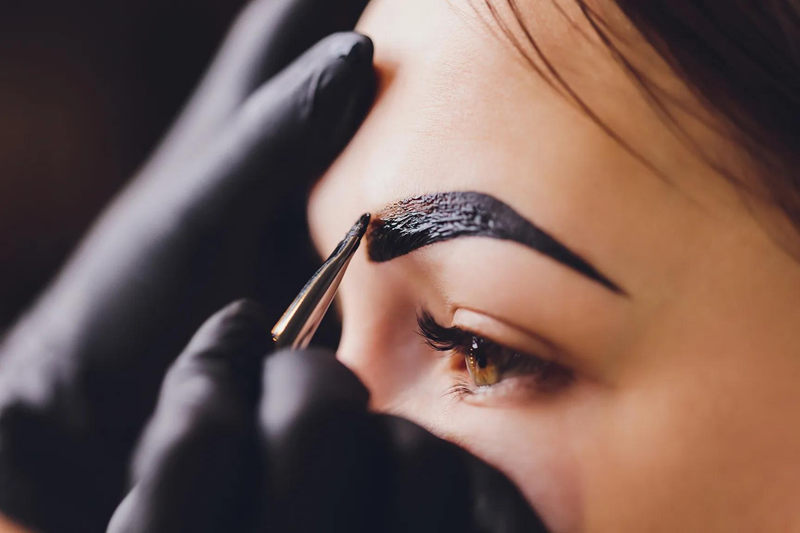
Eyebrow tinting involves applying a suitable colouring product to existing eyebrow hairs to make them appear darker and more defined.
This treatment can be useful for people with naturally light, fine, or unevenly coloured eyebrows. Darker hairs create greater visual contrast with the surrounding skin, making the brows appear fuller.
Tinting is particularly suitable when the eyebrow hairs are present but lack definition.
However, it does not increase hair density or stimulate new growth. Results gradually fade as the colour washes out and hairs naturally shed.
Because products used near the eyes can cause irritation or allergic reactions, professional application and appropriate safety precautions are important.
5. Consider Eyebrow Microblading
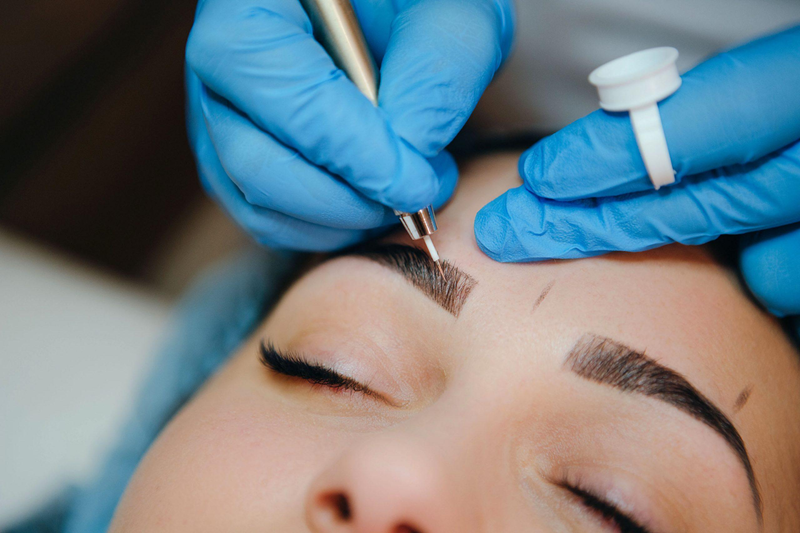
Microblading is a semi-permanent cosmetic procedure that creates the appearance of additional eyebrow hairs using pigment.
A trained practitioner uses a specialised handheld tool to deposit pigment into superficial layers of the skin, creating fine strokes that resemble natural eyebrow hairs.
It may be suitable for people with:
- Naturally sparse eyebrows.
- Uneven brow shapes.
- Small gaps between existing hairs.
- Thinning caused by over-plucking.
Microblading can improve eyebrow definition without daily makeup application. However, it does not produce actual hair or restore damaged follicles.
Results gradually fade and may require touch-ups. Potential risks include infection, allergic reactions, and scarring, making practitioner experience and hygiene essential.
6. Explore Medical Treatments for Eyebrow Hair Loss
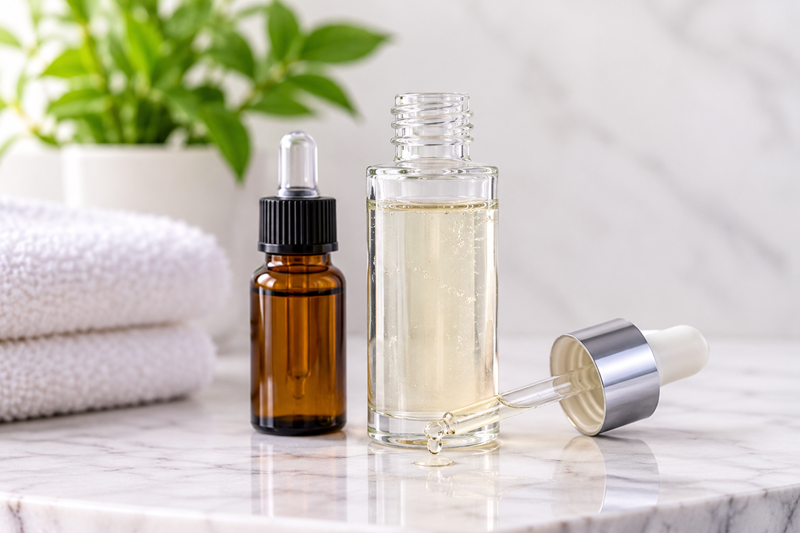
Eyebrow thinning can sometimes be a sign of an underlying medical condition. Alopecia areata, thyroid disorders, nutritional deficiencies, inflammatory skin conditions, and certain medications may contribute to eyebrow hair loss.
The appropriate treatment depends on identifying the cause. A dermatologist may examine the eyebrow area, review medical history, and recommend additional tests when necessary.
Minoxidil
Minoxidil is primarily used to treat scalp hair loss. Some dermatologists may consider it for selected cases of eyebrow thinning, although this is an off-label application. It requires medical supervision because it may cause irritation and unwanted hair growth around the treatment area.
Corticosteroid Injections
For eyebrow hair loss caused by alopecia areata, corticosteroid injections may help reduce inflammation around affected follicles and encourage regrowth. Their suitability depends on the extent and location of hair loss.
Other Prescription Treatments
Other medications may be considered depending on the diagnosis. For example, patients with more extensive alopecia areata may be candidates for treatments targeting immune system activity, including JAK inhibitors.
The appropriate treatment varies according to the diagnosis. More information about medical options is available in the American Academy of Dermatology’s guide to alopecia areata treatment.
7. Choose an Eyebrow Hair Transplant
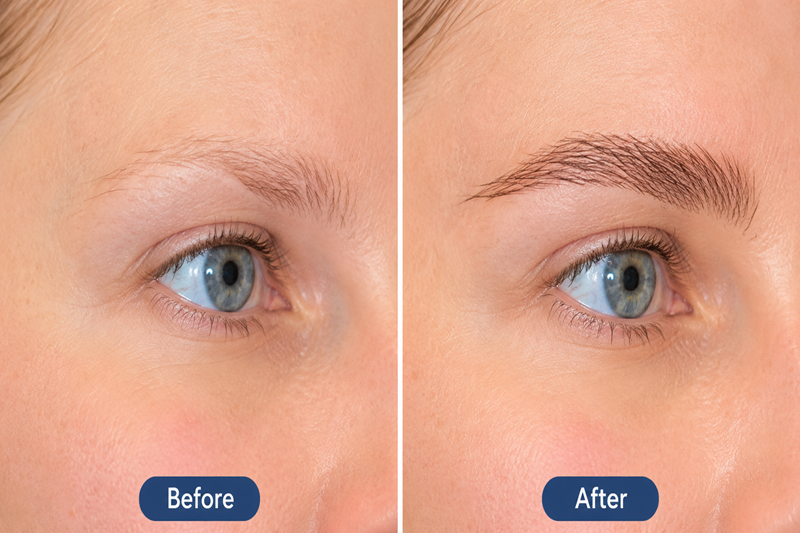
An eyebrow hair transplant is a surgical procedure that restores eyebrow density by transferring hair follicles from a donor area, usually the scalp, into sparse or hairless sections of the eyebrows.
Unlike cosmetic treatments, it introduces actual hair follicles into the recipient area. It may be considered by people with naturally thin eyebrows, permanent hair loss, or eyebrow gaps caused by trauma or scarring.
How Does an Eyebrow Transplant Work?
The procedure generally involves three main stages:
Donor Hair Extraction
Individual hair follicles are collected from a suitable donor area, commonly using Follicular Unit Extraction (FUE).
Recipient Area Preparation
The eyebrow shape, density, and natural growth direction are carefully planned. Small openings are created to receive the extracted follicles.
Graft Implantation
Each follicle is implanted individually, making the selection of suitable grafts and their placement particularly important. Single-hair follicular units are generally preferred for eyebrow restoration because they help create a finer, more natural appearance. The surgeon must also consider the angle, direction, and distribution of each graft to follow the natural growth pattern of eyebrow hair.
What Results Can You Expect?
Transplanted hairs initially go through a healing and growth cycle. Some shedding may occur before new growth becomes visible over the following months.
Since donor hair usually comes from the scalp, transplanted eyebrow hairs may continue growing longer than natural eyebrow hairs. Regular trimming and grooming are therefore necessary.
The final appearance depends on donor hair quality, graft survival, implantation technique, and individual healing. Additional treatment sessions may sometimes be needed to achieve the desired density.
For people seeking a longer-term solution to permanent eyebrow thinning, an eyebrow transplant may be worth considering. Learn more about eyebrow transplant in Dubai at Helia Clinic.
How to Choose the Best Treatment for Fuller Eyebrows
The most suitable option depends on whether you want to improve the appearance of existing hairs, encourage regrowth, or restore missing follicles.
| Treatment | Main purpose | Type of result |
|---|---|---|
| Natural regrowth | Allow existing hairs to recover | Natural growth |
| Eyebrow serums | Condition existing hairs | Cosmetic improvement |
| Makeup | Fill sparse areas | Temporary |
| Tinting | Darken existing hairs | Temporary |
| Microblading | Create hair-like pigment strokes | Semi-permanent |
| Medical treatments | Address specific causes of hair loss | Depends on diagnosis |
| Eyebrow transplant | Introduce new hair follicles | Long-term |
If eyebrow thinning develops suddenly, affects only one area, or occurs alongside skin changes, seek a medical assessment before choosing a cosmetic treatment.
The cause of hair loss should be identified before considering a transplant, particularly when an active inflammatory or autoimmune condition may affect the results.
Conclusion
Achieving bushy brows depends on choosing an approach that matches your natural eyebrow condition and desired outcome. Makeup, tinting, and microblading can improve appearance, while medical treatments may address specific causes of hair loss.
For people with permanent eyebrow thinning or missing hair follicles, an eyebrow transplant offers another option for restoring natural-looking density. A professional assessment can help determine which treatment is most appropriate.
Not sure where to start?
Our specialists will assess your scalp biology, graft capacity, and aesthetic goals to create a hair restoration protocol designed entirely for you — from your first consultation onward.
Frequently Asked Questions
How Can I Get Bushy Brows Naturally?
Avoid excessive tweezing and waxing, brush your eyebrows gently, and allow existing hairs time to grow. A balanced diet can also support normal hair health, although it cannot reverse permanent follicle damage.
How Long Does It Take to Get Thick Bushy Brows?
Eyebrow growth varies between individuals. Noticeable changes may take several weeks to a few months, depending on the cause of thinning and the condition of the hair follicles.
Do Eyebrow Growth Serums Really Work?
Some serums condition existing hairs and improve their appearance. However, evidence that common cosmetic serums stimulate new eyebrow growth is limited. Their effectiveness depends on their ingredients.
Can Microblading Make Eyebrows Look Thicker?
Yes. Microblading creates fine pigment strokes that resemble natural eyebrow hairs, making sparse areas look fuller. However, it does not stimulate actual hair growth.
Is an Eyebrow Transplant a Permanent Solution?
An eyebrow transplant can provide long-term hair restoration because it transfers actual follicles into the eyebrow area. However, results vary, and transplanted hairs may require regular trimming.
Related Articles
Continue exploring clinical insights from the Helia Medical Journal.
 Eyebrow Transplant
Seborrheic Dermatitis Eyebrows: 7 Ways to Stop the Flakes
Table of ContentsWhat Is Seborrheic Dermatitis on Eyebrows?What Causes Seborrheic Dermatitis in Eyebrows?Best Treatment for Seborrheic Dermatitis on Eyebrows1. Antifungal Creams2. Short-Term Corticosteroid Treatments3. Non-Steroidal Anti-Inflammatory TreatmentsDandruff in…
 Eyebrow Transplant
How to Dye Your Eyebrows at Home: Easy Steps With Photos
Table of ContentsWhat You Need Before Coloring Your EyebrowsSteps for Creating Darker, More Defined EyebrowsStep 1: Clean and Prepare Your EyebrowsStep 2: Brush Your Eyebrow HairsStep 3: Choose…
 Eyebrow Transplant
7 Best Eyebrow Growth Oils: Reviews & Benefits
Table of ContentsDo Eyebrow Growth Oils Really Work?Eyebrow Growth Oil & How to Use Them1. Castor Oil2. Rosemary Oil3. Coconut Oil4. Jojoba Oil5. Argan Oil6. Sweet Almond Oil7.…
Comments
Share your questions or clinical experience with our readers.