
Eyebrow Transplant vs Microblading: Natural & Long-Lasting Results
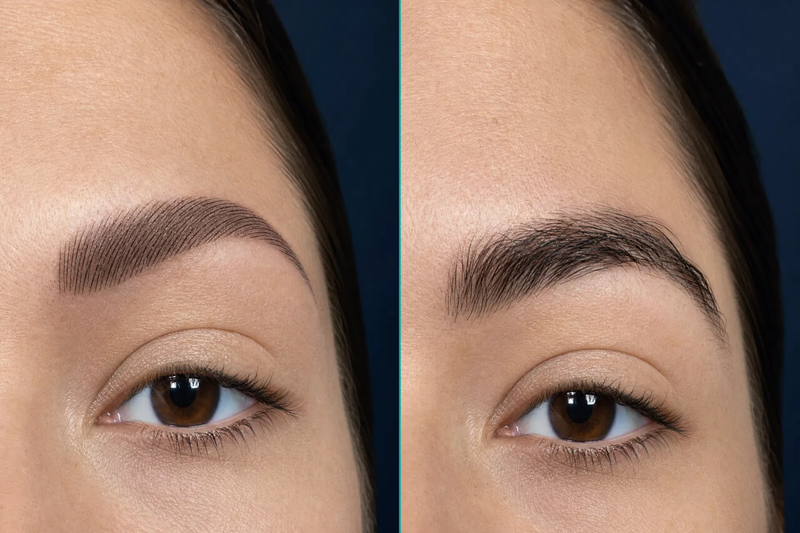
Choosing between an eyebrow transplant and microblading depends on your desired appearance, budget, and expectations for long-term results. Both treatments can improve thin or uneven eyebrows, but they work differently. An eyebrow transplant restores real hair using transplanted follicles, while microblading creates the appearance of fuller brows through cosmetic pigmentation.
Understanding their differences in natural appearance, longevity, recovery, and maintenance can help you choose the right option for your needs.
What Is the Difference Between Eyebrow Transplant and Microblading?
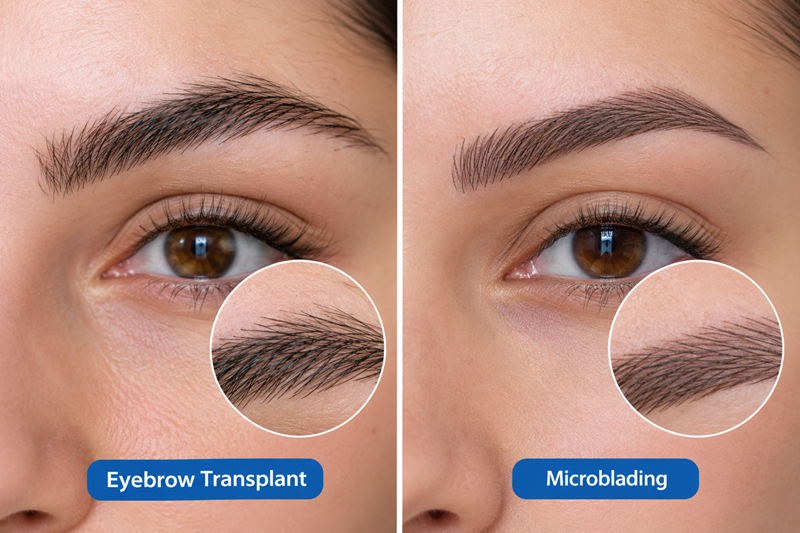
An eyebrow transplant is a surgical procedure that moves hair follicles, usually from the scalp, into areas where eyebrow hair is sparse or missing. The transplanted follicles can produce new hair after healing, restoring actual eyebrow growth.
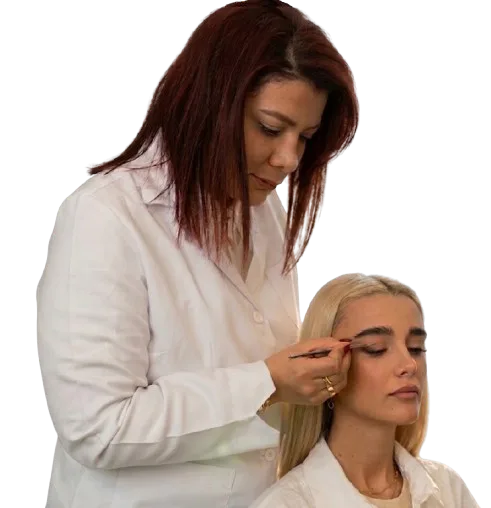
Microblading is a semi-permanent cosmetic treatment that deposits pigment into the skin using fine needles. A practitioner creates thin, hair-like strokes to make the eyebrows appear fuller. Unlike an eyebrow transplant, microblading does not restore hair follicles or produce new hair growth.
Not sure where to start?
Our specialists will assess your scalp biology, graft capacity, and aesthetic goals to create a hair restoration protocol designed entirely for you — from your first consultation onward.
Eyebrow Transplant vs Microblading: Key Differences
The following table compares the main features of both treatments.
| Feature | Eyebrow Transplant | Microblading |
|---|---|---|
| Treatment type | Surgical hair restoration | Cosmetic pigmentation |
| Results | Real hair growth | Hair-like pigment strokes |
| Longevity | Potentially permanent | Semi-permanent |
| Natural texture | Actual hair and volume | Visual effect created by pigment |
| Initial cost | Generally higher | Generally lower |
| Recovery | Surgical healing required | Usually shorter healing period |
| Maintenance | Trimming and grooming | Periodic touch-ups |
| Results timeline | Several months | Immediate definition, followed by healing |
An eyebrow transplant is designed to restore hair, while microblading provides a cosmetic enhancement without surgery. The better option depends on your goals and suitability for each procedure.
Which Looks More Natural: Eyebrow Transplant or Microblading?
Both eyebrow transplants and microblading can create natural-looking eyebrows, but they achieve this in different ways. An eyebrow transplant uses real hair follicles, while microblading creates the appearance of individual hairs through pigmentation.
| Feature | Eyebrow Transplant | Microblading |
|---|---|---|
| Hair texture | Real hair with natural texture and volume | Pigment strokes that imitate hair |
| Appearance | Adds actual hair to sparse areas | Creates the illusion of fuller eyebrows |
| Hair growth | Transplanted hairs continue to grow | Does not produce new hair growth |
| Styling | Hairs can be brushed and trimmed | Shape and definition depend on pigment placement |
| Natural-looking results | Depend on graft placement, hair direction, and healing | Depend on stroke design, pigment selection, and practitioner skill |
An eyebrow transplant may be preferable if you want real hair and natural texture. Microblading can be a suitable alternative if you want to define existing eyebrows or fill small gaps without surgery. In both cases, the final appearance depends on individual characteristics and the skill of the practitioner.
Which Lasts Longer: Eyebrow Transplant or Microblading?
Longevity is a major consideration when comparing these treatments.
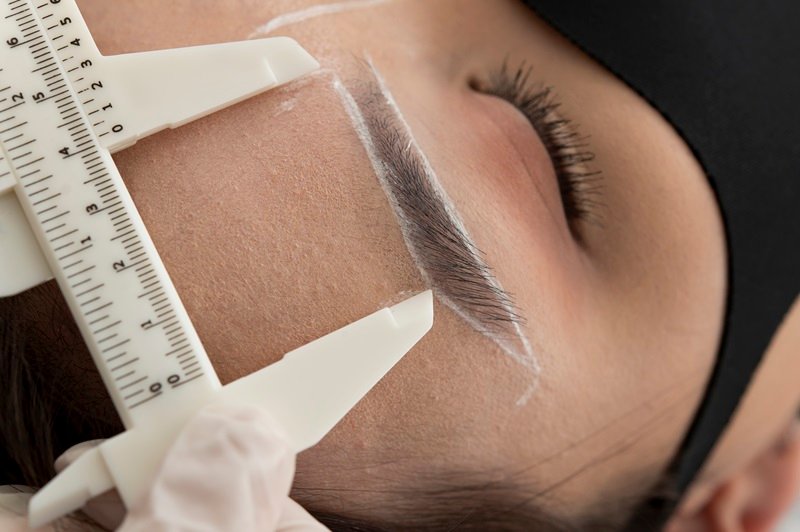
An eyebrow transplant can provide long-term results because successfully transplanted follicles may continue producing hair for many years. Results can last a lifetime, although graft survival and final density vary between individuals. A transplant also does not prevent every possible cause of future eyebrow hair loss.
Microblading is semi-permanent because its pigment gradually fades. Results may remain visible for months to a few years, depending on skin type, sun exposure, skincare habits, pigment characteristics, and technique. Periodic touch-ups may be needed to maintain the desired definition.
The maintenance requirements also differ. Transplanted hair needs grooming and trimming, while microblading requires pigment refreshes.
For people prioritizing long-term hair restoration, an eyebrow transplant generally offers greater longevity. Microblading may be more suitable for those who prefer a non-surgical treatment that can be adjusted over time. The American Academy of Dermatology explains microblading and its semi-permanent results.
Cost, Recovery, and Maintenance
The overall cost and convenience of each treatment depend on more than the initial appointment price.
Cost
Microblading generally costs less upfront because it does not involve surgery. However, repeat appointments can increase the total expense over time.
An eyebrow transplant usually requires a higher initial investment because it involves surgery and specialized expertise. The final cost depends on the number of grafts, the complexity of the procedure, and the provider.
Compare the initial price alongside future touch-ups, follow-up appointments, and ongoing grooming before making a decision.
Recovery
Microblading usually involves a shorter recovery period. Temporary redness, tenderness, and scabbing may occur while the skin heals. Following aftercare instructions helps support healing and reduce the risk of complications.
An eyebrow transplant involves surgical healing, and temporary swelling, redness, or crusting may develop around the treated area. Transplanted hairs often shed during the first few weeks before new growth begins. Visible improvement develops over several months, and the final result takes time to mature.
Maintenance
Microblading requires periodic touch-ups as the pigment fades. An eyebrow transplant usually requires regular trimming because transplanted scalp hairs may continue growing at their original rate.
Neither treatment is entirely maintenance-free, but the ongoing requirements are different.
Pros and Cons of Eyebrow Transplant vs Microblading
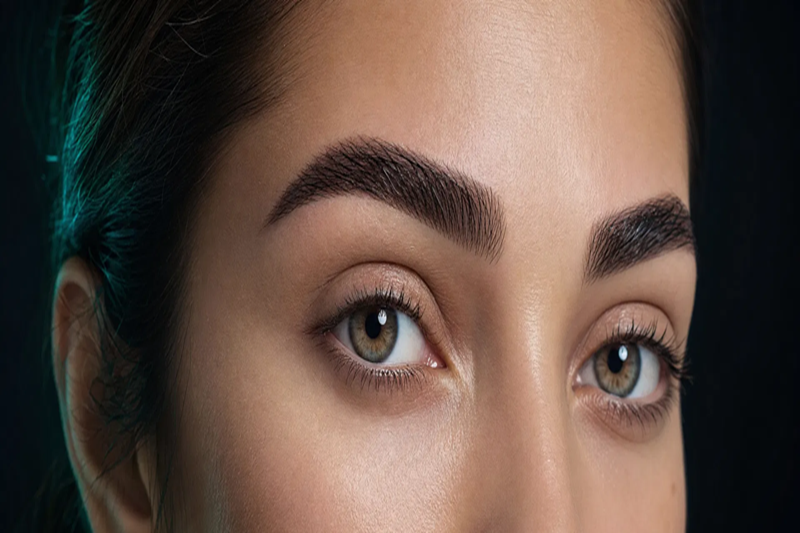
Eyebrow Transplant
Advantages:
- Restores actual hair rather than creating the illusion of hair.
- Can provide long-lasting results.
- Adds real texture and volume to sparse areas.
- May reduce the need for daily eyebrow makeup.
Limitations:
- Requires surgery and a recovery period.
- Results take several months to develop.
- Usually costs more upfront.
- Transplanted hairs may need regular trimming.
- Final results depend on graft survival and surgical technique.
Microblading
Advantages:
- Enhances eyebrow definition without surgery.
- Allows customization of eyebrow shape and color.
- Generally involves less initial downtime.
- Usually costs less upfront.
- Can fill small gaps in existing eyebrows.
Limitations:
- Does not restore actual hair growth.
- Pigment fades and requires maintenance.
- Results depend on skin type and practitioner skill.
- Infection, allergic reactions, and unwanted pigment changes are possible.
Is Eyebrow Transplant Better Than Microblading?
Neither treatment is universally better. The right choice depends on whether you prioritize actual hair growth, non-surgical enhancement, or long-term results.
An eyebrow transplant may be more suitable for people seeking real hair and potentially permanent restoration. Microblading may be preferable for those who want defined eyebrows without surgery and are comfortable with periodic touch-ups.
Before deciding, consider your existing eyebrow hair, desired results, and willingness to undergo surgery. Learning more about an eyebrow transplant can help you understand the procedure, its benefits, and what to expect during recovery.
Conclusion
When comparing eyebrow transplant vs microblading, the main differences lie in how each treatment works, the type of results it provides, and its long-term maintenance requirements. An eyebrow transplant restores real hair and can offer long-lasting results, while microblading creates the appearance of fuller eyebrows through semi-permanent pigmentation.
The right choice depends on your existing eyebrow hair, desired appearance, budget, and willingness to undergo surgery or maintain cosmetic results. Understanding these differences can help you choose the approach that best fits your individual needs and expectations.
Not sure where to start?
Our specialists will assess your scalp biology, graft capacity, and aesthetic goals to create a hair restoration protocol designed entirely for you — from your first consultation onward.
Frequently Asked Questions
Is eyebrow transplant more natural than microblading?
An eyebrow transplant produces real hair, providing natural texture and dimension. Microblading creates the appearance of hair through pigment strokes. Both can look natural when performed appropriately, but only a transplant restores actual hair growth.
How long does microblading last?
Microblading may last from several months to a few years, depending on skin type, pigment, technique, and aftercare. Touch-ups may be needed to maintain the desired appearance.
Does an eyebrow transplant last a lifetime?
An eyebrow transplant can provide permanent results because successfully transplanted follicles may continue producing hair for many years. However, individual outcomes vary, and regular trimming may be necessary.
Can you get an eyebrow transplant after microblading?
Yes, an eyebrow transplant may be possible after microblading. A specialist should assess the skin, existing pigment, and eyebrow area to determine suitability and appropriate timing.
Is an eyebrow transplant worth the cost?
An eyebrow transplant may be worthwhile if you want long-term hair restoration and accept the higher initial cost and surgical recovery. Microblading may be more practical if you prefer a non-surgical enhancement with a lower upfront cost.
Related Articles
Continue exploring clinical insights from the Helia Medical Journal.
 Hair Restoration
Female Hair Loss: Causes, Signs & Treatment Options
Table of ContentsWhat Is Female Hair Loss?What Causes Female Hair Loss?What Are the Early Signs of Female Hair Loss?How Is Female Hair Loss Diagnosed?What Are the Treatment Options…
 Hair Restoration & Hair Transplant
Do Hair Transplants Last Forever? Which Method Lasts Longest?
Table of ContentsDo Hair Transplants Last Forever?Which Hair Transplant Method Lasts the Longest?FUE Hair TransplantFUT Hair TransplantDoes FUE Hair Transplant Last Forever?Do Hair Plugs Last Forever?What Can Affect…
 Hair Restoration & Hair Transplant
Hair Transplant Expectations: What’s Real and What’s Not?
Table of ContentsWhat Can You Realistically Expect From a Hair Transplant?Hair Transplant Expectations: Myth vs. RealityMyth 1: A Hair Transplant Guarantees a Full Head of HairMyth 2: Results…
Comments
Share your questions or clinical experience with our readers.