
What to Eat After a Hair Transplant: Best Foods
Nutrition plays a vital role in caring for your hair after a transplant. In this section, we will review the types of foods that are advisable and those that should be avoided, along with options that can help strengthen hair transplants.By paying attention to these dietary choices, you can maximize your results and support healthy growth.



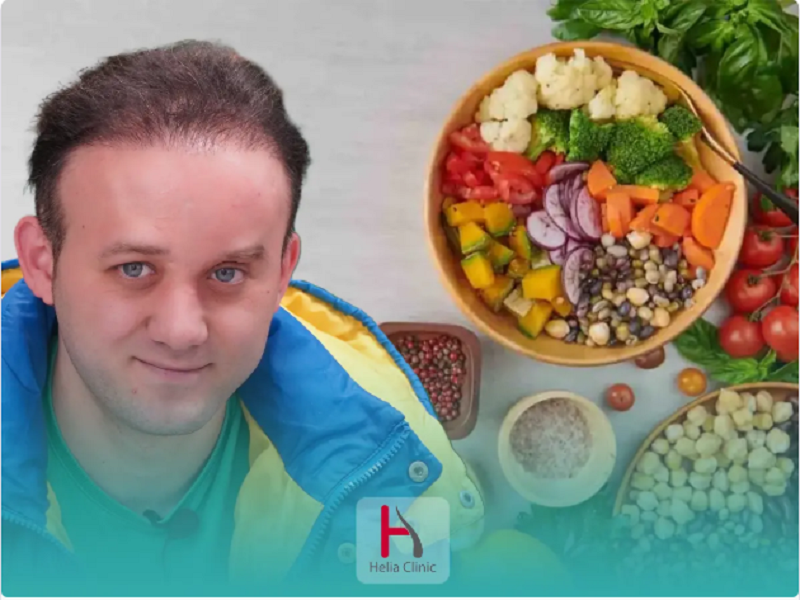
Knowing what to eat after a hair transplant can help patients support their recovery and maintain healthy hair. After surgery, the body needs adequate nutrients to repair the scalp, heal small wounds, and support normal tissue function. A balanced diet provides the protein, vitamins, minerals, and healthy fats required for these processes.
Although no specific food can guarantee successful graft survival or faster hair growth, poor nutrition may affect the body’s ability to heal. Patients should focus on nutrient-rich meals, stay hydrated, and avoid restrictive diets during recovery.
Why Is Nutrition Important After a Hair Transplant?
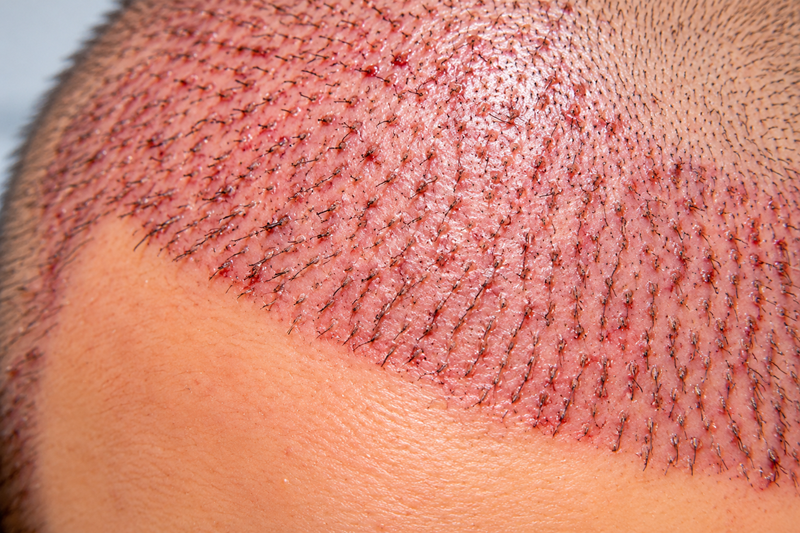
Hair transplant surgery involves moving hair follicles from a donor area to areas affected by hair loss. The scalp develops small wounds during this process, which need time and adequate nutritional support to heal.
A balanced diet contributes to recovery in several ways:
- Tissue repair: Protein provides amino acids needed to build and repair body tissues.
- Collagen production: Vitamin C supports collagen formation, which is important for skin structure and wound healing.
- Oxygen delivery: Iron helps produce haemoglobin, which carries oxygen through the blood.
- Cell function: Zinc supports cell division, protein synthesis, and normal wound healing.
- Hair maintenance: Adequate protein, iron, and other essential nutrients help maintain normal hair growth.
Nutrition supports the body’s natural recovery processes, but it does not replace proper scalp care, prescribed medication, or follow-up appointments with the surgeon.
Not sure where to start?
Our specialists will assess your scalp biology, graft capacity, and aesthetic goals to create a hair restoration protocol designed entirely for you — from your first consultation onward.
Which Nutrients Support Recovery After Hair Transplant Surgery?
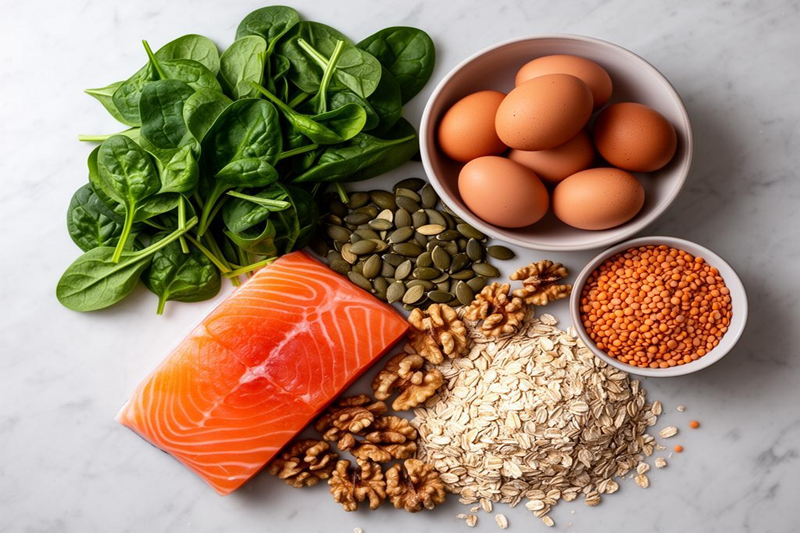
The best approach is to include different food groups rather than relying on one particular ingredient. The following nutrients are especially relevant to normal tissue repair and hair health.
Protein-Rich Foods
Protein is essential for tissue repair because it supplies the amino acids needed to build new cells and maintain body structures. It also provides the building blocks for keratin, the main structural protein in hair.
Good sources include:
- Eggs
- Chicken and turkey
- Fish
- Greek yoghurt
- Lentils and beans
- Tofu
Including protein in main meals helps maintain adequate intake during recovery. Patients with reduced appetite after surgery can choose easily prepared options such as eggs, yoghurt, or lentil soup.
Vitamin C Sources
Vitamin C contributes to collagen production and helps the body absorb non-haem iron from plant-based foods. Both functions are relevant to maintaining healthy tissues and supporting normal recovery.
Useful sources include oranges, kiwi, strawberries, bell peppers, broccoli, and tomatoes.
Adding fruit or vegetables containing vitamin C to meals can improve overall nutrient intake. For example, combining lentils with bell peppers provides iron alongside vitamin C.
Iron-Rich Foods
Iron is necessary for producing haemoglobin, which transports oxygen to tissues throughout the body. Maintaining adequate iron levels is important for normal hair health, particularly in people who already have an iron deficiency.
Good dietary sources include lean beef, poultry, lentils, chickpeas, spinach, and fortified cereals.
Plant-based iron is less readily absorbed than iron from animal sources. Eating vitamin C-rich foods alongside plant-based iron sources can improve absorption.
Zinc-Containing Foods
Zinc contributes to normal cell division, protein synthesis, and wound healing. It also plays a role in maintaining healthy hair.
Foods that provide zinc include:
- Pumpkin seeds
- Cashews
- Chickpeas
- Beef
- Eggs
- Dairy products
- Oysters
A varied diet generally provides sufficient zinc for people without a deficiency. High-dose supplements should not be taken without medical advice because excessive zinc intake can interfere with copper absorption.
Foods Containing Omega-3 Fatty Acids
Omega-3 fatty acids support normal cell function and help regulate inflammatory processes in the body. They are also part of a balanced diet that supports general health.
Sources include salmon, sardines, mackerel, walnuts, chia seeds, and flaxseeds.
Fatty fish provides EPA and DHA, while plant sources contain ALA. These foods can be included in regular meals without requiring additional supplements.
A Quick Guide to Nutrients and Food Sources
The following table summarises the main nutrients to include in a balanced diet after hair transplant surgery.
| Nutrient | Main function | Food sources |
|---|---|---|
| Protein | Tissue repair and keratin production | Eggs, chicken, yoghurt |
| Vitamin C | Collagen production and iron absorption | Kiwi, oranges, peppers |
| Iron | Oxygen transport | Lean beef, lentils, spinach |
| Zinc | Cell division and wound healing | Pumpkin seeds, beef, chickpeas |
| Omega-3 | Normal cell function | Salmon, walnuts, chia seeds |
Combining these nutrients across different meals is generally more practical than trying to obtain everything from one food.
What Foods Should You Avoid After a Hair Transplant?
There is no universal list of prohibited foods after hair transplant surgery. However, certain dietary choices may be less suitable during recovery.
Consider limiting:
- Alcohol: It can interact with postoperative medications and may interfere with recovery. Follow your surgeon’s advice about when to resume drinking.
- Highly processed foods: Meals containing excessive salt, added sugar, and unhealthy fats often provide fewer essential nutrients than balanced meals.
- Excessive sugary drinks: These can add considerable sugar without providing many beneficial nutrients.
- Very restrictive diets: Severely reducing calorie intake can make it difficult to obtain enough protein, vitamins, and minerals.
Patients should also avoid starting new supplements without medical advice. Certain products, including concentrated fish oil and high-dose vitamin supplements, may affect bleeding or interact with medications.
How Much Water Should You Drink After a Hair Transplant?
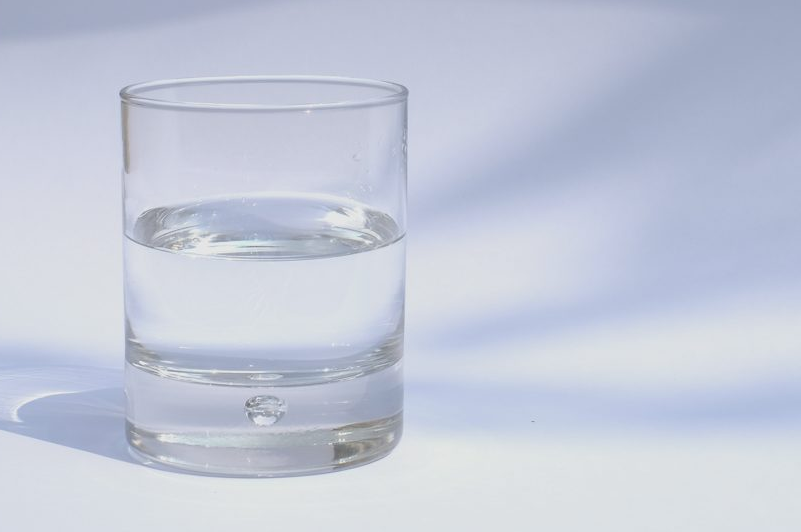
Adequate hydration supports normal circulation, temperature regulation, and nutrient transport. These functions are important for general health during postoperative recovery.
Patients should drink water regularly throughout the day and include water-rich foods such as cucumbers, watermelon, oranges, and soups in their meals.
Fluid requirements vary according to body size, activity level, climate, and medical conditions. Therefore, there is no fixed amount that applies to everyone. Patients who have been advised to restrict their fluid intake should follow their healthcare provider’s recommendations.
How Long Should You Follow a Healthy Diet After a Hair Transplant?
A nutritious diet should be maintained throughout recovery and as part of a long-term healthy lifestyle. However, patients do not need to follow a special hair transplant diet permanently.
During the initial healing period, adequate protein, calories, vitamins, and minerals are particularly important for normal tissue repair. As recovery progresses, patients can continue with their usual balanced eating habits.
If a nutritional deficiency is identified through medical assessment or blood tests, a doctor may recommend specific dietary changes or supplements. Correcting an existing deficiency is more useful than taking unnecessary supplements in the hope of improving transplant results.
An international expert consensus statement on hair transplant care also highlights the importance of assessing nutritional deficiencies and considering supplementation when clinically appropriate. You can read the international expert consensus on pre- and post-hair transplant care for further information.
Conclusion
Knowing what to eat after a hair transplant helps patients make informed dietary choices during recovery. Protein-rich foods, fruits, vegetables, iron sources, zinc-containing foods, and healthy fats can provide nutrients needed for normal tissue repair and hair health.
However, no particular food or supplement guarantees graft survival or faster hair growth. The best approach is to maintain a balanced diet, stay hydrated, address confirmed nutritional deficiencies, and follow the surgeon’s postoperative instructions.
Not sure where to start?
Our specialists will assess your scalp biology, graft capacity, and aesthetic goals to create a hair restoration protocol designed entirely for you — from your first consultation onward.
Frequently Asked Questions
Can I Eat Eggs After a Hair Transplant?
Yes. Eggs are a good source of protein and contain nutrients such as vitamin B12 and selenium. They can be included in regular meals after surgery unless a patient has an allergy or specific dietary restriction.
Is Fish Good to Eat After a Hair Transplant?
Yes. Fish provides protein, while fatty fish such as salmon and sardines also contain omega-3 fatty acids. These nutrients support normal body functions and contribute to a balanced diet.
Can I Drink Coffee After a Hair Transplant?
Many patients can return to drinking coffee after surgery, but recommendations may vary depending on their health, medications, and surgical instructions. Patients should ask their surgeon when they can safely resume their usual caffeine intake.
Do Vitamins Help Hair Grow Faster After a Hair Transplant?
Vitamins support normal hair growth when the body receives adequate amounts. Correcting a confirmed deficiency may improve hair health, but taking additional vitamins does not necessarily accelerate transplanted hair growth.
Should I Take Biotin After a Hair Transplant?
Biotin is involved in normal hair health, but supplementation is generally unnecessary unless a deficiency or specific medical indication exists. High doses can also interfere with certain laboratory tests. Patients should consult a healthcare professional before taking biotin supplements.
Can I Eat Spicy Food After a Hair Transplant?
Spicy food is not generally known to damage transplanted follicles. However, patients who experience stomach irritation or discomfort after eating spicy meals may prefer milder foods during the initial recovery period.
Related Articles
Continue exploring clinical insights from the Helia Medical Journal.
 Hair Restoration & Hair Transplant
PRP vs G-Cell vs Exosomes: Which One Really Works?
Table of ContentsWhat Are PRP, G-Cell, and Exosome Hair Treatments?PRP Hair TreatmentG-Cell Hair TreatmentExosome Hair TreatmentPRP vs G-Cell vs Exosomes: Key DifferencesPRP vs G-Cell vs Exosomes: Which Is…
 Hair Restoration & Hair Transplant
Donor Hair From Another Person: Is It Possible?
Table of ContentsCan Someone Else Donate Hair for Transplant?Why Immune Rejection HappensThe Immunology of AllograftsSynthetic Biofibre Hair RisksFDA Warnings on Synthetic FibersPotential Complications of Synthetic Hair ImplantsSafe Biological…
 Hair Restoration & Hair Transplant
Do Hair Transplants Last Forever? Which Method Lasts Longest?
Table of ContentsDo Hair Transplants Last Forever?Which Hair Transplant Method Lasts the Longest?FUE Hair TransplantFUT Hair TransplantDoes FUE Hair Transplant Last Forever?Do Hair Plugs Last Forever?What Can Affect…
Comments
Share your questions or clinical experience with our readers.