
Robotic vs Manual Hair Transplant: Can Robots Really Do It Better?
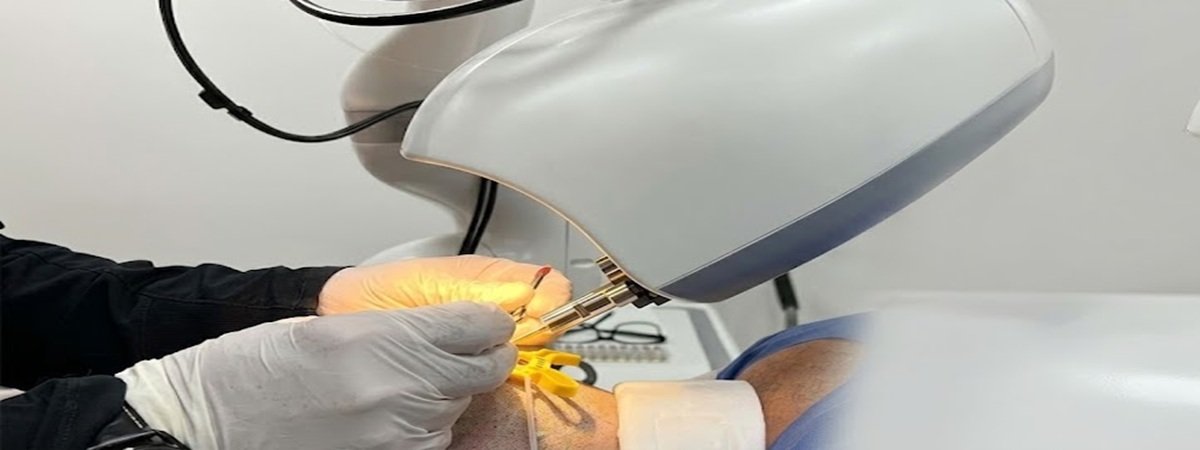
When comparing robotic vs manual hair transplant procedures, many patients wonder whether advanced technology can deliver better results than an experienced surgeon. Robotic hair transplantation uses computer-assisted systems to support follicle extraction, while manual FUE relies on the surgeon’s direct control.
Robotic systems may improve consistency in certain extraction tasks, but they do not guarantee higher graft survival or better cosmetic results. The right technique depends on the patient’s hair characteristics, donor area, and the surgeon’s expertise.
What Is the Difference Between Robotic and Manual Hair Transplantation?
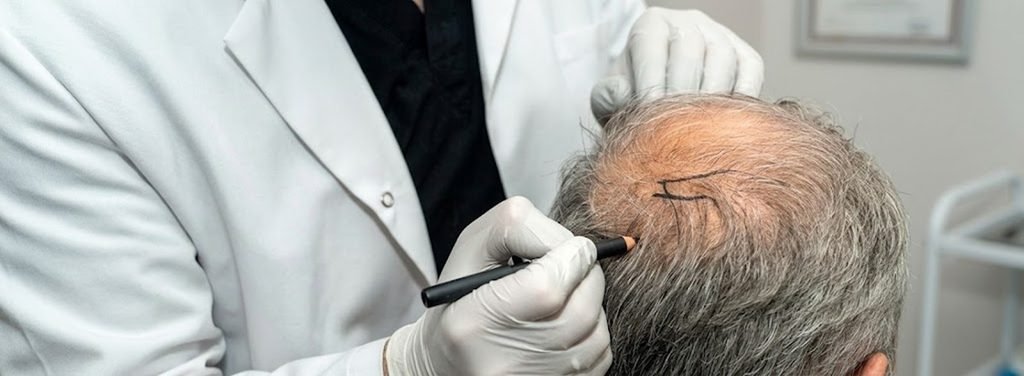
Both robotic and manual approaches can be used for follicular unit extraction (FUE), a technique that removes individual hair follicles from the donor area for transplantation.
The key difference is how follicular units are identified and extracted.
- Robotic hair transplant: Uses image-guided technology and robotic assistance during selected extraction steps.
- Manual hair transplant: Uses a handheld punch controlled directly by the surgeon.
In robotic procedures, the surgeon remains responsible for treatment planning, patient assessment, and clinical supervision. Manual FUE allows the surgeon to adapt extraction movements to individual follicle angles and anatomical variations.
Neither technique guarantees a successful outcome on its own. Surgical planning, graft handling, and long-term donor area preservation remain important considerations.
Not sure where to start?
Our specialists will assess your scalp biology, graft capacity, and aesthetic goals to create a hair restoration protocol designed entirely for you — from your first consultation onward.
Robotic vs Manual Hair Transplant: Pros and Cons
The following table compares the main features of both approaches.
| Feature | Robotic Hair Transplant | Manual Hair Transplant |
|---|---|---|
| Extraction method | Computer-assisted robotic system | Handheld punch controlled by surgeon |
| Main advantage | Image-guided assistance during extraction | Direct control and technique flexibility |
| Precision | Depends on imaging, system settings, and patient characteristics | Depends on surgeon experience and technique |
| Adaptability | May have limitations with certain hair angles and characteristics | Allows adjustments during extraction |
| Transection risk | Varies according to system and clinical conditions | Varies according to surgeon skill and follicle anatomy |
| Equipment | Requires a specialized robotic system | Requires manual surgical instruments |
| Patient suitability | Depends on system capabilities and assessment | Depends on individual assessment and surgeon expertise |
| Results | Not guaranteed by technology alone | Not guaranteed by manual technique alone |
Advantages of Robotic Hair Transplantation
- Image-guided assistance for follicle identification
- Automated support during certain extraction movements
- Potentially consistent performance in suitable cases
- A technology-based option for patients considering FUE
Disadvantages of Robotic Hair Transplantation
- Requires specialized equipment
- May have limitations with specific hair characteristics
- Does not eliminate the need for experienced surgical supervision
- May produce different yield and discard outcomes depending on the system and patient
Advantages of Manual Hair Transplantation
- Direct control over extraction
- Flexibility when working with different follicle angles
- Ability to adapt technique to individual donor area characteristics
- Does not require a robotic harvesting system
Disadvantages of Manual Hair Transplantation
- Results depend significantly on surgeon experience and technique
- Repetitive extraction can be physically demanding
- Transection risk varies with anatomy and surgical approach
- Performance may differ between surgeons
What Is Transection Rate in Hair Transplantation?

Transection rate measures the proportion of hairs or follicular structures damaged during the extraction process.
When a follicle is transected, the punch may cut through part of its structure. Depending on the extent of damage, the graft may be unusable or have reduced potential for successful transplantation.
A lower transection rate can help preserve viable grafts. However, it should be interpreted alongside other indicators, including graft quality, survival, donor area preservation, and the final cosmetic outcome.
A low transection rate alone does not establish that one hair transplant method is better than another.
Robotic vs Manual Hair Transplant: Transection Rate Analysis
A 2024 comparative study published in the Journal of Cosmetic Dermatology evaluated robotic ARTAS harvesting and traditional FUE in 13 male patients with androgenetic alopecia.
Each patient’s donor area was divided into two sides, with ARTAS used on one side and traditional FUE on the other. The researchers compared yield, discard, and transection rates.
| Measurement | Robotic ARTAS | Traditional FUE |
|---|---|---|
| Total yield rate | 82.05% | 90.03% |
| Total discard rate | 10.71% | 5.46% |
| Total transection rate | 13.17% | 13.96% |
The study reported a slightly lower total transection rate for ARTAS, but the difference was not statistically significant. The robotic side had a significantly higher discard rate, while no significant difference was reported in patient satisfaction or hair regrowth during the study’s follow-up.
These findings show why transection rate should be assessed together with other surgical outcomes rather than used as the sole basis for choosing a technique.
What Factors Affect Transection Rate?

The risk of follicular damage can depend on several factors.
1. Follicle Angle and Direction
Follicles grow at different angles and may have curved structures. Understanding their direction helps guide the extraction technique.
2. Surgeon Experience
The ability to assess follicle anatomy, select appropriate extraction methods, and adapt during surgery can influence graft damage.
3. Punch Selection
Punch size, design, and extraction technique should be selected according to the patient’s anatomy and the surgeon’s approach.
4. Hair Characteristics
Hair thickness, follicle curvature, and the distribution of follicular units can affect extraction difficulty.
5. Donor Area
The characteristics of different regions within the donor area may influence extraction performance and the preservation of available grafts.
Can Robots Really Do Hair Transplants Better?
Robotic systems can assist with specific extraction tasks, but technology alone does not guarantee better hair transplant results.
The 2024 ARTAS comparison found no statistically significant difference in total transection rates between robotic and traditional FUE. It also reported no significant difference in hair regrowth or patient satisfaction during follow-up.
The results do not establish universal superiority for either method. Instead, they highlight the importance of evaluating the technology, surgical technique, and individual patient factors together.
A successful hair transplant involves more than follicle extraction. Hairline design, graft distribution, recipient site creation, implantation, and donor area management all contribute to the final result.
Expert Surgeon Opinion: Which Hair Transplant Method Should You Choose?

From a clinical perspective, the choice between robotic and manual hair transplantation should be based on the patient’s needs and the surgeon’s assessment.
Before recommending a technique, a hair transplant surgeon should consider:
- The cause and pattern of hair loss
- Donor hair density and quality
- Follicle direction and characteristics
- The number of grafts required
- Long-term donor area preservation
- Experience with the proposed extraction method
Robotic FUE may be appropriate for selected patients, while manual FUE offers direct control and flexibility during extraction. The most suitable approach depends on the patient’s anatomy, the available technology, and the expertise of the medical team.
Patients can ask their surgeon about expected transection rates, graft handling, donor preservation, and the clinical evidence supporting the recommended procedure.
Not sure where to start?
Our specialists will assess your scalp biology, graft capacity, and aesthetic goals to create a hair restoration protocol designed entirely for you — from your first consultation onward.
Robotic vs Manual Hair Transplant: Which One Is Right for You?

There is no single hair transplant technique that is suitable for every patient.
Robotic FUE and manual FUE each have specific features, advantages, and limitations. The best approach depends on the patient’s hair loss pattern, donor area, treatment goals, and the experience of the surgical team.
Rather than choosing a procedure based only on whether it uses robotic or manual extraction, patients should focus on individualized treatment planning, graft preservation, and realistic expectations.
Considering hair restoration? Explore our hair transplant services at Helia Clinic to learn more about available treatment options and discuss your needs with a qualified specialist.
Conclusion
The choice between robotic vs manual hair transplant depends on the patient’s hair characteristics, donor area, treatment goals, and the expertise of the surgical team. Robotic systems can provide computer-assisted support during follicle extraction, while manual FUE gives the surgeon direct control and flexibility.
Current evidence does not show that robotic technology is universally superior to manual FUE. Transection rate, graft quality, donor preservation, and overall treatment planning should all be considered when selecting a hair transplant approach.
A consultation with an experienced hair transplant surgeon can help determine which technique is appropriate for your individual needs.
Frequently Asked Questions
Is robotic hair transplant better than manual FUE?
Not necessarily. Robotic systems can assist with follicle extraction, but current evidence does not establish that robotic hair transplantation consistently produces better results than manual FUE. The appropriate technique depends on the patient and the surgical team’s expertise.
Does robotic hair transplant have a lower transection rate?
Robotic systems may achieve low transection rates in suitable cases, but they do not eliminate the risk of follicle damage. Comparative research has found similar transection rates between robotic and traditional FUE in some studies.
What is the transection rate in hair transplantation?
Transection rate refers to the percentage of follicles or follicular structures damaged during extraction. A lower rate generally means more follicles are preserved for transplantation, although it is only one measure of surgical performance.
Is manual FUE more precise than robotic hair transplant?
Manual FUE allows the surgeon to directly control extraction and adapt the technique to individual follicle angles and characteristics. Robotic systems provide image-guided assistance and automated support. Precision depends on the specific patient, technology, and surgeon.
Which hair transplant method has better results?
Neither robotic nor manual hair transplantation guarantees better results for every patient. Hairline design, graft survival, donor preservation, implantation technique, and surgical expertise all contribute to the final outcome.
Can every patient have a robotic hair transplant?
No. Suitability depends on factors such as hair characteristics, donor area, and the capabilities of the specific robotic system. A surgeon should evaluate the patient before recommending robotic extraction.
Related Articles
Continue exploring clinical insights from the Helia Medical Journal.
 Hair Restoration & Hair Transplant
Do Hair Transplants Last Forever? Which Method Lasts Longest?
Table of ContentsDo Hair Transplants Last Forever?Which Hair Transplant Method Lasts the Longest?FUE Hair TransplantFUT Hair TransplantDoes FUE Hair Transplant Last Forever?Do Hair Plugs Last Forever?What Can Affect…
 Hair Restoration & Hair Transplant
Hair Transplant Expectations: What’s Real and What’s Not?
Table of ContentsWhat Can You Realistically Expect From a Hair Transplant?Hair Transplant Expectations: Myth vs. RealityMyth 1: A Hair Transplant Guarantees a Full Head of HairMyth 2: Results…
 Hair Restoration & Hair Transplant
Wearing Hat After Hair Transplant: When Is It Safe?
Table of ContentsCan You Wear a Hat After Hair Transplant?Timeline for Wearing HatsWhat Type of Hat Is Best After a Hair Transplant?Can Wearing a Hat Dislodge Hair Transplant…
Comments
Share your questions or clinical experience with our readers.