
Non-Surgical Hair Transplant Alternatives: Your Options
magine achieving a fuller head of hair without surgery or needles! This article introduces you to the latest, pain-free hair transplant techniques, including micrograft, DHI, SUT, and FUE. Discover how you can enhance your look with these cutting-edge methods that keep your existing hair safe and beautiful.

Hair loss can affect confidence and appearance, but surgery is not the only option for managing thinning hair. A non-surgical hair transplant usually refers to treatments that aim to reduce hair shedding, support existing hair growth, or improve the appearance of thinning without surgically transferring hair follicles.
Options include PRP, hair mesotherapy, exosome-based treatments, and other regenerative approaches. Medical treatments may also help, depending on the cause of hair loss. However, these methods differ in effectiveness and scientific evidence, and none should automatically be considered equivalent to a surgical hair transplant.
What Is a Non-Surgical Hair Transplant?
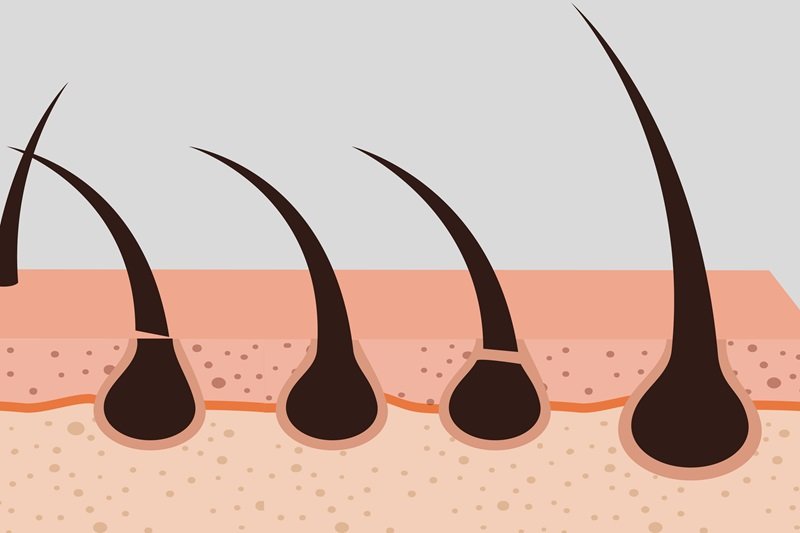
Unlike surgical hair transplantation, which moves follicles from a donor area to areas with thinning hair, non-surgical hair restoration focuses on supporting existing hair or improving scalp coverage without follicle transplantation.
These treatments may be suitable for people with early thinning or certain types of hair loss. Their effectiveness depends on the underlying condition and whether functioning hair follicles remain.
It is important to distinguish between treatments that may encourage hair growth and cosmetic solutions that cover hair loss. Neither category guarantees permanent results, and extensive baldness may require a different approach.
Not sure where to start?
Our specialists will assess your scalp biology, graft capacity, and aesthetic goals to create a hair restoration protocol designed entirely for you — from your first consultation onward.
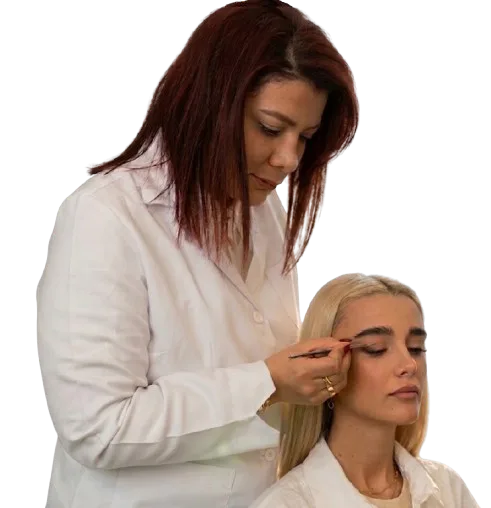
5 Non-Surgical Hair Transplant Alternatives
1. PRP Hair Treatment

Platelet-rich plasma (PRP) therapy uses a concentrated portion of a patient’s blood containing platelets and associated growth factors. After the blood is processed, the prepared plasma is injected into selected areas of the scalp.
PRP is one of the more extensively studied procedural options for androgenetic alopecia, or hereditary pattern hair loss. Research suggests it may improve hair density in some patients, although results vary and treatment protocols are not standardized.
Several sessions may be needed, followed by maintenance treatments. PRP does not transplant follicles or reliably restore hair in completely bald areas.
Learn more about PRP hair treatment at Helia Clinic.
2. Hair Mesotherapy
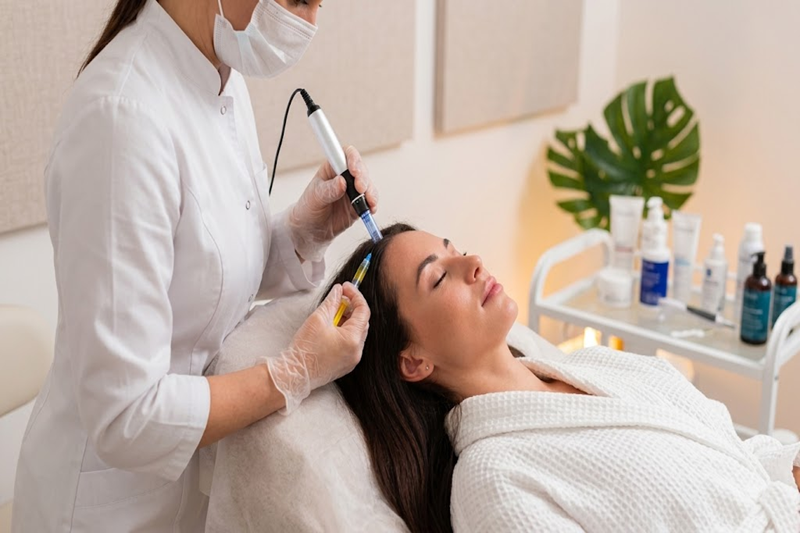
Hair mesotherapy involves injecting selected substances into the scalp. Depending on the protocol, these formulations may contain vitamins or other ingredients intended to support scalp and hair health.
Although mesotherapy is marketed for thinning hair, evidence of its effectiveness remains limited and depends on the ingredients and treatment method. It should not be assumed that every formulation stimulates hair growth or corrects the underlying cause of hair loss.
A medical assessment can help determine whether this procedure is appropriate or whether a better-supported treatment would be more suitable.
Explore hair mesotherapy at Helia Clinic.
3. Exosome Hair Therapy

Exosomes are small extracellular vesicles involved in communication between cells. Researchers are investigating their potential role in hair follicle activity and regenerative medicine.
Early studies have reported promising findings, but the available clinical evidence remains limited. Differences in product sources, preparation methods, and treatment protocols also make it difficult to compare results.
Patients should ask about the specific product, its safety data, regulatory status, and supporting clinical research before considering treatment. Exosome therapy should currently be regarded as an emerging approach rather than an established replacement for conventional hair loss treatments.
Read more about exosome hair therapy at Helia Clinic.
4. G-Cell Hair Treatment

G-Cell is presented by Helia Clinic as a regenerative hair restoration option rather than a conventional procedure that transfers follicles between scalp areas.
When evaluating this type of treatment, patients should understand the biological materials used, the proposed mechanism, and the clinical evidence supporting the procedure. Marketing terms alone do not establish that a treatment can regenerate hair or produce predictable results.
Ask about potential risks, expected outcomes, and how success is measured before proceeding. G-Cell should not be assumed to provide the same results as surgical transplantation.
Discover G-Cell hair treatment at Helia Clinic.
5. Stem Cell-Based Hair Treatments

Stem cell-based approaches are being investigated for their potential to influence cellular signaling and hair follicle activity. However, different treatments marketed under this category may use different techniques and biological materials.
Current evidence is not sufficient to establish stem cell-based procedures as a routine, proven solution for every type of hair loss. Their safety, effectiveness, and regulatory status depend on the specific product and procedure.
Before choosing this option, ask whether the treatment has been evaluated in well-designed human clinical trials and what evidence supports its use for your particular condition.
Learn about stem cell therapy for hair at Helia Clinic.
Medical Treatment vs. Non-Surgical Hair Restoration
Medical treatment may be a more appropriate first step for some people than an injectable or regenerative procedure.
For example, topical minoxidil is an established treatment for certain types of hereditary hair loss. Other prescription medications may be appropriate depending on the diagnosis, sex, medical history, and potential side effects.
According to the American Academy of Dermatology, identifying the cause of hair loss is essential because different conditions require different treatments. Some people may benefit from medication alone, while others may consider PRP or surgical transplantation.
Non-Surgical Hair Restoration vs. Hair Transplant Surgery
| Factor | Non-surgical treatments | Surgical hair transplant |
|---|---|---|
| Main purpose | Support existing hair or manage hair loss | Relocate follicles to thinning areas |
| Procedure | May involve medication or injections | Requires surgery |
| Recovery | Usually shorter, depending on treatment | Requires postoperative recovery |
| Best suited for | Selected cases of thinning or hair loss | Suitable candidates with adequate donor hair |
| Results | Vary by treatment and diagnosis | Depend on donor hair, technique, and individual factors |
| Maintenance | Often necessary | Transplanted hair can be long-lasting, but native hair may continue thinning |
A non-surgical approach may be reasonable for early thinning or when a patient wants to explore medical management first. However, someone with extensive baldness may need a surgical assessment or a cosmetic hair replacement system.
How to Choose the Right Hair Restoration Treatment
The right option depends on the cause and extent of hair loss, not simply which procedure is most popular.
- For early hereditary thinning: Ask a dermatologist about established medical treatments and whether PRP may be appropriate.
- For sudden or unexplained shedding: Investigate possible causes before choosing a cosmetic or regenerative procedure.
- For extensive baldness: Discuss whether surgery or a hair replacement system is more realistic than treatments intended to support existing follicles.
- For emerging treatments: Review the clinical evidence, product safety, regulatory status, and uncertainties before proceeding.
A consultation at Helia Clinic can help you explore its available hair restoration services. Your treatment plan should reflect a medical assessment, realistic expectations, and an informed discussion of alternatives.
Not sure where to start?
Our specialists will assess your scalp biology, graft capacity, and aesthetic goals to create a hair restoration protocol designed entirely for you — from your first consultation onward.
Frequently Asked Questions
Can a non-surgical hair transplant regrow lost hair?
Some treatments may improve hair density or reduce shedding in selected patients. However, results depend on the diagnosis and treatment, and regrowth is not guaranteed.
Which non-surgical hair restoration treatment is best?
There is no universally best option. PRP has more clinical evidence than many emerging regenerative approaches, while medical treatments such as minoxidil are established options for certain types of hair loss. A dermatologist can help identify the most appropriate approach.
How long do non-surgical hair treatments take to work?
Hair growth occurs gradually, so improvement may take several months. The timeline varies by treatment, and some procedures require repeated sessions or maintenance.
Can these treatments replace a hair transplant?
Not always. Non-surgical treatments may help manage thinning, but they do not surgically relocate follicles. People with extensive baldness may need to consider other options.
Are non-surgical hair restoration treatments permanent?
Most should not be assumed to provide permanent results. Hereditary hair loss may continue to progress, and maintenance may be necessary to preserve improvements.
Conclusion
Non-surgical hair restoration offers several options for people who want to manage thinning hair without surgery. PRP, mesotherapy, exosome therapy, G-Cell, and stem cell-based approaches differ in their evidence, potential benefits, and limitations.
The best first step is to identify why your hair is falling out. Established medical treatments may be appropriate for some patients, while others may benefit from PRP or a consultation about surgical transplantation. Emerging regenerative procedures require particular care because their long-term effectiveness is not yet established.
By understanding these differences and discussing realistic outcomes with a qualified medical professional, you can make a more informed decision about the next step in your hair restoration journey.
Related Articles
Continue exploring clinical insights from the Helia Medical Journal.
 Hair Restoration
Female Hair Loss: Causes, Signs & Treatment Options
Table of ContentsWhat Is Female Hair Loss?What Causes Female Hair Loss?What Are the Early Signs of Female Hair Loss?How Is Female Hair Loss Diagnosed?What Are the Treatment Options…
 Hair Restoration
Hair Loss: A Complete Guide to Causes, Types & Treatments
Hair loss is a shared concern for both men and women. In this article, we’ll explore the many factors behind it, from genetic influences to hormonal shifts. We’ll also highlight a range of solutions, from simple home remedies to advanced medical treatments, to help you tackle this common issue. Join us as we uncover the path to healthier, fuller hair!
Comments
Share your questions or clinical experience with our readers.