
Is a Hair Transplant Worth It? Long-Term Cost vs Results Analysis

If you are wondering, “Is a hair transplant worth it?”, the answer depends on more than the upfront cost of the procedure. A hair transplant can provide long-lasting hair restoration, but its value also depends on factors such as the stability of your hair loss, the quality of your donor area, the longevity of the transplanted hair, and whether you may still need medical treatment afterward.
For people comparing a one-time procedure with years of hair-loss medications, the decision can be difficult. This guide looks at the long-term value of a hair transplant, compares the cost of hair transplant vs medications, and considers patient satisfaction rates to help you determine whether the investment makes sense for your individual goals.
Is a Hair Transplant Worth It in the Long Run?

A hair transplant can be worth the investment for someone who is a suitable candidate and wants a long-term solution for areas affected by permanent hair loss. Unlike medications, which generally need to be continued to maintain their effects, transplanted follicles are intended to provide lasting hair growth when taken from a suitable donor area.
However, a hair transplant does not stop the underlying process of hair loss. Existing, non-transplanted hair can continue to thin over time. Hair transplant guidelines therefore emphasize that medical management may still be important after surgery, particularly for people with androgenetic alopecia.
The real value of a transplant therefore depends on whether it can provide a natural-looking, long-term improvement that fits your pattern of hair loss and available donor supply.
Not sure where to start?
Our specialists will assess your scalp biology, graft capacity, and aesthetic goals to create a hair restoration protocol designed entirely for you — from your first consultation onward.

What Determines the Long-Term Value of a Hair Transplant?

Several factors influence the hair transplant lifetime value rather than simply the price paid on the day of surgery.
Longevity of the Transplanted Hair
Hair transplantation moves follicles from a donor area to areas affected by hair loss. In suitable candidates, these transplanted follicles can provide long-term growth.
However, the final outcome depends on appropriate patient selection, donor hair availability, surgical technique, and the progression of hair loss. Evidence-based guidelines note that the best long-term outcomes are generally seen when androgenetic alopecia is medically controlled or naturally stabilized.
The Quality of the Final Result
A successful transplant is not measured only by the number of grafts placed. Hairline design, graft placement, density, direction, and the relationship between the donor and recipient areas all influence how natural the result looks.
The final cosmetic result also takes time to develop and is typically assessed months after surgery, with guidelines noting that it can be evaluated around 9–12 months.
Whether Further Hair Loss Continues
A transplant restores hair in selected areas but does not necessarily prevent future thinning of existing, non-transplanted hair. If native hair continues to recede, additional treatment or another procedure may eventually be considered.
Hair Transplant Cost vs Medications: Which Is More Cost-Effective?
When comparing the cost of hair transplant vs medications, the biggest difference is how the expenses are distributed over time.
A hair transplant usually involves a larger upfront cost. Medications such as minoxidil or finasteride, where appropriate, generally involve smaller but recurring expenses because treatment may need to continue for as long as it remains effective and appropriate.
This makes a simple price comparison misleading.
| Factor | Hair Transplant | Hair-Loss Medication |
|---|---|---|
| Cost structure | Higher upfront cost | Usually recurring cost |
| Treatment duration | Procedure-based | Often long-term |
| Requires ongoing use? | Not to maintain transplanted follicles themselves | Usually needed to maintain benefits |
| Addresses existing hair loss | Yes, in selected areas | Can help manage ongoing hair loss |
| Prevents future hair loss | No | Can help slow or manage progression |
| Suitable for everyone | No | Depends on medication and individual factors |
Importantly, these treatments are not always alternatives. Medical treatment may also be recommended alongside or after transplantation to help protect existing, non-transplanted hair.
What Is the Patient Satisfaction Rate After a Hair Transplant?

A systematic review and meta-analysis of surgical hair restoration found high reported satisfaction rates among patients with both nonscarring and scarring alopecia, although outcomes varied according to the patient population and transplantation technique. In nonscarring alopecia, pooled satisfaction was approximately 90% for micrografts and 97% for combined micrograft and minigraft procedures in the studies analyzed.
These numbers are encouraging, but they should not be interpreted as a guarantee for every patient. Satisfaction can be affected by expectations, the extent of hair loss, donor supply, the quality of the result, and whether the patient’s goals were realistic.
When Is a Hair Transplant Not Worth It?
A hair transplant may not be the right investment if:
- Your hair loss is still rapidly progressing.
- You do not have enough suitable donor hair.
- You expect your original hair density to be completely restored.
- You are unwilling to consider ongoing management of non-transplanted hair.
- Your expectations are unrealistic.
- Your type of hair loss is not appropriate for transplantation.
Guidelines specifically emphasize adequate donor hair and appropriate patient selection. Unrealistic expectations are also considered an important contraindication to aesthetic hair surgery.
In these situations, treating or stabilizing the underlying hair-loss condition first may be a better approach than proceeding directly to surgery.
Not sure where to start?
Our specialists will assess your scalp biology, graft capacity, and aesthetic goals to create a hair restoration protocol designed entirely for you — from your first consultation onward.
Who Is Most Likely to Find a Hair Transplant Worth It?
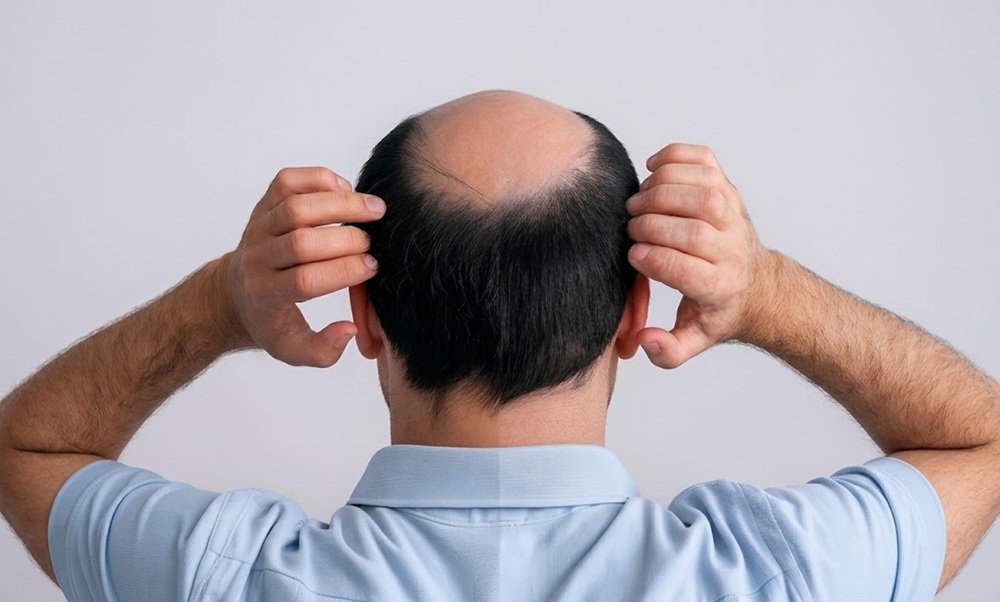
A hair transplant is more likely to be a worthwhile investment for someone who:
- Has a stable or appropriately managed pattern of hair loss.
- Has sufficient healthy donor hair.
- Understands that transplanted hair does not prevent further loss of native hair.
- Has realistic expectations about density and the final appearance.
Conclusion
Is a hair transplant worth it? For the right candidate, it can be a worthwhile long-term investment. A successful transplant can provide lasting growth from transplanted follicles, but its value depends on more than the initial cost.
Donor hair availability, hair-loss stability, realistic expectations, and the potential need to manage existing hair all influence the long-term result. Because every case is different, a professional assessment can help determine whether a hair transplant is an appropriate and worthwhile option for you.
Frequently Asked Questions
Is a hair transplant worth the money?
For suitable candidates, a hair transplant can be worth the investment because transplanted follicles can provide long-term hair growth. However, the value depends on factors such as donor hair availability, hair-loss stability, realistic expectations, and the quality of the expected result.
How long do hair transplant results last?
Transplanted hair is generally intended to provide long-lasting growth when follicles are taken from an appropriate donor area. However, existing non-transplanted hair may continue to thin, so some patients may still need ongoing hair-loss management.
Is a hair transplant cheaper than taking hair-loss medication?
The answer depends on how long medication is used and the type of treatment. A transplant usually has a higher upfront cost, while medications can involve recurring expenses over many years. The two approaches may also be used together rather than as direct alternatives.
Does a hair transplant stop future hair loss?
No. A hair transplant restores hair in selected areas but does not necessarily stop the progression of hair loss in your existing, non-transplanted hair. Medical treatment may be recommended when appropriate to help manage ongoing hair loss.
Related Articles
Continue exploring clinical insights from the Helia Medical Journal.
 Patient Guides
When Can You Swim After a Hair Transplant?
Table of ContentsHow Long Should You Wait to Swim After a Hair Transplant?Is It Safe to Swim in a Pool or the Sea After a Hair Transplant?Swimming in…
 Patient Guides
10 Questions to Ask Before Choosing a Hair Transplant Clinic
Table of Contents10 Critical Questions to Ask Before Choosing a Hair Transplant Clinic in Dubai1. Is the Hair Transplant Performed by a Qualified Hair Surgeon?2. Is the Doctor…
 Patient Guides
Vitamins After Hair Transplant: What Should You Take?
Starting with a hair transplant is a fantastic first step, but enhancing and maintaining those results is key to long-term success. In this exploration, we’ll introduce you to a range of hair-strengthening solutions from nourishing vitamins and growth supplements like Phyto to revitalizing ampoules and specialized sprays. Discover all the ways you can boost your hair’s health and achieve the vibrant, lasting results you’ve been dreaming of.
Comments
Share your questions or clinical experience with our readers.