
Hair Transplant on Scars: Restoring Hair in Scarred Areas
Did you know that hair transplantation can bring new life to scars and damaged areas? In this article, we’ll explore how hair restoration techniques work on wounds, burns, and other scarred areas. Join us as we uncover innovative and effective methods designed to help you achieve fuller, natural-looking hair in challenging conditions. Stay with us to discover how these advanced techniques can make a difference for you.



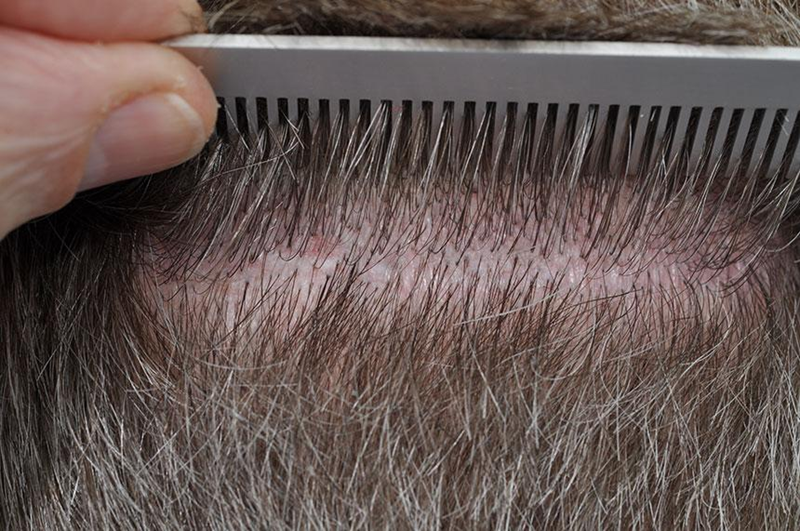
Scars on the scalp caused by injuries, burns, or surgery can permanently damage hair follicles, leaving visible areas without hair. Hair transplantation may help restore coverage by placing healthy follicles into suitable scar tissue.
However, reduced blood circulation and changes in skin structure can make the procedure more challenging than conventional hair restoration. The type, condition, and size of the scar all influence whether treatment is suitable.
Can You Get a Hair Transplant on Scar Tissue?
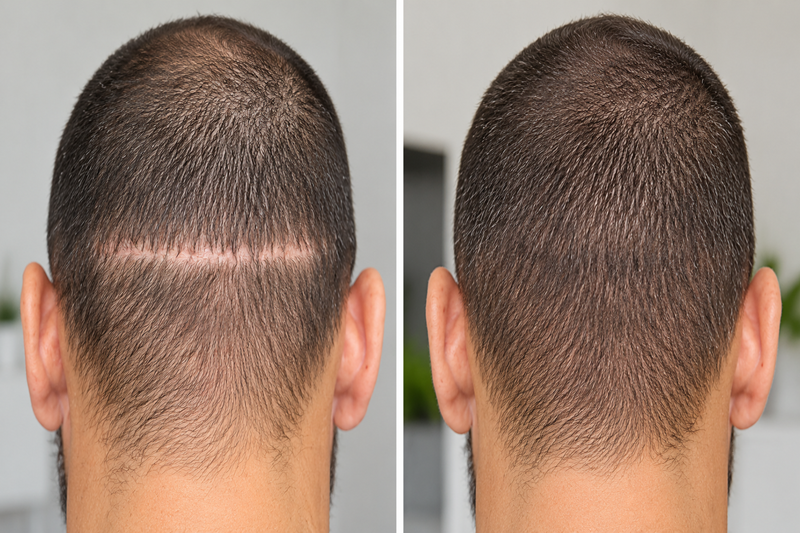
Yes, hair transplantation can be performed on certain types of scar tissue. The procedure involves extracting healthy hair follicles, usually from the back or sides of the scalp, and implanting them into the affected area.
However, scar tissue does not always provide the same conditions as healthy scalp skin. Reduced blood supply and changes in tissue structure can make it harder for transplanted follicles to survive.
A specialist should evaluate the scar before recommending treatment. Factors such as tissue thickness, blood circulation, skin flexibility, and the stability of the affected area help determine whether transplantation is suitable.
Not sure where to start?
Our specialists will assess your scalp biology, graft capacity, and aesthetic goals to create a hair restoration protocol designed entirely for you — from your first consultation onward.
What Types of Scars Can Be Treated with Hair Transplants?
Hair transplantation may be considered for different types of scars that cause permanent hair loss. However, suitability varies depending on how the scar developed and how much damage it caused to the surrounding tissue.
| Type of Scar | Common Cause | Hair Transplant Suitability |
|---|---|---|
| Surgical scars | Previous scalp surgery or procedures | Often suitable if the scar is fully healed and stable |
| Burn scars | Thermal or chemical injuries | May be suitable depending on tissue condition and blood supply |
| Traumatic scars | Cuts, accidents, and physical injuries | Can be considered when the affected tissue supports graft survival |
| Scarring alopecia | Inflammatory scalp conditions | Requires disease control and careful medical assessment |
Surgical Scars
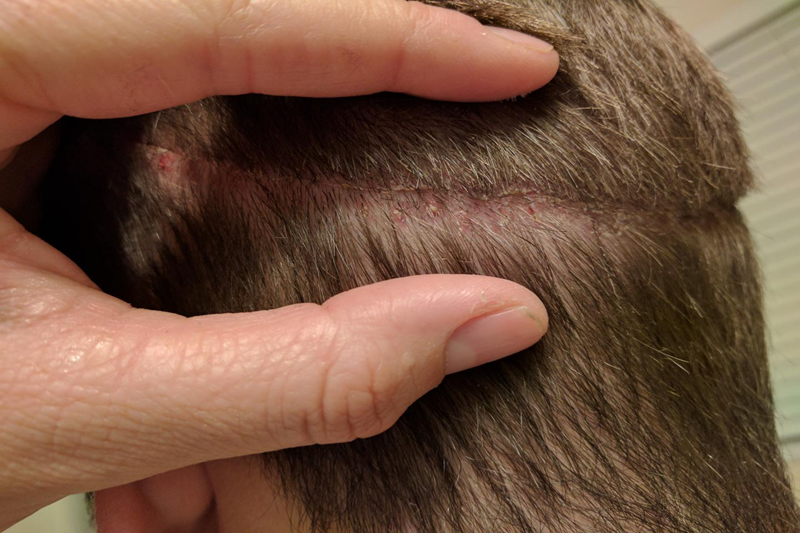
Scalp surgeries can leave visible linear scars where natural hair no longer grows. Hair transplantation may help cover these areas by placing individual follicular units into the scar tissue.
This approach can be considered after previous scalp procedures, including hair restoration surgeries that have left noticeable donor-area scars.
Burn and Injury Scars
Burns and physical injuries can destroy hair follicles and damage the surrounding skin. Depending on the severity of the injury, the resulting scar may be thick, tight, or irregular.
Hair transplantation can improve hair coverage in selected cases, but severe tissue damage may require additional reconstructive treatment before transplantation is considered.
Scarring Alopecia
Scarring alopecia is different from hair loss caused by external injuries. It develops when inflammation damages hair follicles and replaces them with scar tissue.
Hair transplantation is generally considered only when the underlying condition is inactive and stable. Active inflammation can damage newly transplanted follicles and compromise the results.
How Does Hair Transplantation on Scars Work?
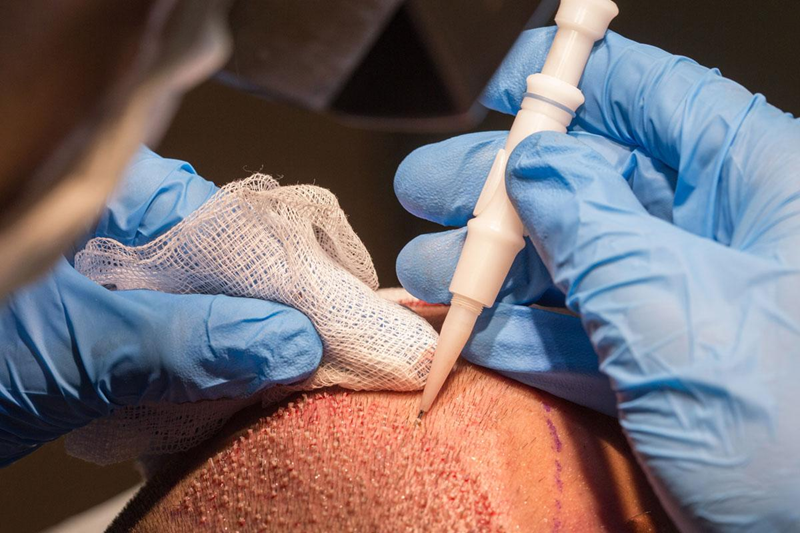
Hair transplantation on scar tissue follows the same basic principles as conventional hair restoration, but the recipient area requires additional attention.
The procedure generally involves three main stages:
1. Donor Area Assessment and Hair Extraction
The specialist evaluates the donor area to determine whether enough healthy follicles are available. Follicular Unit Extraction (FUE) is commonly used to collect individual follicular units from the back or sides of the scalp.
2. Recipient Area Preparation
The scar is examined to identify suitable implantation sites. Because scar tissue can be firm or less flexible, creating recipient openings requires careful control of depth, direction, and spacing.
3. Graft Implantation
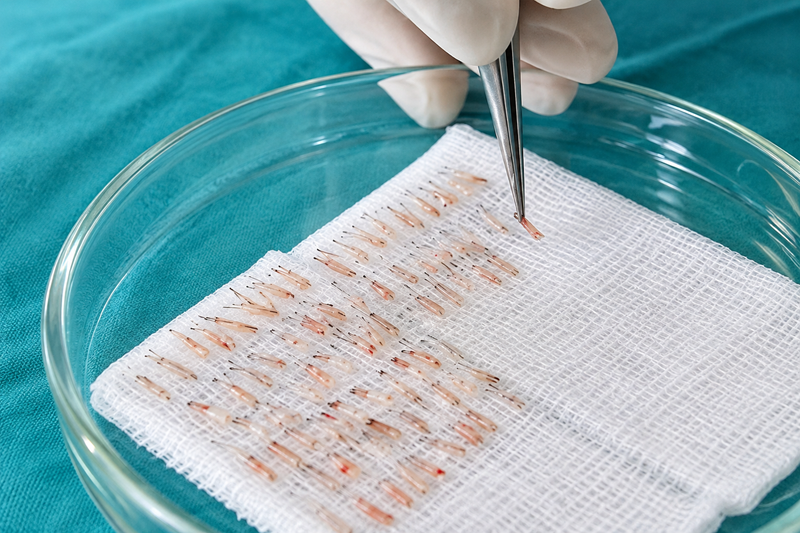
The extracted follicles are placed into the prepared sites. The implantation technique must account for the scar’s structure and blood supply to support graft survival.
Some patients may require staged procedures rather than receiving all the necessary grafts in one session.
What Factors Affect Hair Transplant Results on Scars?
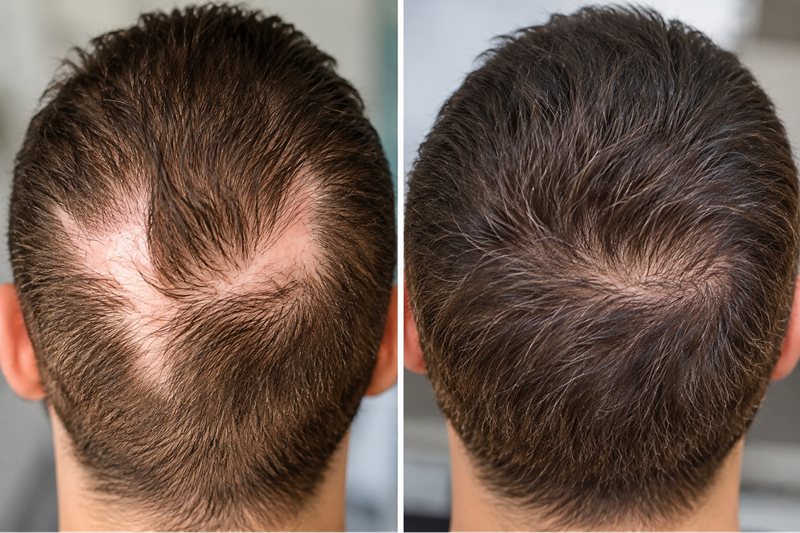
The outcome of hair transplantation on scar tissue depends on several clinical factors. Unlike healthy scalp skin, scar tissue can have structural and vascular limitations that influence how well transplanted follicles establish themselves.
Blood Circulation
Hair follicles need oxygen and nutrients supplied through the surrounding blood vessels. Scar tissue may have reduced vascularity, which can limit the survival of newly implanted grafts.
Scar Thickness and Flexibility
Thick, firm, or poorly flexible scars can make graft placement more difficult. The condition of the tissue also affects how recipient sites heal after implantation.
Donor Hair Quality and Availability
The number and quality of available donor follicles influence the treatment plan. Large scars may require more grafts than the donor area can safely provide in one session.
Stability of the Underlying Condition
Patients with scarring alopecia need particular attention. The inflammatory condition must be controlled before surgery because disease recurrence can damage transplanted follicles.
What Does Research Say About Hair Transplants on Scars?
Clinical research suggests that hair transplantation can improve hair coverage in selected patients with scalp scars, although results are not equally predictable for everyone.
A 2019 study published in BioMed Research International evaluated 15 patients with postsurgical scalp scars who underwent follicular unit hair transplantation. At the 12-month follow-up, the researchers reported a mean graft survival rate of 80.67%, with individual results ranging from 70% to 90%.
Although these findings support the potential of hair transplantation for postsurgical scars, the study involved a small group of patients. Its results should not be interpreted as a guaranteed survival rate for other scar types or individual cases.
Patients can review the original research, Treatment of Postsurgical Scalp Scar Deformity Using Follicular Unit Hair Transplantation, for further scientific details.
How Long Does It Take to See Hair Transplant Results on Scars?
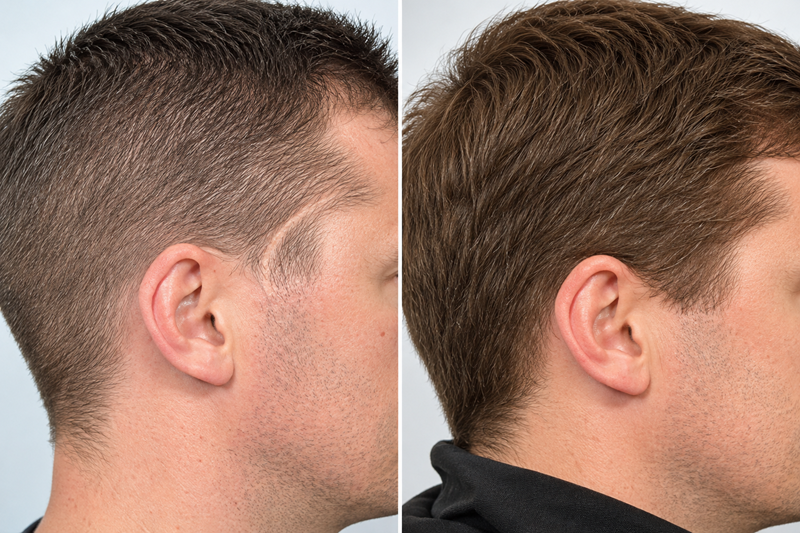
Hair growth after transplantation takes time, and the recovery process may vary depending on the condition of the recipient tissue.
- First 1–2 weeks: Small scabs, redness, and mild swelling may develop around the implanted follicles.
- First 1–3 months: Transplanted hairs commonly shed as part of the normal post-transplant growth cycle.
- 3–6 months: Early new hair growth may become visible.
- 6–12 months: Hair coverage and density gradually develop.
- After 12 months: The overall cosmetic outcome can be assessed more accurately.
Scar tissue may respond differently from healthy scalp skin, so additional treatment sessions may be necessary to improve coverage.
How to Choose the Right Hair Transplant Clinic
Choosing an experienced clinic is important when considering hair transplantation on scar tissue. These procedures require careful patient selection and an individualised approach.
Before treatment, consider the following factors:
- Experience with scar restoration: Look for a clinic familiar with treating hair loss caused by injuries, burns, and previous surgeries.
- Detailed scalp assessment: The specialist should examine the scar’s thickness, blood supply, and healing condition.
- Donor hair evaluation: A proper assessment helps determine how many grafts can be safely extracted.
- Realistic expectations: The treatment plan should explain possible limitations, expected coverage, and the potential need for additional sessions.
- Postoperative care: Clear aftercare instructions help patients protect the treated area during recovery.
Patients exploring hair restoration options can also learn more about Hair Transplant in Dubai and the available treatment approaches.
Not sure where to start?
Our specialists will assess your scalp biology, graft capacity, and aesthetic goals to create a hair restoration protocol designed entirely for you — from your first consultation onward.
Frequently Asked Questions
Can hair grow naturally on scar tissue?
Hair generally cannot grow in mature scars where the original hair follicles have been permanently destroyed. Hair transplantation may restore coverage if the scar is suitable for receiving new follicles.
Can you get a hair transplant over a burn scar?
Yes, selected burn scars can be treated with hair transplantation. However, the affected tissue must be fully healed and have sufficient blood circulation to support transplanted follicles.
Does a hair transplant remove the scar?
No. Hair transplantation adds new follicles to the affected area to improve hair coverage. It does not remove scar tissue or completely change its texture.
Is FUE suitable for hair transplants on scars?
FUE is commonly used to extract individual hair follicles for scar restoration. However, implanting grafts into scar tissue requires additional care because the recipient skin may have reduced flexibility and blood circulation.
How many sessions are needed for hair transplantation on scars?
The number of sessions depends on the scar’s size, tissue condition, donor hair availability, and graft survival. Smaller scars may need only one session, while larger areas may require multiple procedures.
Are hair transplant results on scars permanent?
Successfully established transplanted follicles can produce long-term hair growth. However, results depend on graft survival, the underlying cause of hair loss, and the condition of the recipient tissue. Patients with scarring alopecia also need to consider the possibility of disease recurrence.
Conclusion
Hair transplants on scars can help restore hair coverage in areas affected by injuries, burns, or previous surgeries. However, successful treatment depends on the condition of the scar, its blood supply, and the availability of healthy donor follicles. A thorough assessment by an experienced hair restoration specialist is essential to determine whether the procedure is suitable and set realistic expectations.
Related Articles
Continue exploring clinical insights from the Helia Medical Journal.
 Hair Restoration & Hair Transplant
PRP vs G-Cell vs Exosomes: Which One Really Works?
Table of ContentsWhat Are PRP, G-Cell, and Exosome Hair Treatments?PRP Hair TreatmentG-Cell Hair TreatmentExosome Hair TreatmentPRP vs G-Cell vs Exosomes: Key DifferencesPRP vs G-Cell vs Exosomes: Which Is…
 Hair Restoration & Hair Transplant
Donor Hair From Another Person: Is It Possible?
Table of ContentsCan Someone Else Donate Hair for Transplant?Why Immune Rejection HappensThe Immunology of AllograftsSynthetic Biofibre Hair RisksFDA Warnings on Synthetic FibersPotential Complications of Synthetic Hair ImplantsSafe Biological…
 Hair Restoration & Hair Transplant
Do Hair Transplants Last Forever? Which Method Lasts Longest?
Table of ContentsDo Hair Transplants Last Forever?Which Hair Transplant Method Lasts the Longest?FUE Hair TransplantFUT Hair TransplantDoes FUE Hair Transplant Last Forever?Do Hair Plugs Last Forever?What Can Affect…
Comments
Share your questions or clinical experience with our readers.