
Hair Transplant Recovery Day by Day: The First 14 Days
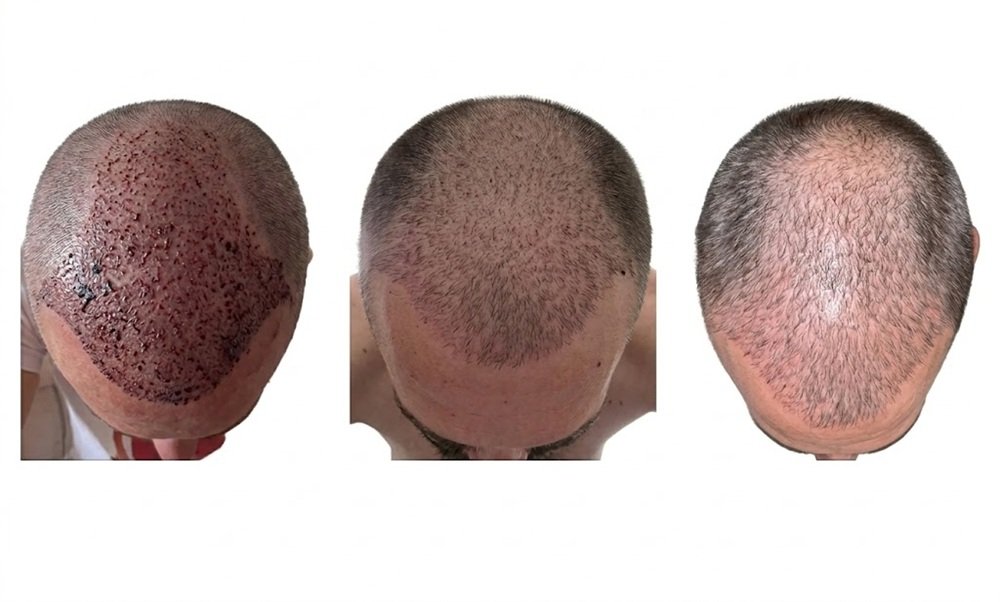
Recovering from a hair transplant requires careful aftercare, especially during the first two weeks. From swelling and crusting to scalp washing and activity restrictions, knowing what to expect can help you protect newly transplanted grafts and support proper healing.
This guide covers the first 14 days of hair transplant recovery, essential do’s and don’ts, and warning signs that require medical attention.
Hair Transplant Recovery Day by Day: 14-Day Calendar
Recovery varies depending on the transplant technique, individual healing, and your surgeon’s instructions. The following timeline provides a general overview.
| Day | What to Expect | Recommended Care |
|---|---|---|
| Day 1 | Mild redness, tenderness, and possible swelling. | Protect grafts and follow your clinic’s aftercare instructions. |
| Day 2 | Forehead or eyelid swelling may develop. | Sleep with your head elevated if recommended. Avoid touching grafts. |
| Day 3 | Swelling may continue, while scalp tightness or discomfort can remain. | Continue prescribed medication and approved scalp care. |
| Day 4 | Small crusts may become visible around the grafts. | Follow your clinic’s washing instructions. Avoid scratching. |
| Day 5 | Redness and crusting may still be present. | Keep the scalp clean using the recommended technique. |
| Day 6 | Early healing continues, although the scalp may remain sensitive. | Avoid friction, pressure, and strenuous physical activity. |
| Day 7 | The first week is complete, but the scalp is still healing. | Continue gentle aftercare and protect the transplanted area. |
| Day 8 | Crusts may begin loosening with appropriate care. | Never pick or forcibly remove scabs. |
| Day 9 | Itching, dryness, or mild redness may persist. | Continue approved washing and avoid scratching. |
| Day 10 | Scalp discomfort may gradually improve. | Follow your surgeon’s instructions regarding activity and cleansing. |
| Day 11 | Crusting and redness may begin to decrease. | Maintain scalp hygiene without rubbing the grafts. |
| Day 12 | Early healing progresses, but sensitivity may remain. | Continue aftercare and avoid irritating products. |
| Day 13 | The scalp may look and feel more comfortable. | Protect healing skin from direct sun exposure. |
| Day 14 | The first two weeks are complete, but full recovery continues. | Confirm any changes to your aftercare routine with your clinic. |
This calendar is a general guide. Your surgeon’s instructions take priority.
Not sure where to start?
Our specialists will assess your scalp biology, graft capacity, and aesthetic goals to create a hair restoration protocol designed entirely for you — from your first consultation onward.
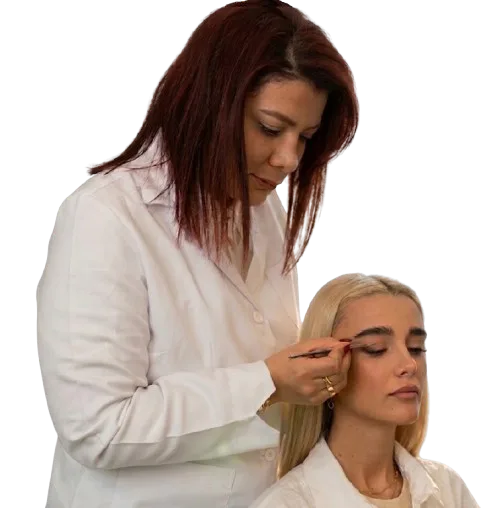
Days 1–3: Protect the Transplanted Grafts
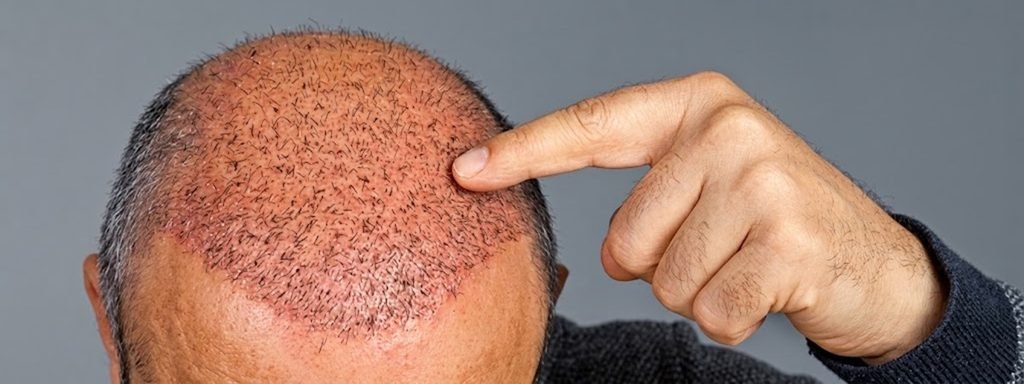
The first three days focus on protecting the newly implanted grafts and managing early swelling or discomfort.
Do’s
- Follow your surgeon’s post-operative instructions.
- Take prescribed medication as directed.
- Sleep in the recommended position.
- Avoid touching, rubbing, or scratching the recipient area.
- Follow your clinic’s instructions for saline spray and washing.
Don’ts
- Do not press the transplanted area against a pillow.
- Avoid strenuous exercise and heavy lifting.
- Do not apply unapproved products to the scalp.
- Avoid scratching or repeatedly touching the grafts.
Swelling around the forehead or eyes can occur after surgery. Contact your clinic if swelling becomes severe or is accompanied by concerning symptoms.
Days 4–7: Washing and Crusting
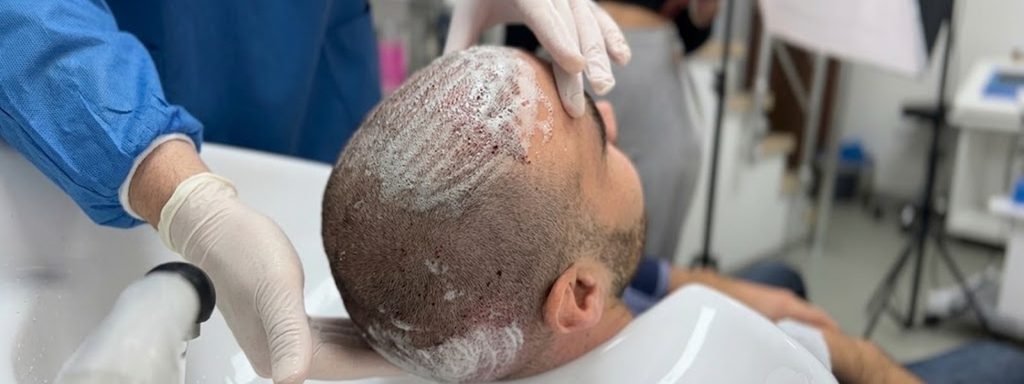
During the first week, crusts may form around transplanted follicles. Mild itching, redness, and scalp sensitivity are also possible.
How to Care for Your Scalp
- Wash your scalp according to your clinic’s instructions.
- Use only approved products.
- Avoid rubbing or scratching the recipient area.
- Do not pick or forcibly remove crusts.
- Avoid swimming, saunas, and strenuous exercise until your surgeon permits them.
When can you wash your hair?
The timing and method of washing depend on your procedure and clinic protocol. Follow the specific instructions provided by your surgeon rather than applying a universal schedule.
Days 8–10: Managing Scabs and Itching
During this stage, some patients notice less swelling and discomfort. Crusting may begin to loosen through the recommended washing routine.
Itching can occur during healing, but scratching the recipient area may damage the skin or interfere with recovery.
What to Do
- Continue gentle scalp cleansing as instructed.
- Avoid picking at crusts.
- Protect the scalp from friction.
- Follow your surgeon’s advice about exercise and daily activities.
- Contact your clinic if symptoms worsen instead of improving.
The scalp’s appearance during this stage does not indicate the final hair transplant result. Temporary shedding may occur in the weeks following surgery.
Days 11–14: Completing the First Two Weeks
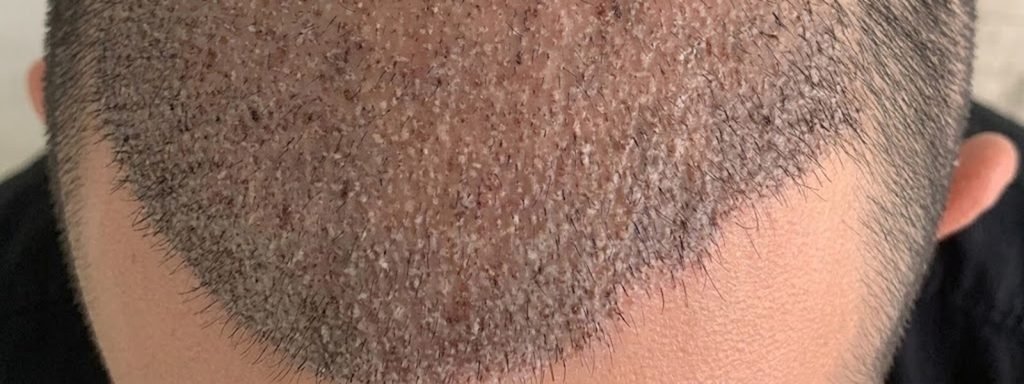
By the end of the second week, early healing may be progressing, although the scalp can still be sensitive.
Continue your approved aftercare routine and ask your surgeon when you can safely resume activities such as strenuous exercise, swimming, and wearing helmets.
Important: Completing 14 days does not mean that every patient has fully healed. Recovery continues beyond the initial two weeks.
Hair Transplant Recovery Do’s and Don’ts Checklist
Do’s
- Follow your surgeon’s aftercare instructions.
- Take prescribed medication as directed.
- Wash your scalp using the approved technique.
- Protect transplanted grafts from friction and pressure.
- Attend scheduled follow-up appointments.
- Rest adequately and maintain normal hydration.
Don’ts
- Do not scratch or pick the recipient area.
- Do not remove scabs forcefully.
- Avoid strenuous exercise until cleared.
- Do not use unapproved scalp products.
- Avoid excessive sun exposure during healing.
- Do not ignore worsening or unusual symptoms.
Critical Warning Signs After a Hair Transplant
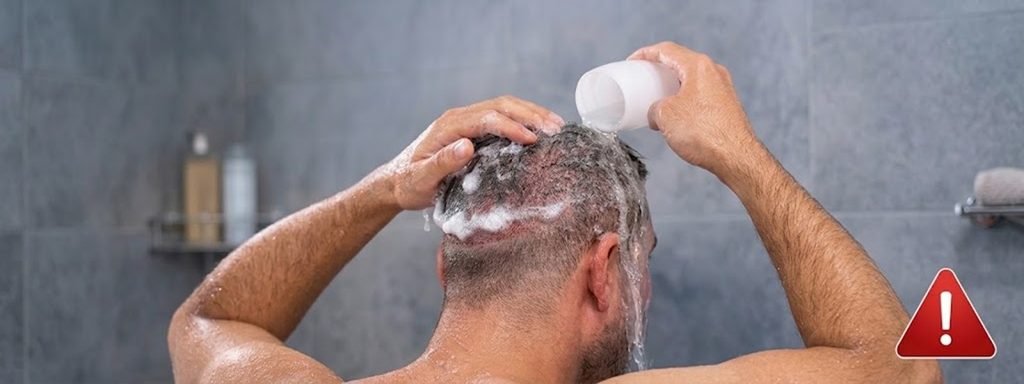
Some redness, swelling, and discomfort may be part of normal recovery. However, certain symptoms require prompt medical assessment.
Contact Your Hair Transplant Clinic If You Experience:
- Increasing or severe scalp pain.
- Worsening redness or swelling.
- Pus or unusual discharge.
- Persistent fever.
- Excessive bleeding.
- Sudden or significant swelling.
- Any unexpected symptoms that concern you.
Seek urgent medical care for severe symptoms or signs of a serious infection. Do not wait for your next routine appointment.
Not sure where to start?
Our specialists will assess your scalp biology, graft capacity, and aesthetic goals to create a hair restoration protocol designed entirely for you — from your first consultation onward.
When Are Hair Transplant Grafts Secure?
Newly transplanted grafts require careful protection during the early healing period. The risk of disturbing grafts decreases as healing progresses, but the exact timeline depends on the procedure and individual recovery.
Follow your surgeon’s instructions regarding:
- Washing and scalp massage.
- Sleeping positions.
- Exercise and heavy lifting.
- Hats and helmets.
- Swimming and other activities that may affect the healing scalp.
Frequently Asked Questions
1. How long does hair transplant recovery take?
The initial healing period generally focuses on the first two weeks, but complete scalp recovery and visible hair growth take longer. Most patients need several months before seeing substantial growth, and final results may take 12 months or more, depending on the individual.
2. When can I wash my hair after a hair transplant?
The timing varies depending on the transplant technique and your surgeon’s protocol. Follow your clinic’s specific washing instructions to avoid disturbing the grafts.
3. Is swelling normal after a hair transplant?
Mild swelling can occur during the early recovery period, particularly around the forehead. Severe, worsening, or unexpected swelling should be reported to your medical team.
4. When can I exercise after a hair transplant?
The recommended timeline varies depending on the procedure and your surgeon’s instructions. Avoid strenuous exercise until you receive clearance, as physical activity and sweating may affect early recovery.
5. Does transplanted hair fall out after surgery?
Temporary shedding of transplanted hair can occur during the weeks following surgery. New hair growth develops later, and the final result takes time to become visible.
Conclusion
Following a hair transplant recovery day by day helps you understand the healing process and protect your newly transplanted grafts. During the first 14 days, focus on gentle scalp care, follow your surgeon’s instructions, and recognize warning signs that require medical attention.
If you are considering a hair transplant, consulting an experienced hair restoration team can help you understand the procedure, recovery timeline, and personalized aftercare recommendations.
Related Articles
Continue exploring clinical insights from the Helia Medical Journal.
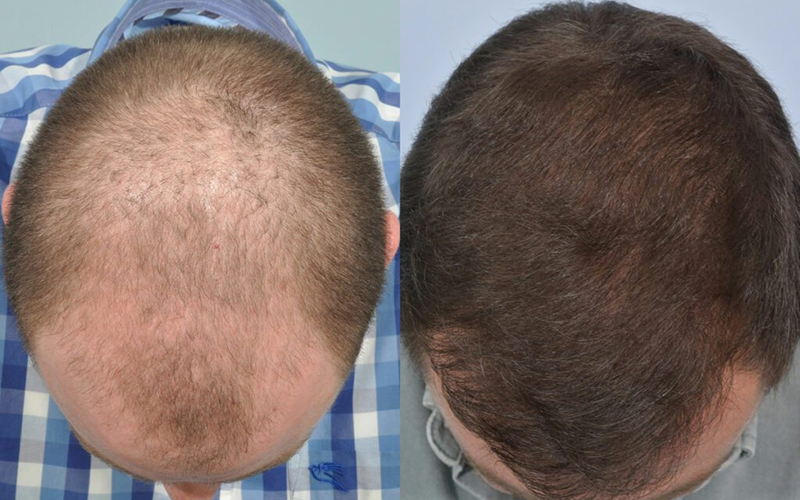 Hair Restoration & Hair Transplant
Do Hair Transplants Last Forever? Which Method Lasts Longest?
Table of ContentsDo Hair Transplants Last Forever?Which Hair Transplant Method Lasts the Longest?FUE Hair TransplantFUT Hair TransplantDoes FUE Hair Transplant Last Forever?Do Hair Plugs Last Forever?What Can Affect…
 Hair Restoration & Hair Transplant
Hair Transplant Expectations: What’s Real and What’s Not?
Table of ContentsWhat Can You Realistically Expect From a Hair Transplant?Hair Transplant Expectations: Myth vs. RealityMyth 1: A Hair Transplant Guarantees a Full Head of HairMyth 2: Results…
 Hair Restoration & Hair Transplant
Wearing Hat After Hair Transplant: When Is It Safe?
Table of ContentsCan You Wear a Hat After Hair Transplant?Timeline for Wearing HatsWhat Type of Hat Is Best After a Hair Transplant?Can Wearing a Hat Dislodge Hair Transplant…
Comments
Share your questions or clinical experience with our readers.