
Hair Transplant for Women: Restore Hair Naturally
Hair transplantation isn’t just for men—women can enjoy its benefits too, all without the need to shave their heads! This powerful technique can reshape hairlines and refresh your look beautifully. In this article, we’ll highlight how hair transplantation differs between men and women and break down the precise methods used to achieve stunning results for both.

Hair loss in women can lead to reduced hair density, a widening part, or changes in the frontal hairline. Genetics, hormonal changes, medical conditions, and repeated tension from hairstyles can all contribute to thinning. For women with permanent hair loss, a hair transplant for women may offer a long-term option for restoring coverage in selected areas.
Modern hair transplantation moves individual hair follicles from a donor area to areas affected by hair loss. However, surgery is not suitable for every type of thinning. Identifying the cause of hair loss, assessing the scalp, and evaluating donor hair availability are essential steps before choosing a treatment. Source: American Academy of Dermatology
What Is a Hair Transplant for Women?
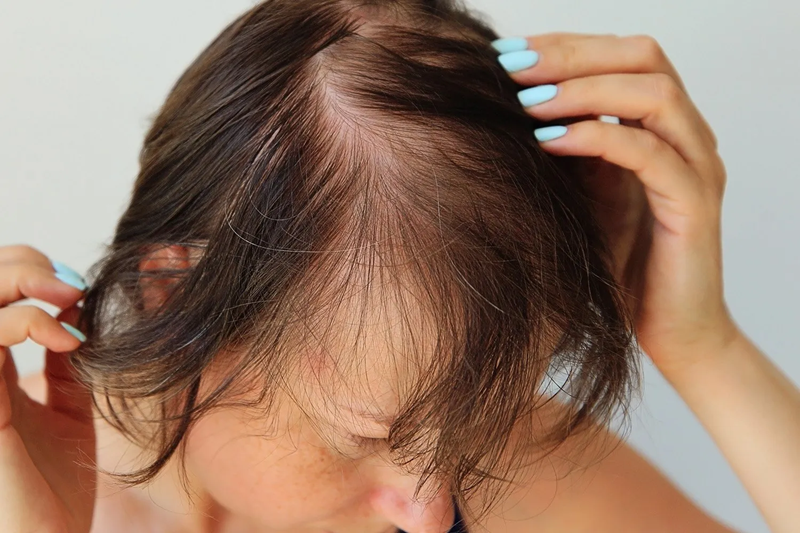
A hair transplant is a surgical procedure that relocates healthy hair follicles, usually from the back or sides of the scalp, to areas with reduced hair density. Once established, transplanted follicles can continue producing hair over the long term.
Women may experience diffuse thinning across the top of the scalp rather than clearly defined bald patches. This can make treatment planning more complex because existing hair must be protected while additional follicles are placed.
At Helia Clinic’s female hair transplant service, treatment planning considers the pattern of hair loss, donor hair availability, existing density, and individual restoration goals.
Not sure where to start?
Our specialists will assess your scalp biology, graft capacity, and aesthetic goals to create a hair restoration protocol designed entirely for you — from your first consultation onward.
What Causes Hair Loss in Women?
Understanding the cause of hair loss helps determine whether transplantation or another treatment is appropriate.
- Female pattern hair loss: This hereditary condition often causes gradual thinning around the crown and widening of the central part. It can progress over time without appropriate management.
- Hormonal changes: Pregnancy, childbirth, menopause, and certain hormonal disorders may affect the hair growth cycle.
- Medical conditions and nutritional deficiencies: Thyroid disorders, iron deficiency, and other health issues can contribute to shedding. Treating the underlying cause may improve hair growth.
- Traction alopecia: Repeated pulling from tight hairstyles, braids, or extensions can damage follicles and sometimes cause permanent hair loss.
A dermatologist may recommend a scalp examination, blood tests, or other investigations depending on the symptoms. This is important because temporary shedding and progressive follicular loss require different approaches.
Who Is a Good Candidate for a Hair Transplant?
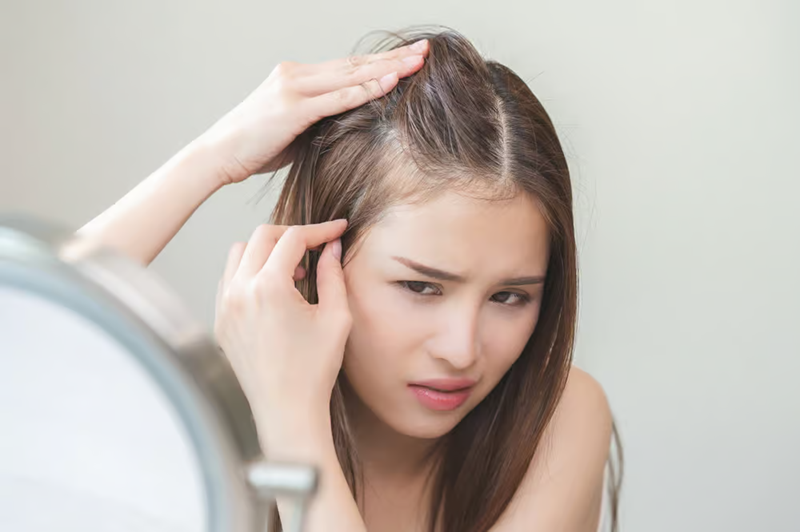
Not every woman experiencing hair thinning is a suitable candidate for surgery. A specialist should assess the condition of the scalp, the stability and pattern of hair loss, and the quantity of healthy donor hair.
A hair transplant may be considered for women who:
- Have permanent hair loss affecting specific areas.
- Have sufficient healthy donor follicles for transplantation.
- Have a scalp condition suitable for surgery.
- Understand the expected results and limitations of treatment.
Women with widespread thinning across the scalp may not have enough suitable donor hair. Those experiencing active shedding or an untreated medical condition may need further investigation or treatment before surgery.
A thorough consultation helps establish whether transplantation is appropriate and whether medical treatment should be considered first.
Which Hair Transplant Techniques Are Suitable for Women?
The appropriate technique depends on the treatment area, donor hair characteristics, existing hair density, and desired outcome. FUE and DHI are two established approaches used in modern hair restoration.
| Technique | How it works | Key consideration |
|---|---|---|
| FUE | Individual follicular units are extracted and implanted into the recipient area. | Suitable for various patterns of hair loss when donor hair is adequate. |
| DHI | Extracted follicles are implanted using a specialized implanter. | Allows detailed control of graft placement and direction. |
| Unshaven transplant | Hair restoration is performed while preserving most of the existing hair length. | Feasibility depends on the number of grafts and individual hair characteristics. |
FUE Hair Transplant
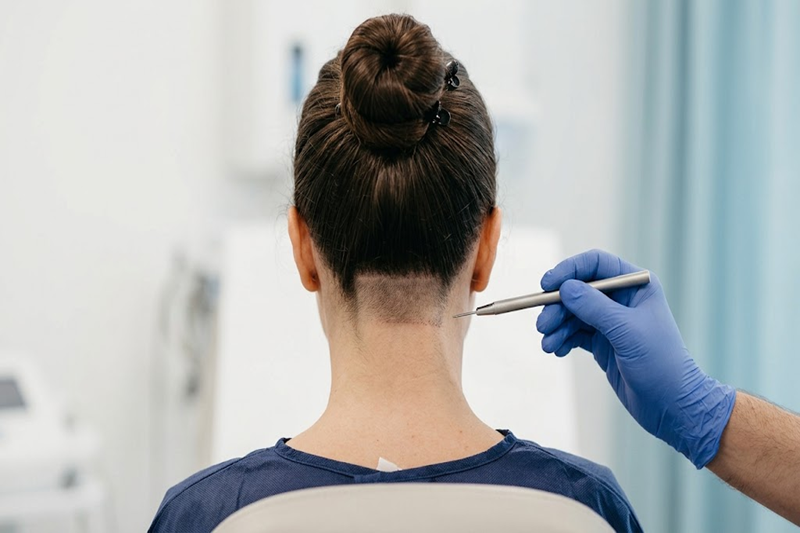
FUE hair transplant involves extracting individual follicular units rather than removing a strip of scalp. The follicles are then placed in areas requiring additional coverage.
This technique may be suitable for women with localized thinning or specific areas of permanent hair loss. The treatment plan must account for donor hair limitations and the need to preserve surrounding follicles.
DHI Hair Transplant
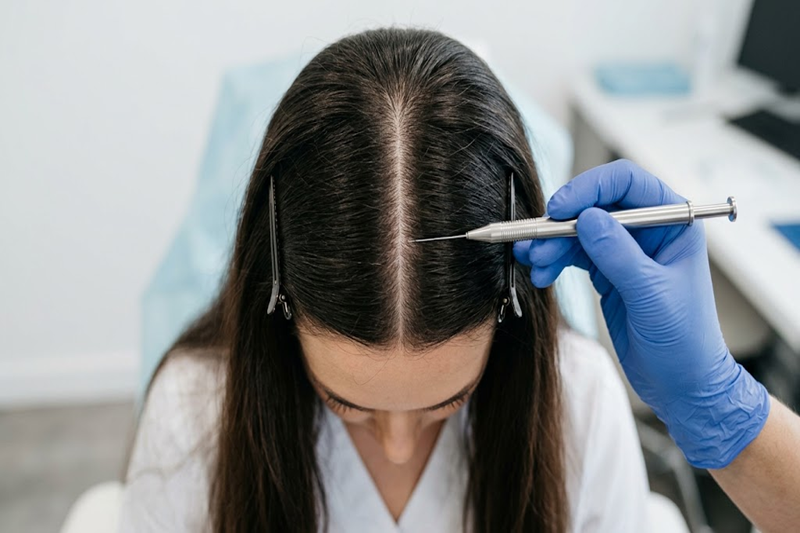
Direct Hair Implantation (DHI) uses a specialized implanter to place extracted follicles into the recipient area. It allows the medical team to control the angle, direction, and distribution of the grafts.
DHI may be considered when detailed placement is important, particularly around selected hairline areas. The technique itself does not guarantee better results for every patient; suitability depends on the individual assessment.
Unshaven Hair Transplant
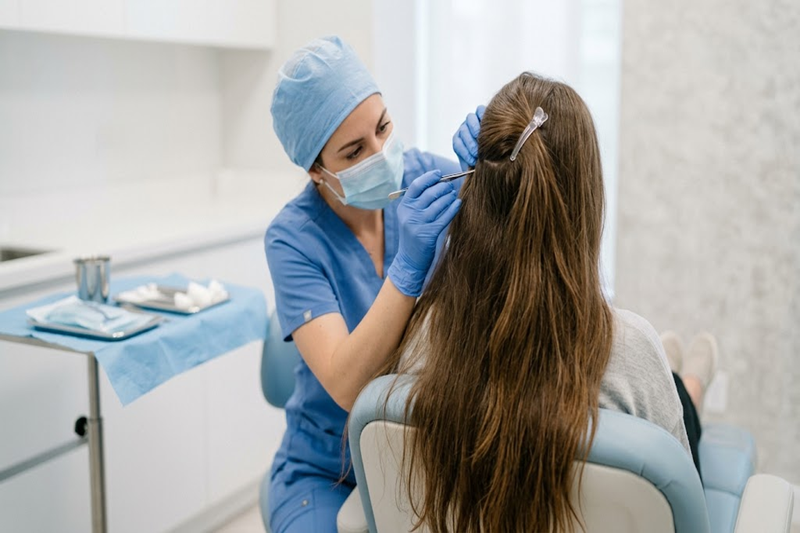
Some women prefer to avoid shaving their hair before treatment. An unshaven hair transplant may be an option for suitable candidates who want to preserve their existing hairstyle.
The approach can require additional planning, and not every patient or graft count is suitable. A consultation helps determine whether this technique is practical for the intended treatment area.
Can Non-Surgical Treatments Help Female Hair Loss?
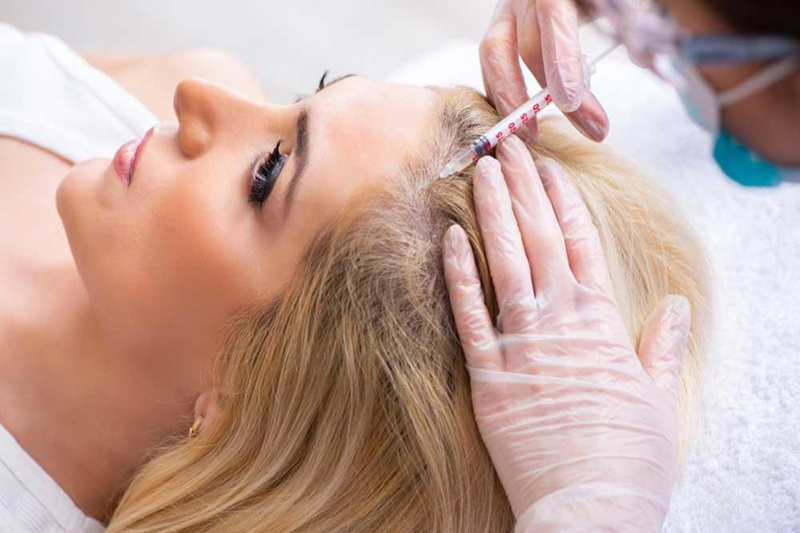
Surgery is not always the first step. When hair loss is caused by a treatable medical condition or an ongoing pattern of thinning, non-surgical management may be more appropriate.
Depending on the diagnosis, options may include:
- Medical treatment: A dermatologist may recommend evidence-based medication, such as topical minoxidil for suitable patients with female pattern hair loss.
- PRP hair treatment: Platelet-rich plasma is prepared from the patient’s blood and injected into selected scalp areas. It may help some patients with certain types of hair thinning, although results vary.
- Management of underlying conditions: Correcting a confirmed nutritional deficiency or treating a relevant medical condition may help address the cause of shedding.
Learn more about PRP hair treatment at Helia Clinic.
PRP does not transplant follicles and is not a substitute for surgery when permanent hair loss has occurred. Similarly, medication cannot address every cause of hair loss. A qualified professional should recommend treatment according to the diagnosis rather than combining procedures without a clear clinical reason.
What to Expect After a Hair Transplant
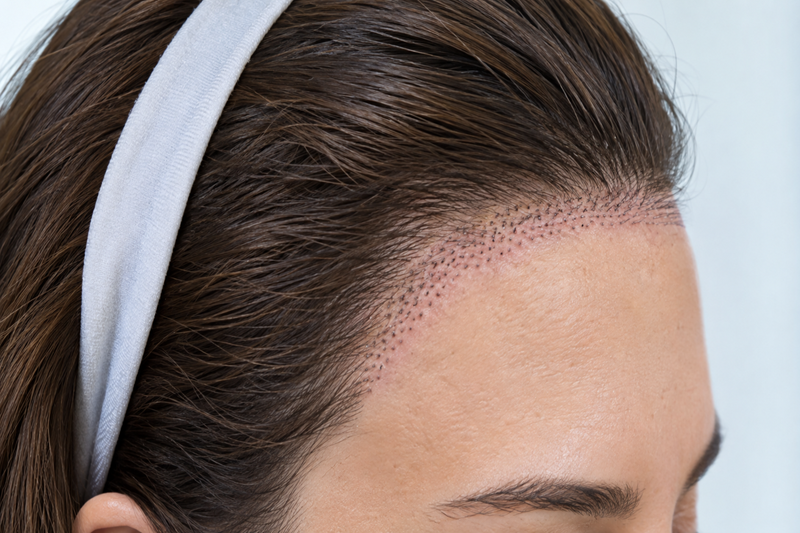
Recovery and hair growth occur gradually. During the initial healing period, redness, mild swelling, tenderness, and small scabs may develop around the treated areas.
Transplanted hairs commonly shed within the first several weeks. This is an expected part of the hair growth cycle and does not necessarily indicate treatment failure. New growth generally becomes noticeable over the following months.
Many patients see meaningful changes around six to nine months, although assessing the final result can take up to 12 months or longer. Individual timelines vary.
How Can Women Achieve Natural-Looking Results?
Natural-looking hair restoration depends on careful planning, not simply the number of grafts transplanted.
- Accurate diagnosis: The cause and pattern of hair loss should be established before treatment.
- Donor hair assessment: Available follicles must be sufficient for the planned coverage without excessive extraction.
- Hairline design: The hairline should complement facial proportions and blend with existing hair.
- Precise graft placement: The direction, angle, and distribution of follicles influence the final appearance.
- Ongoing hair management: Appropriate follow-up can help address continued thinning in non-transplanted hair.
Choosing an experienced medical professional and discussing realistic expectations can help patients make informed decisions. The goal is to improve coverage while maintaining a natural transition between transplanted and existing hair.
Not sure where to start?
Our specialists will assess your scalp biology, graft capacity, and aesthetic goals to create a hair restoration protocol designed entirely for you — from your first consultation onward.
Frequently Asked Questions
Is a hair transplant for women permanent?
Transplanted follicles can provide long-term hair growth. However, surrounding non-transplanted hair may continue to thin, so ongoing assessment and treatment may be necessary.
Can women undergo a hair transplant without shaving their hair?
Yes, selected patients may qualify for an unshaven technique. Suitability depends on the donor area, hair characteristics, and number of grafts required.
How long does it take to see results?
New growth generally develops over several months. Many patients see noticeable improvement within six to nine months, while fuller results may take 12 months or longer.
Can a hair transplant treat all types of female hair loss?
No. Diffuse thinning, active shedding, certain scalp disorders, and insufficient donor hair may make surgery unsuitable. A professional assessment is necessary to determine the appropriate treatment.
Conclusion
A hair transplant for women can provide a long-term solution for selected cases of permanent hair loss, helping restore hair density and achieve natural-looking results. However, the best approach depends on the underlying cause of hair loss, donor hair availability, and individual treatment goals. From FUE and DHI to suitable non-surgical treatments, a professional assessment is essential to determine the most appropriate option. At Helia Clinic, women can explore personalized hair restoration solutions and take an informed step toward healthier-looking, fuller hair.
Related Articles
Continue exploring clinical insights from the Helia Medical Journal.
 Hair Restoration & Hair Transplant
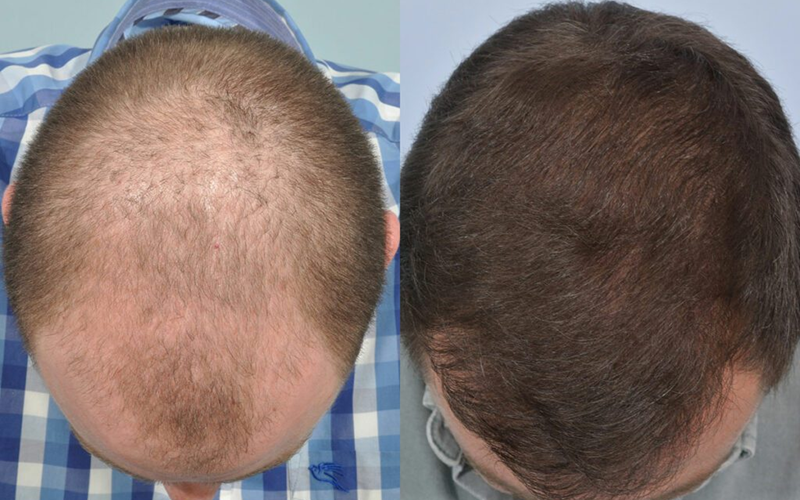
Do Hair Transplants Last Forever? Which Method Lasts Longest?
Table of ContentsDo Hair Transplants Last Forever?Which Hair Transplant Method Lasts the Longest?FUE Hair TransplantFUT Hair TransplantDoes FUE Hair Transplant Last Forever?Do Hair Plugs Last Forever?What Can Affect…
 Hair Restoration & Hair Transplant
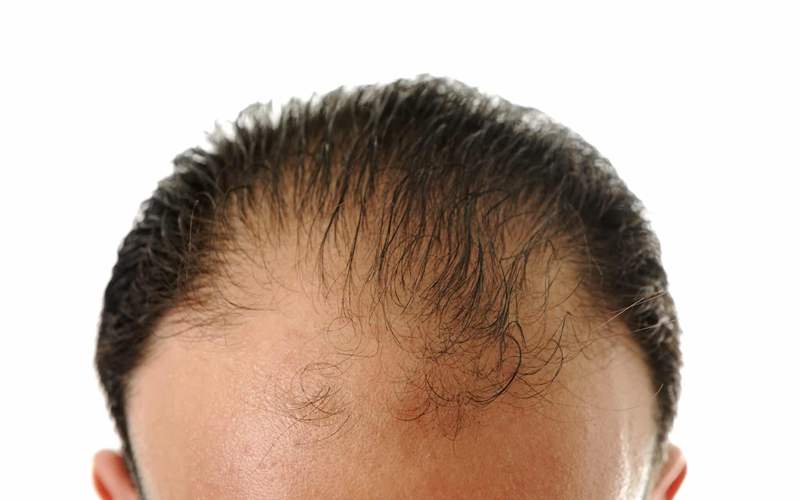
Hair Transplant Expectations: What’s Real and What’s Not?
Table of ContentsWhat Can You Realistically Expect From a Hair Transplant?Hair Transplant Expectations: Myth vs. RealityMyth 1: A Hair Transplant Guarantees a Full Head of HairMyth 2: Results…
 Hair Restoration & Hair Transplant
Wearing Hat After Hair Transplant: When Is It Safe?
Table of ContentsCan You Wear a Hat After Hair Transplant?Timeline for Wearing HatsWhat Type of Hat Is Best After a Hair Transplant?Can Wearing a Hat Dislodge Hair Transplant…
Comments
Share your questions or clinical experience with our readers.