
Hair Coloring After Hair Transplant: When Is It Safe?
This section addresses the timing for dyeing post-transplant hair, outlining the healing stages and factors that influence when to apply color. And also provides practical tips on how to properly dye hair, minimizing risks of irritation or graft damage. Furthermore, we explore the safest types of hair dye, including ammonia-free and hypoallergenic products, to ensure the health of both the scalp and new follicles.



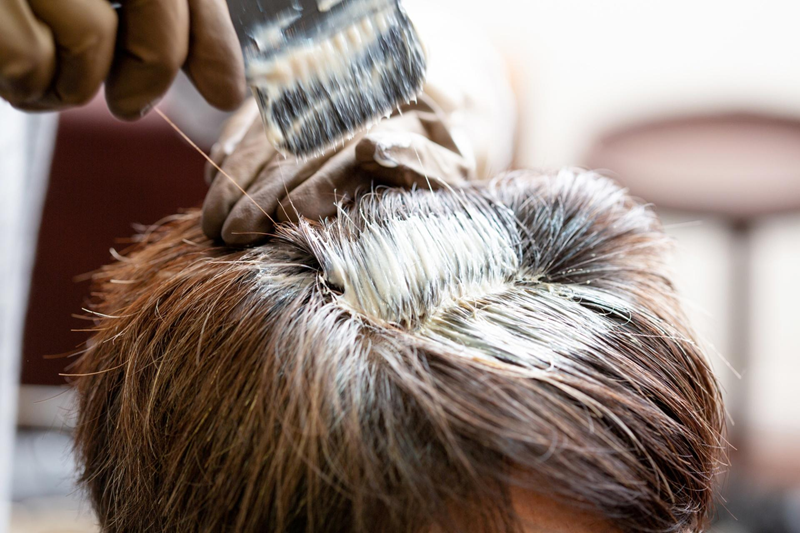
Hair coloring after a hair transplant requires careful timing to avoid irritating the healing scalp. Although patients can usually return to their regular hair care routine after recovery, applying chemical dyes too soon may cause discomfort and skin reactions.
Most patients should wait at least one month before colouring their hair, although the exact timing depends on scalp healing and the surgeon’s recommendations. Understanding the recovery timeline, choosing suitable products, and following proper precautions can help patients colour their hair safely after the procedure.
When Can You Dye Hair After Transplant?
Patients are generally advised to wait at least four weeks before dyeing their hair after a transplant. This allows the recipient area to recover and reduces the risk of irritation from chemical ingredients. Some clinics recommend waiting four to six weeks, depending on the procedure and individual healing progress.
The international expert consensus on hair transplantation recommends waiting one month before cutting or dyeing the hair. However, patients should follow their own surgeon’s instructions rather than treating this timeframe as a universal rule.
The following table provides a general guide:
| Time After Transplant | Hair Colouring Recommendation |
|---|---|
| First 2 weeks | Avoid all hair dyes and chemical treatments |
| Weeks 3–4 | Continue avoiding colouring products while the scalp heals |
| Weeks 4–6 | Colouring may be considered after medical approval |
| After 6 weeks | Many patients can resume their usual colouring routine if healing is complete |
Before scheduling a colouring appointment, patients should make sure that the scalp has no remaining scabs, open areas, or persistent irritation. The donor area should also be checked, particularly if the procedure involved follicular unit transplantation (FUT).
Not sure where to start?
Our specialists will assess your scalp biology, graft capacity, and aesthetic goals to create a hair restoration protocol designed entirely for you — from your first consultation onward.
Why Is Timing Important When Colouring Hair After a Transplant?
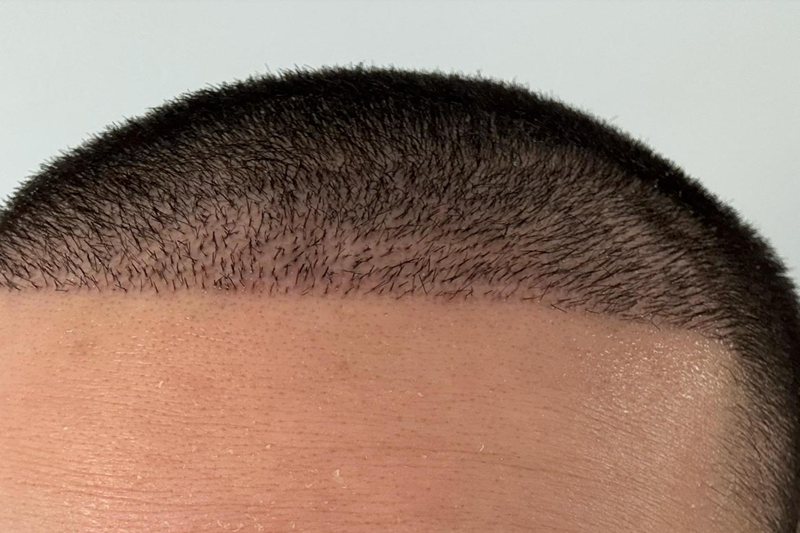
Hair transplantation involves moving follicles from the donor area to regions affected by hair loss. During the early recovery period, the recipient skin needs time to heal, and the newly implanted grafts must settle into their new locations.
Hair dyes contain chemical ingredients that may irritate sensitive skin. Applying these products before the scalp has recovered can cause unnecessary inflammation and discomfort.
Three factors make waiting particularly important:
- Graft protection: During the initial recovery period, excessive rubbing, scratching, and pressure can disturb the recipient area. Hair colouring appointments may involve handling and washing the scalp, which should be avoided until healing is sufficiently advanced.
- Skin recovery: Small wounds and scabs develop around the implanted follicles. Chemical exposure during this stage may cause irritation and interfere with comfortable recovery.
- Reduced sensitivity: The scalp may remain tender or sensitive after surgery. Waiting allows these symptoms to settle before introducing products that may trigger skin reactions.
It is important to distinguish between direct damage to transplanted follicles and irritation of the surrounding skin. Hair dye does not automatically destroy implanted grafts, but using it before the scalp heals can create avoidable complications.
What Types of Hair Dye Can You Use After a Hair Transplant?
Once the surgeon confirms that the scalp has healed, patients can discuss suitable colouring options with their hairdresser. Different products use different ingredients and application methods, so choosing a formula should depend on individual scalp sensitivity and previous reactions.
1. Permanent Hair Dye
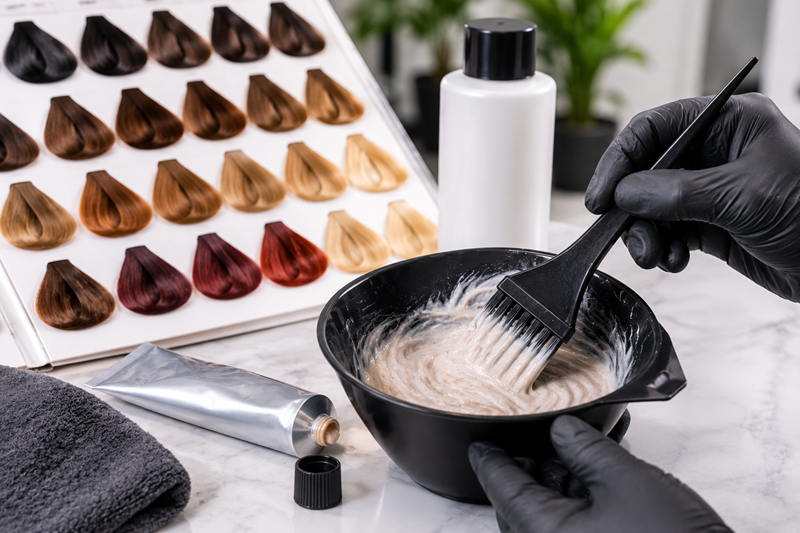
Permanent dyes use chemical ingredients to change the natural pigment inside the hair shaft. Many formulations contain hydrogen peroxide and an alkaline agent, such as ammonia, to facilitate the colouring process.
These products provide longer-lasting results but may cause irritation or allergic reactions. Patients should wait until their scalp has fully recovered before considering permanent colouring.
2. Semi-Permanent Hair Dye
Semi-permanent dyes deposit colour onto the hair without the same level of chemical processing used in many permanent formulas. Their colour gradually fades with washing.
They may be suitable for patients who prefer temporary colour changes, but they are not automatically safer for sensitive skin. Some formulations contain ingredients that can trigger allergic reactions.
3. Plant-Based Hair Colour
Plant-based products, including pure henna, are alternatives to conventional chemical dyes. However, the term natural does not guarantee that a product is free from allergens or irritating ingredients.
Patients should check the complete ingredient list and avoid black henna products, which may contain para-phenylenediamine (PPD), a known cause of allergic skin reactions.
No particular dye type is suitable for every patient. The surgeon’s advice and the product’s ingredients are more important than marketing claims such as gentle, natural, or ammonia-free.
What Precautions Should You Take Before Hair Coloring?
Even after the recommended recovery period, patients should take precautions before applying hair dye. These steps help reduce the likelihood of irritation and unwanted skin reactions.
- Obtain medical approval: Confirm that both the recipient and donor areas have healed sufficiently before arranging a colouring appointment.
- Check scalp condition: Avoid colouring if there is persistent redness, tenderness, inflammation, open skin, or unusual sensitivity.
- Review the ingredients: Check the product for substances that have previously caused irritation or allergic reactions. PPD is a common hair dye allergen.
- Perform an allergy alert test: Follow the manufacturer’s instructions before every colouring session, even if the product has been used previously without problems.
- Choose an experienced hairdresser: Inform the professional about the transplant and ask them to avoid unnecessary pressure, scratching, or vigorous scalp massage.
- Follow application instructions: Do not leave the product on longer than recommended, and rinse it thoroughly according to the manufacturer’s directions.
An important distinction is that an allergy alert test is not the same as medical patch testing. Patients with a previous hair dye allergy should consult a dermatologist rather than relying on a home test.
Can You Bleach Your Hair After a Hair Transplant?
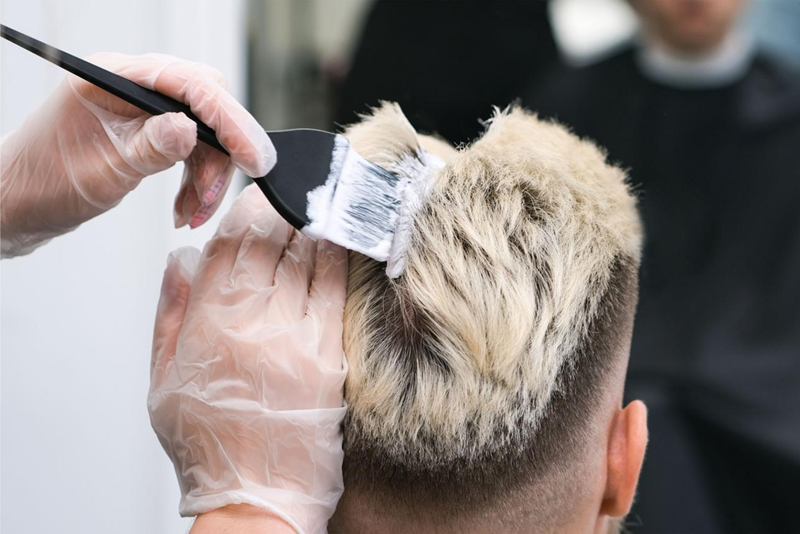
Bleaching requires additional consideration because it involves chemical agents that remove natural pigment from the hair. Products commonly contain hydrogen peroxide and other ingredients that can affect both hair structure and scalp comfort.
Unlike some colouring products, bleach can be particularly harsh when it comes into direct contact with sensitive skin. Applying it to an incompletely healed recipient area may cause burning, irritation, or chemical injury.
Patients should therefore avoid bleaching during the initial recovery period. Even after the scalp has healed, they should obtain approval from their surgeon before undergoing intensive chemical treatments.
If bleaching is approved, patients should consider these precautions:
- Avoid direct application to any area that remains sensitive or irritated.
- Do not combine bleaching with other intensive chemical treatments without professional advice.
- Inform the hairdresser about the previous transplant.
- Stop the procedure if burning or unusual discomfort develops.
The appropriate waiting period may be longer than that recommended for ordinary hair colouring, depending on the patient’s recovery and the intensity of the treatment.
Not sure where to start?
Our specialists will assess your scalp biology, graft capacity, and aesthetic goals to create a hair restoration protocol designed entirely for you — from your first consultation onward.
Frequently Asked Questions
Can I Dye My Hair Two Weeks After a Hair Transplant?
No. Two weeks is generally too early for hair colouring. The scalp may still be recovering, and applying chemical products can cause irritation. Most patients should wait at least four weeks and obtain medical approval first.
Can I Use Hair Toner After a Hair Transplant?
Hair toner is also a chemical colouring product and should not be used during the initial healing period. Some toners contain peroxide or other ingredients that may irritate sensitive skin. Wait until the scalp has healed and your surgeon approves its use.
Conclusion
Hair coloring after a hair transplant is generally safe once the scalp has fully healed and the surgeon has approved the treatment. Waiting at least four weeks, choosing suitable colouring products, and avoiding aggressive chemical treatments during recovery can help minimise irritation. Following professional aftercare advice allows patients to return to their preferred hair colouring routine while protecting their scalp health.
Related Articles
Continue exploring clinical insights from the Helia Medical Journal.
 Hair Restoration & Hair Transplant
PRP vs G-Cell vs Exosomes: Which One Really Works?
Table of ContentsWhat Are PRP, G-Cell, and Exosome Hair Treatments?PRP Hair TreatmentG-Cell Hair TreatmentExosome Hair TreatmentPRP vs G-Cell vs Exosomes: Key DifferencesPRP vs G-Cell vs Exosomes: Which Is…
 Hair Restoration & Hair Transplant
Donor Hair From Another Person: Is It Possible?
Table of ContentsCan Someone Else Donate Hair for Transplant?Why Immune Rejection HappensThe Immunology of AllograftsSynthetic Biofibre Hair RisksFDA Warnings on Synthetic FibersPotential Complications of Synthetic Hair ImplantsSafe Biological…
 Hair Restoration & Hair Transplant
Do Hair Transplants Last Forever? Which Method Lasts Longest?
Table of ContentsDo Hair Transplants Last Forever?Which Hair Transplant Method Lasts the Longest?FUE Hair TransplantFUT Hair TransplantDoes FUE Hair Transplant Last Forever?Do Hair Plugs Last Forever?What Can Affect…
Comments
Share your questions or clinical experience with our readers.