
Mesotherapy vs PRP for Hair Loss: Which Works Better?



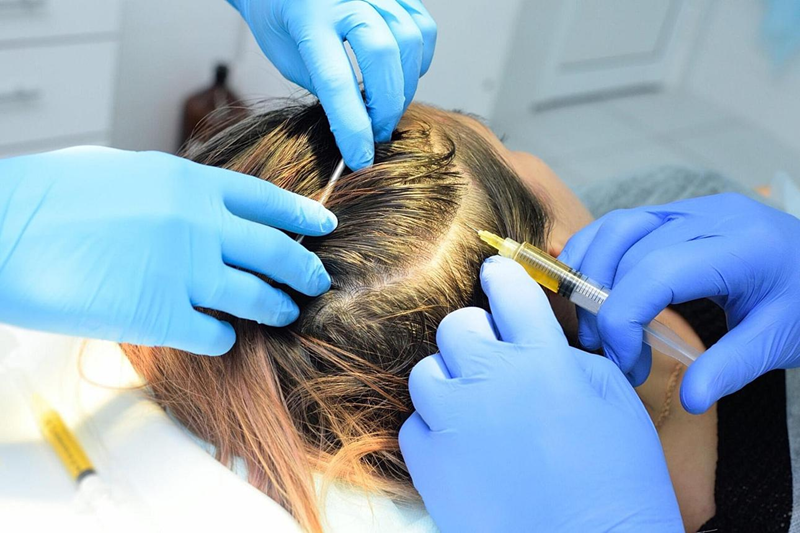
Hair loss can result from genetics, hormonal changes, nutritional deficiencies, or scalp conditions. Mesotherapy and Platelet-Rich Plasma (PRP) are two injectable treatments used to address certain types of hair thinning. Although both involve scalp injections, they differ in their ingredients, mechanisms, and clinical evidence. Understanding Mesotherapy vs PRP for Hair Loss can help patients make informed decisions about their treatment options.
What Is Mesotherapy for Hair Loss?
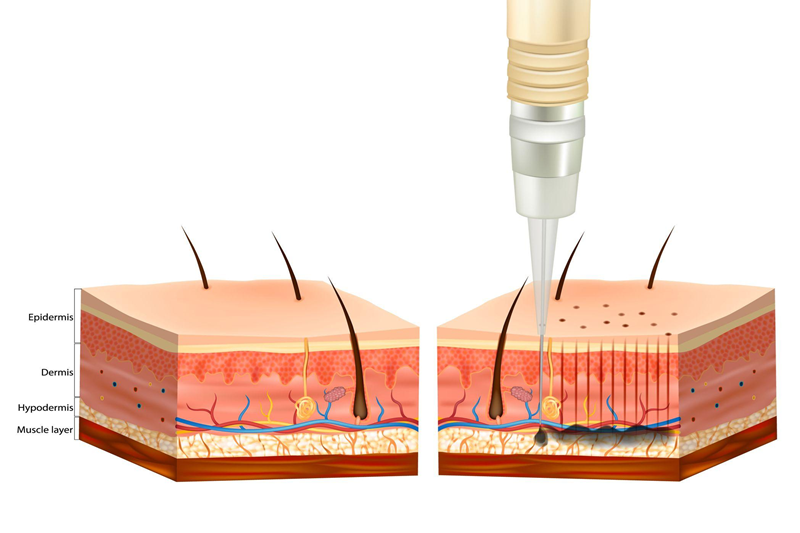
Hair mesotherapy involves injecting selected substances into the scalp to support scalp health and hair follicle function. Depending on the formulation, these substances may include vitamins, minerals, amino acids, peptides, and other active ingredients.
The treatment aims to deliver these ingredients directly into the scalp. However, mesotherapy does not have one standardized formula. Different products contain different combinations of substances, which can influence their potential effects.
Some studies have reported improvements in hair growth following mesotherapy, but the available evidence remains limited. Its effectiveness depends on the specific formulation, injection protocol, and underlying cause of hair loss. It should not be considered a proven solution for every type of alopecia.
Not sure where to start?
Our specialists will assess your scalp biology, graft capacity, and aesthetic goals to create a hair restoration protocol designed entirely for you — from your first consultation onward.
What Is PRP Hair Treatment?
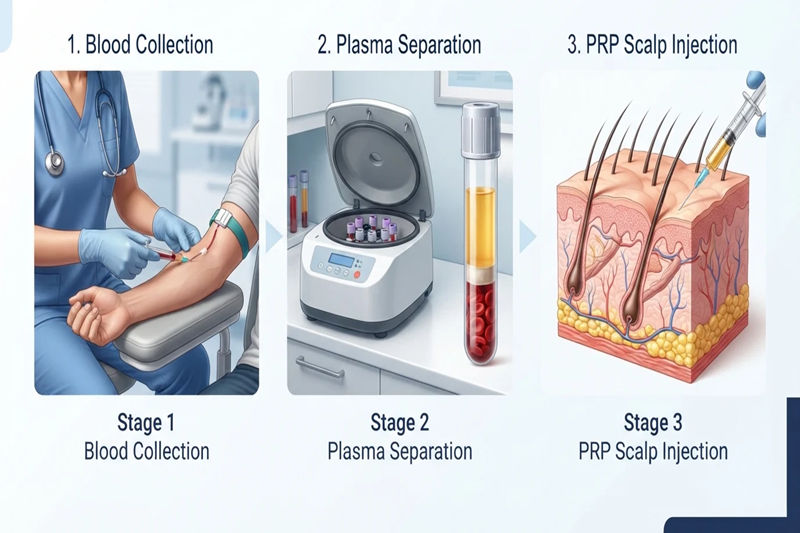
Platelet-Rich Plasma (PRP) is an injectable treatment that uses a concentrated portion of the patient’s own blood. A small blood sample is collected and processed using a centrifuge to separate platelet-rich plasma from other blood components.
Platelets contain growth factors involved in tissue repair and cellular signaling. When PRP is injected into selected areas of the scalp, these growth factors may support hair follicle activity and improve hair density.
PRP has been studied particularly for androgenetic alopecia, commonly known as pattern hair loss. Clinical research suggests that it may reduce hair shedding and improve hair density in some patients. However, results vary depending on the preparation method, treatment protocol, and individual response.
For more information about this procedure, see PRP Hair Treatment in Dubai.
Mesotherapy vs PRP for Hair Loss: Key Differences
The main difference between these treatments is the substance injected into the scalp. Mesotherapy uses selected active ingredients, whereas PRP uses components obtained from the patient’s blood.
| Comparison Factor | Mesotherapy | PRP |
|---|---|---|
| Main ingredients | Vitamins, minerals, peptides, or other active substances | Platelet-rich plasma |
| Source | Prepared treatment formulation | Patient’s own blood |
| Preparation | Depends on the selected product | Blood collection and centrifugation |
| Main approach | Delivering selected ingredients into the scalp | Using platelet-derived growth factors |
| Research evidence | Limited and formulation-dependent | More clinical research available |
| Common side effects | Redness, swelling, bruising, and tenderness | Redness, swelling, bruising, and tenderness |
| Treatment protocol | Varies according to formulation | Varies according to PRP preparation and patient needs |
Neither procedure is suitable for every patient. Identifying the cause of hair loss is essential before choosing an injectable treatment.
Which Is More Effective: Mesotherapy or PRP?
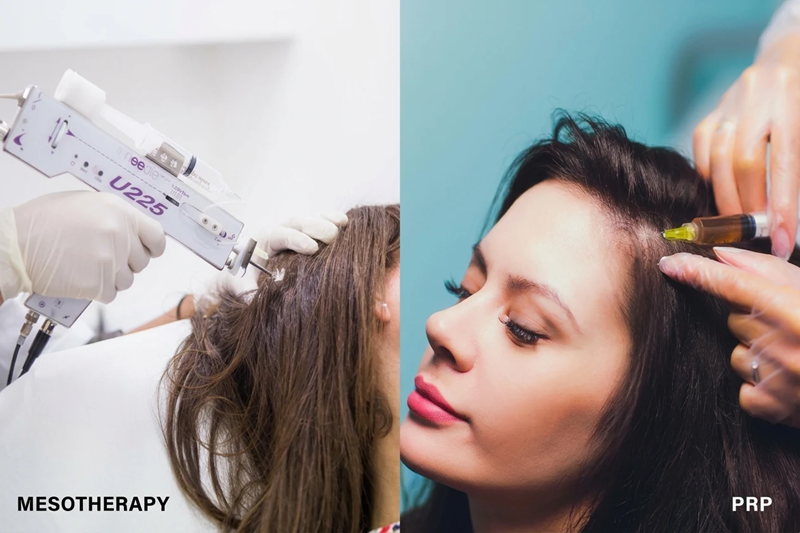
When comparing Mesotherapy vs PRP for Hair Loss, PRP currently has stronger clinical evidence, particularly for androgenetic alopecia.
Clinical studies have reported improvements in hair density and reductions in hair shedding following PRP treatment. Research has also identified potential benefits in patients with pattern hair loss, although differences in PRP preparation methods and study protocols remain important limitations.
Mesotherapy has shown promising results in some studies, but its effectiveness is more difficult to establish because formulations vary considerably. Evidence supporting one combination of ingredients cannot automatically be applied to other mesotherapy products.
Therefore, PRP may be the more evidence-supported option for suitable patients. However, this does not mean it will produce better results in every individual. The underlying cause of hair loss, stage of thinning, and overall scalp health all influence treatment outcomes.
Source: Platelet-Rich Plasma in the Management of Alopecia: A Systematic Review and Meta-Analysis of Clinical Evidence (2025)
How Many Sessions Are Needed?
Both treatments usually require multiple sessions rather than a single injection appointment. The recommended schedule depends on the treatment method, severity of hair loss, and individual response.
| Treatment | Typical Treatment Approach |
|---|---|
| Mesotherapy | A series of sessions over several weeks, depending on the formulation |
| PRP | Often an initial series of sessions spaced approximately one month apart, followed by individualized maintenance |
These schedules are general examples, not fixed medical recommendations. The appropriate number and frequency of sessions should be determined during a medical assessment.
Hair growth is gradual, so patients generally need several months to evaluate changes in hair density and shedding. Regular follow-up can help determine whether the treatment is producing meaningful improvements.
Side Effects and Recovery: Mesotherapy vs PRP
Both procedures involve injections into the scalp and may cause temporary local reactions. Most common side effects are mild, although complications can occur.
Possible mesotherapy side effects include:
- Redness and swelling around injection sites
- Temporary scalp tenderness
- Bruising or irritation
- Allergic or inflammatory reactions to injected ingredients
Possible PRP side effects include:
- Mild pain during injections
- Temporary swelling and redness
- Bruising around treated areas
- Scalp tenderness after treatment
PRP uses the patient’s own blood components, reducing the risk of reactions to externally supplied active ingredients. However, this does not eliminate the risk of complications. Sterile preparation and proper injection techniques remain essential for both procedures.
Patients should discuss allergies, medications, medical conditions, and scalp problems with their healthcare provider before treatment.
How to Choose the Right Treatment for Hair Loss
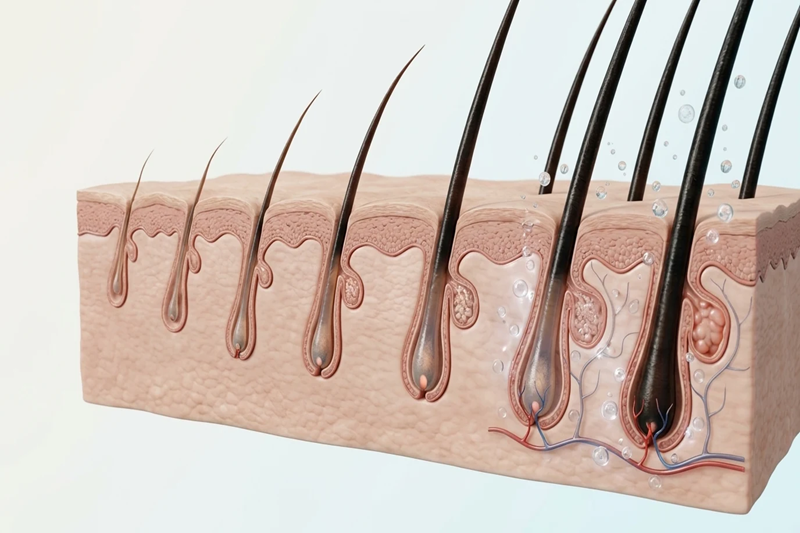
Choosing between mesotherapy and PRP requires an assessment of the patient’s hair loss pattern, medical history, and treatment goals.
The following factors can help guide the decision:
- Cause of hair loss: Androgenetic alopecia, temporary shedding, and nutritional deficiencies require different management approaches.
- Scalp condition: Inflammation, infection, or other scalp problems may affect treatment suitability.
- Treatment ingredients: The exact substances used in mesotherapy should be reviewed before proceeding.
- Clinical evidence: PRP has stronger research support for certain types of hair loss, while mesotherapy evidence varies by formulation.
- Medical history: Medications, existing health conditions, and previous treatments can influence the choice.
Conclusion
Both mesotherapy and PRP are injectable options for managing certain types of hair loss. However, PRP has stronger clinical evidence for improving hair density in patients with pattern hair loss, while mesotherapy results depend heavily on the ingredients used. The most appropriate option should be selected according to the underlying cause of hair loss and an individual medical assessment.
Not sure where to start?
Our specialists will assess your scalp biology, graft capacity, and aesthetic goals to create a hair restoration protocol designed entirely for you — from your first consultation onward.
Frequently Asked Questions
Is PRP better than mesotherapy for hair loss?
PRP has stronger clinical evidence, particularly for androgenetic alopecia. However, individual results vary, and neither treatment is universally effective.
Can mesotherapy stop hair loss permanently?
No. Mesotherapy does not permanently prevent hair loss. Its effectiveness depends on the formulation and the underlying cause of thinning.
How long does PRP take to show results?
Visible improvements may take several months. Hair density and shedding should be evaluated over time rather than immediately after treatment.
Can PRP and mesotherapy be performed together?
They may be combined in selected cases, but a medical assessment is necessary to determine whether both treatments are appropriate.
Which treatment is more suitable for thinning hair?
PRP may be considered for certain cases of pattern hair loss, while mesotherapy suitability depends on its ingredients. A specialist should identify the cause of thinning before recommending either treatment.
Related Articles
Continue exploring clinical insights from the Helia Medical Journal.
 Hair Restoration
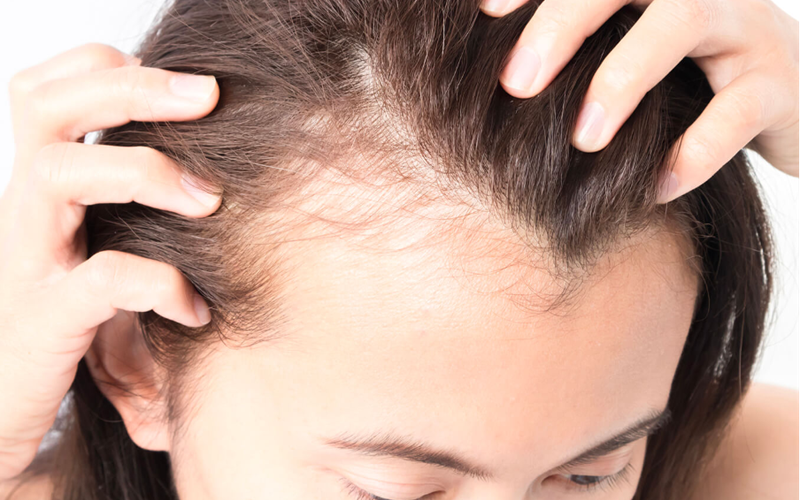
Female Hair Loss: Causes, Signs & Treatment Options
Table of ContentsWhat Is Female Hair Loss?What Causes Female Hair Loss?What Are the Early Signs of Female Hair Loss?How Is Female Hair Loss Diagnosed?What Are the Treatment Options…
 Hair Restoration
Non-Surgical Hair Transplant Alternatives: Your Options
magine achieving a fuller head of hair without surgery or needles! This article introduces you to the latest, pain-free hair transplant techniques, including micrograft, DHI, SUT, and FUE. Discover how you can enhance your look with these cutting-edge methods that keep your existing hair safe and beautiful.
 Hair Restoration
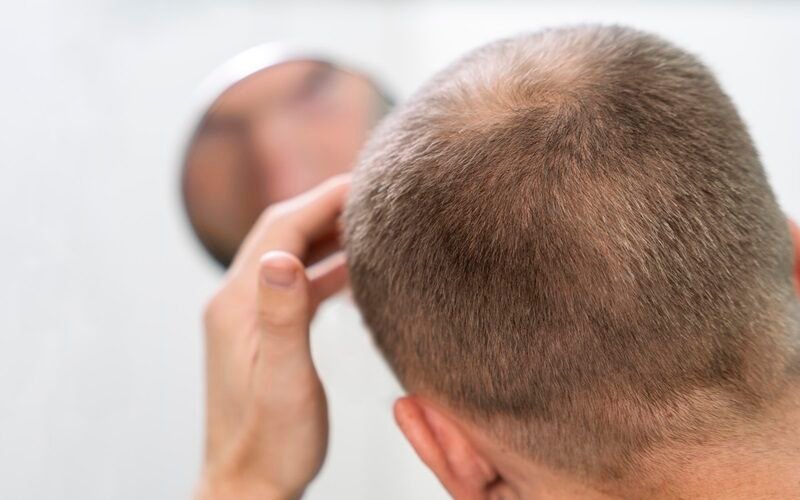
Hair Loss: A Complete Guide to Causes, Types & Treatments
Hair loss is a shared concern for both men and women. In this article, we’ll explore the many factors behind it, from genetic influences to hormonal shifts. We’ll also highlight a range of solutions, from simple home remedies to advanced medical treatments, to help you tackle this common issue. Join us as we uncover the path to healthier, fuller hair!
Comments
Share your questions or clinical experience with our readers.