Cyst Removal in Dubai
Cysts are sac-like structures that can develop beneath or within the skin. They may contain fluid, pus, or other material and can appear on different parts of the body. Although many cysts are harmless, some become painful, inflamed, or noticeable in appearance.
Cyst Removal in Dubai at Helia Clinic begins with an assessment to confirm the diagnosis and determine whether removal is appropriate. The treatment approach depends on the cyst's type, size, location, and medical evaluation.
What Are Skin Cysts?
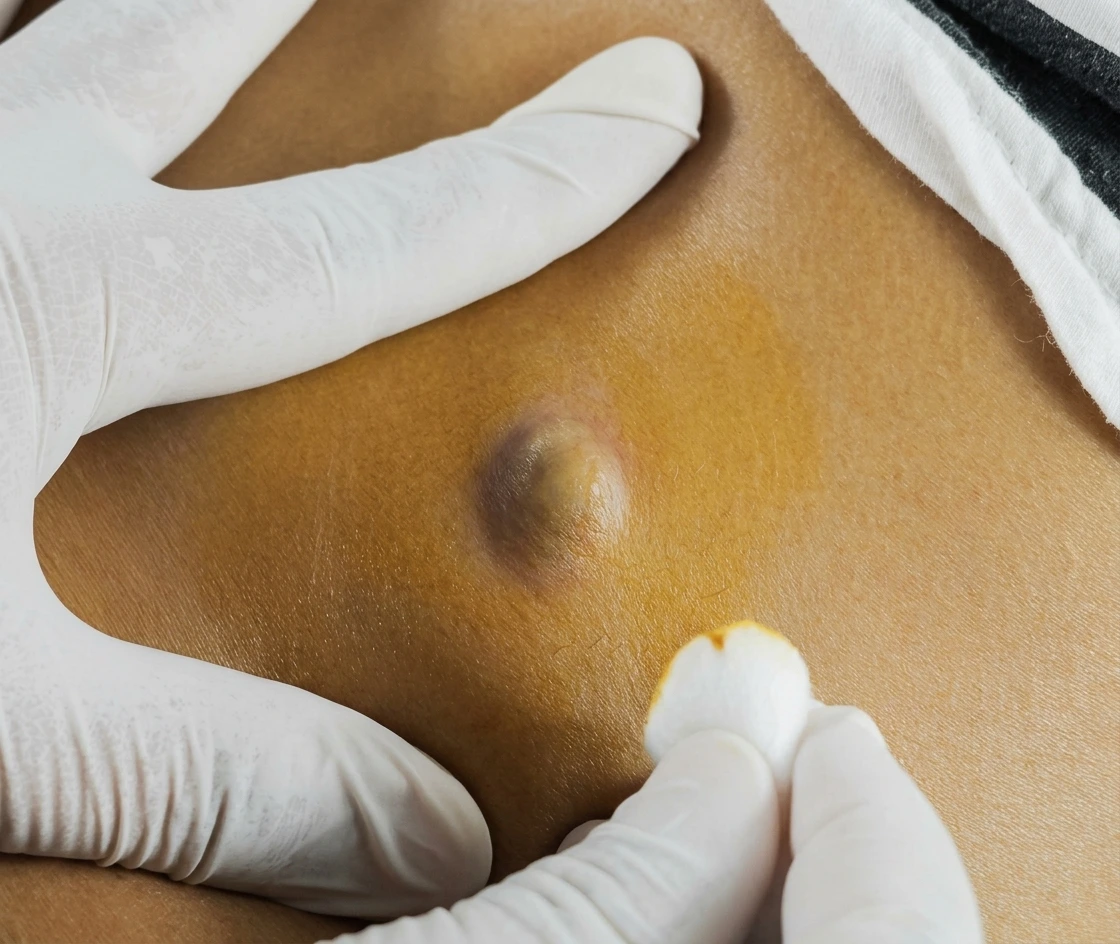
A skin cyst is a closed sac that develops within or beneath the skin. It may grow slowly and remain painless for a long time, although some cysts become swollen or uncomfortable.
Common characteristics include:
- A round or oval lump beneath the skin.
- A soft or firm texture.
- Slow growth over time.
- A movable lump in some cases.
- Tenderness, redness, or swelling if inflamed or infected.
Not every lump beneath the skin is a cyst. A proper examination is necessary to confirm the diagnosis.
Types of Skin Cysts
Different cysts have distinct characteristics. Identifying the type helps determine the appropriate management approach.
Epidermoid Cysts
Epidermoid cysts are common, slow-growing lumps that develop beneath the skin. They often appear on the face, neck, back, or torso and may contain a thick, keratin-like material.
Pilar Cysts
Pilar cysts usually develop on the scalp and originate from hair follicles. They typically feel firm and smooth and may occur as single or multiple lumps.
Sebaceous Cysts
The term sebaceous cyst is commonly used to describe certain skin lumps, although many lesions labelled this way are actually epidermoid cysts. A clinical examination helps identify the correct type.
Dermoid Cysts
Dermoid cysts are growths containing tissue structures such as hair follicles and glands. They are often present from birth and commonly develop around the face, head, or neck.
Ganglion Cysts
Ganglion cysts usually develop near joints or tendons, particularly around the wrists and hands. They contain a jelly-like fluid and may change in size or cause discomfort with movement.
What Causes Skin Cysts?
Cysts develop for different reasons depending on their type. Some form when skin cells become trapped beneath the surface, while others are associated with blocked hair follicles or changes in joint and tendon tissues.
Possible contributing factors include:
- Blocked hair follicles: Obstruction can contribute to certain skin cysts.
- Skin injuries: Damage may cause skin cells to become trapped beneath the surface.
- Keratin accumulation: A build-up of keratin contributes to epidermoid cyst formation.
- Genetic factors: Some cyst types, including pilar cysts, may run in families.
- Joint or tendon changes: Ganglion cysts are associated with tissues surrounding joints and tendons.
When Should a Cyst Be Removed?
Not every cyst requires removal. Treatment may be considered when a cyst causes discomfort, becomes repeatedly inflamed, grows, or affects appearance.
Common reasons to seek assessment include:
- Pain or tenderness: A cyst may become uncomfortable, particularly when pressure is applied.
- Repeated inflammation: Some cysts become swollen or inflamed more than once.
- Infection: An infected cyst may require medical treatment before definitive removal.
- Growth or changes: Increasing size or changes in appearance should be evaluated.
- Cosmetic concerns: A visible cyst may affect appearance or confidence.
Individuals with confirmed cysts that cause symptoms or cosmetic concerns may be candidates for treatment. An uncertain diagnosis or a contraindication to the selected procedure requires further evaluation before removal.
How Is Cyst Removal Performed?
The appropriate procedure depends on the cyst's type, size, depth, location, and condition. Common medical approaches include:
Surgical Excision
Surgical excision involves making an incision and removing the cyst. When appropriate, the cyst wall is also removed to reduce the likelihood of recurrence. The wound may require stitches.
Incision and Drainage
Incision and drainage involve making a small opening to release fluid or pus from an inflamed or infected cyst. This can relieve pressure, but it may not remove the entire cyst wall, so recurrence is possible.
Laser-Assisted Procedures
Certain laser techniques may be considered for selected cysts, depending on their characteristics and clinical suitability. Laser treatment is not appropriate for every cyst and should only be selected following a confirmed diagnosis.
The chosen method depends on the clinical assessment and whether inflammation or infection is present.
How Is a Cyst Removal Treatment Plan Developed?
An individualised treatment plan begins with confirming the diagnosis and evaluating the cyst.
1. Clinical Assessment
The practitioner examines the cyst's size, location, appearance, and symptoms. Medical history and previous episodes of inflammation or infection are also considered.
2. Individualised Treatment Selection
The appropriate approach depends on the cyst type, depth, condition, and surrounding tissue. An uncertain diagnosis may require further investigation before treatment.
3. Follow-Up
Some cases require additional visits, particularly when inflammation or infection needs to be managed before definitive removal. Follow-up appointments help monitor healing and determine whether further treatment is necessary.
What to Expect During a Cyst Removal Appointment
Cyst removal is generally performed as an outpatient procedure, meaning patients can usually return home on the same day without an overnight hospital stay.
An appointment begins with an examination of the cyst and a review of medical history and symptoms. The practitioner explains the recommended procedure and discusses preparation and aftercare.
Appointments typically take 20 to 60 minutes, depending on the cyst's size, location, and the intervention required. Local anaesthesia may be used for certain procedures to improve comfort. The experience and recovery requirements vary according to the selected approach.
Is Cyst Removal Safe?
Cyst removal is generally well tolerated when the procedure is selected according to an appropriate medical assessment. However, potential risks depend on the treatment method and individual circumstances.
Possible complications include:
- Temporary swelling and bruising.
- Bleeding or tenderness.
- Infection.
- Scarring.
- Incomplete removal.
- Recurrence of the cyst.
An active infection may require treatment before definitive removal. If the nature of a lump is uncertain, further assessment may be necessary before proceeding.
Cyst Removal Results and Recovery
After treatment, the area gradually heals. Recovery depends on the cyst's size, depth, location, removal method, and individual healing response.
Some procedures require minimal downtime, while surgical removal may involve stitches and additional wound care. Recovery may range from 0 to 14 days, depending on the intervention.
A universal success percentage has not been established because outcomes vary according to the cyst type, treatment method, and individual factors. Recurrence is possible, particularly if the cyst wall is not completely removed or the underlying condition persists.
Aftercare Following Cyst Removal
Following the recommended aftercare instructions helps protect the treated area and support healing.
- Keep the treated area clean according to the practitioner's instructions.
- Follow dressing and wound-care instructions.
- Avoid touching, squeezing, or picking at the healing area.
- Avoid excessive friction or pressure on the treated site.
- Follow instructions regarding physical activity and bathing.
- Attend follow-up appointments when recommended.
- Follow medical advice regarding stitch removal, if applicable.
Increasing pain, redness, swelling, fever, or discharge should be assessed promptly.
Cyst Removal Cost in Dubai
The cost of Cyst Removal in Dubai depends on several factors:
- Type and size of the cyst.
- Location and depth beneath the skin.
- Selected removal method.
- Complexity of the procedure.
- Whether additional treatment or laboratory examination is required.
- Number of visits and follow-up needs.
Because treatment is individualised, a consultation is necessary to confirm the diagnosis, determine the appropriate approach, and provide a personalised cost estimate.
Frequently Asked Questions
Can a cyst disappear without removal?
Some cysts remain unchanged for years, while others may shrink or resolve. Persistent or symptomatic cysts should be assessed to determine whether treatment is necessary.
Can a cyst return after removal?
Yes. Recurrence is possible, particularly if the cyst wall remains after treatment. The likelihood depends on the cyst type and removal method.
Is cyst removal painful?
Discomfort varies according to the procedure and the cyst's location. Local anaesthesia is commonly used for surgical removal to improve comfort.
Book Your Cyst Removal in Dubai Consultation
A cyst may remain harmless, but changes in size, pain, or inflammation can indicate the need for medical assessment. Confirming the diagnosis is the first step towards selecting an appropriate treatment.
At Helia Clinic, an individualised consultation helps evaluate the cyst and discuss suitable management options. Contact the clinic to learn more about Cyst Removal in Dubai and arrange an appointment.