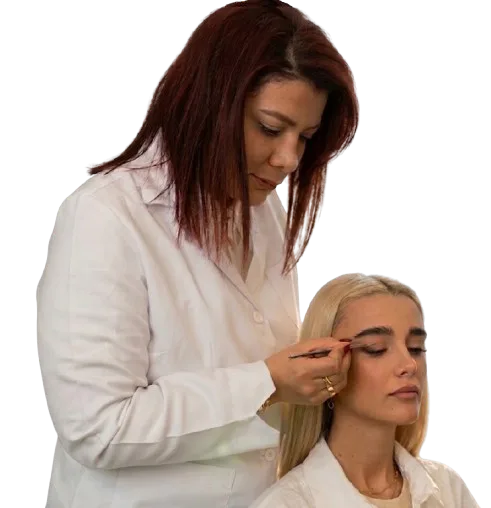
Skin Biopsy in Dubai
A skin biopsy is a diagnostic procedure used to examine a small sample of skin under a microscope. It can help identify the cause of unusual skin changes, persistent rashes, suspicious lesions, or other conditions that require further evaluation.
Skin Biopsy in Dubai at Helia Clinic begins with a clinical assessment to determine whether a biopsy is necessary and which sampling technique is appropriate. The method depends on the appearance, location, and characteristics of the affected area.
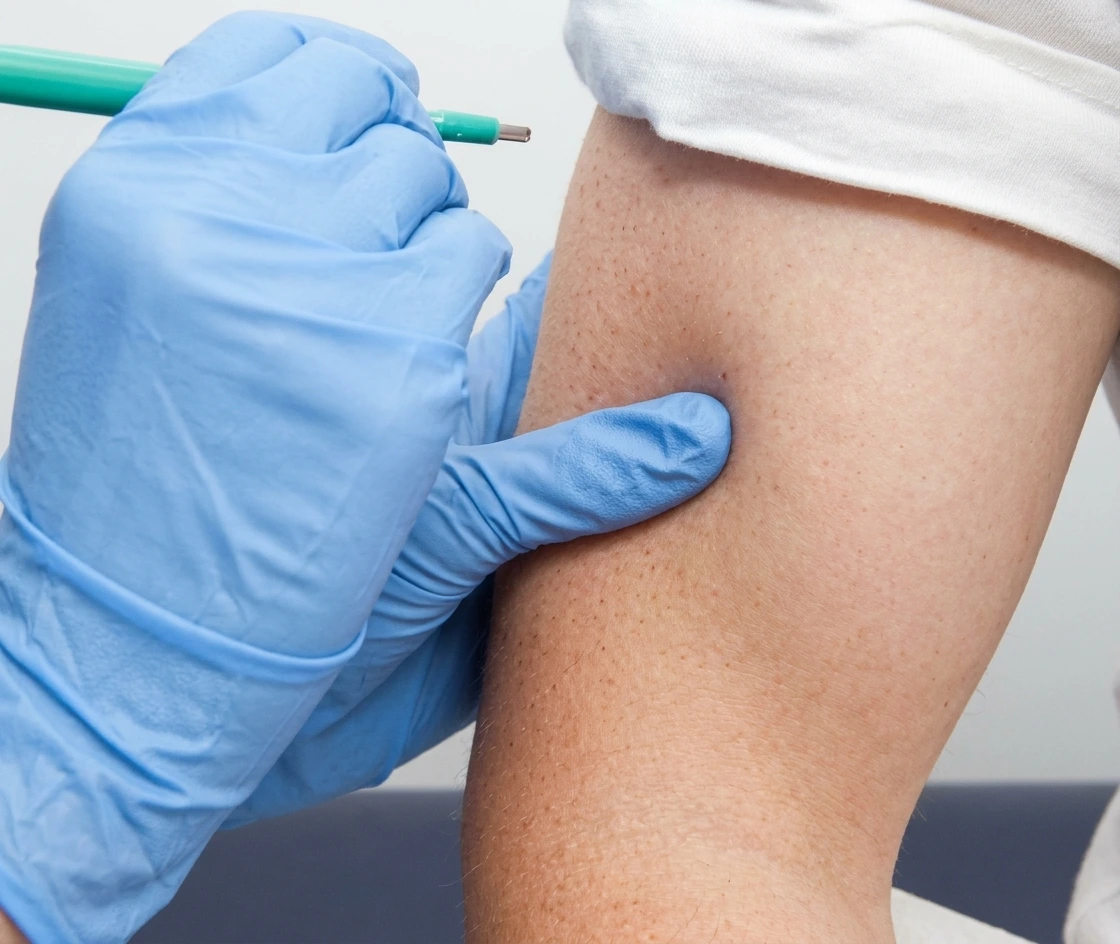
What Is a Skin Biopsy?
A skin biopsy involves removing a small sample of skin for laboratory examination. A specialist examines the tissue to identify changes in skin cells or structure that may help establish a diagnosis.
A biopsy may be recommended when a skin condition cannot be identified through a visual examination alone. It can help investigate:
- Unusual or changing moles and skin lesions.
- Persistent rashes or unexplained inflammation.
- Suspected skin infections.
- Certain inflammatory skin conditions.
- Suspicious growths that require further investigation.
When Is a Skin Biopsy Needed?
A skin biopsy may be considered when a skin change requires more detailed diagnostic evaluation.
Common reasons include:
- Unexplained skin changes: Persistent changes in colour, texture, or appearance may require laboratory examination.
- Suspicious lesions: A changing, irregular, or unusual lesion may need further investigation.
- Persistent rashes: A biopsy can help identify the cause when a rash does not respond as expected to treatment.
- Possible skin conditions: Certain inflammatory or autoimmune skin disorders may require tissue examination.
- Uncertain diagnosis: When a clinical examination alone is insufficient, a biopsy can provide additional diagnostic information.
The decision depends on the patient's symptoms, clinical findings, and the information needed to guide further care.
Types of Skin Biopsy
Different biopsy techniques collect skin samples in different ways. The appropriate method depends on the suspected condition, the depth of the affected tissue, and the location of the lesion.
Shave Biopsy
A shave biopsy removes a thin layer of skin from the surface of a lesion using a specialised instrument. It may be suitable for certain raised or superficial skin growths.
Punch Biopsy
A punch biopsy uses a small circular instrument to collect a deeper, cylindrical sample of skin. It can include several skin layers and is commonly used to investigate inflammatory conditions and other skin abnormalities.
Excisional Biopsy
An excisional biopsy involves removing the entire lesion, along with a small amount of surrounding tissue when clinically appropriate. It may be recommended when a complete sample is needed for examination.
How Is a Skin Biopsy Performed?
The procedure varies according to the selected technique but generally involves the following steps:
1. Skin Assessment
The practitioner examines the affected area, reviews relevant medical history, and determines whether a biopsy is appropriate.
2. Preparation
The skin is cleaned before sampling. Local anaesthesia is commonly used to numb the area and reduce discomfort during the procedure.
3. Sample Collection
A small tissue sample is collected using the selected technique. The sample is then prepared for laboratory examination.
4. Wound Care
The treated area is cleaned and covered with a dressing when necessary. Instructions are provided to help protect the site while it heals.
How Is the Biopsy Method Selected?
The biopsy method is selected according to the clinical findings and the diagnostic information required.
The practitioner considers the lesion's size, shape, colour, location, and depth, as well as the patient's medical history. The selected technique should provide a suitable tissue sample for pathological examination.
After the procedure, the sample is sent to a laboratory. A follow-up appointment may be arranged when necessary to discuss the findings and determine the next steps.
What to Expect During a Skin Biopsy Appointment
A skin biopsy is generally a short outpatient procedure. The appointment usually takes 20 to 45 minutes, depending on the location of the sample and the technique required.
The area is typically numbed with local anaesthesia before the sample is collected. Patients may feel slight pressure or movement during the procedure, but the anaesthetic helps minimise discomfort.
After sampling, the area may be covered with a dressing. Most patients can return to their usual activities without requiring significant downtime, although specific wound-care instructions may apply.
Is a Skin Biopsy Safe?
A skin biopsy is generally considered a minor diagnostic procedure when performed following an appropriate clinical assessment. However, as with any procedure that involves breaking the skin, some risks are possible.
Potential effects include:
- Mild bleeding.
- Temporary tenderness or swelling.
- Infection at the biopsy site.
- Scarring or changes in skin colour.
- Delayed wound healing.
The practitioner considers the biopsy location, technique, and individual circumstances when discussing potential risks.
Skin Biopsy Results and Recovery
The biopsy site usually heals without significant downtime. Recovery depends on the sampling method, the size and depth of the wound, its location, and individual healing factors.
Most patients do not need to take time off their usual activities. However, the area should be protected while it heals.
The collected tissue is examined by a pathology laboratory. Diagnostic accuracy depends on appropriate clinical assessment, sample selection, and pathological interpretation. The biopsy findings are considered alongside the patient's symptoms and examination rather than in isolation.
Aftercare Following a Skin Biopsy
Following the recommended wound-care instructions helps protect the biopsy site and support healing.
- Keep the area clean according to the practitioner's instructions.
- Change the dressing as advised.
- Avoid scratching, rubbing, or picking at the site.
- Avoid activities that place excessive pressure on the treated area.
- Follow instructions regarding bathing and physical activity.
- Attend a follow-up appointment if recommended.
Increasing redness, swelling, pain, bleeding, or discharge should be assessed by a healthcare professional.
Skin Biopsy Cost in Dubai
The cost of Skin Biopsy in Dubai depends on several factors, including:
- The type of biopsy required.
- The size and location of the affected area.
- The complexity of sample collection.
- Whether additional laboratory testing is required.
- The need for follow-up consultations.
A clinical assessment helps determine the appropriate biopsy method and clarify the expected costs.
Frequently Asked Questions
Does a skin biopsy hurt?
Local anaesthesia is commonly used to numb the area before sampling. Patients may feel slight pressure during the procedure, followed by mild tenderness as the anaesthetic wears off.
How long does it take to get skin biopsy results?
The timeframe depends on the laboratory examination and whether additional testing is needed. The practitioner can explain when to expect the results.
Does a skin biopsy leave a scar?
A small scar may remain after a biopsy. Its appearance depends on the technique, sample size, location, and individual healing response.
Book a Skin Biopsy Consultation in Dubai
Unexplained skin changes and unusual lesions may require further investigation to establish an accurate diagnosis. A skin biopsy can provide important information when a clinical examination alone is not sufficient.
At Helia Clinic, an assessment helps determine whether a biopsy is appropriate and which sampling method is suitable. Contact the clinic to learn more about Skin Biopsy in Dubai and arrange a consultation.