
Wearing a Hat After Hair Transplant: When Is It Safe?

After a hair transplant, protecting the newly transplanted grafts is an important part of recovery. Hats can be useful for sun and dust protection, but wearing the wrong type too early may cause pressure or friction around the grafts.
So, can you wear a hat after hair transplant? The answer depends on how your scalp is healing, the type of hat, and your surgeon’s instructions. There is no single timeline that applies to every patient.
Can You Wear a Hat After Hair Transplant?
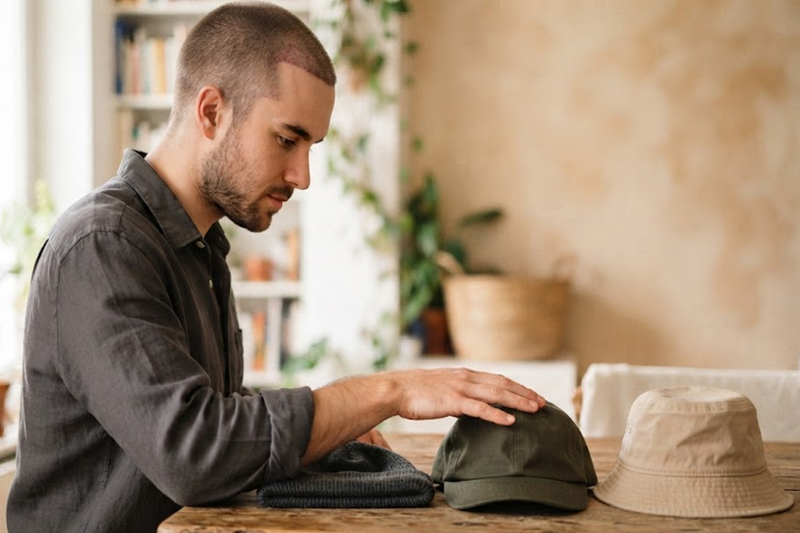
Yes, but you should be careful during the early recovery period. Newly transplanted grafts need time to settle and become securely anchored. Pressure, rubbing, or catching the grafts while putting on or removing a hat can interfere with healing.
Some clinics allow a loose hat relatively early, while others recommend avoiding headwear for about a week or longer. This difference is reflected in real patient experiences as well. Because of this variation, your surgeon’s specific aftercare instructions should always take priority.
Not sure where to start?
Our specialists will assess your scalp biology, graft capacity, and aesthetic goals to create a hair restoration protocol designed entirely for you — from your first consultation onward.
Timeline for Wearing Hats
The following timeline is a general guide rather than a fixed rule. The timing can change depending on your procedure, the location of the grafts, and how your scalp is healing.
| Time After Hair Transplant | Hat Guidance |
|---|---|
| Days 0–3 | Avoid hats unless your surgeon has specifically approved a protective option. Avoid anything that touches or presses on the grafts. |
| Days 4–7 | Some patients may be allowed to wear a very loose, clean hat for short periods. It should not rub against the transplanted area. |
| Days 7–14 | Many patients can gradually return to loose, adjustable hats if healing is progressing normally. |
| Weeks 2–4 | Regular soft hats are generally easier to wear, but tight-fitting styles and helmets may still require caution. |
| After 1 month | Most patients with uncomplicated healing can return to normal hat use, including more structured headwear, according to their surgeon’s advice. |
There is variation between clinics: some surgeons allow loose headwear earlier, while others recommend waiting 7–14 days. The important point is to avoid pressure and friction over the grafts during early healing.
An international expert consensus recommends avoiding pressure on the recipient area during the first two weeks after hair transplantation. It also notes that a loose hat or cap may be used when it does not apply pressure to the transplanted area. Reference: https://pubmed.ncbi.nlm.nih.gov/37477225/
What Type of Hat Is Best After a Hair Transplant?
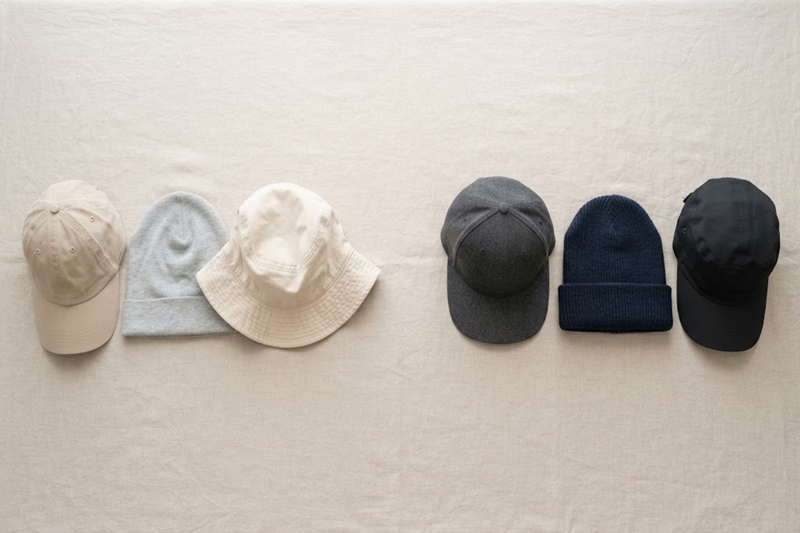
Once your surgeon allows you to wear a hat, choose one that does not press or rub against the transplanted area.
- Loose fit: Avoid tight bands or hats that sit firmly against the scalp.
- Soft material: Choose a fabric that will not irritate the healing skin.
- Clean hat: Wash the hat before use, particularly if you sweat easily.
- Easy to put on and remove: Avoid pulling the hat across the scalp.
A loose, adjustable baseball cap or similar soft hat may be more suitable during the earlier stages than a tight beanie or fitted cap.
Can Wearing a Hat Dislodge Hair Transplant Grafts?
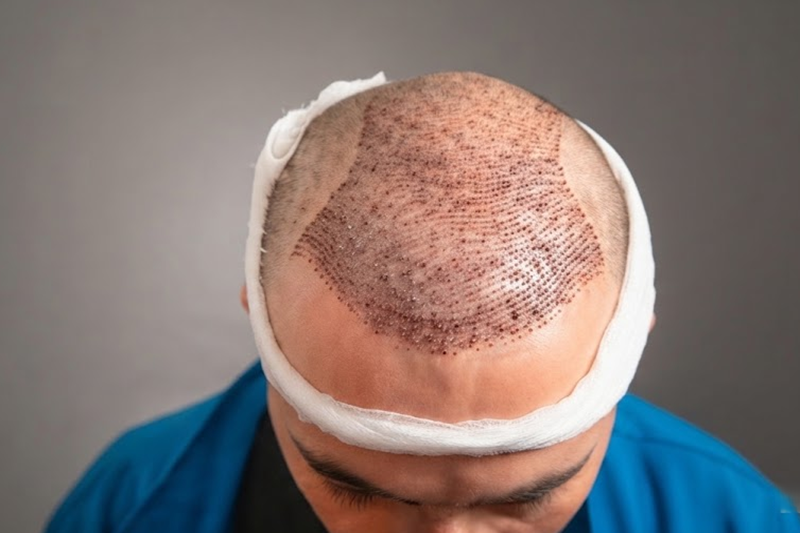
Wearing a hat does not automatically damage transplanted grafts. The concern is how the hat contacts the scalp.
During early healing, a tight hat can create pressure, while putting it on or taking it off can cause friction against the grafts. A hat that catches on scabs may also irritate the healing area.
If you are considering a hair restoration procedure, learning more about hair transplant in Dubai can help you understand the treatment process and recovery requirements
What Do Patients Say About Wearing Hats After a Hair Transplant?
Real patient experiences show why there is no universal hat-wearing timeline.
In a Reddit discussion, patients reported very different instructions from their clinics. One patient said they waited two weeks before regularly wearing a baseball cap. Another was told to wear a loose hat almost immediately to protect the scalp from sun exposure. Other patients reported being allowed to wear a loose hat within the first few days, while their clinics advised waiting longer for helmets.
One patient also reported wearing a loose baseball cap for several hours a day after being cleared by their doctor, while another said their clinic recommended avoiding anything on the head for a month.
These experiences show that the advice from your own hair transplant surgeon matters more than a general timeline found online.
When Can You Wear a Helmet After a Hair Transplant?
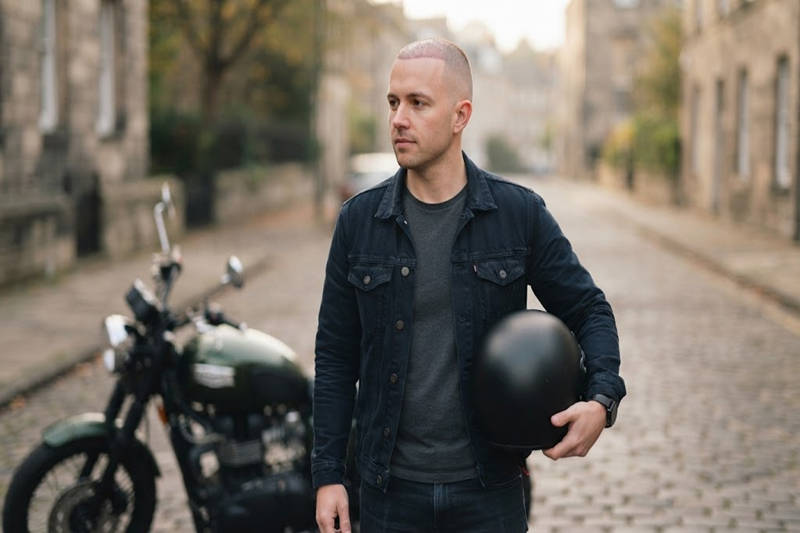
Helmets require more caution than loose hats because they fit tightly against the head and can create sustained pressure, friction, heat, and sweating.
If you regularly need a motorcycle, bicycle, or workplace safety helmet, ask your surgeon when you can safely return to using it. Patient experiences and clinic protocols vary considerably, with some recommendations extending the waiting period to several weeks.
Do not use a helmet simply because you can tolerate a loose hat. The pressure and fit are different.
How Should You Put on a Hat After a Hair Transplant?
Once headwear is approved, put it on carefully to minimize contact with the grafts.
- Use a clean hat that is loose enough not to press against the scalp.
- Hold the hat open before placing it on your head.
- Avoid dragging the hat across the transplanted area.
- Remove it slowly and gently.
- Stop using it if it causes rubbing, pressure, or irritation.
If your surgeon has given you specific instructions for putting on a hat, follow those instructions rather than a general recommendation.
Similar aftercare principles are also important for patients considering eyebrow transplant Dubai, although the specific instructions may differ depending on the procedure.
Not sure where to start?
Our specialists will assess your scalp biology, graft capacity, and aesthetic goals to create a hair restoration protocol designed entirely for you — from your first consultation onward.
Frequently Asked Questions
Can you wear a hat after hair transplant?
Yes, but the timing depends on your healing and your surgeon’s instructions. Loose hats may be allowed within several days for some patients, while others may need to wait 7–14 days.
How long after a hair transplant can I wear a hat?
There is no universal timeline. Your surgeon may allow loose headwear earlier, but tight or restrictive hats usually require a longer waiting period.
Can I wear a baseball cap after a hair transplant?
A loose, adjustable baseball cap may be suitable once your surgeon approves headwear. It should not press against or rub the transplanted area.
Can I wear a beanie after a hair transplant?
A tight beanie can create pressure and friction against the scalp. Wait until your surgeon confirms that it is safe, and choose a soft, loose-fitting option.
Can I wear a helmet after a hair transplant?
Helmets usually require more caution because they fit tightly and create pressure and friction. Ask your surgeon when you can safely return to using a motorcycle, bicycle, or workplace safety helmet.
Can wearing a hat damage transplanted hair?
Wearing a hat does not automatically damage transplanted grafts. However, wearing one too early or allowing it to rub against the grafts can interfere with early healing.
Conclusion
Wearing a hat after a hair transplant can usually be resumed gradually as the scalp heals. The key is to avoid pressure and friction during the early recovery period and follow your surgeon’s specific instructions. When headwear is permitted, choose a clean, loose-fitting option and put it on and remove it gently.
Related Articles
Continue exploring clinical insights from the Helia Medical Journal.
 Hair Restoration & Hair Transplant
Exercise After Hair Transplant: When Can You Work Out?
Table of ContentsWhen Can You Exercise After a Hair Transplant?Exercise After Hair Transplant: Recovery TimelineDays 1–7: Light WalkingWeek 2: Gradually Resume Light CardioAround Week 3: Return to More…
 Hair Restoration & Hair Transplant
Shock Loss After Hair Transplant: Will Your Hair Grow Back?
Table of ContentsWhat Is Shock Loss After Hair Transplant?Why Does Shock Loss Happen After Hair Transplant?Hair Transplant Shock Loss TimelineFirst 1–2 Weeks: Early HealingWeeks 2–8: Shedding May OccurAround…
 Hair Restoration & Hair Transplant
How to Sleep After a Hair Transplant: Protect Your Grafts and Reduce Swelling
Table of ContentsHow Should You Sleep After a Hair Transplant?Why Sleep at a 45-Degree Angle After a Hair Transplant?How to Reduce Swelling While SleepingKeep Your Head ElevatedAvoid Pressure…
Comments
Share your questions or clinical experience with our readers.