
Shock Loss After Hair Transplant: Will Your Hair Grow Back?

Experiencing hair shedding after a hair transplant can be concerning, especially when you expect the newly transplanted hairs to keep growing. However, shock loss after hair transplant is a recognized postoperative phenomenon that can temporarily affect existing or transplanted hair.
The important point is that shedding does not automatically mean the hair follicle has been permanently damaged. After transplantation, the visible hair shaft may shed while the follicle remains in the scalp and later produces a new hair.
Understanding the hair transplant shock loss timeline, the difference between a hair follicle and hair shaft, and the expected recovery process can help you understand what may happen during the first few months after surgery.
What Is Shock Loss After Hair Transplant?
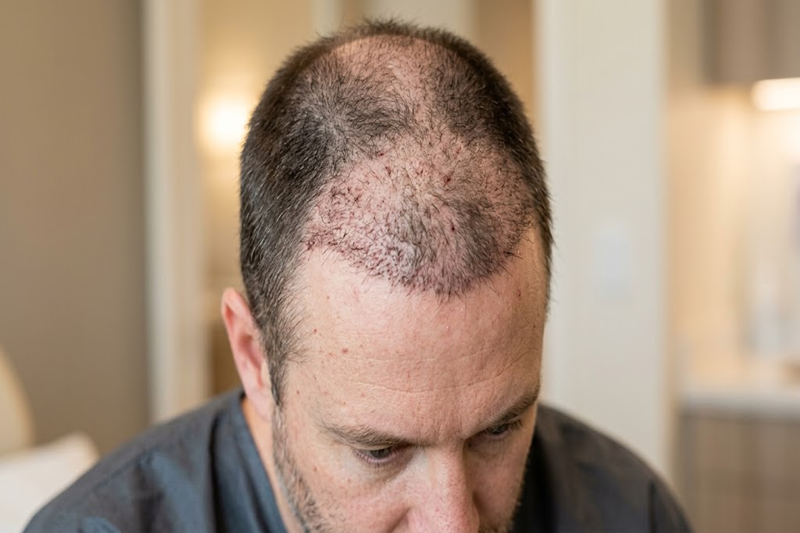
Shock loss after hair transplant refers to temporary shedding that can occur after surgery, particularly in pre-existing or native hairs around the recipient area. In medical literature, this type of postoperative shedding is also described as recipient-site effluvium. It happens when existing hair follicles are temporarily disrupted by the surgical process and enter a resting phase.
It is important to distinguish this from the normal shedding of newly transplanted hair shafts. After a hair transplant, the visible hair shafts attached to transplanted grafts may also shed during the early postoperative period. The follicle itself can remain intact beneath the scalp and later produce new hair as it returns to the growth phase. The ISHRS also describes temporary shedding of transplanted hairs as part of the normal post-transplant growth process.
In other words, recipient-site shock loss mainly involves native hair that was already growing in the treatment area, while shedding of transplanted hair shafts is a separate part of the normal hair transplant growth cycle. Donor-area shedding can also occur, although donor-site effluvium is considered less common.
Not sure where to start?
Our specialists will assess your scalp biology, graft capacity, and aesthetic goals to create a hair restoration protocol designed entirely for you — from your first consultation onward.
Why Does Shock Loss Happen After Hair Transplant?
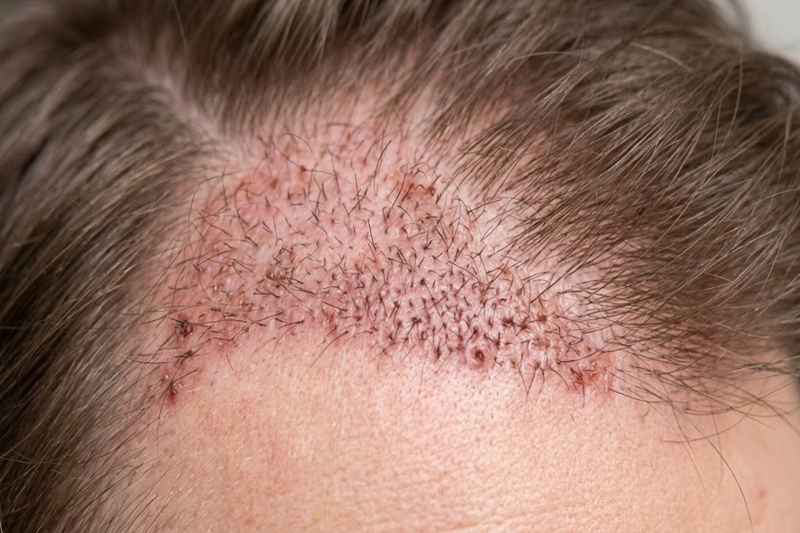
A hair transplant involves creating recipient sites and handling the scalp and hair follicles. This temporary surgical stress can disrupt the normal hair-growth cycle.
Several mechanisms have been proposed, including:
- Physical trauma to existing follicles
- Temporary changes in blood supply
- Local inflammation
Research suggests that recipient-site effluvium can occur after surgery and typically develops within the first several weeks. Research source
The risk may also be influenced by the amount of existing hair in the transplant area. Patients with miniaturized native hairs may be more susceptible to noticeable postoperative shedding.
Hair Transplant Shock Loss Timeline
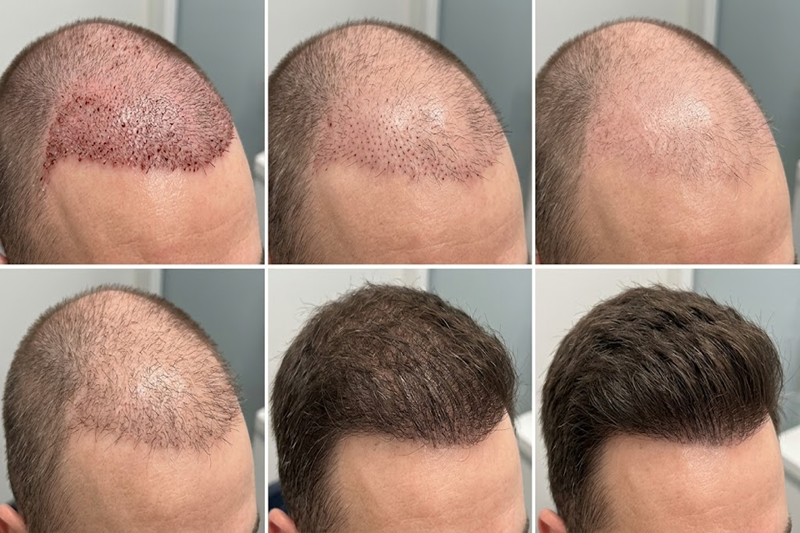
The hair transplant shock loss timeline varies from person to person, so it is better to think of recovery in stages rather than expect an exact date for regrowth.
First 1–2 Weeks: Early Healing
During the first days after surgery, the scalp is primarily focused on healing. Redness, swelling, tenderness, and small crusts can occur as part of normal postoperative recovery.
Weeks 2–8: Shedding May Occur
This is when postoperative shedding can become more noticeable. Studies describe recipient-site shock loss as commonly occurring approximately 2–8 weeks after surgery.
Newly transplanted hair shafts can also shed during this period. This does not necessarily indicate that the transplanted follicles have been lost.
Around Months 2–3: Resting Phase
After shedding, transplanted follicles may remain dormant for a period of time. The scalp can therefore appear relatively thin during this stage.
The ISHRS patient guidance describes transplanted roots remaining dormant for approximately 10–14 weeks before new hairs begin to grow.
Around Months 3–6: Early Regrowth
New hairs can begin emerging as transplanted follicles return to the growth phase. Early hairs may be fine, uneven, or less pigmented than the surrounding hair.
Regrowth does not necessarily occur evenly across the entire recipient area.
Months 6–12: Increasing Density
As more follicles produce growing hairs and the new hairs mature, coverage and density generally become more apparent.
Hair Shaft vs. Hair Follicle: Why This Difference Matters
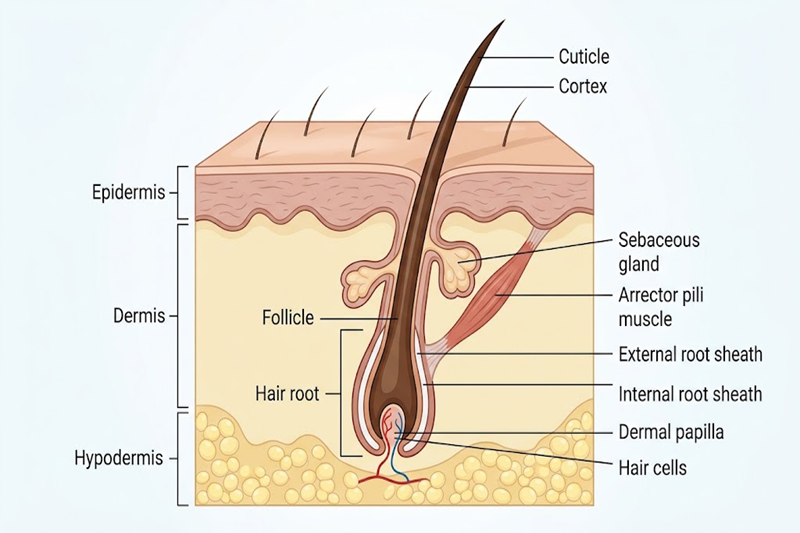
One of the most important things to understand about shock loss after hair transplant is the difference between the visible hair shaft and the follicle beneath the skin.
What Is the Hair Shaft?
The hair shaft is the visible part of the hair that grows above the scalp. It is the part you see and eventually shed.
What Is the Hair Follicle?
The follicle is the structure within the skin that produces the hair. When a hair shaft sheds, the follicle does not necessarily disappear with it.
This is why seeing transplanted hairs fall out during the early recovery period does not automatically mean that the graft has failed.
In fact, transplanted hairs commonly undergo a resting period after surgery before new growth begins.
Recipient Area vs. Donor Area Shock Loss
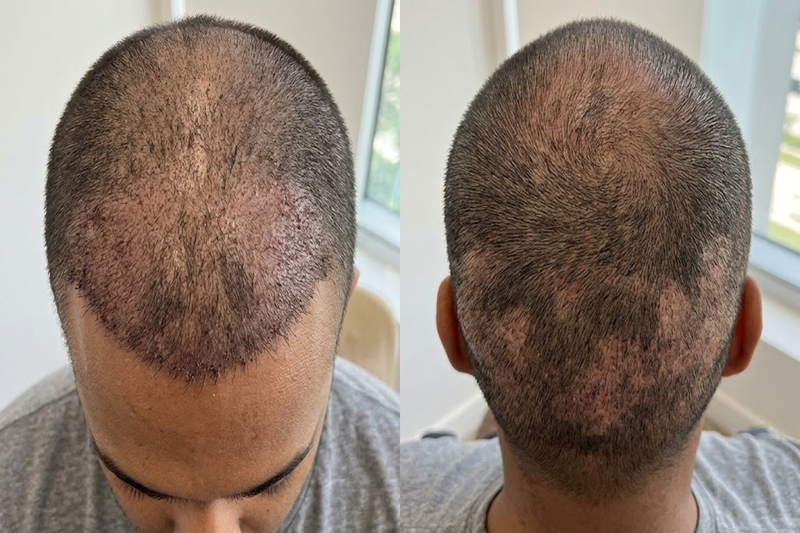
Shock loss can occur in both the recipient and donor areas, but it is not equally common in both.
Recipient Area Shock Loss
Recipient-site shock loss involves existing hairs around the area where new grafts have been implanted. It is generally associated with temporary disruption of the hair-growth cycle after surgery.
Donor Area Shock Loss
Donor area shock loss refers to temporary shedding of existing hairs around the area from which grafts have been harvested.
It appears to be less common than recipient-site shock loss. Reported cases have been associated with factors such as surgical trauma, inflammation, and temporary changes in blood supply.
Donor Area Shock Loss Recovery
Donor area shock loss recovery depends on the cause and the condition of the affected follicles.
When donor-area shedding is temporary, regrowth can occur as the follicles return to their normal growth cycle. Published reviews describe recovery commonly occurring within several months, although the exact timeline varies between patients.
However, persistent donor-area thinning should be evaluated rather than automatically assumed to be temporary shock loss. A surgeon may need to distinguish postoperative shedding from other causes of donor-area thinning, including pre-existing miniaturization or problems related to harvesting.
How Much Shock Loss Is Normal?
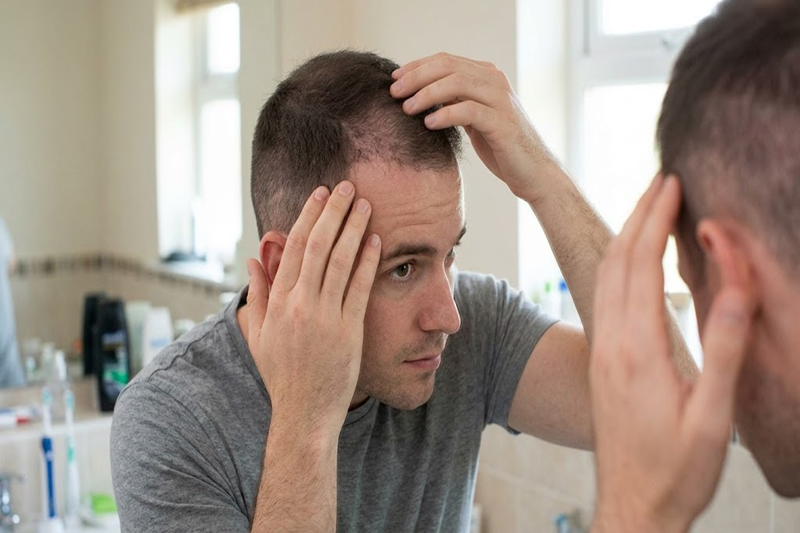
There is no single amount of hair shedding that is considered normal for every patient.
The reported frequency of recipient-site shock loss varies substantially across studies, with a recent review reporting a range of approximately 0.15% to 15%. Differences in surgical techniques, patient characteristics, definitions, and study populations can contribute to this variation.
This means that the amount of shedding alone cannot determine whether a transplant is recovering normally.
The pattern and progression of the hair loss, together with clinical examination, are more useful when evaluating an individual patient.
Will Hair Grow Back After Shock Loss?
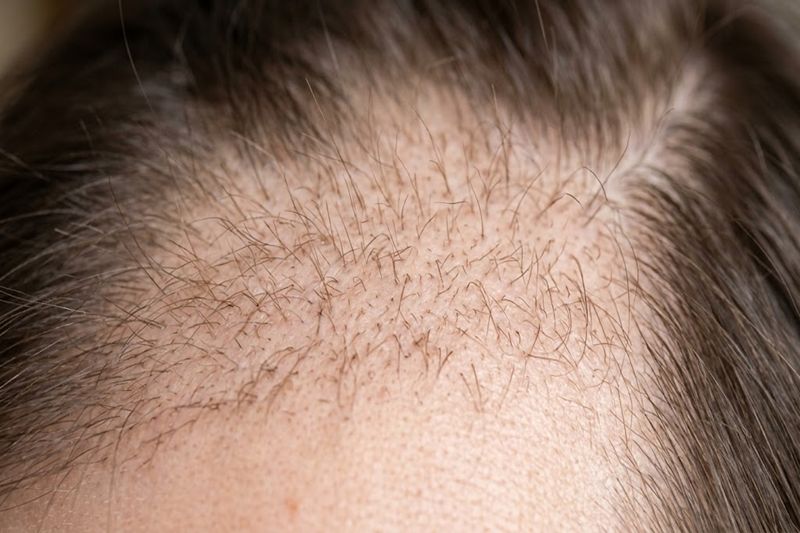
In many cases, yes. When the affected follicles remain viable, the shed hair can be followed by new growth after the follicle completes its resting period.
However, shock loss is not automatically reversible in every situation. Existing miniaturized hairs can sometimes be more vulnerable, and persistent loss may have another underlying cause.
A qualified hair transplant surgeon can determine whether the follicles appear to be recovering normally.
What Can You Do During the Shock Loss Phase?
The most important step is to follow the postoperative instructions provided by your hair transplant surgeon.
Depending on the procedure and your individual circumstances, aftercare may include:
- Avoiding scratching or picking the treated area
- Protecting the scalp from excessive sun exposure
- Avoiding unapproved topical products during early healing
- Attending scheduled follow-up appointments
When Should You Contact Your Hair Transplant Surgeon?
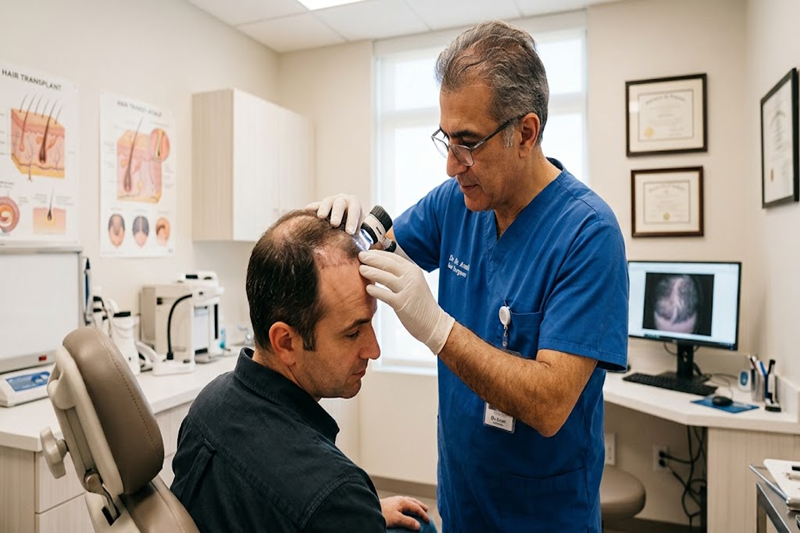
Some shedding is expected during recovery, but not every change in the scalp should automatically be attributed to shock loss.
Contact your surgeon if you experience:
- Persistent or progressively worsening hair loss
- Unexpected changes in the donor area
- Severe or increasing pain
- Significant redness or swelling
- Pus or unusual drainage
- Signs of infection
- Any other change that does not seem consistent with your postoperative instructions
A clinical examination can help distinguish normal postoperative shedding from complications or another form of hair loss.
Can Shock Loss Be Prevented?
Shock loss cannot always be completely prevented because individual follicles can respond differently to surgical stress.
However, careful surgical planning and technique can help reduce avoidable trauma. Appropriate evaluation of the recipient and donor areas before surgery is also important.
The surgeon should consider factors such as existing hair density, miniaturization, donor supply, and the planned number and distribution of grafts.
Not sure where to start?
Our specialists will assess your scalp biology, graft capacity, and aesthetic goals to create a hair restoration protocol designed entirely for you — from your first consultation onward.
Frequently Asked Questions
How long does shock loss last after a hair transplant?
Recipient-site shock loss commonly begins within the first several weeks after surgery. Regrowth can begin around the third month, but the exact recovery period varies between patients.
Is shock loss after hair transplant permanent?
Shock loss is often temporary, but permanent reduction in native hair can occur in some patients, particularly when pre-existing miniaturized hairs are affected. Persistent thinning should be evaluated by a hair transplant surgeon.
Does shock loss mean my hair transplant failed?
No. Hair shedding during the postoperative period does not by itself indicate transplant failure. A transplanted hair shaft can shed while the underlying follicle remains dormant before producing new growth.
Can shock loss happen in the donor area?
Yes. Donor-area shock loss can occur, although it is less common than recipient-site effluvium. It is generally described as temporary, with recovery occurring over the following months in many reported cases.
When will transplanted hair start growing again?
New growth can begin around three months after transplantation, although the timing varies. Hair density and thickness can continue developing for many months afterward.
Conclusion
Shock loss after hair transplant can make the early recovery period stressful, but postoperative shedding does not automatically mean that transplanted follicles have been lost. Understanding the difference between the hair shaft and the follicle helps explain why visible hairs can shed before new growth begins.
The hair transplant shock loss timeline also varies between patients. Shedding commonly occurs during the first several weeks, followed by a resting period and gradual regrowth over the following months. Donor-area shedding can also occur but appears to be less common.
If hair loss is persistent, severe, or accompanied by other concerning symptoms, a professional evaluation is important. Your hair transplant surgeon can assess the donor and recipient areas and determine whether the recovery is progressing as expected.
Interested in this procedure? Book a free evaluation with our specialists.