
Body Hair Transplant (BHT): Can Beard Hair Grow on the Scalp?

When scalp donor hair is limited, a body hair transplant may offer an additional option for restoring hair density. Beard and selected body hair can be transplanted to the scalp using follicular unit extraction (FUE), but their different characteristics require careful planning.
Can beard hair grow on the scalp? Yes. Transplanted beard follicles can continue producing hair on the scalp. However, beard hair often differs from scalp hair in thickness, texture, and growth behavior. Understanding these differences is essential when considering body hair transplantation.
At Helia Clinic, an individualized assessment helps determine whether a hair transplant, body hair transplant, or another restoration approach may be suitable for your goals.
What Is a Body Hair Transplant?
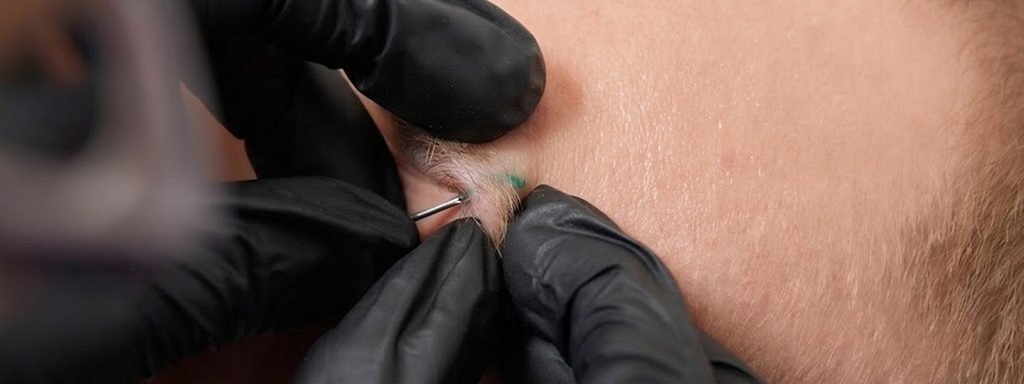
A body hair transplant (BHT) is a hair restoration procedure that uses follicles from non-scalp donor areas, such as the beard or chest, to restore hair on the scalp.
The procedure is commonly performed using FUE, which involves extracting individual follicular units and placing them into areas affected by hair loss.
Body hair transplantation may be considered for patients who:
- Have limited scalp donor hair
- Need additional coverage after previous hair transplant procedures
- Have suitable beard or body hair available
- Require a supplementary donor source for selected restoration goals
Unlike conventional scalp hair transplantation, body hair transplantation involves donor follicles with different growth patterns and physical characteristics. These differences should be considered during treatment planning.
Can Beard Hair Grow on the Scalp?
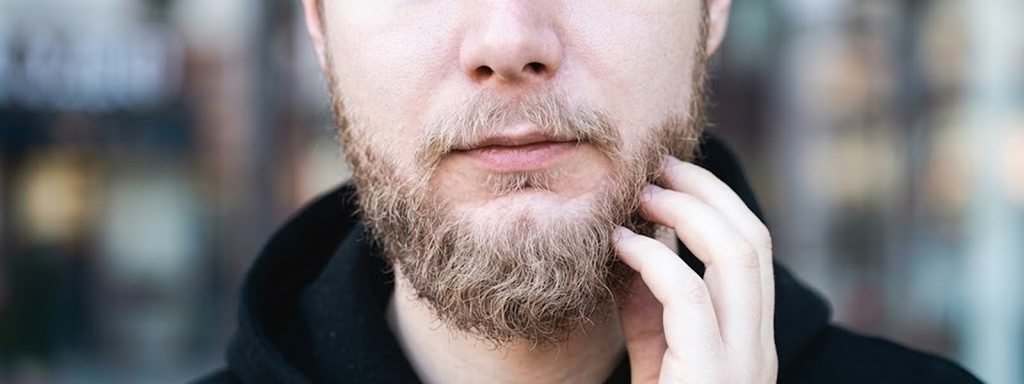
Yes, beard hair can grow after being transplanted to the scalp.
A beard hair to head transplant involves extracting suitable follicles from the beard area and implanting them into selected regions of the scalp. Once the follicles establish themselves, they can produce hair in their new location.
However, transplanted beard hair generally retains many of its original characteristics. It may remain thicker, coarser, or curlier than native scalp hair.
For this reason, beard hair is often considered for areas such as the midscalp, crown, or selected areas requiring additional coverage. Its use in the hairline requires particular attention to hair thickness and texture to support a natural appearance.
The suitability of beard grafts depends on the individual patient, donor hair quality, and the surgeon’s restoration strategy.
Scalp vs Beard vs Body Hair: Key Differences
Hair from different donor areas can vary in thickness, growth length, curl, and growth cycle. These differences affect how the hair may be used during a body hair transplant.
| Characteristic | Scalp Hair | Beard Hair | Chest Hair |
|---|---|---|---|
| Texture | Variable and often suitable for scalp restoration | Frequently thicker and coarser | Variable, depending on the individual |
| Growth length | Usually grows longer | Can be thick and curly | Often shorter than scalp hair |
| Growth cycle | Generally longer growth phase | Different from scalp hair | Often shorter growth phase |
| Common role | Primary donor source | Supplementary donor source | Selected supplementary donor source |
| Main consideration | Donor density and hair loss | Thickness, curl, and compatibility | Density, growth length, and texture |
These are general characteristics, not fixed rules. Hair properties vary between individuals and even across different areas of the same donor region.
When Are Chest Hair Grafts Used?
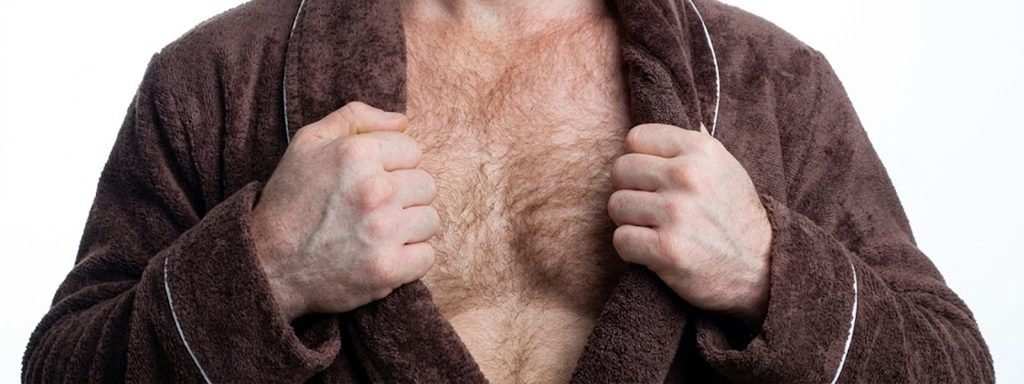
Chest hair grafts may be considered when a patient has insufficient scalp donor hair and suitable chest hair is available.
Chest hair can provide an additional donor source in selected body hair transplantation procedures. However, it may differ from scalp hair in thickness, length, and growth behavior.
Before considering chest hair grafts, the surgeon may evaluate:
- Donor hair density
- Hair shaft thickness
- Growth length
- Follicular unit characteristics
- The amount of hair available for harvesting
- The intended scalp recipient area
Chest hair may be combined with scalp or beard hair in certain restoration plans. The decision depends on the patient’s donor supply and the characteristics of the available follicles.
Who Is a Candidate for Body Hair Transplant?

Body hair transplantation is generally considered for carefully selected patients with suitable non-scalp donor hair and realistic restoration expectations.
Potential candidates may include individuals who:
- Have advanced hair loss and limited scalp donor reserves
- Have undergone previous hair transplant procedures
- Need supplementary donor hair for additional coverage
- Have adequate beard or chest hair density
- Understand the differences between body hair and scalp hair
A consultation should evaluate the cause and stability of hair loss, scalp condition, donor hair quality, and the patient’s treatment goals.
Not every patient with limited scalp donor hair is a suitable candidate for body hair transplantation. The availability of body hair alone does not guarantee an appropriate donor supply or a predictable cosmetic outcome.
Donor Depleted Restoration: Can Body Hair Help?
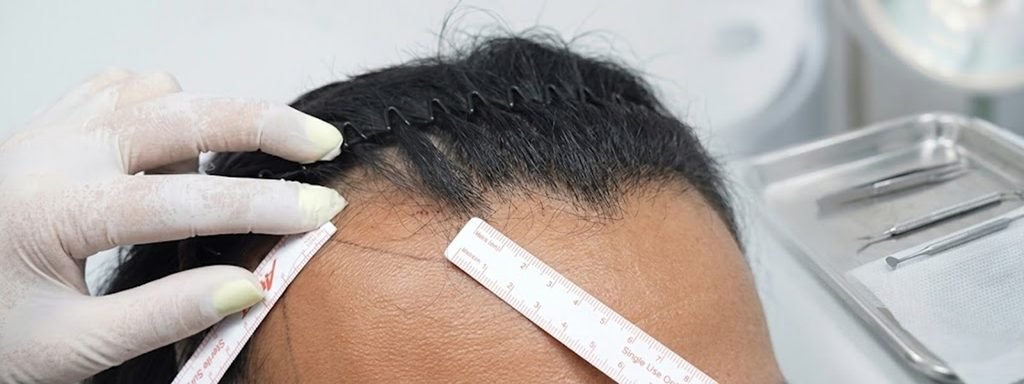
Donor depleted restoration refers to hair restoration planning for patients who have limited donor hair remaining, often after previous transplant procedures or extensive hair loss.
When the scalp donor area cannot provide enough follicles for the intended restoration, selected body hair may be considered as a supplementary source.
Beard hair and chest hair are among the non-scalp donor areas used in selected cases. Their potential role depends on hair characteristics, donor density, and the location requiring restoration.
Body hair transplantation does not create an unlimited donor supply. It also cannot guarantee the same growth pattern, coverage, or appearance as scalp hair.
For patients considering donor depleted restoration, a detailed assessment is important to establish realistic goals and determine whether additional donor sources may be appropriate.
How Is a Body Hair Transplant Performed?
Body hair transplantation is commonly performed using FUE, although the specific technique depends on the donor area and the patient’s treatment plan.
1. Donor Area Assessment
The surgeon evaluates the scalp, beard, or body donor areas to determine hair density, thickness, growth direction, and harvesting suitability.
2. Personalized Treatment Planning
The recipient areas and required coverage are assessed. The plan may involve scalp hair alone or a combination of scalp, beard, and body hair.
3. Follicular Unit Extraction
Suitable follicles are extracted individually using specialized instruments. Body and beard hair harvesting can be technically challenging because of differences in follicle depth, orientation, and skin characteristics.
4. Graft Placement
The harvested follicles are implanted into prepared recipient sites. Placement is planned according to the characteristics of the donor hair and the appearance of the surrounding scalp hair.
5. Recovery and Follow-Up
After the procedure, patients receive aftercare instructions and follow-up recommendations. Hair growth and the final cosmetic result vary between individuals.
What Are the Limitations of Body Hair Transplantation?

Body hair transplantation can provide an additional donor source in selected cases, but it has important limitations.
Hair characteristics: Beard and body hair may differ from scalp hair in thickness, curl, and growth length.
Growth behavior: Transplanted body hair may retain characteristics of its original growth cycle, and long-term behavior can vary.
Technical complexity: Non-scalp follicles may require specialized harvesting techniques because their depth and direction can differ from scalp follicles.
Donor availability: Not all body hair is suitable for transplantation, and the amount of usable hair varies between individuals.
Realistic expectations: Body hair transplantation may supplement scalp donor hair, but it is not a guaranteed substitute for conventional scalp hair transplantation.
A professional assessment helps determine whether the potential benefits and limitations align with the patient’s goals.
Body Hair Transplant vs. Traditional Hair Transplant
The main difference between these procedures is the source of the donor follicles.
| Feature | Traditional Hair Transplant | Body Hair Transplant |
|---|---|---|
| Donor source | Scalp | Beard, chest, or selected body areas |
| Common technique | FUE or FUT, depending on the plan | Commonly FUE |
| Hair matching | Usually more closely matched to scalp hair | Varies by donor region |
| Main consideration | Scalp donor availability | Donor suitability and hair characteristics |
| Potential role | Primary hair restoration | Supplementary restoration in selected cases |
In some treatment plans, scalp and non-scalp donor hair may be combined to address specific restoration needs.
Frequently Asked Questions About Body Hair Transplant
1. Can beard hair grow on the scalp after a transplant?
Yes, transplanted beard follicles can grow hair on the scalp. However, beard hair may retain its original thickness, texture, and growth characteristics, so results vary between patients.
2. Is body hair transplant suitable for people with limited donor hair?
A body hair transplant may be considered for patients with limited scalp donor hair, including selected cases following previous hair transplant procedures. Suitability depends on donor hair quality, density, and individual restoration goals.
3. Can chest hair be used for a hair transplant?
Yes, chest hair grafts may be used in selected cases as an additional donor source. The surgeon must assess chest hair characteristics and determine whether it is suitable for the intended recipient area.
4. Is body hair transplantation the same as a traditional hair transplant?
No. Traditional hair transplantation generally uses scalp donor hair, while body hair transplantation uses follicles from areas such as the beard or chest. Body hair may have different growth patterns and textures.
5. How do I know if I am a candidate for body hair transplant?
A professional consultation is necessary to assess your hair loss pattern, donor hair availability, scalp condition, and restoration expectations. The assessment helps determine whether body hair transplantation may be appropriate for you.
Conclusion
A body hair transplant can provide an additional donor source for selected patients experiencing hair loss, particularly those with limited scalp donor hair or previous transplant procedures.
Beard hair to head transplant procedures and chest hair grafts may support individualized restoration plans, but differences in hair characteristics and growth behavior must be considered.
At Helia, a personalized consultation helps evaluate your donor hair, scalp condition, and restoration goals to determine which hair transplant approach may be suitable for your needs.
Contact Helia today to explore your hair restoration options.
Interested in this procedure? Book a free evaluation with our specialists.