
FUE vs FUT Hair Transplant: Which One Gives Better Results?

If you are comparing FUE vs FUT hair transplant, both techniques can provide natural and long-lasting hair restoration when the right patient is matched with the right procedure. The main difference is how hair follicles are removed from the donor area, which affects scarring, recovery, graft harvesting, and treatment planning.
So, which one should you choose? The answer depends on your hair loss pattern, donor hair, desired hairstyle, number of grafts needed, and long-term restoration goals.
FUE vs FUT Hair Transplant: What Is the Difference?
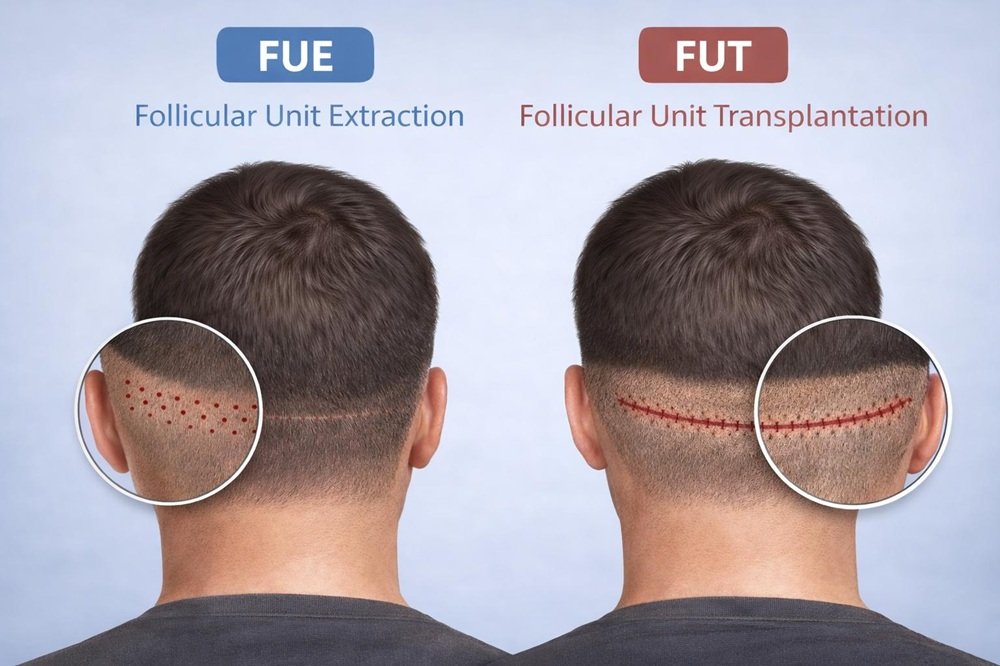
FUE (Follicular Unit Excision) removes individual follicular units from the donor area using small punches. The extracted grafts are then transplanted into areas affected by hair loss.
FUT (Follicular Unit Transplantation), also known as strip harvesting, removes a narrow strip of scalp from the donor area. Follicular units are then carefully separated from the strip before being transplanted.
The key difference is the graft-harvesting method. Both techniques can be used to create a natural-looking hairline and restore density when performed with appropriate planning and surgical technique.
| Factor | FUE | FUT |
|---|---|---|
| Graft harvesting | Individual follicular units | Strip of scalp |
| Donor scar | Multiple small scars | Linear scar |
| Short hairstyles | Generally more suitable | May make the linear scar more noticeable |
| Donor-area discomfort | Generally less | May involve more tightness or discomfort |
| Large graft requirements | Possible depending on donor capacity | Can be useful for efficient harvesting |
| Donor shaving | Often required or preferred | Usually less extensive |
| Best choice | Depends on individual factors | Depends on individual factors |
Neither method is automatically better for every patient.
FUE vs FUT Success Rate: Which Has Better Results?
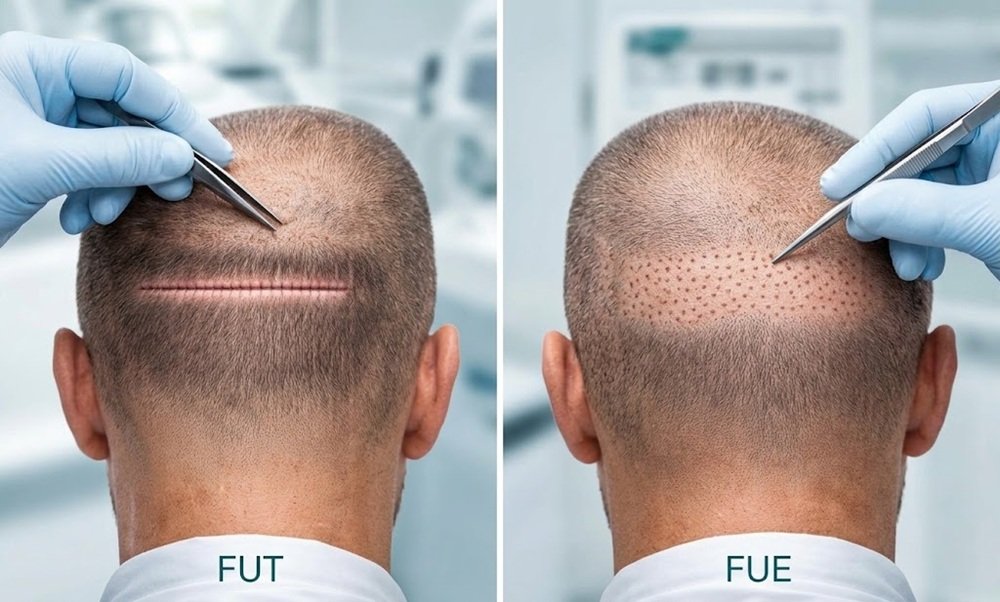
When researching FUE vs FUT success rate, it is important to understand that there is no single success percentage that applies to every patient or clinic.
Research has found that both FUE and FUT can produce high-quality follicular grafts, and current evidence does not establish one harvesting method as universally superior. The final outcome can be affected by donor hair quality, graft handling, surgical technique, recipient-site design, and postoperative care.
Factors that can influence the outcome include:
- Donor hair density and quality
- Number of grafts required
- Graft extraction and handling
- Hairline design
- Graft placement and direction
- Progression of existing hair loss
- Surgeon experience
- Postoperative care
For this reason, comparing clinics based only on an advertised “success rate” may not provide a complete picture.
FUE vs FUT Scar Comparison
Scarring is one of the most important differences between FUE and FUT.
With FUE, follicular units are removed individually through small punch openings. These create multiple small scars distributed throughout the donor area. When properly performed and healed, they are generally less noticeable than a linear scar, particularly when the surrounding hair provides adequate coverage.
With FUT, a strip of scalp is removed and the donor area is closed, leaving a linear scar. The scar is usually positioned within the hair-bearing donor area, but it can become more visible when the hair is cut very short.
One important point is that FUE is not completely scarless. Both FUE and FUT involve surgical incisions and therefore create scars. The difference is mainly in the pattern and appearance of the scarring.
FUE vs FUT Healing Time and Recovery
Recovery can also differ between the two procedures.
FUE generally involves small extraction sites rather than a linear donor wound, and patients may experience less donor-area discomfort. FUT involves healing of the linear donor incision and can cause more tightness or discomfort during the early recovery period.
The appearance of the donor area during early healing can also vary. FUE may involve small scabs and redness around extraction sites, while the FUT incision is generally covered by surrounding hair when the donor area is not shaved.
Recovery is individual, so your surgeon’s postoperative instructions should take priority over general timelines.
Which Gives a More Natural Hairline: FUE or FUT?
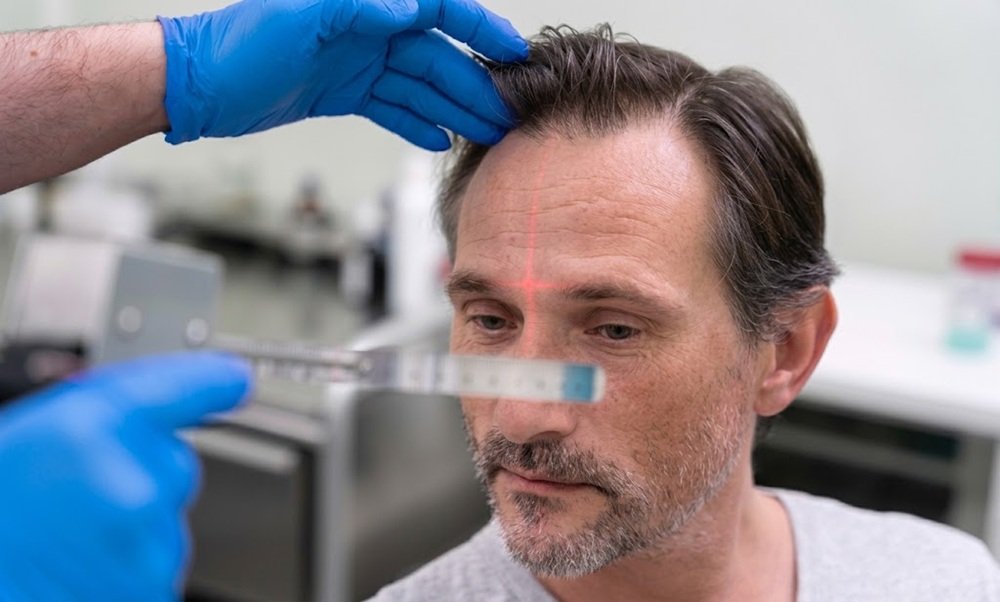
Neither FUE nor FUT automatically produces a more natural hairline.
Natural-looking results depend on factors such as:
- Hairline design
- Appropriate graft selection
- Graft placement
- Hair direction and angle
- Density planning
- Matching transplanted hair with existing hair
- Surgeon experience
Both FUE and FUT can provide natural-looking results because the transplanted follicular units can be placed according to the patient’s natural hair-growth pattern.
When reviewing before-and-after photos, look for patients with a similar level and pattern of hair loss. Long-term results are also more informative than photographs taken shortly after surgery.
When Is FUE Usually a Better Fit?
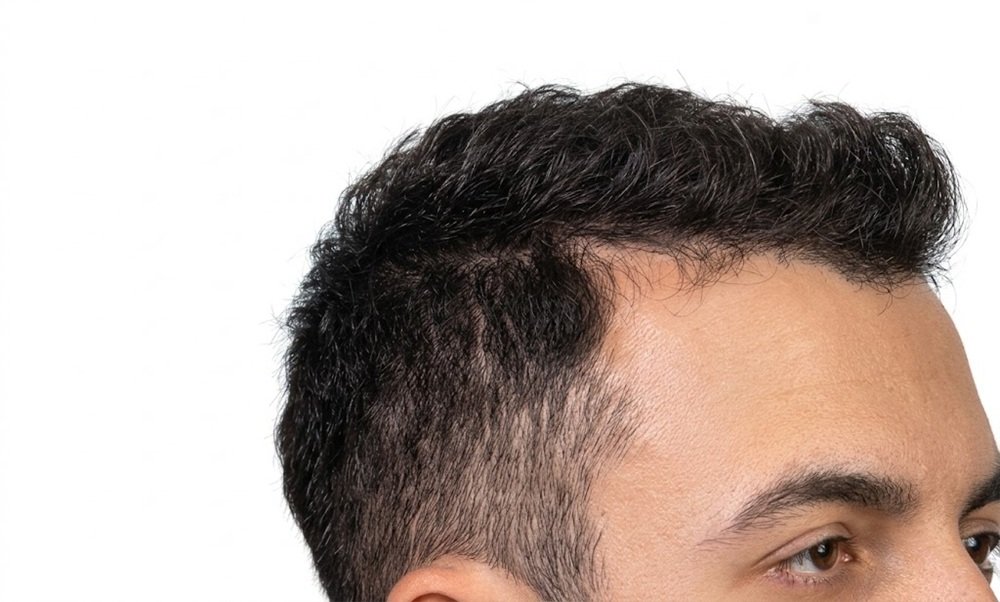
FUE may be worth considering if minimizing the appearance of a linear donor scar is an important priority.
It may be suitable for patients who:
- Prefer to wear their hair relatively short
- Are concerned about a linear scar
- Have an adequate donor area for individual extraction
- Prefer generally less donor-area discomfort
- Need a small to moderate number of grafts
- Have donor characteristics that make FUE appropriate
However, FUE still requires careful planning. Removing too many grafts from a limited donor area can lead to excessive donor depletion and visible thinning.
If you are considering FUE as your hair restoration option, learn more about FUE Hair Transplant in Dubai, including the procedure, candidacy, and what to expect from treatment.
When Can FUT Be a Better Fit?
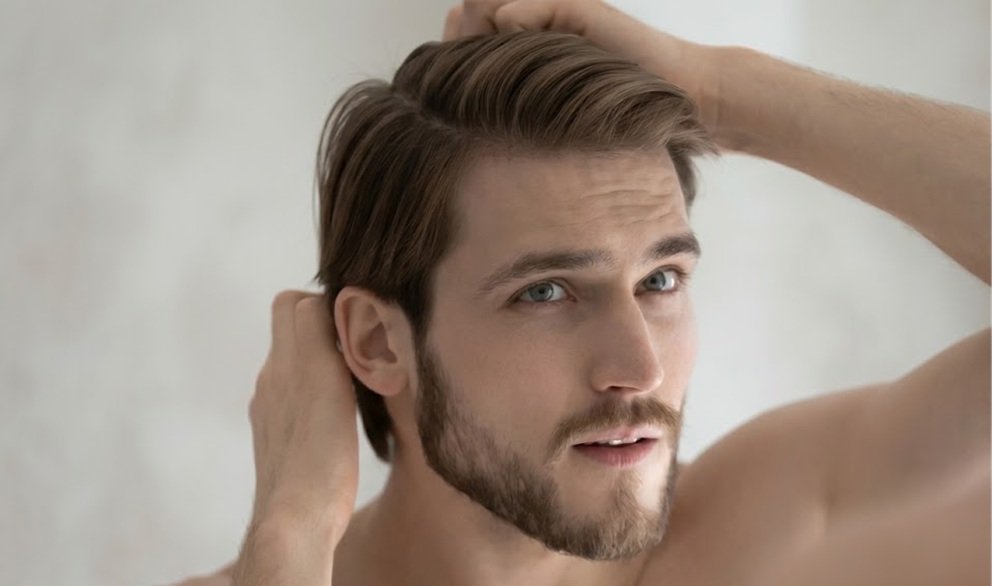
FUT remains a useful option for selected patients.
It may be considered when:
- A substantial number of grafts is needed
- The patient normally keeps enough hair length to conceal a linear scar
- The donor area has suitable scalp laxity
- Efficient strip harvesting is appropriate
- The surgeon wants to preserve different harvesting options for future procedures
Modern guidance from the International Society of Hair Restoration Surgery (ISHRS) emphasizes that technique selection should be individualized according to the patient’s characteristics, the surgeon’s experience, and the overall treatment plan.
FUE vs FUT for a Large Hair Transplant
When extensive hair restoration is required, the decision becomes more individualized.
FUT can allow a surgeon to harvest a substantial number of follicular units from a single strip. FUE can also be used for larger graft numbers, but the donor area’s density, extraction pattern, and risk of overharvesting must be considered.
There is no universal graft number at which FUE automatically becomes better than FUT, or vice versa.
A good treatment plan should consider your lifetime donor supply, not only the number of grafts required for your first procedure. This is particularly important because existing non-transplanted hair can continue to thin over time.
FUE vs FUT for Different Hair Loss Patterns
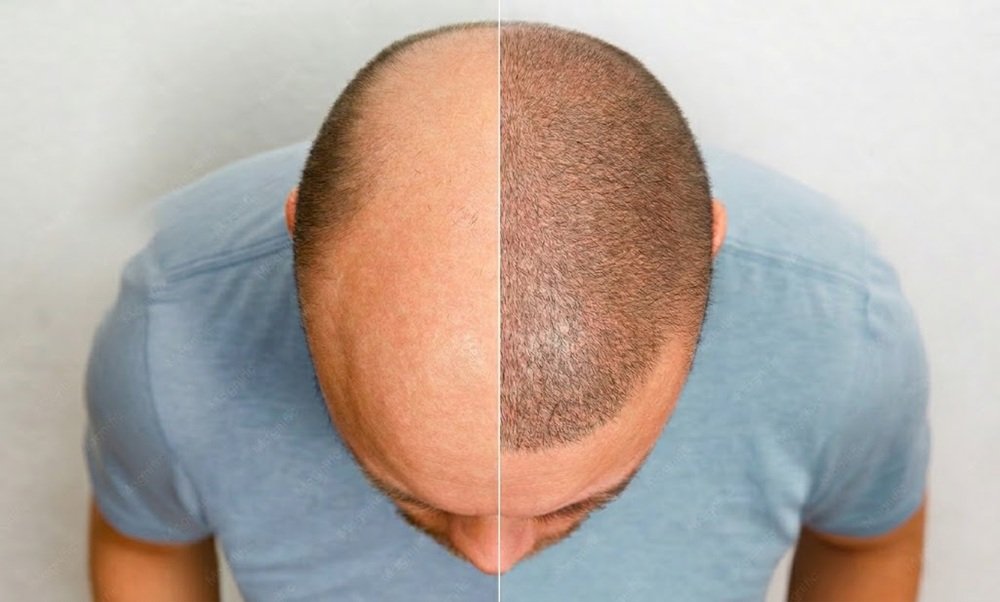
The appropriate technique can also depend on the pattern and extent of hair loss.
A patient with early frontal recession may have very different requirements from someone with extensive frontal and crown thinning.
During a consultation, the surgeon should evaluate:
- Current hair loss pattern
- Donor density and quality
- Expected progression of hair loss
- Number of grafts required
- Scalp characteristics
- Preferred hairstyle
- Previous hair transplant procedures
- Long-term restoration goals
This individualized assessment helps determine whether FUE, FUT, or a combination of approaches is appropriate.
FUE vs FUT Hair Transplant Cost
The cost of a hair transplant is not determined by the harvesting technique alone.
Factors that can affect the total cost include:
- Number of grafts required
- Extent of hair loss
- Surgical complexity
- Surgeon’s experience
- Clinic location
- Procedure and facility costs
- Additional treatments or follow-up care
Because graft requirements vary considerably between patients, a consultation is more useful than relying on a standard price for FUE or FUT.
Modern Consensus: What Does ISHRS Say About FUE vs FUT?
The modern approach is not that FUE has completely replaced FUT.
ISHRS recognizes both FUE and FUT as established hair-transplant harvesting techniques. Its clinical guidance emphasizes selecting the appropriate technique based on patient characteristics, the surgeon’s expertise, and the overall treatment plan.
ISHRS also emphasizes that hair transplantation should not be described as completely “scarless.” Both techniques create scars, although their appearance and distribution are different.
This means the most useful question is not simply “Which technique is newer?” but “Which harvesting method is appropriate for my donor area, hair loss pattern, hairstyle, and long-term goals?”
FUE vs FUT Hair Transplant: Which One Should You Choose?
Your priorities can help narrow down the options:
| If your priority is… | Discuss with your surgeon |
|---|---|
| Keeping your hair relatively short | FUE |
| Minimizing the appearance of a linear scar | FUE |
| Generally less donor-area discomfort | FUE |
| A substantial number of grafts | FUE or FUT, depending on donor capacity |
| You normally keep your hair longer | FUE or FUT |
| You have limited donor hair | Individual assessment is essential |
| You have previously undergone FUE | FUT may be considered in selected cases |
| You want a natural-looking result | Both techniques can achieve this with appropriate planning |
A Simple Decision Guide
FUE may make more sense if:
You want to keep your hair short, are particularly concerned about a linear scar, and have sufficient donor density for individual extraction.
FUT may make more sense if:
You are comfortable keeping your hair longer, need a substantial number of grafts, and your surgeon determines that strip harvesting is appropriate for your donor area.
You may need a more individualized plan if:
You have limited donor density, advanced hair loss, previous transplant surgery, or concerns about future hair loss.
Ultimately, the technique should be selected after assessing your donor area, current hair loss, expected future progression, graft requirements, and desired hairstyle.
Frequently Asked Questions
Is FUE better than FUT?
Neither technique is universally better. The appropriate option depends on the patient’s donor area, hair-loss pattern, graft requirements, hairstyle, and long-term goals.
Which has a higher FUE vs FUT success rate?
There is no universally accepted success rate proving that FUE or FUT is superior. Both techniques can produce good results when appropriately selected and performed with proper surgical technique.
Does FUE leave a scar?
Yes. FUE creates small scars at individual extraction sites. These are generally less noticeable than the linear scar associated with FUT, but FUE should not be considered completely scarless.
Does FUT leave a permanent scar?
FUT creates a linear donor scar. Its visibility varies depending on healing, scar characteristics, hair density, and how short the hair is worn.
Which heals faster, FUE or FUT?
FUE generally involves small extraction sites, while FUT requires healing of a linear donor incision. Recovery varies from person to person.
Which method gives a more natural result?
Both FUE and FUT can produce natural-looking results. Hairline design, graft placement, donor quality, and surgical expertise are important factors in the final appearance.
Can you have FUE after FUT?
In selected patients, FUE can be performed after FUT. The decision depends on remaining donor hair, previous scarring, hair-loss progression, and the overall treatment plan.
Can you have FUT after FUE?
FUT may be considered after a previous FUE procedure in selected patients. A surgeon needs to assess the donor area and previous extraction pattern before recommending another harvesting technique.
Which is better for a large number of grafts?
Both techniques can be used for substantial graft requirements. FUT may be useful for efficient strip harvesting in selected patients, while FUE can also provide large numbers of grafts when donor capacity allows.
Is FUE completely scarless?
No. FUE creates small scars where follicular units are extracted. The key difference from FUT is that FUE produces scattered small scars rather than one linear donor scar.
Conclusion
Choosing between FUE vs FUT hair transplant depends on your donor hair, hair-loss pattern, desired hairstyle, graft requirements, and long-term restoration goals. FUE can be a suitable option for patients who prioritize less noticeable donor scarring and shorter hairstyles, while FUT may be considered when efficient harvesting of a larger number of grafts is important.
Neither technique guarantees better results for every patient. A personalized assessment by an experienced hair transplant surgeon can determine which approach is better suited to your donor area and restoration plan.
Interested in this procedure? Book a free evaluation with our specialists.