
Hide a Hair Transplant: Secrets to Natural Results

Restoring your hair should feel empowering, not like a public reveal you are forced to manage. Fortunately, knowing how to hide a hair transplant allows you to regain your density on your own terms—without social isolation or obvious surgical signs.
Modern procedures like Unshaven DHI place new grafts directly between existing strands, using your natural hair as instant camouflage from day one. Paired with proper post-care and subtle styling tweaks, you can return to your daily routine almost immediately with complete privacy and seamless, natural results.
How to Hide a Hair Transplant and Restore Hair Without Anyone Knowing

Modern hair restoration technologies have eliminated linear scars, severe swelling, and obvious plug-like grafts. Today, advanced, minimally invasive techniques paired with a smart recovery plan make a discreet procedure fully achievable.
Techniques like Direct Hair Implantation (DHI) or non-shaven FUE extract and place individual follicles between long strands without requiring a full head shave. Your existing hair stays at its normal length, acting as a natural shield over donor and recipient areas.
Core Principles for Natural-Looking Results
- Micro-Irregularities: Soft, single-hair grafts placed along a subtly uneven hairline prevent a stiff, artificial look.
- Density Gradient: Gradually building density behind the front edge avoids a harsh, dense border.
- Natural Growth Angles: Implanting follicles at precise angles ensures new growth flows seamlessly with native hair.
Technique Comparison for Discretion
| Technique | Shaving Requirement | Recovery Visibility | Stealth Level |
| Traditional FUT (Strip) | Shaved donor strip | High (linear scar & redness) | Low |
| Standard FUE | Full head shave | High (short hair & visible scabs) | Medium |
| Unshaven DHI / Micro-FUE | No shaving in recipient area | Minimal (hidden by existing hair) | Exceptional |
While traditional FUT leaves a linear scar and standard FUE calls for a complete shave, non-shaven DHI allows surgeons to work around existing long hair, preserving your usual look right from day one.
Step-by-Step Procedure Guide: How to Hide a Hair Transplant at Every Stage

Managing each phase properly keeps your treatment private:
Phase 1: Pre-Procedure Planning
- Grow Existing Hair: Keep hair slightly longer around donor and recipient zones to cover extraction marks.
- Strategic Timing: Schedule your session before a long weekend or holiday to cover the initial recovery phase.
- Simple Cover-Up Explanations: Attribute any temporary redness to a scalp sunburn or a new shampoo reaction.
Phase 2: The Procedure Day
- Opt for Unshaven DHI: Avoid drastic haircuts and visible trauma by keeping your surrounding hair intact.
- Natural Hairline Framing: Ensure soft, single-hair grafts are placed at the front edge for a realistic hairline.
Phase 3: Post-Procedure Care (Days 1–10)
- Keep Scalp Hydrated: Use saline spray regularly to reduce dark crust formation.
- Gentle Washing: Wash softly with lukewarm water and mild shampoo to clear scabs faster.
- Elevated Sleeping: Rest at a 45-degree angle for the first few nights to prevent facial swelling.
Social Downtime Timeline
Understanding your recovery timeline helps you schedule social engagements with confidence:
- Days 1–3: Rest at home while minor redness and mild swelling subside.
- Days 4–7: Protective crusts form; wear a loose, surgeon-approved hat when stepping out.
- Days 8–14: Scabs naturally wash away, clearing most visible signs by day 14.
- Weeks 2–4: Temporary shedding (shock loss) occurs, bringing your hair back to its pre-op look while roots remain safe beneath the skin.
- Months 3–6: Permanent new hair begins growing gradually at roughly one centimeter per month.
Smart Styling Hacks to Hide a Hair Transplant During Recovery

Camouflage Cosmetics: After day 10, use lightweight hair fibers to mask thin patches.
Change Your Parting: Comb native hair forward or sideways to shield graft areas.
Strategic Headwear: Wear loose, breathable bucket hats or soft caps that apply no pressure to grafts.
Shift Visual Focus: Changing your beard style or wearing new glasses naturally draws attention away from your hairline.
Managing Work and Daily Activities
- Workplace Return: Desk-based professionals can resume remote work within two days or return to the office after day 10 once scabs clear.
- Physical Exertion: Avoid heavy weightlifting, intense cardio, and sweating for two weeks to protect fresh grafts and prevent swelling.
Maintaining Natural Hair Density
Preserving your existing hair around new grafts ensures your results stay seamless over time. Using approved topical or maintenance therapies prevents future thinning behind the restored hairline, keeping your transformation completely undetectable long-term.
Choosing the Right Clinic to Hide a Hair Transplant Discreetly
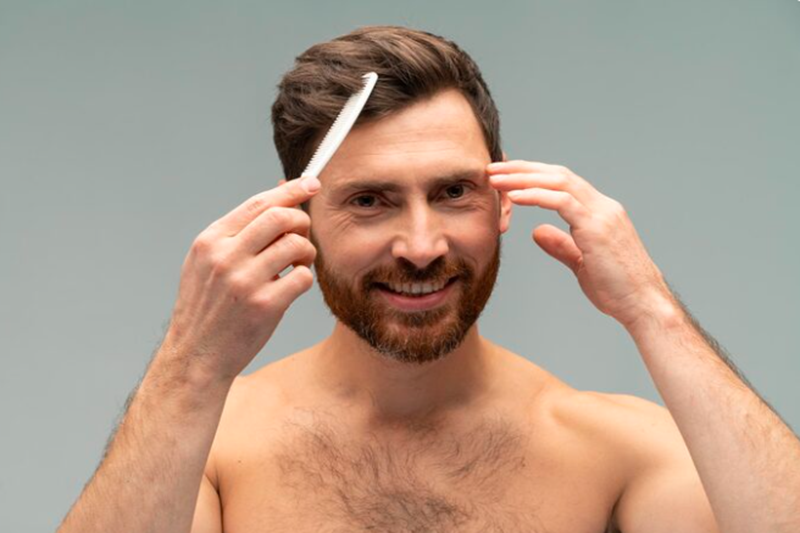
The privacy of your medical journey depends significantly on the facility you select. Specialized clinics design their infrastructure specifically to accommodate high-profile individuals and patients seeking confidentiality.
Look for clinics that provide private surgical suites, dedicated recovery spaces, and non-disclosure commitments. A clinic experienced in non-shaven techniques will also possess the specialized tools required for high-density implantation between existing long hairs.
Before/After Privacy and Natural Results
Subtle transformations rely on surgical precision: micro-punches prevent linear donor scars, precise angling matches native growth, and single-hair grafts frame the face softly.
Because new growth appears gradually over several months, friends and colleagues will simply notice you looking progressively fuller-haired without suspecting a procedure took place. Top clinics also offer private entrances and discreet consultation rooms to protect patient privacy throughout the process.
The Ultimate Solution for Maximum Stealth
For absolute discretion and zero disruption to your daily routine, non-shaven techniques are the gold standard. If keeping your existing hairstyle is a priority, you can learn more about the Unshaven Hair Transplant Dubai option and whether it may be suitable for your needs to achieve dense, permanent hair restoration completely free from visible surgical marks or the need to shave your head.
Frequently Asked Questions
How long after a procedure can I go back to work and hide a hair transplant?
With non-shaven DHI or a brief 7- to 10-day break, scabs wash away completely, allowing you to return to work while successfully keeping your procedure invisible.
When can I safely wear a hat to hide a hair transplant?
You can wear a loose-fitting bucket hat or soft cap around days 5 to 7 post-surgery. Avoid tight caps or helmets for at least 14 days to protect new grafts.
Is it easier to hide a hair transplant with long hair?
Yes, having longer native hair on top and on the sides allows your surrounding strands to act as a natural shield, making it significantly easier to cover graft areas.
Will there be permanent scars if I try to hide a hair transplant using FUE or DHI?
Modern DHI and Micro-FUE leave microscopic dot-like micro-scars that remain virtually undetectable, even with short haircuts.
What excuse should I use to hide a hair transplant if my scalp looks red?
Attributing mild scalp redness to a minor sunburn, a new shampoo reaction, or a dermatological scalp treatment is a simple, believable explanation.
How do I hide a hair transplant during the temporary shock loss phase?
Between weeks 2 and 4, temporary shedding occurs naturally. You can comb existing hair over sparse zones or use lightweight hair fibers after day 10 until new growth begins.
What styling hacks work best to hide a hair transplant in early recovery?
Sweeping hair forward, changing your parting, and shifting visual focus with a new beard style or eye frames are effective ways to keep the hairline discreet.
Conclusion
Knowing how to hide a hair transplant allows you to restore your hair confidence without extended social downtime. Advanced non-shaven techniques like Unshaven DHI place fresh grafts directly between existing strands, leveraging native hair as instant, natural camouflage from day one.
Paired with gentle post-care to clear scabs quickly and simple styling adjustments, you can confidently return to daily routines in total privacy. These effective measures ensure a seamless transformation that delivers dense, permanent, and completely undetectable results.
Interested in this procedure? Book a free evaluation with our specialists.