
How Many Grafts Will I Need for a Hair Transplant?



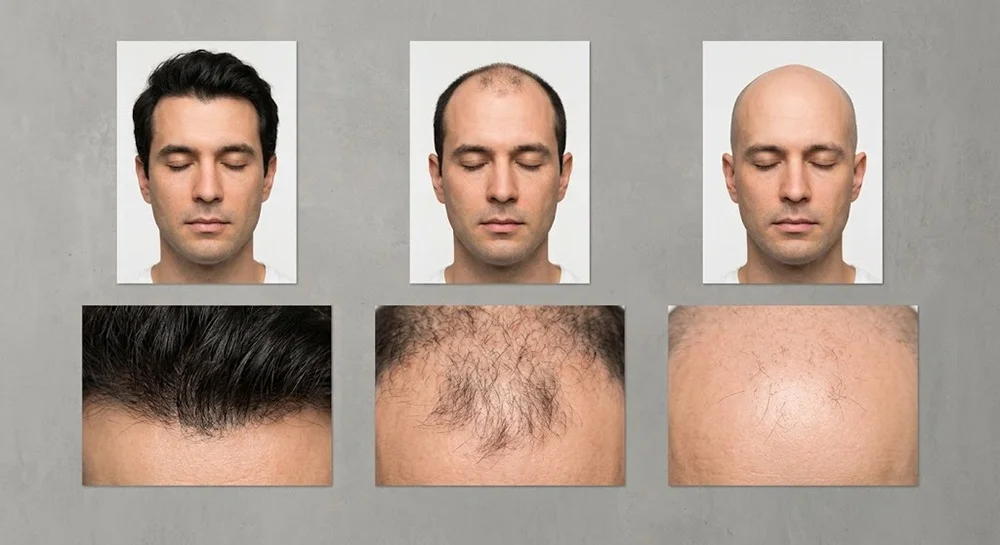
The number of grafts needed for a hair transplant depends on the extent of hair loss, the size of the treatment area, and the amount of healthy donor hair available. While some patients need around 1,000 grafts to restore a receding hairline, others may require 3,000 or more to cover larger areas.
However, graft requirements cannot be determined by hair loss alone. Hair thickness, natural density, scalp characteristics, and future hair loss also influence the treatment plan. A professional assessment helps establish a realistic graft estimate and avoid unnecessary extraction.
“Patients considering the procedure can learn more about Hair Transplant in Dubai and available treatment options.”
What Is a Hair Graft?
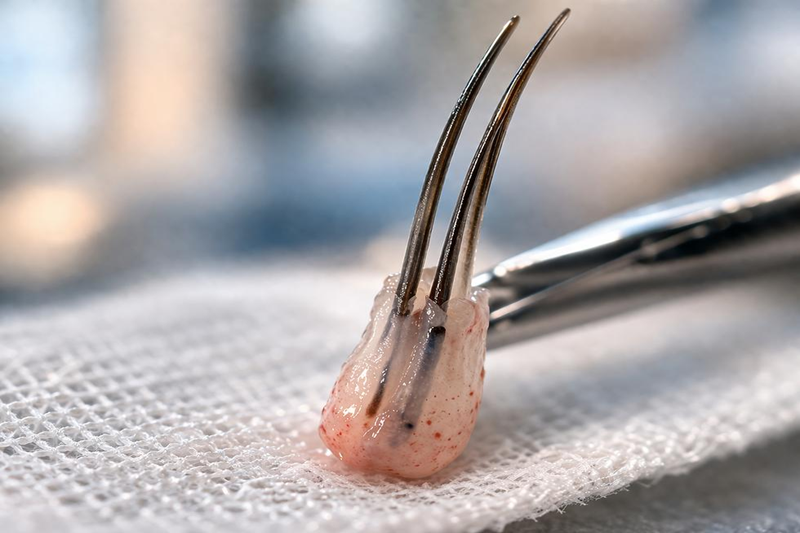
A hair graft is a small group of naturally occurring hair follicles, also known as a follicular unit, that is transferred from the donor area to the recipient area during a hair transplant.
A follicular unit typically contains one to four individual hairs. Therefore, the number of grafts is different from the total number of hairs transplanted.
For example, 2,000 grafts containing an average of two hairs each would provide approximately 4,000 individual hairs.
This distinction is important because two patients receiving the same number of grafts may achieve different levels of coverage depending on the number of hairs within each follicular unit.
Not sure where to start?
Our specialists will assess your scalp biology, graft capacity, and aesthetic goals to create a hair restoration protocol designed entirely for you — from your first consultation onward.
Estimated Graft Requirements by Hair Loss Area
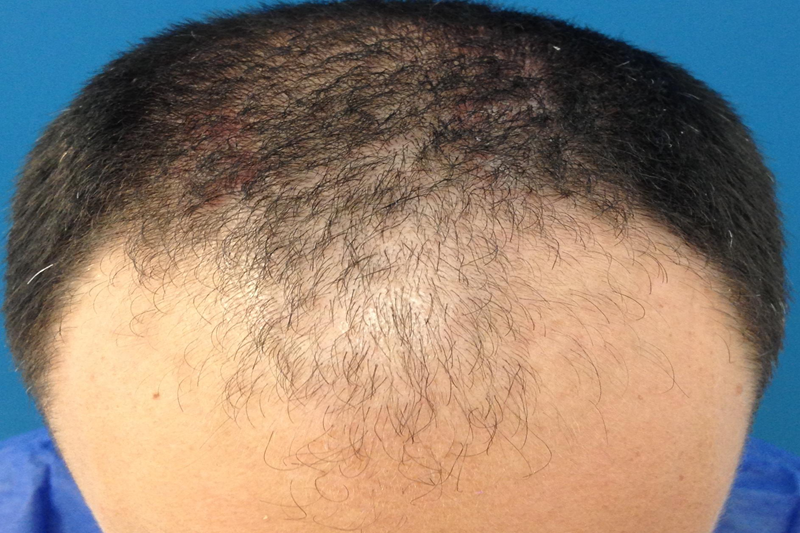
The number of grafts required varies according to the location and extent of hair thinning. Smaller areas generally require fewer grafts, while extensive baldness may need a more comprehensive treatment plan.
The following table provides approximate planning ranges for common hair loss patterns:
| Hair loss area | Estimated number of grafts |
|---|---|
| Minor temple recession | 500–1,000 |
| Receding hairline | 1,000–2,000 |
| Frontal scalp | 1,500–2,500 |
| Mid-scalp thinning | 1,000–2,000 |
| Crown thinning | 1,000–2,000 |
| Extensive scalp hair loss | 3,000–5,000+ |
These figures are general estimates, not guaranteed treatment requirements. They should not be added together automatically because treatment areas can overlap, and the required density varies between patients.
For example, someone with mild frontal thinning may need fewer grafts than someone with a similar-sized area of complete baldness. Existing hair can contribute to coverage, reducing the number of additional grafts required.
What Factors Determine How Many Grafts You Need?
Several characteristics influence the number of grafts a specialist recommends. Understanding these factors explains why there is no single graft count suitable for everyone.
1. Size and Location of the Recipient Area
The recipient area is the part of the scalp where hair follicles will be implanted. Its size is one of the main factors affecting graft requirements.
A small area around the temples may need relatively few grafts, whereas restoring the frontal scalp, mid-scalp, and crown requires more extensive planning.
The location also matters because different scalp regions may require different graft distributions to create natural-looking coverage.
2. Desired Hair Density
Hair density refers to the number of hairs or follicular units within a specific area of the scalp. Patients with different density goals may require different numbers of grafts, even when treating similar areas.
The surgeon considers existing hair, the desired appearance, and the characteristics of the recipient area when planning graft placement.
Maximum density is not always the most appropriate goal. The available donor supply and the condition of the scalp must be considered before deciding how many grafts can be implanted safely.
3. Donor Area Density and Quality
The donor area is usually located at the back and sides of the scalp. It provides the follicles used during transplantation.
Its density, follicular unit composition, and long-term stability determine how many grafts can be harvested without creating noticeable thinning.
A patient with a strong donor area may have more options than someone with naturally low density or signs of thinning in the donor region. Previous hair transplant procedures can also reduce the available supply.
Importantly, not every follicle in the donor area should be extracted. Preserving sufficient hair is essential for maintaining its appearance and considering potential future procedures.
4. Hair Thickness, Texture, and Colour
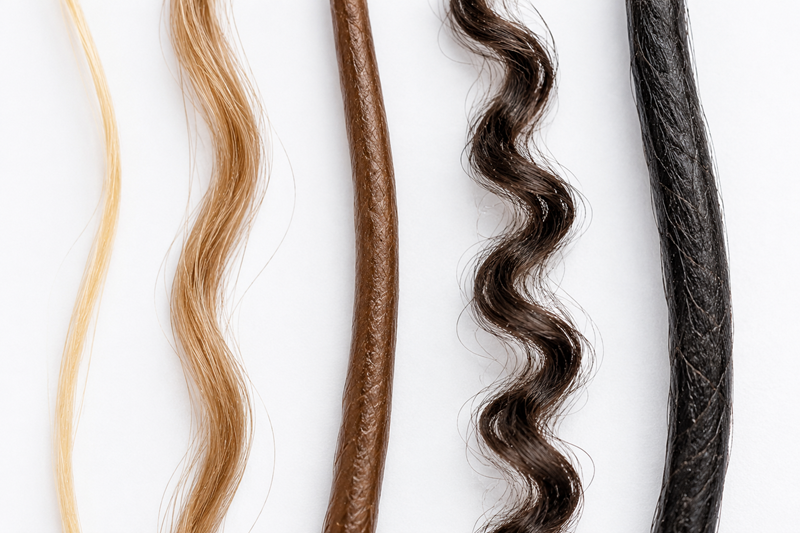
Hair characteristics influence the visual coverage provided by transplanted follicles.
- Hair thickness: Coarser hair generally creates more visual coverage than fine hair.
- Hair texture: Curly and wavy hair can provide greater visual coverage because of its shape.
- Hair colour: Lower contrast between hair and scalp colour can make thinning less noticeable.
- Graft composition: Follicular units containing multiple hairs can provide more coverage than single-hair units.
These differences mean that two patients receiving the same number of grafts may not achieve identical cosmetic results.
5. Age and Future Hair Loss
Hair loss can continue after transplantation, particularly in patients with androgenetic alopecia.
Age, family history, and the current pattern of thinning help specialists consider how hair loss may progress. This is especially important when designing a hairline for younger patients.
A treatment plan should account for possible future thinning rather than concentrating all available donor hair in the areas currently affected.
How Do Specialists Calculate the Number of Grafts?
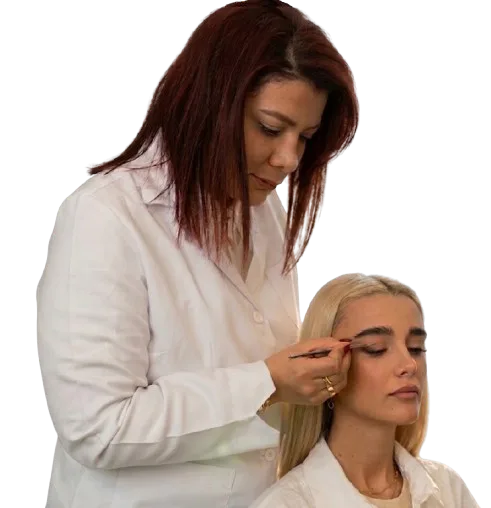
A specialist estimates graft requirements through an individual scalp and donor area assessment. This process involves more than measuring the bald area.
The evaluation generally includes:
- Scalp examination: Identifying the areas affected by hair loss and measuring the recipient area.
- Hair density assessment: Examining existing hair and determining where additional coverage is needed.
- Donor area analysis: Checking follicular unit density, hair thickness, and the stability of available follicles.
- Graft distribution planning: Deciding how to distribute grafts across the hairline, frontal scalp, mid-scalp, or crown.
- Long-term planning: Considering future hair loss and preserving enough donor hair for potential additional treatment.
Magnified scalp examination or trichoscopy may also help identify miniaturisation and assess follicular characteristics that are difficult to evaluate visually.
The Hair Transplant Practice Guidelines also emphasise individual donor assessment, including hair density, calibre, and the possibility of future hair loss.
Does a Higher Number of Grafts Mean Better Results?
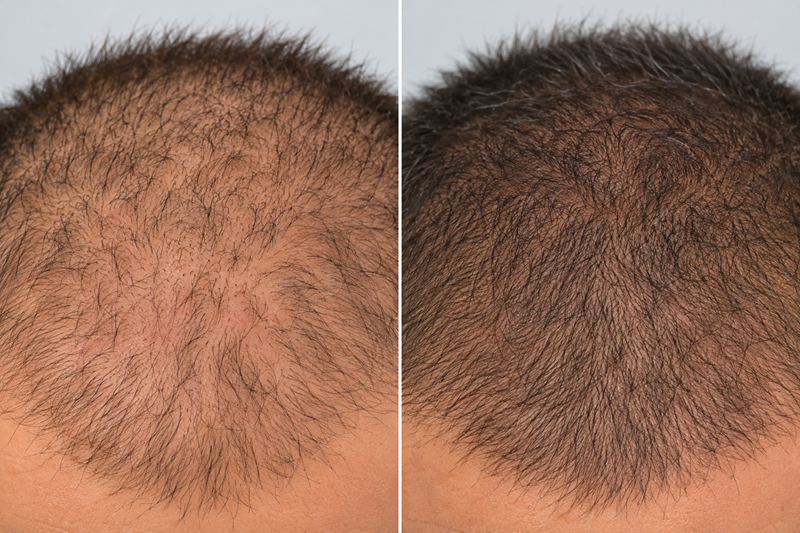
No. A higher graft count does not automatically lead to a better hair transplant result. The quality of graft placement, follicle survival, and distribution across the recipient area are equally important.
A successful procedure focuses on balanced coverage, natural hairline design, appropriate graft placement, and donor area preservation. Extracting more grafts than necessary can cause visible thinning and limit options for future procedures.
Conclusion
The number of grafts needed for a hair transplant depends on individual hair loss patterns, recipient area size, desired density, and donor hair availability. Although general estimates can provide an initial understanding, they cannot replace a professional assessment.
Choosing an appropriate graft count is not simply about transplanting as many follicles as possible. It involves achieving natural-looking coverage while preserving the donor area and accounting for potential future hair loss. An individual consultation is the most reliable way to determine how many grafts you need and develop a suitable treatment plan.
Not sure where to start?
Our specialists will assess your scalp biology, graft capacity, and aesthetic goals to create a hair restoration protocol designed entirely for you — from your first consultation onward.
Frequently Asked Questions
How many hairs are in 3,000 grafts?
The total hair count depends on the number of follicles in each graft. If each graft contains an average of two hairs, 3,000 grafts would provide approximately 6,000 individual hairs.
Can 5,000 grafts cover the entire scalp?
Not necessarily. The coverage depends on scalp size, the extent of hair loss, existing hair, and the density required. Some patients may achieve substantial coverage, while others may need additional treatment or have limited donor availability.
How do I know if I have enough donor hair?
A specialist needs to examine the density, thickness, distribution, and stability of your donor hair. The assessment also considers previous procedures and the possibility of future hair loss.
Can I request a specific number of grafts?
You can discuss your preferred coverage and expectations with your surgeon, but the final graft count should be based on medical assessment. The surgeon must determine how many follicles can be safely harvested and implanted.
Related Articles
Continue exploring clinical insights from the Helia Medical Journal.
 Hair Restoration & Hair Transplant
PRP vs G-Cell vs Exosomes: Which One Really Works?
Table of ContentsWhat Are PRP, G-Cell, and Exosome Hair Treatments?PRP Hair TreatmentG-Cell Hair TreatmentExosome Hair TreatmentPRP vs G-Cell vs Exosomes: Key DifferencesPRP vs G-Cell vs Exosomes: Which Is…
 Hair Restoration & Hair Transplant
Donor Hair From Another Person: Is It Possible?
Table of ContentsCan Someone Else Donate Hair for Transplant?Why Immune Rejection HappensThe Immunology of AllograftsSynthetic Biofibre Hair RisksFDA Warnings on Synthetic FibersPotential Complications of Synthetic Hair ImplantsSafe Biological…
 Hair Restoration & Hair Transplant
Do Hair Transplants Last Forever? Which Method Lasts Longest?
Table of ContentsDo Hair Transplants Last Forever?Which Hair Transplant Method Lasts the Longest?FUE Hair TransplantFUT Hair TransplantDoes FUE Hair Transplant Last Forever?Do Hair Plugs Last Forever?What Can Affect…
Comments
Share your questions or clinical experience with our readers.