
Hair Filler Injection: How It Works for Hair Loss
Welcome to guide on hair fillers that are known as cutting-edge and non-surgical solutions that are designed to boost and revitalize your hair. In this exploration, we’ll uncover the benefits and limitations of hair fillers compared to other popular treatments like hair transplantation and mesotherapy. We’ll also share essential tips for aftercare to ensure you get the most out of your treatment and discuss how long you can expect your results to last.



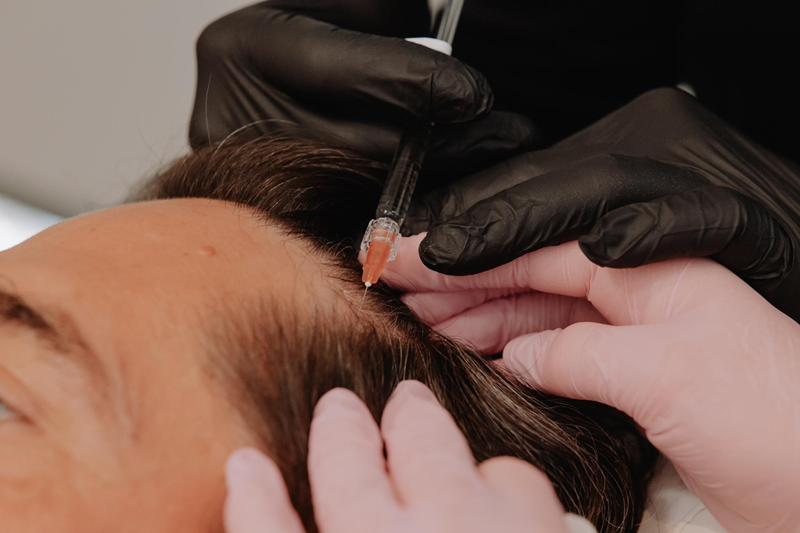
Noticing thinner hair or reduced scalp coverage can be frustrating, especially when regular hair care products no longer seem effective. Among the non-surgical options gaining attention in hair restoration, Hair Filler Injection offers a targeted approach to delivering specialized ingredients into the scalp.
But can these injections actually improve hair density? Understanding their ingredients, potential benefits, treatment process, and limitations is essential before choosing this procedure.
What Is Hair Filler Injection?
Hair filler injection is a minimally invasive treatment that delivers a specialized formulation into the scalp through small injections. Unlike traditional dermal fillers used to restore facial volume, hair fillers are designed for scalp applications and aim to support the environment surrounding existing hair follicles.
Depending on the product, formulations may contain hyaluronic acid, peptides, growth factors, or other bioactive ingredients. These components are selected for their potential roles in scalp hydration, cellular signaling, and follicular support.
Hair filler injections do not create new hair follicles or replace permanently inactive ones. Instead, they are intended to support existing follicles and potentially improve certain aspects of hair condition.
It is important to distinguish between different hair filler products because their compositions, mechanisms, and available clinical evidence are not necessarily the same.
Not sure where to start?
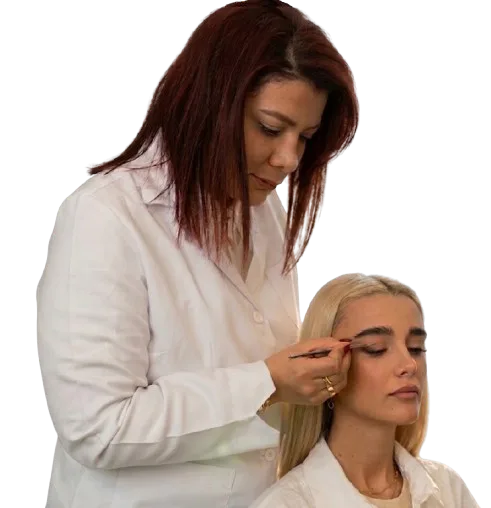
Our specialists will assess your scalp biology, graft capacity, and aesthetic goals to create a hair restoration protocol designed entirely for you — from your first consultation onward.
How Does Hair Filler Injection Work?
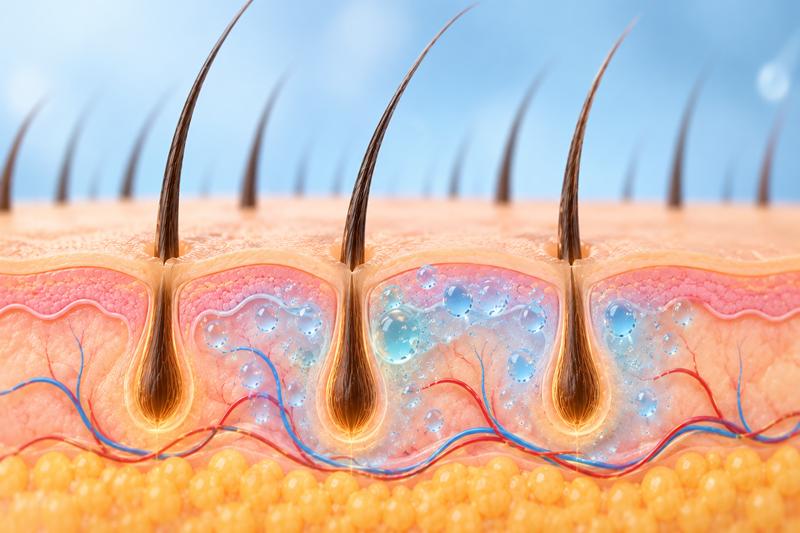
Hair filler formulations are delivered into targeted scalp areas, where their ingredients interact with the surrounding tissue. Their intended effects depend on the specific compounds used.
The Role of Hyaluronic Acid
Hyaluronic acid is a substance naturally present in the body that helps retain moisture. In certain injectable formulations, it supports tissue hydration and helps maintain the moisture balance of the treated area.
Although hydration contributes to scalp health, it should not be confused with direct stimulation of new hair growth.
The Role of Peptides and Other Active Ingredients
Some hair filler products contain peptides or other bioactive compounds designed to influence cellular signaling pathways associated with follicular activity.
Certain peptides have been investigated for their potential involvement in hair growth processes. However, their effectiveness depends on the specific ingredient, concentration, and formulation. Not every product has the same level of scientific support.
Which Types of Hair Loss Can Hair Filler Address?
Hair filler injection may be considered for people experiencing hair thinning or reduced density, particularly when existing follicles remain active.
Potential candidates include:
- Individuals with early hair thinning: People noticing reduced hair thickness or changes in scalp coverage.
- People with diffuse hair loss: Individuals experiencing reduced density across several scalp areas.
- Those seeking non-surgical options: Patients interested in injectable treatments rather than surgical hair restoration.
However, the procedure is not suitable for every type of hair loss. People with advanced baldness or permanently inactive follicles may require alternative treatments.
A dermatologist should first identify the underlying cause of hair loss. Androgenetic alopecia, nutritional deficiencies, hormonal changes, and temporary shedding require different treatment approaches.
How Is Hair Filler Injection Performed?
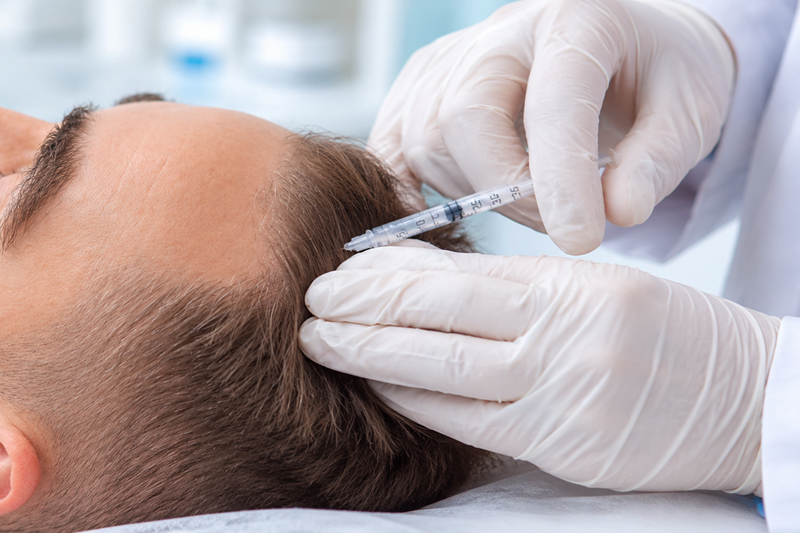
The procedure involves several steps, with the exact technique depending on the product and treatment protocol.
1. Scalp Assessment
The practitioner examines the scalp, evaluates hair density, and reviews the patient’s medical history to determine whether the treatment is appropriate.
2. Scalp Preparation
The treatment area is cleaned before injection. A topical numbing product may be used when necessary to reduce discomfort.
3. Injection Procedure
The selected formulation is administered into targeted scalp areas using fine needles. Injection depth, placement, and quantity depend on the product instructions and the practitioner’s treatment plan.
4. Aftercare
Patients receive instructions on scalp care following treatment. Temporary redness, tenderness, or small injection-site bumps may occur, so unnecessary manipulation of the treated area should be avoided until the practitioner advises otherwise.
Hair Filler Injection: Potential Benefits and Limitations
Hair filler injection offers several potential advantages, but its limitations should also be considered.
| Potential Benefits | Limitations |
|---|---|
| Non-surgical treatment approach | Does not create new follicles |
| Targeted delivery of active ingredients | Results depend on the formulation |
| Usually requires minimal recovery time | Multiple sessions may be recommended |
| Can be incorporated into an individualized treatment plan | Clinical evidence remains limited |
| Does not involve surgical incisions | Not suitable for every type of hair loss |
The main consideration is that promising ingredients do not automatically translate into proven clinical results. Patients should understand the evidence available for the specific product rather than relying on general claims about hair fillers.
Hair Filler vs. PRP vs. Mesotherapy vs. Exosomes
Although these treatments involve different approaches to hair restoration, they are not interchangeable. Their ingredients, preparation methods, and levels of clinical evidence differ.
| Treatment | Main Approach |
|---|---|
| Hair Filler | Delivers specialized formulations containing ingredients such as hyaluronic acid or peptides |
| PRP | Uses platelet-rich plasma prepared from the patient’s own blood |
| Mesotherapy | Delivers selected substances into the scalp through multiple small injections |
| Exosome Therapy | Uses extracellular vesicle-based products investigated for their potential regenerative effects |
For example, PRP Hair Treatment in Dubai uses components obtained from the patient’s blood, while Hair Mesotherapy in Dubai involves injecting selected ingredients into the scalp.
Exosome Hair Therapy in Dubai follows a different approach involving extracellular vesicles. Similarly, Stem Cell Therapy for Hair in Dubai explores cell-based approaches to hair restoration.
The most appropriate treatment depends on the diagnosis, individual needs, and available clinical evidence.
How Many Hair Filler Sessions Are Needed?
The recommended number of sessions varies according to the product formulation, degree of hair thinning, and treatment protocol.
Some formulations require multiple sessions separated by several weeks, while others follow different schedules. There is no universal treatment frequency for all hair filler injections.
During consultation, patients should discuss the recommended number of sessions, treatment intervals, expected outcomes, and whether maintenance treatments may be necessary.
Following the product-specific protocol is important because treatment schedules designed for one formulation may not apply to another.
Are There Any Side Effects of Hair Filler Injection?
Hair filler injection is minimally invasive, but temporary side effects can occur.
Common reactions include:
- Mild redness around injection sites
- Temporary swelling or tenderness
- Minor bruising
- Local itching or sensitivity
Less common complications may include infection, inflammatory reactions, or allergic responses. The risk depends on the ingredients, product quality, injection technique, and individual sensitivity.
Patients should inform their practitioner about existing scalp conditions, allergies, medications, and previous reactions to injectable treatments before undergoing the procedure.
When Can You Expect to See Results?
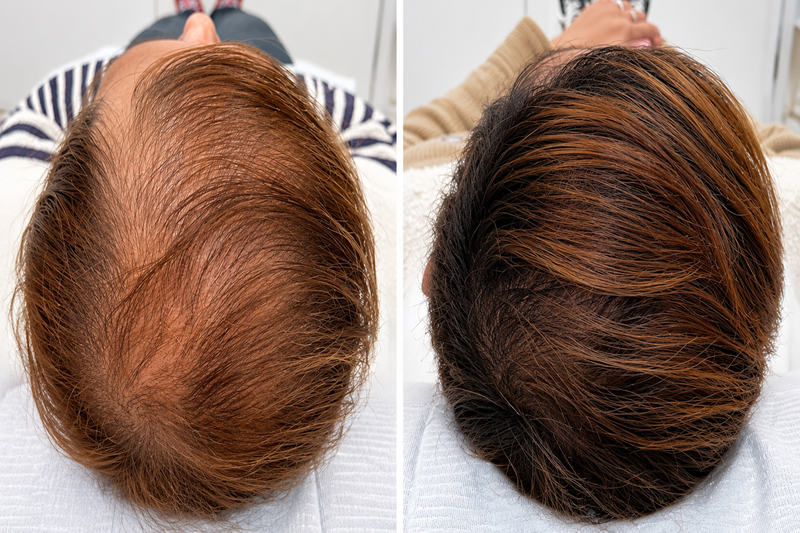
Results are not necessarily immediate. Any changes depend on the formulation and the biological processes it is intended to support.
Some patients may notice changes in scalp condition or hair texture before any visible difference in density. Assessing potential changes in hair growth requires sufficient time because hair follicles follow natural growth cycles.
Clinical photography and scalp imaging can help compare hair density and thickness over time. However, there is currently no established timeline or guaranteed degree of improvement for all hair filler products.
Frequently Asked Questions
Does hair filler injection help with hair thinning?
It may support the scalp environment and existing follicles, depending on its formulation. However, evidence for improved hair density remains limited.
Is hair filler injection painful?
Mild discomfort may occur during the procedure. A topical numbing product can be used when appropriate to improve patient comfort.
Can hair filler injections regrow hair in bald areas?
Hair fillers are intended to support existing follicles rather than create new ones. They are therefore unlikely to restore hair in areas where follicles are permanently inactive.
Can hair filler injection be combined with PRP?
Combining injectable treatments may be considered in selected cases. However, the decision should depend on the patient’s condition, product compatibility, and a qualified practitioner’s assessment.
Not sure where to start?
Our specialists will assess your scalp biology, graft capacity, and aesthetic goals to create a hair restoration protocol designed entirely for you — from your first consultation onward.
Final Thoughts
Hair filler injection is an emerging approach to hair restoration that delivers specialized ingredients directly into the scalp. Depending on the formulation, these ingredients may support scalp hydration and the environment surrounding existing hair follicles. However, its effectiveness in improving hair density is not yet firmly established, and results can vary between products and individuals. Understanding the treatment’s ingredients, scientific evidence, and limitations is essential when evaluating it as an option for hair thinning.
External scientific reference: Injectable Therapy for Androgenetic Alopecia: A Systematic Review – PubMed
Related Articles
Continue exploring clinical insights from the Helia Medical Journal.
 Hair Restoration & Hair Transplant
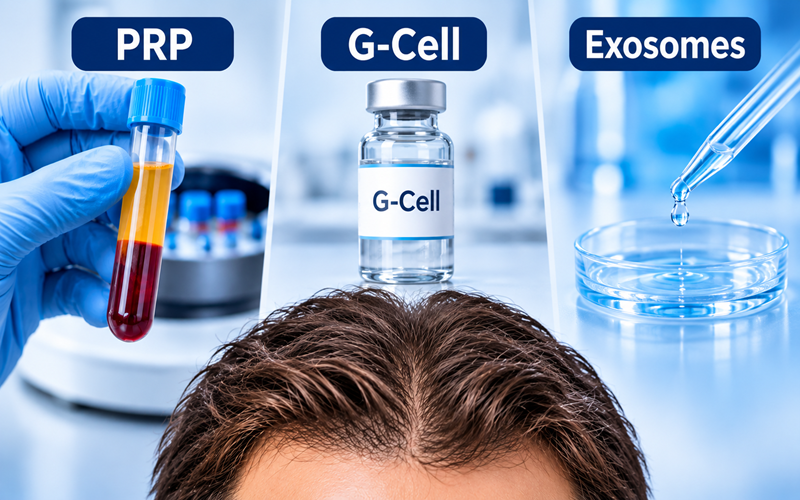
PRP vs G-Cell vs Exosomes: Which One Really Works?
Table of ContentsWhat Are PRP, G-Cell, and Exosome Hair Treatments?PRP Hair TreatmentG-Cell Hair TreatmentExosome Hair TreatmentPRP vs G-Cell vs Exosomes: Key DifferencesPRP vs G-Cell vs Exosomes: Which Is…
 Hair Restoration & Hair Transplant
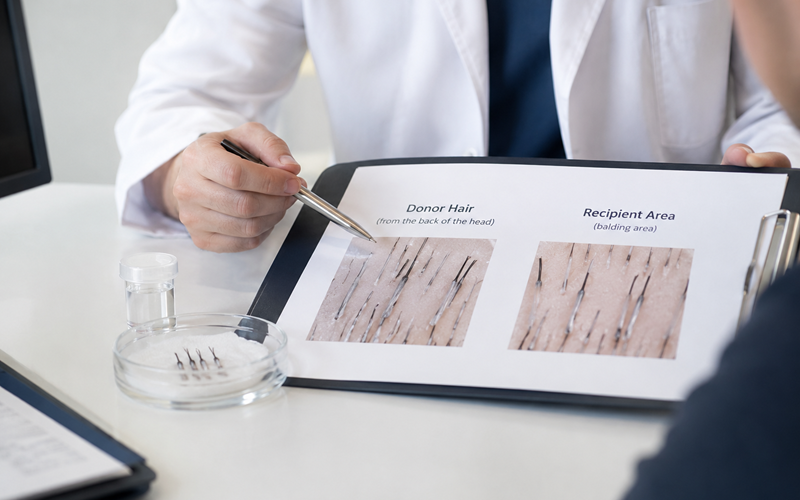
Donor Hair From Another Person: Is It Possible?
Table of ContentsCan Someone Else Donate Hair for Transplant?Why Immune Rejection HappensThe Immunology of AllograftsSynthetic Biofibre Hair RisksFDA Warnings on Synthetic FibersPotential Complications of Synthetic Hair ImplantsSafe Biological…
 Hair Restoration & Hair Transplant
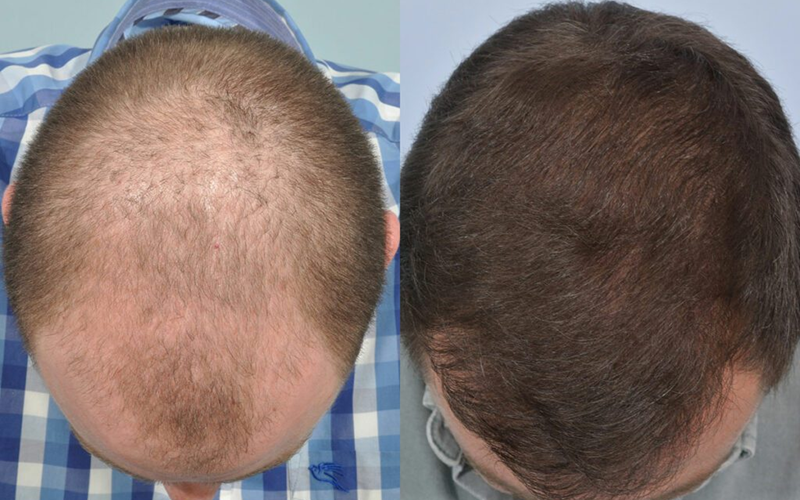
Do Hair Transplants Last Forever? Which Method Lasts Longest?
Table of ContentsDo Hair Transplants Last Forever?Which Hair Transplant Method Lasts the Longest?FUE Hair TransplantFUT Hair TransplantDoes FUE Hair Transplant Last Forever?Do Hair Plugs Last Forever?What Can Affect…
Comments
Share your questions or clinical experience with our readers.