
Hair Transplants for Men: What to Know Before Surgery
This article is your ultimate guide for men exploring hair transplants. We’ll cover everything you need to know, from the best techniques for curly and long hair to expected results and success rates. With a wealth of information at your fingertips, you’ll be well-equipped to navigate this exciting transformation. Stay tuned to discover all the essentials and ensure your journey to fuller hair is a success!

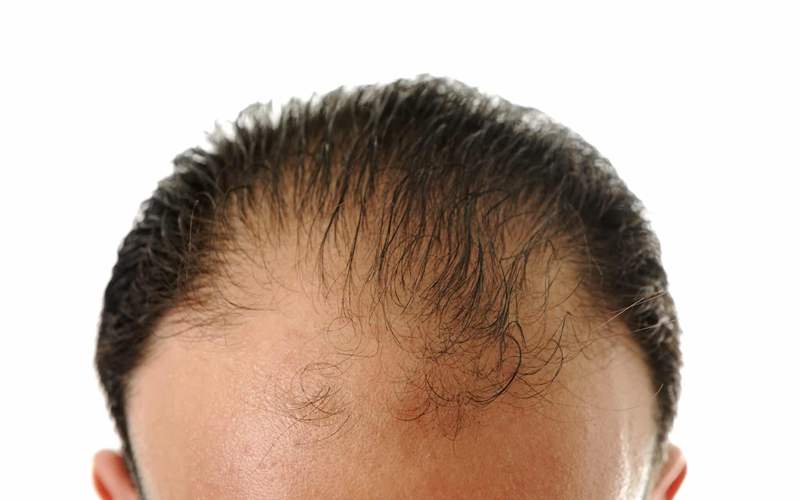
Hair loss is a common concern among men and can affect hairline shape, scalp coverage, and confidence. While medications may help manage certain types of hair loss, a hair transplant offers a surgical option for restoring hair in thinning or bald areas.
Before considering surgery, men should understand the cause of their hair loss, the available techniques, the limitations of donor hair, and the expected recovery timeline. Careful planning helps establish realistic expectations and supports better long-term results.
What Is a Hair Transplant for Men?
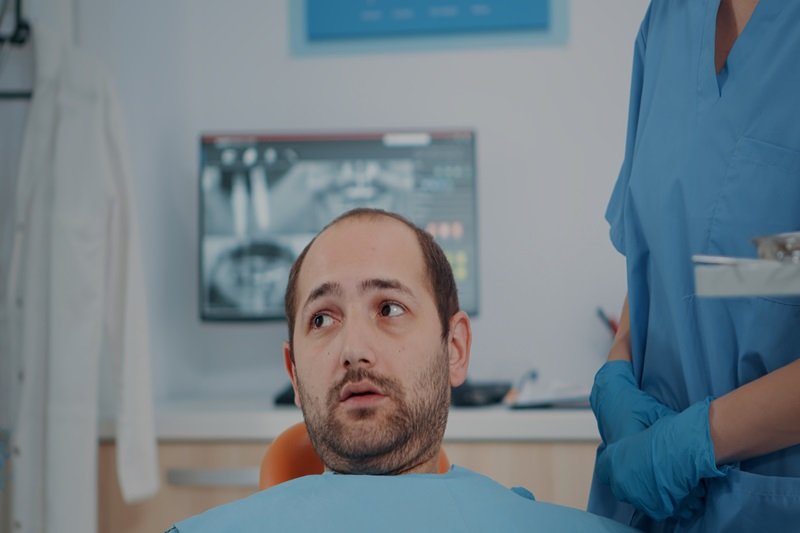
A hair transplant is a surgical procedure that moves hair follicles from a donor area, usually the back or sides of the scalp, to areas affected by thinning or baldness. These follicles are generally more resistant to the hormonal changes associated with male pattern hair loss.
The procedure can improve a receding hairline, frontal thinning, and some forms of crown baldness. However, it does not stop the underlying process of hair loss, meaning existing hair may continue to thin after surgery.
Not sure where to start?
Our specialists will assess your scalp biology, graft capacity, and aesthetic goals to create a hair restoration protocol designed entirely for you — from your first consultation onward.
What Causes Hair Loss in Men?
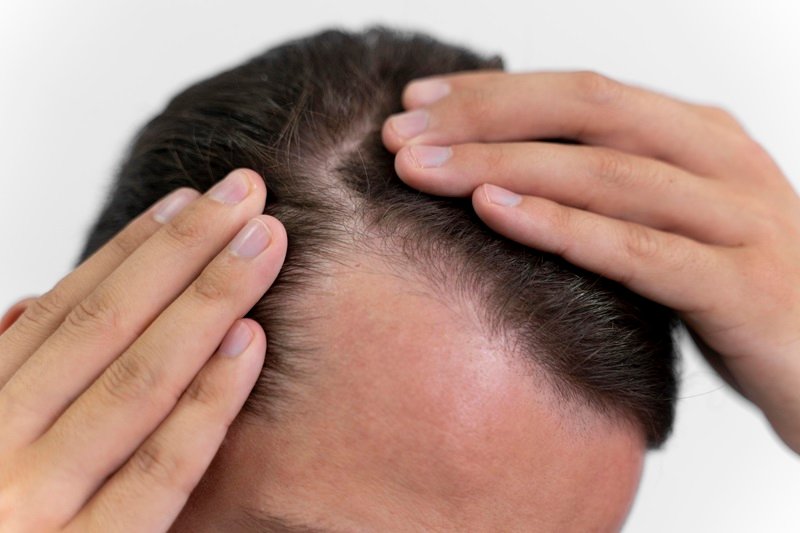
Male pattern hair loss, also known as androgenetic alopecia, is the most common cause of progressive hair loss in men. It is influenced by genetics and sensitivity to dihydrotestosterone (DHT), a hormone derived from testosterone.
Over time, susceptible follicles shrink and produce finer, shorter hairs. Hair loss often begins with a receding hairline or thinning crown and may gradually affect larger areas of the scalp.
Other factors, including certain medical conditions, nutritional deficiencies, and medications, can also contribute to hair loss. Identifying the cause is essential because not every type of hair loss is suitable for transplantation.
Read more about male pattern hair loss to understand its common patterns and progression.
Who Is a Good Candidate for Hair Transplants for Men?

Not every man experiencing hair loss is a suitable candidate for a hair transplant. Suitability depends on the cause of hair loss, the condition of the scalp, donor hair availability, and the likelihood of further thinning.
Men with permanent hair loss caused by male pattern baldness may benefit from transplantation if they have sufficient healthy donor follicles. However, hair loss caused by temporary shedding, nutritional deficiencies, or certain medical conditions may require a different approach.
Several factors influence candidacy:
- Donor hair density: The back and sides of the scalp must contain enough suitable follicles to support the planned coverage.
- Hair loss progression: Rapidly progressing hair loss may require careful planning before surgery.
- Scalp health: Certain inflammatory or infectious conditions may need treatment first.
- Realistic expectations: A transplant can improve coverage but cannot always recreate the density of naturally thick hair.
A specialist should assess these factors before recommending surgery. In younger men, planning for future hair loss is particularly important because untreated thinning can affect the appearance of the transplanted area over time.
Which Hair Transplant Method Is Best for Men?
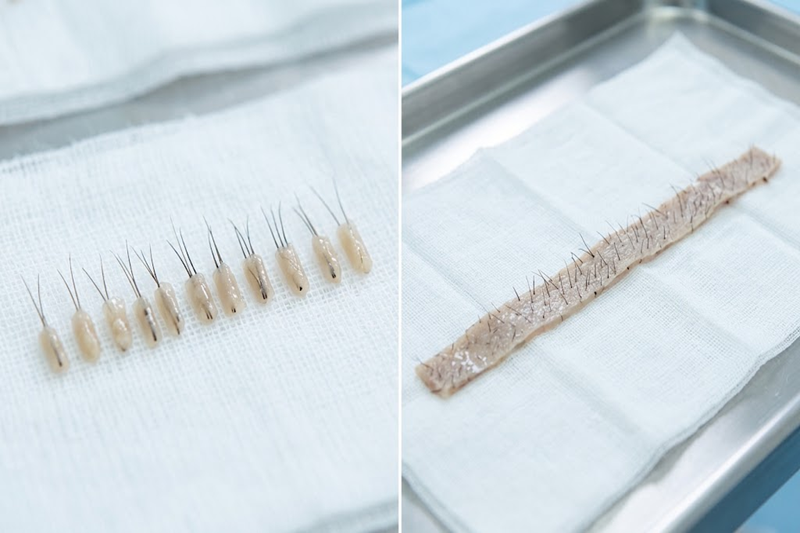
Two established techniques are Follicular Unit Extraction (FUE) and Follicular Unit Transplantation (FUT). Both transfer follicular units from a donor area to the recipient area, but they differ in how the follicles are collected.
Follicular Unit Extraction (FUE)
FUE involves extracting individual follicular units using small instruments and implanting them into the planned recipient area. It does not require removing a strip of scalp, although it leaves multiple small scars that may be visible with very short hairstyles.
FUE may suit men who prefer shorter hair, depending on donor density, the extraction pattern, and the extent of transplantation.
Follicular Unit Transplantation (FUT)
FUT involves removing a narrow strip of scalp from the donor area. The surgical team separates the tissue into individual follicular units for transplantation.
This technique leaves a linear scar that may be more noticeable with short haircuts. Its suitability depends on scalp characteristics, donor requirements, and hairstyle preferences.
Neither method is universally better. The appropriate technique depends on the patient’s needs, donor hair availability, and the surgeon’s assessment.
How Many Grafts Do Men Need?
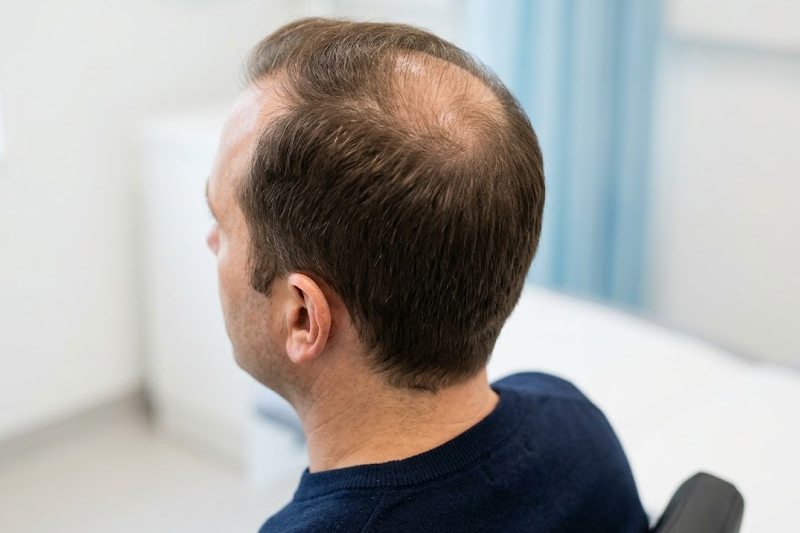
The number of grafts required depends on the size of the thinning area, existing hair density, donor hair quality, and desired coverage. A graft typically contains one or more hair follicles, so graft numbers do not represent the total number of hairs transplanted.
A man with a slightly receding hairline may need fewer grafts than someone with extensive frontal and crown thinning. Hair thickness, curl pattern, and contrast between hair and scalp also influence the final appearance.
More grafts do not automatically produce better results. Donor hair is limited, and using it carefully helps preserve options for future treatment. A specialist should estimate the required graft count after examining both the donor and recipient areas.
How Should Men Prepare for Hair Transplant Surgery?
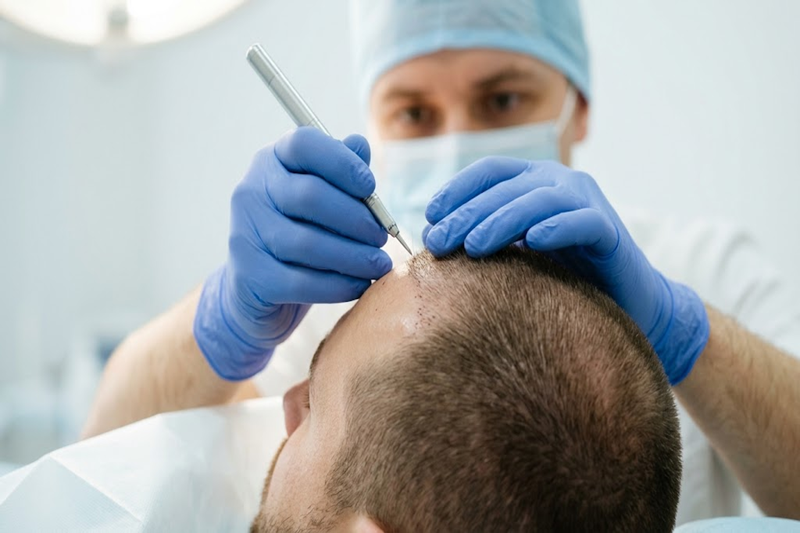
Preparation helps the medical team assess suitability and reduce avoidable risks. Before surgery, discuss your medical history, current medications, supplements, and previous hair loss treatments with your specialist.
Important preparation steps include:
- Review medications: Tell your medical team about all medications and supplements. Do not stop prescribed treatments without medical advice.
- Follow smoking and alcohol guidance: Ask your surgeon when to avoid smoking and alcohol, as both may affect healing.
- Check scalp health: Infections or inflammatory conditions may need evaluation before surgery.
- Follow washing instructions: Your clinic may recommend washing your hair with a specific product before the procedure.
- Discuss the hairline: Review the proposed shape, density, and how the result may look if further hair loss occurs.
- Plan your recovery: Arrange time away from work and ask when you can resume exercise and other activities.
For an overview of the procedure and available treatment options, see this guide to Hair Transplant in Dubai .
What Happens During Hair Transplant Surgery?
Hair transplant surgery usually begins with marking the planned hairline and recipient areas. Local anesthesia is used to numb the scalp, and sedation may be offered when appropriate.
The surgical team collects the follicular units using the selected technique, prepares the recipient sites, and places the grafts according to the planned direction and angle of hair growth.
The procedure may take several hours, depending on the number of grafts and the complexity of the treatment. Temporary redness, swelling, tenderness, and small scabs may develop afterward.
Before surgery, the medical team should explain the procedure, possible complications, aftercare requirements, and expected recovery.
What Is the Recovery Timeline After a Hair Transplant?
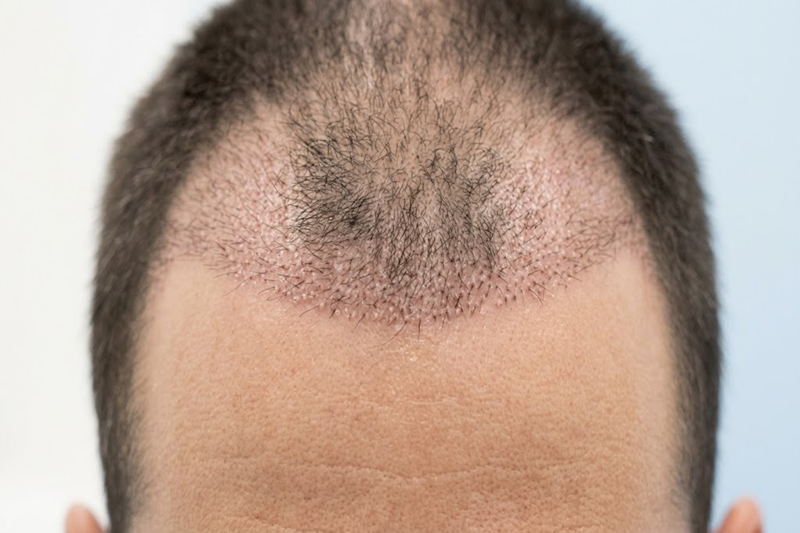
Recovery varies depending on the surgical technique, the extent of transplantation, and individual healing.
During the first several days, the scalp may feel tender, and small scabs may form around the transplanted follicles. Patients should avoid scratching or rubbing the recipient area and follow the clinic’s instructions for washing and sleeping.
Transplanted hairs commonly shed within the first few weeks. This is an expected part of the process and does not necessarily mean the transplant has failed. New growth generally begins over the following months.
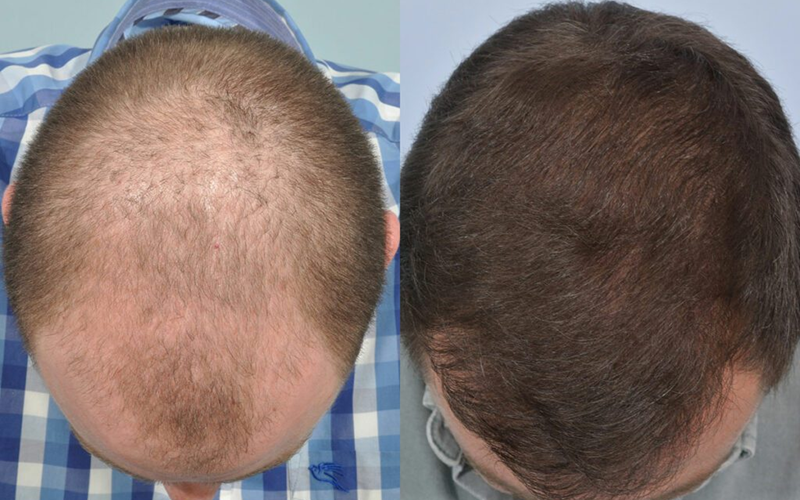
Visible improvement often develops between six and twelve months, although some patients need longer to see the full result, particularly in the crown area.
Contact your surgical team if you experience worsening pain, spreading redness, fever, unusual discharge, or other unexpected symptoms.
What Results Can Men Expect?
Hair transplants can improve hairline definition and scalp coverage, but results vary between individuals. Donor hair quality, graft survival, surgical planning, and continued hair loss all influence the final appearance.
A natural-looking result requires careful planning of the hairline, density, and direction of growth. The surgeon should also consider how the patient’s hair may change with age.
Transplanted follicles often continue growing for many years, but non-transplanted hair may continue to thin. According to the American Academy of Dermatology, appropriate patient selection and the expertise of the treating professional are important considerations.
Medical treatments may also be recommended when appropriate to help manage ongoing hair loss.
Not sure where to start?
Our specialists will assess your scalp biology, graft capacity, and aesthetic goals to create a hair restoration protocol designed entirely for you — from your first consultation onward.
Frequently Asked Questions
Do hair transplants look natural on men?
They can produce natural-looking results when the hairline, density, and graft placement are planned according to the patient’s facial proportions and hair characteristics.
Is a hair transplant permanent?
Transplanted follicles often continue growing for many years. However, natural aging and continued thinning of non-transplanted hair can change the overall appearance over time.
What is the best age for a hair transplant?
There is no single ideal age. The progression of hair loss, donor hair availability, health, and long-term expectations are more important than age alone.
When can men return to work?
Some patients return to desk-based work within several days, while others need more time depending on swelling, scabbing, discomfort, and job requirements. Follow the recovery timeline provided by the treating team.
Final Thoughts
Hair transplants for men involve more than moving follicles into thinning areas. The cause and progression of hair loss, donor hair availability, surgical technique, and realistic expectations all influence the outcome.
Understanding these factors before surgery can help men evaluate their options and prepare for the recovery process. Because hair loss may continue after transplantation, long-term planning is essential for maintaining a natural-looking appearance.
Related Articles
Continue exploring clinical insights from the Helia Medical Journal.
 Hair Restoration & Hair Transplant
Do Hair Transplants Last Forever? Which Method Lasts Longest?
Table of ContentsDo Hair Transplants Last Forever?Which Hair Transplant Method Lasts the Longest?FUE Hair TransplantFUT Hair TransplantDoes FUE Hair Transplant Last Forever?Do Hair Plugs Last Forever?What Can Affect…
 Hair Restoration & Hair Transplant
Hair Transplant Expectations: What’s Real and What’s Not?
Table of ContentsWhat Can You Realistically Expect From a Hair Transplant?Hair Transplant Expectations: Myth vs. RealityMyth 1: A Hair Transplant Guarantees a Full Head of HairMyth 2: Results…
 Hair Restoration & Hair Transplant
Wearing Hat After Hair Transplant: When Is It Safe?
Table of ContentsCan You Wear a Hat After Hair Transplant?Timeline for Wearing HatsWhat Type of Hat Is Best After a Hair Transplant?Can Wearing a Hat Dislodge Hair Transplant…
Comments
Share your questions or clinical experience with our readers.