
Hair Transplant Expectations: What’s Real and What’s Not?
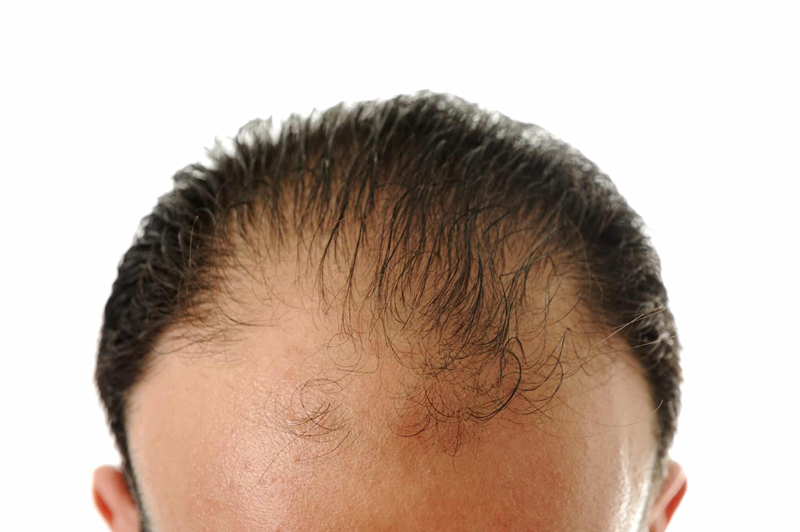
Hair transplant results develop gradually, and the outcome may differ from what you initially expect. Factors such as donor hair quality, the extent of hair loss, and individual healing all influence the final appearance. Understanding Hair Transplant Expectations can help you prepare for recovery, recognize normal changes, and make informed decisions about treatment. Although a hair transplant can improve coverage and create a natural-looking hairline, it cannot guarantee a specific density or prevent all future hair loss.
What Can You Realistically Expect From a Hair Transplant?
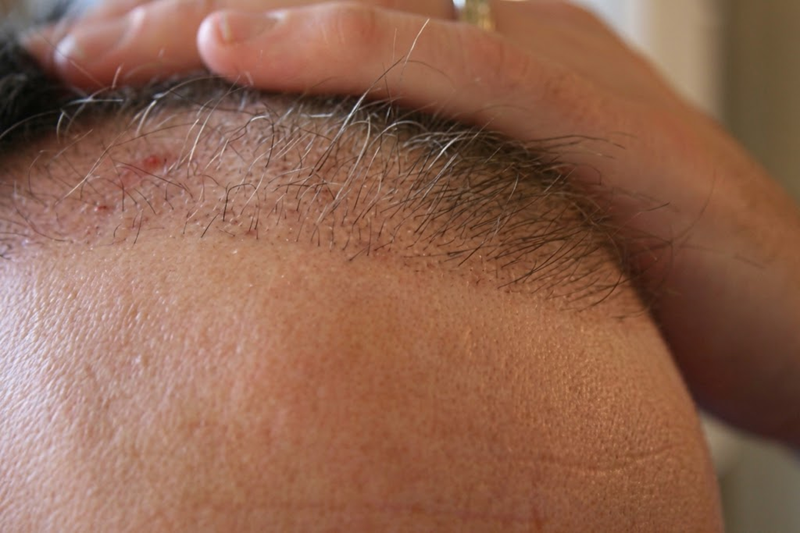
A hair transplant involves moving hair follicles from a donor area, usually the back or sides of the scalp, to areas affected by thinning or baldness. The aim is to improve coverage while creating a hairline that complements your facial features and existing hair.
The final appearance depends on the number of suitable donor follicles, the size of the treatment area, and individual hair characteristics. People with thicker hair shafts may achieve greater visual coverage than those with fine hair, even when similar numbers of grafts are used.
A hair transplant can improve the appearance of hair loss, but it does not recreate the original density of every scalp. A specialist should assess your donor area, pattern of hair loss, and long-term goals before recommending treatment.
Not sure where to start?
Our specialists will assess your scalp biology, graft capacity, and aesthetic goals to create a hair restoration protocol designed entirely for you — from your first consultation onward.
Hair Transplant Expectations: Myth vs. Reality
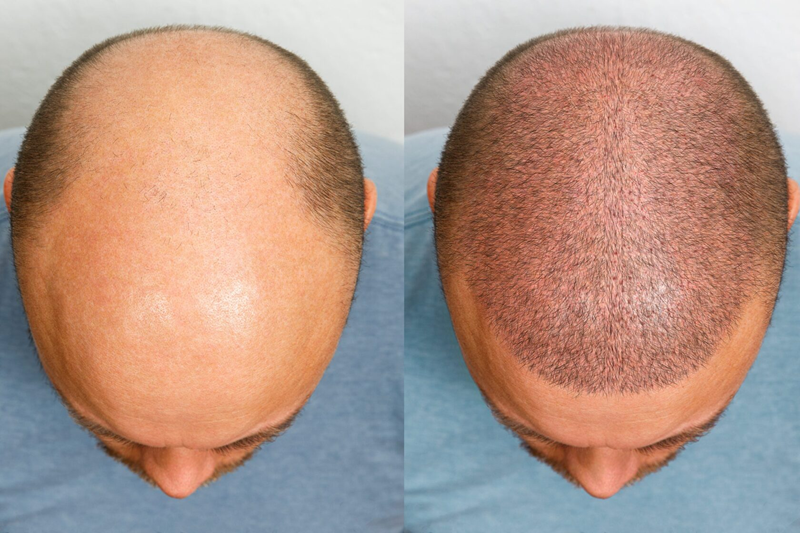
Understanding the difference between common misconceptions and realistic outcomes can help you approach hair restoration with more confidence.
Myth 1: A Hair Transplant Guarantees a Full Head of Hair
Reality: Transplantation redistributes available follicles rather than creating new ones. The coverage achieved depends on donor supply, hair thickness, and the size of the recipient area. When donor hair is limited, the treatment plan may need to prioritize the hairline or other visible areas.
Myth 2: Results Are Visible Within a Few Weeks
Reality: Transplanted hairs commonly shed during the first few weeks after surgery. This is usually a normal part of the process and does not necessarily mean the follicles have been lost. New growth takes time, and noticeable improvement generally develops over several months.
Myth 3: Every Transplanted Hair Will Grow
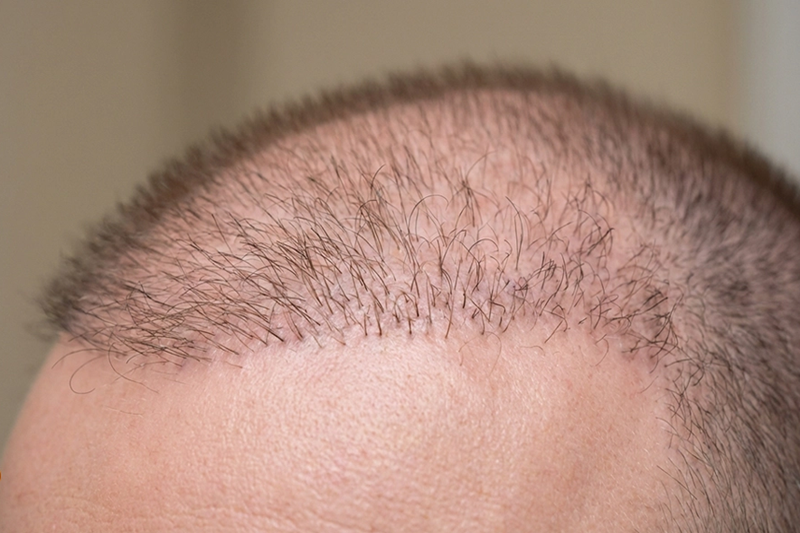
Reality: Although the goal is to achieve healthy graft survival, growth cannot be guaranteed for every follicle. Healing, individual biology, and surgical factors can influence the outcome. Follow-up appointments help your specialist assess progress and address concerns.
Myth 4: Hair Transplant Results Are the Same for Everyone
Reality: Hair thickness, texture, curl pattern, scalp characteristics, donor availability, and the extent of hair loss all affect the final appearance. Before-and-after photographs can be useful, but results from another patient cannot reliably predict your own outcome.
How Long Does It Take to See Hair Transplant Results?
Hair restoration follows a gradual timeline. The scalp may heal well before the transplanted hair reaches its mature appearance, so judging the outcome too early can lead to unnecessary concern.
The following table summarizes the general stages described by the American Academy of Dermatology (AAD) and the NHS hair transplant guide.
| Time after surgery | What to expect |
|---|---|
| First 2 weeks | Initial healing, with possible redness, swelling, and small scabs |
| Weeks 2–8 | Transplanted hairs may shed temporarily |
| Around months 3–4 | Early new hair growth may become visible |
| Months 6–9 | Noticeable improvement in coverage often develops |
| Months 10–18 | Results may continue to mature, depending on the individual |
These timeframes are estimates, not guaranteed milestones. The AAD reports that most patients see results within six to nine months, although some need 12 months. The NHS notes that the full result may take 10 to 18 months.
Temporary shedding can make the transplanted area appear thinner before new growth becomes visible. If you are concerned about unusual symptoms or your recovery, contact your treating specialist rather than relying on the timeline alone.
What Factors Affect Hair Transplant Results?
Several factors influence how natural and dense your hair may look after treatment. Understanding them helps establish realistic expectations before surgery.
Donor Hair Quality and Availability
The donor area determines how many suitable follicles can be transferred. Extensive hair loss combined with limited donor hair may restrict the amount of coverage that can be achieved. Careful planning helps make the best use of available follicles.
Hair Thickness and Texture
Thicker hair shafts can provide more visual coverage than finer hair. Curl pattern and the contrast between hair color and scalp color can also affect how full the transplanted area appears.
Hairline Design and Graft Placement
A natural-looking result depends on more than the number of grafts. Hairline shape, implantation angle, follicle direction, and graft distribution influence how well transplanted hair blends with existing hair.
Ongoing Hair Loss
A transplant does not necessarily stop hair loss in untreated areas. Existing hair may continue to thin over time, potentially changing the overall appearance even when transplanted follicles continue to grow. A specialist may discuss appropriate treatments to help manage ongoing hair loss when suitable.
Will Your Hair Transplant Results Last?

Transplanted follicles are generally selected from areas that are more resistant to pattern hair loss. These hairs can continue growing for many years, but the long-term appearance of your hair depends on individual circumstances.
It is important to distinguish between the longevity of transplanted follicles and the overall density of your hair. Natural aging and continued thinning of surrounding hair can affect the final appearance over time.
According to the AAD, treatment for ongoing hair loss may help some patients maintain their results. However, medication is not suitable for everyone and should be discussed with a qualified medical professional.
A long-term plan should consider your current hair loss, donor supply, and the possibility of future changes. No procedure can guarantee that your hair will look exactly the same throughout your life.
How to Set Realistic Hair Transplant Expectations
Preparing for treatment involves understanding both the potential benefits and the limitations of the procedure. These steps can help you make a more informed decision.
- Discuss your goals: Explain whether you want to restore your hairline, improve crown coverage, or increase density in a particular area.
- Review your donor area: Ask how much suitable donor hair is available and how it may affect the achievable coverage.
- Understand the recovery timeline: Learn when shedding and new growth are likely to occur so you do not judge results prematurely.
- Review comparable results: Look at before-and-after photographs of patients with similar hair loss patterns and hair characteristics.
- Consider future hair loss: Discuss how continued thinning could affect your appearance and whether additional treatment may be appropriate.
- Follow aftercare instructions: Follow your surgical team’s guidance on washing, physical activity, medications, and follow-up visits.
A thorough consultation should also cover potential risks, limitations, alternatives, and the likely range of outcomes. These discussions are important parts of informed consent and responsible treatment planning.
Not sure where to start?
Our specialists will assess your scalp biology, graft capacity, and aesthetic goals to create a hair restoration protocol designed entirely for you — from your first consultation onward.
Frequently Asked Questions
How Long Until a Hair Transplant Looks Fuller?
Many patients notice improvement between six and nine months, while results may continue developing for 12 months or longer. The crown can take additional time to mature. Your specialist can assess your progress according to your individual recovery.
Can You Have Another Hair Transplant If Needed?
A second procedure may be possible if further coverage is appropriate and enough donor hair remains. Suitability depends on the donor area, existing results, scalp condition, and future hair loss. A specialist should evaluate these factors before recommending another procedure.
Conclusion
Realistic Hair Transplant Expectations help patients make informed decisions about hair restoration. While a transplant can improve hair coverage, results take time and vary according to donor hair, individual characteristics, and ongoing hair loss. A professional assessment and a clear understanding of the procedure’s limitations can help you establish achievable goals and prepare for long-term hair care.
Related Articles
Continue exploring clinical insights from the Helia Medical Journal.
 Hair Restoration & Hair Transplant
Wearing Hat After Hair Transplant: When Is It Safe?
Table of ContentsCan You Wear a Hat After Hair Transplant?Timeline for Wearing HatsWhat Type of Hat Is Best After a Hair Transplant?Can Wearing a Hat Dislodge Hair Transplant…
 Hair Restoration & Hair Transplant
Exercise After Hair Transplant: When Can You Work Out?
Table of ContentsWhen Can You Exercise After a Hair Transplant?Exercise After Hair Transplant: Recovery TimelineDays 1–7: Light WalkingWeek 2: Gradually Resume Light CardioAround Week 3: Return to More…
 Hair Restoration & Hair Transplant
Shock Loss After Hair Transplant: Will Your Hair Grow Back?
Table of ContentsWhat Is Shock Loss After Hair Transplant?Why Does Shock Loss Happen After Hair Transplant?Hair Transplant Shock Loss TimelineFirst 1–2 Weeks: Early HealingWeeks 2–8: Shedding May OccurAround…
Comments
Share your questions or clinical experience with our readers.