
Neo Follicle Hair Transplant: How It Works & Results
Neograft hair transplantation is a sophisticated, minimally invasive technique designed to restore your hair with precision. In this article, we’ll explore the key requirements, important restrictions, the detailed implantation process, and how your new hair will develop. Stick with us to discover everything you need to know about this exciting method!
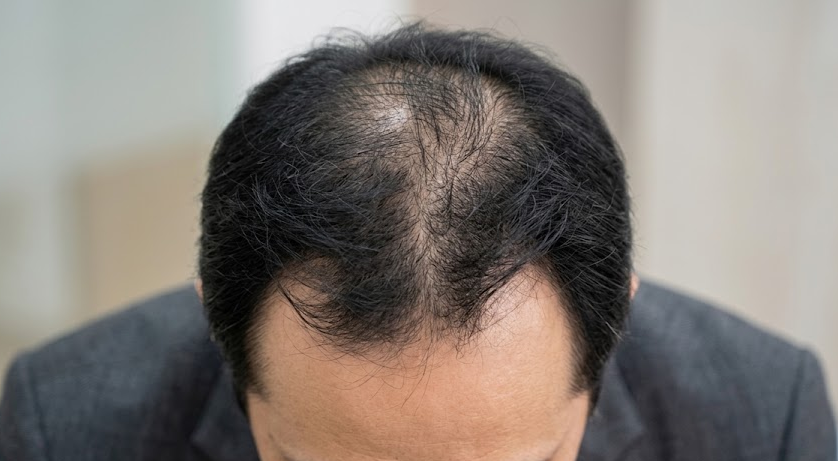
Neo Follicle Hair Transplant is a term used in discussions of modern hair restoration, particularly in connection with Neo Follicle’s NFT Method. Understanding what this method involves, how it compares with established hair transplantation techniques, and what patients can realistically expect from treatment helps clarify whether it is worth considering.
Although the name may sound like a distinct medical technique, it is important to distinguish a provider-specific method from established procedures such as Follicular Unit Extraction (FUE) and Follicular Unit Transplantation (FUT). This guide examines the available information about the NFT Method, its general procedural principles, expected results, and recovery considerations.
What Is Neo Follicle Hair Transplant?
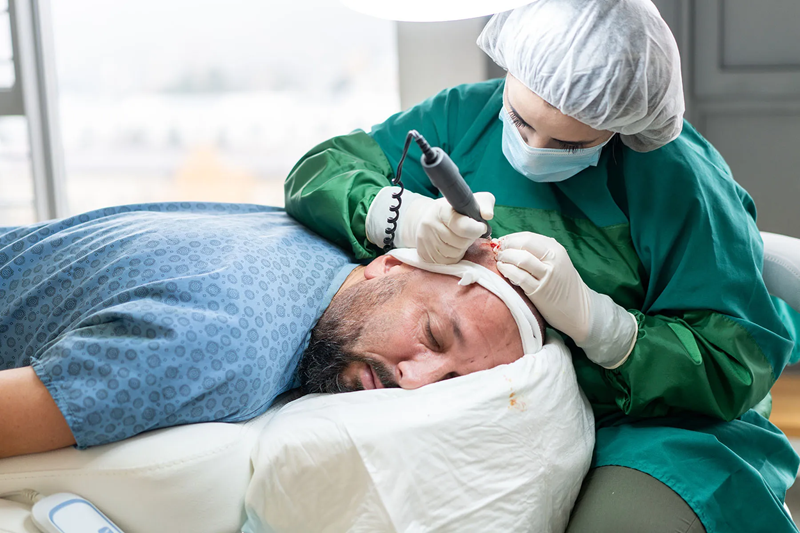
Neo Follicle’s NFT Method is described by its provider as an implanter-assisted approach to hair transplantation. The method focuses on placing harvested follicular grafts with attention to their angle, direction, depth, and distribution.
However, the name alone does not establish that NFT is a standardized medical technique or that it produces better outcomes than other methods. Its precise surgical workflow and clinical effectiveness should be evaluated using reliable evidence.
When researching Neo Follicle Hair Transplant, patients should distinguish the provider’s description of its technique from independently verified clinical findings. Donor hair quality, surgical planning, graft handling, and the experience of the medical team remain important factors in hair restoration.
Not sure where to start?
Our specialists will assess your scalp biology, graft capacity, and aesthetic goals to create a hair restoration protocol designed entirely for you — from your first consultation onward.
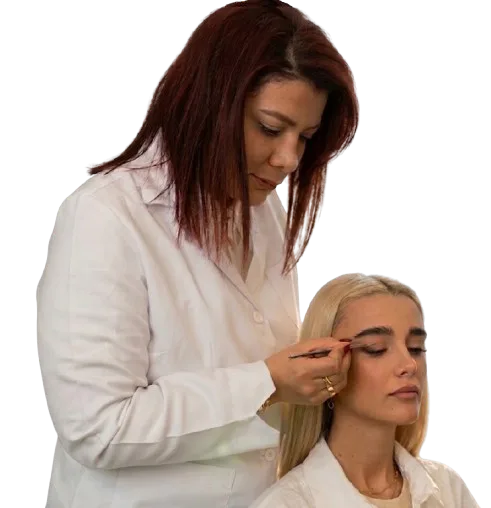
How Does the NFT Method Work?
The exact surgical workflow of the NFT Method should be confirmed with the provider. The following stages describe the general steps involved in hair transplantation and should not be interpreted as a verified, method-specific protocol.
1. Hair and Scalp Assessment
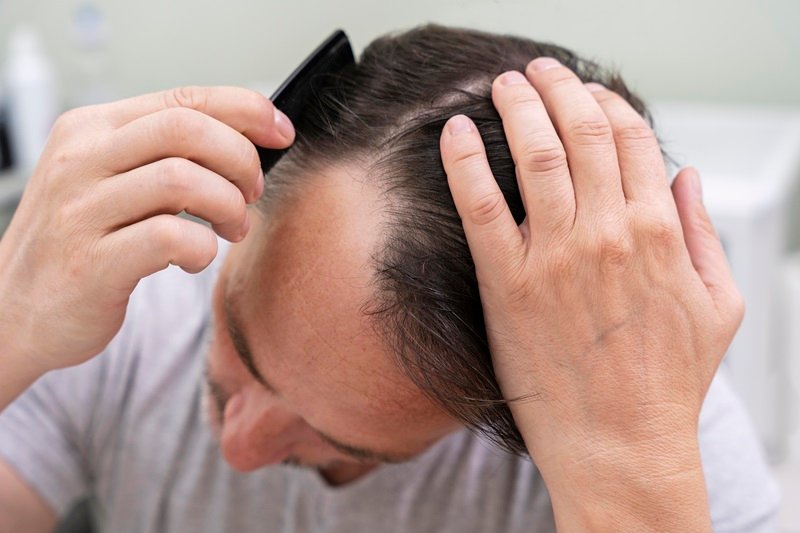
A specialist examines the pattern and cause of hair loss, donor hair density, scalp condition, and treatment goals. This assessment helps determine whether transplantation is appropriate and how many grafts may be needed.
2. Donor Follicle Extraction
Individual follicular units are commonly harvested using Follicular Unit Extraction (FUE). Each unit contains one or more hairs, and careful extraction helps preserve donor hair and minimize unnecessary damage.
3. Graft Implantation
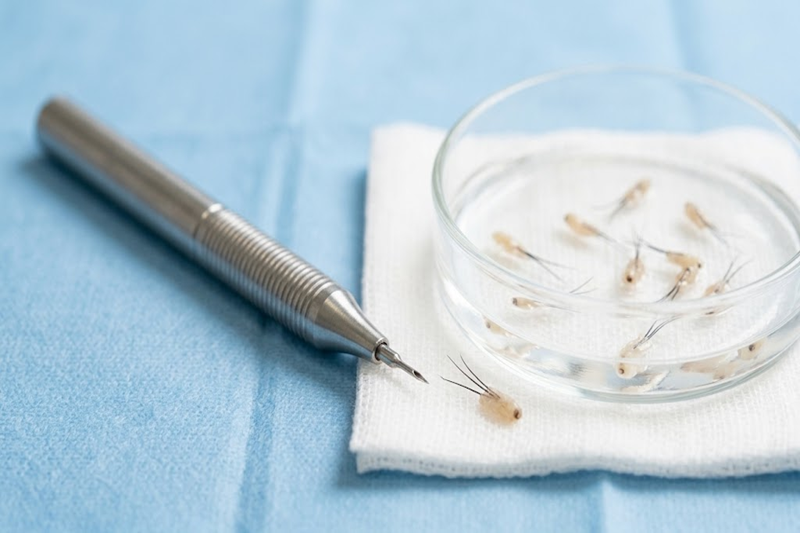
The harvested grafts are placed into the recipient area using the planned implantation method. The angle, direction, depth, and distribution of each graft contribute to the overall appearance of the transplanted hair.
4. Postoperative Care
Patients receive instructions on scalp washing, activity restrictions, and follow-up care. Following these instructions helps support healing and reduce avoidable irritation during recovery.
Neo Follicle Hair Transplant vs. FUE, FUT, and DHI
Understanding how the techniques differ is more useful than comparing their names alone.
| Technique | Main approach | Key consideration |
|---|---|---|
| Neo Follicle NFT Method | Provider-described, implanter-assisted graft placement | Confirm the exact procedure and supporting clinical evidence |
| FUE | Individual follicular units are extracted | Avoids the linear scar associated with FUT |
| FUT | A strip of scalp is removed and divided into grafts | Usually leaves a linear donor scar |
| DHI | An implanter-based approach to graft placement | Suitability depends on the patient and surgical plan |
FUE and FUT describe extraction methods, whereas DHI refers to an implantation approach. These techniques may be combined in different treatment plans, so patients should confirm exactly how the NFT Method handles both extraction and implantation.
The American Academy of Dermatology’s hair transplant guidance explains that natural-looking outcomes depend on factors including surgical expertise, donor hair availability, and appropriate patient selection.
What Results Can You Expect from Neo Follicle Hair Transplant?
Hair transplant results develop gradually and vary according to donor hair characteristics, graft handling, surgical planning, and individual healing. The provider’s description of the NFT Method does not establish a specific success rate or prove superior results. Patients should ask for documented outcomes and realistic expectations based on their individual circumstances.
Hair Transplant Results Timeline
| Stage | What to expect |
|---|---|
| First two weeks | Scabbing, redness, and other temporary healing changes may occur |
| Weeks 2–8 | Transplanted hair shafts may shed temporarily |
| Months 3–5 | Early new growth may become noticeable |
| Months 6–9 | Visible improvement in hair coverage may develop |
| Months 9–12 or longer | Results may continue to mature |
Temporary shedding of transplanted hair shafts can occur during recovery and does not necessarily indicate graft failure. Patients should follow their surgeon’s aftercare instructions and seek medical advice if healing appears unusual.
Who Is a Suitable Candidate for Neo Follicle Hair Transplant?
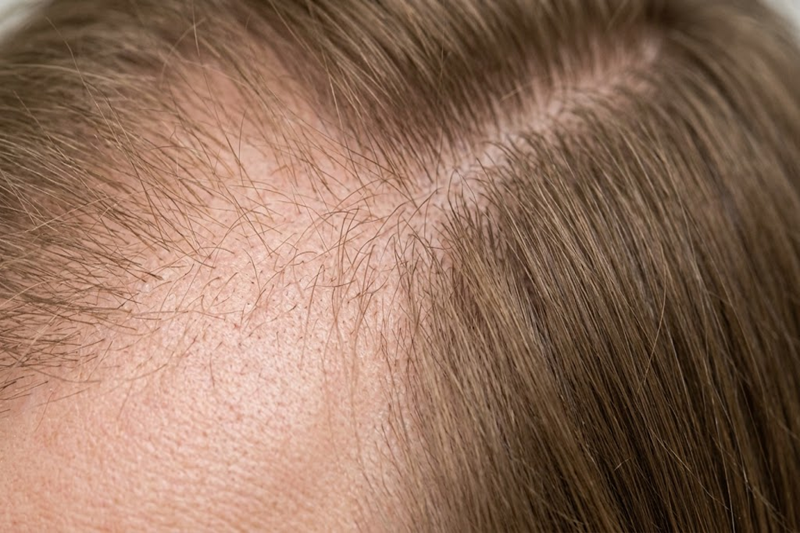
Hair transplantation may be appropriate for people with certain forms of permanent hair loss who have enough healthy donor hair and realistic expectations. A specialist should assess each patient’s circumstances before recommending surgery.
Important considerations include:
- Hair loss pattern: The cause, severity, and progression of hair loss must be evaluated.
- Donor hair availability: Adequate donor density is needed to plan graft extraction safely.
- Scalp health: Active scalp conditions may require evaluation or treatment before surgery.
- Future hair loss: The treatment plan should account for possible continued thinning in untreated areas.
- Medical history: Relevant health conditions and medications may influence surgical suitability.
Benefits and Limitations of Neo Follicle Hair Transplant
An implanter-assisted approach is intended to support controlled graft placement and careful planning of hair direction and density. However, the potential advantages depend on the exact technique, the surgical team’s expertise, and the patient’s individual characteristics.
Claims of superior graft survival, faster recovery, or better density should be supported by reliable clinical evidence. Hair transplantation also carries potential risks, including bleeding, infection, scarring, swelling, temporary numbness, and failure of some grafts to grow.
Donor hair is limited, and transplantation does not necessarily prevent untreated hair from continuing to thin. Patients should understand these limitations before deciding whether to proceed.
Patients exploring established restoration options in Dubai can also learn more about Hair Transplant in Dubai when comparing treatment approaches and planning a consultation.
Not sure where to start?
Our specialists will assess your scalp biology, graft capacity, and aesthetic goals to create a hair restoration protocol designed entirely for you — from your first consultation onward.
Frequently Asked Questions
Is Neo Follicle Hair Transplant different from FUE?
Yes, the terms describe different aspects of hair transplantation. FUE is an established extraction method, whereas Neo Follicle’s NFT Method is described by its provider as an implanter-assisted approach to graft placement. The exact combination of techniques should be confirmed with the provider.
How long does it take to see Neo Follicle Hair Transplant results?
Hair growth develops over several months. Many patients see noticeable improvement between six and nine months, while results may continue to mature for 12 months or longer.
Are Neo Follicle Hair Transplant results permanent?
Transplanted follicles may continue producing hair over the long term, but outcomes vary. Hair loss can continue in untreated areas, so ongoing assessment and appropriate management may be necessary.
Is Neo Follicle Hair Transplant suitable for everyone?
No. Suitability depends on the cause of hair loss, donor hair availability, scalp health, medical history, and expectations. A qualified specialist should assess these factors before recommending surgery.
Conclusion
Neo Follicle Hair Transplant should be evaluated based on the actual procedure offered, the available clinical evidence, and the experience of the medical team. Understanding how follicles are extracted and implanted, what results are realistic, and how recovery is managed can help patients make informed decisions about hair restoration.
Related Articles
Continue exploring clinical insights from the Helia Medical Journal.
 Hair Restoration & Hair Transplant
Do Hair Transplants Last Forever? Which Method Lasts Longest?
Table of ContentsDo Hair Transplants Last Forever?Which Hair Transplant Method Lasts the Longest?FUE Hair TransplantFUT Hair TransplantDoes FUE Hair Transplant Last Forever?Do Hair Plugs Last Forever?What Can Affect…
 Hair Restoration & Hair Transplant
Hair Transplant Expectations: What’s Real and What’s Not?
Table of ContentsWhat Can You Realistically Expect From a Hair Transplant?Hair Transplant Expectations: Myth vs. RealityMyth 1: A Hair Transplant Guarantees a Full Head of HairMyth 2: Results…
 Hair Restoration & Hair Transplant
Wearing Hat After Hair Transplant: When Is It Safe?
Table of ContentsCan You Wear a Hat After Hair Transplant?Timeline for Wearing HatsWhat Type of Hat Is Best After a Hair Transplant?Can Wearing a Hat Dislodge Hair Transplant…
Comments
Share your questions or clinical experience with our readers.