Laser Treatment for Hyperpigmentation in Dubai
Hyperpigmentation causes dark spots and uneven skin tone due to excess melanin production. Sun exposure, hormonal changes, acne, and skin inflammation are common causes. While some pigmentation improves with skincare, persistent dark spots may require professional treatment.
Laser Treatment for Hyperpigmentation in Dubai uses targeted light energy to address selected types of discoloration. The appropriate approach depends on the pigmentation type, skin tone, and individual skin condition.
What Is Hyperpigmentation?
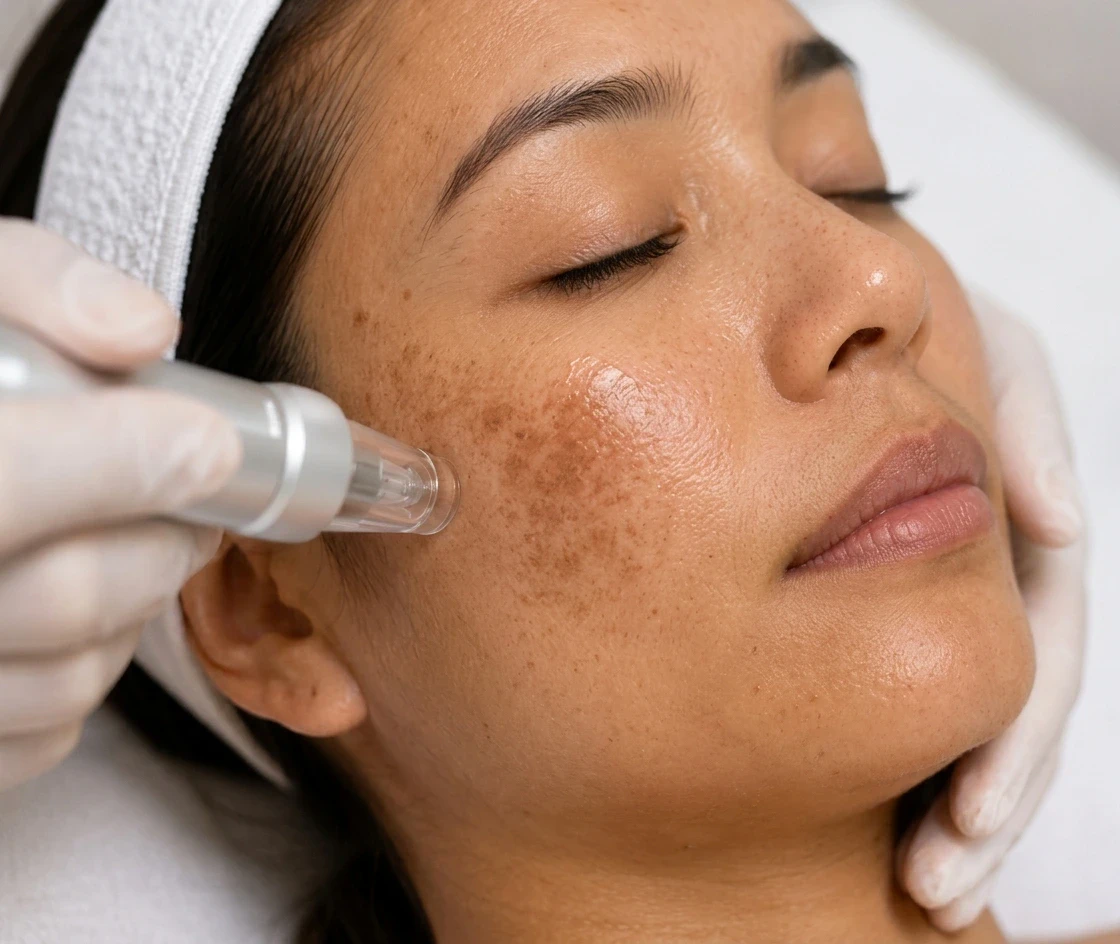
Hyperpigmentation occurs when certain areas of the skin become darker than the surrounding skin due to excess melanin. It can appear as small spots, larger patches, or uneven areas of discoloration.
Common types include:
- Melasma: Brown or greyish patches, usually appearing on the cheeks, forehead, and upper lip. Hormonal changes and sun exposure can contribute to its development.
- Sunspots: Flat brown spots associated with long-term UV exposure.
- Post-inflammatory hyperpigmentation (PIH): Dark marks that remain after acne, irritation, or skin injuries.
- Freckles: Small pigmented spots that may become more noticeable after sun exposure.
Identifying the type of pigmentation is essential because not all forms respond equally well to laser treatment.
What Causes Hyperpigmentation?
Several factors can contribute to excess melanin production:
- Sun exposure: UV radiation stimulates melanin production and can cause sunspots.
- Hormonal changes: Pregnancy and hormonal fluctuations can contribute to melasma.
- Acne and inflammation: Skin inflammation can leave dark marks, particularly in people prone to PIH.
- Skin irritation: Harsh skincare products, aggressive exfoliation, and repeated friction can worsen discoloration.
- Genetic factors: Some people are naturally more prone to freckles and other pigmentation concerns.
Understanding the underlying cause helps determine the most appropriate treatment approach.
How Does Laser Treatment for Hyperpigmentation Work?
Laser treatment delivers concentrated light energy to selected pigmented areas. The pigment absorbs the energy, which helps break it into smaller particles that the body gradually clears through its natural processes.
The treatment approach depends on the depth and type of pigmentation, as well as the patient's skin tone. Superficial sunspots may respond differently from deeper pigmentation or melasma, which requires a more cautious approach.
Types of Pigmentation Laser Treatments
Different laser technologies can target pigmentation. The appropriate option depends on the skin concern and individual characteristics.
Q-Switched Laser
Q-switched lasers deliver short, high-energy pulses that target pigment deposits. They may be used for selected superficial lesions, including certain sunspots and freckles.
Pico Laser
Picosecond lasers deliver energy in extremely short pulses to target pigment. They may be considered for selected dark spots and certain forms of post-inflammatory discoloration.
Fractional Laser
Fractional lasers create controlled microscopic treatment zones in the skin. Certain systems may be considered when pigmentation occurs alongside textural concerns. However, they are not suitable for every pigmentation condition and can aggravate discoloration in some cases.
The availability of these technologies varies between clinics. The specific device and treatment options should be confirmed before choosing a procedure.
Which Areas Can Be Treated with Laser?
Depending on the pigmentation type and treatment suitability, laser procedures may target selected areas of the face and body, including:
- Face: Cheeks, forehead, upper lip, and chin.
- Hands: Sunspots and age-related pigmentation.
- Neck: Selected dark spots and uneven skin tone.
- Décolletage: Sun-related discoloration on the upper chest.
- Body: Certain pigmented spots on the arms, shoulders, and legs.
Not every pigmented area is suitable for laser treatment. The cause and depth of discoloration should be assessed beforehand.
Who Is a Suitable Candidate for Pigmentation Laser Treatment?
Laser treatment may be suitable for people with certain persistent pigmentation concerns, including selected sunspots, freckles, and post-inflammatory dark marks.
Suitability depends on several factors:
- The type and depth of pigmentation.
- Skin tone and sensitivity.
- Medical history and current medications.
- Recent tanning or sun exposure.
- Previous reactions to cosmetic procedures.
People with active skin infections or irritated skin may need to postpone treatment. Melasma also requires particular care because some laser procedures can trigger inflammation and worsen discoloration.
What to Expect During Laser Treatment
Before the procedure, the practitioner examines the skin, assesses the pigmentation, and determines whether laser treatment is appropriate. The treatment area is then prepared according to the selected device's protocol.
During the session, you may experience brief snapping sensations, warmth, or mild discomfort as the laser delivers energy. The level of sensation depends on the technology, treatment intensity, and individual sensitivity.
Smaller areas generally require less treatment time than larger areas. Temporary redness, mild swelling, or darkening of treated spots may occur afterward, depending on the procedure.
Is Laser Treatment for Hyperpigmentation Safe?
Laser treatment is generally well tolerated when suitable technology and settings are selected. However, temporary reactions and complications are possible.
Potential side effects include:
- Redness and mild swelling.
- Temporary skin sensitivity.
- Darkening or crusting of treated spots.
- Temporary lightening or darkening of the skin.
- Blistering or burns in less common cases.
- Scarring, although uncommon.
People with darker skin tones may have a higher risk of post-inflammatory hyperpigmentation after certain laser procedures. Careful treatment selection and appropriate settings help reduce this risk.
Laser Treatment for Hyperpigmentation Results and Recovery
Results develop gradually as the skin clears the targeted pigment. Depending on the laser used, treated spots may temporarily become darker before fading or shedding.
The number of sessions varies according to pigmentation type, depth, treatment area, and individual response. Some superficial spots may improve after one session, while persistent concerns may require multiple appointments.
Recovery time also depends on the procedure. Mild redness and sensitivity may settle relatively quickly, while more intensive treatments can require a longer recovery period.
Laser treatment does not guarantee permanent removal. Pigmentation, particularly melasma, can return due to hormonal changes and continued sun exposure.
Aftercare Following Pigmentation Laser Treatment
Appropriate aftercare helps protect the skin and reduce the risk of further discoloration.
- Apply broad-spectrum sunscreen with SPF 30 or higher every day.
- Avoid direct sun exposure and wear protective clothing outdoors.
- Use gentle cleansers and moisturisers.
- Avoid harsh exfoliants, retinoids, and irritating skincare products until the skin has recovered.
- Do not pick, scratch, or remove crusting from treated areas.
- Avoid excessive heat while the skin is sensitive.
- Follow the aftercare instructions provided by your practitioner.
Consistent sun protection is particularly important for maintaining results and preventing new pigmentation.
Laser Treatment for Hyperpigmentation Cost in Dubai
The cost of Laser Treatment for Hyperpigmentation in Dubai depends on several factors:
- Size and location of the treatment area.
- Type and depth of pigmentation.
- Laser technology used.
- Number of sessions required.
- Individual treatment plan.
A consultation at Helia Clinic can help determine whether laser treatment is suitable and provide a personalised cost estimate.
Book Your Pigmentation Laser Treatment in Dubai at Helia Clinic
If dark spots or uneven skin tone are affecting your confidence, identifying the cause is an important first step toward choosing an appropriate treatment.
At Helia Clinic, you can discuss your skin concerns and treatment goals during a consultation. Contact the clinic to learn more about Pigmentation Laser Treatment in Dubai and find out whether laser treatment is suitable for your skin.