
Rosacea Treatment in Dubai
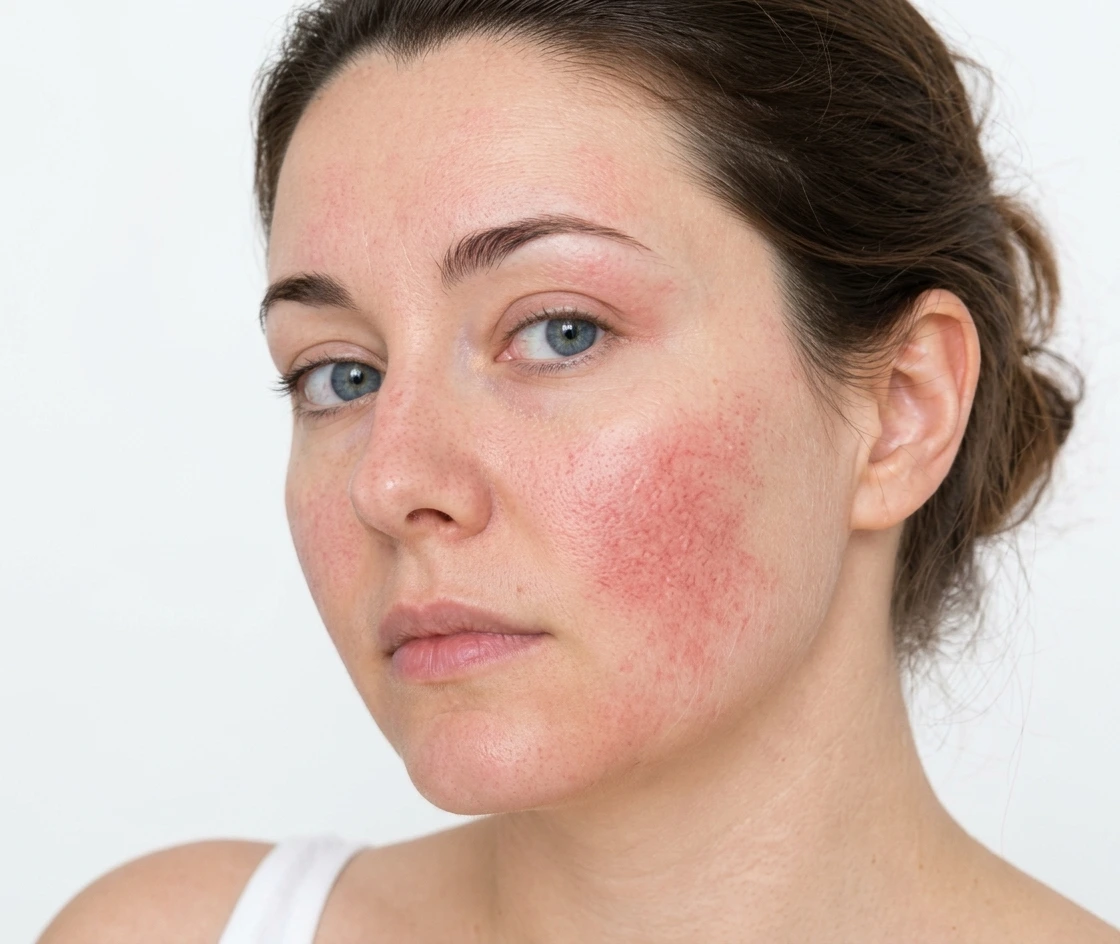
Rosacea is a chronic skin condition that commonly causes facial redness, visible blood vessels, flushing, and sometimes acne-like bumps. It often affects the cheeks, nose, forehead, and chin, with symptoms varying from person to person.
Rosacea Treatment in Dubai focuses on managing visible symptoms, reducing flare-ups, and improving overall skin appearance. At Helia Clinic, treatment recommendations should be tailored to the type of rosacea, symptom severity, skin sensitivity, and individual needs.
What Is Rosacea?
Rosacea is a long-term inflammatory skin condition that mainly affects the central areas of the face. It can cause persistent redness, episodes of flushing, visible small blood vessels, and inflammatory bumps.
Although rosacea is sometimes mistaken for acne or an allergic reaction, it is a different condition and requires an appropriate treatment approach. Unlike acne, rosacea does not typically cause blackheads or whiteheads.
Common signs include:
- Facial redness: Persistent redness, particularly around the cheeks and nose.
- Flushing: Temporary episodes of increased facial redness, often triggered by heat, stress, or certain foods.
- Visible blood vessels: Small blood vessels may become noticeable on the skin's surface.
- Inflammatory bumps: Some people develop red bumps and pustules without typical acne-related blackheads.
- Skin sensitivity: Burning, stinging, dryness, or irritation may occur.
Rosacea does not currently have a permanent cure, but appropriate treatment can help control its symptoms.
What Causes Rosacea?
The exact cause of rosacea is not fully understood. However, genetic factors, immune system responses, and changes in the skin's inflammatory processes may contribute to its development.
Certain environmental and lifestyle factors can also trigger flare-ups:
- Sun exposure: UV radiation can worsen facial redness.
- Temperature changes: Hot weather, cold conditions, and sudden temperature changes may trigger flushing.
- Food and drinks: Spicy foods, alcohol, and hot beverages can aggravate symptoms in some individuals.
- Stress: Emotional stress may contribute to episodes of flushing.
- Skin irritation: Harsh skincare products can worsen sensitivity and redness.
Identifying personal triggers can help reduce flare-ups alongside an appropriate treatment plan.
How Does Rosacea Treatment Work?
The treatment process depends on the symptoms and the recommended approach. It generally involves the following stages:
1. Skin Assessment
The practitioner examines your skin, reviews your symptoms, and discusses possible triggers. This helps identify the main concerns, such as persistent redness, visible blood vessels, or inflammatory bumps.
2. Treatment Selection
Based on the assessment, a suitable treatment plan is recommended. This may involve prescription treatments, skincare products, or laser and light-based procedures when appropriate.
3. Treatment Planning
The practitioner explains the recommended approach, expected outcomes, possible side effects, and any preparation required before treatment.
Who Is a Suitable Candidate for Rosacea Treatment?
Rosacea treatment may be suitable for people experiencing:
- Persistent facial redness
- Frequent flushing
- Visible blood vessels around the cheeks or nose
- Inflammatory bumps associated with rosacea
- Skin sensitivity related to the condition
However, not every treatment is suitable for every person. Individuals with active skin infections, significant irritation, or certain medical conditions may need additional assessment before undergoing a cosmetic procedure.
A professional consultation helps determine whether medical treatment, laser therapy, or another approach is appropriate.
What to Expect During Rosacea Treatment
Before treatment, the practitioner examines your skin and explains the recommended procedure, including its expected effects and possible side effects.
Your experience depends on the selected method. Topical treatments are generally applied as part of a skincare routine, while laser or light-based procedures may produce a brief warming sensation or mild snapping feeling.
The appointment duration depends on the treatment area and the technology used. Your practitioner will explain any preparation and comfort measures before the session.
Is Rosacea Treatment Safe?
Rosacea treatments are generally well tolerated when selected appropriately and performed by qualified professionals. However, side effects vary depending on the treatment method.
Possible reactions include:
- Temporary redness or swelling
- Mild skin sensitivity
- Dryness or irritation
- Temporary changes in skin colour
- Short-term increased redness after certain procedures
Laser and light-based treatments require particular care because sensitive rosacea-prone skin may react to excessive heat or unsuitable settings.
A professional assessment is important to identify potential risks and determine whether a specific procedure is suitable for your skin.
Book Your Rosacea Treatment in Dubai at Helia Clinic
Persistent redness, visible blood vessels, and skin sensitivity can affect both skin comfort and appearance. Choosing an appropriate treatment starts with understanding your symptoms and identifying the factors that trigger flare-ups.
Contact Helia Clinic to arrange a consultation and learn more about Rosacea Treatment in Dubai and Rosacea Laser Treatment in Dubai.
Rosacea Treatment Results and Recovery
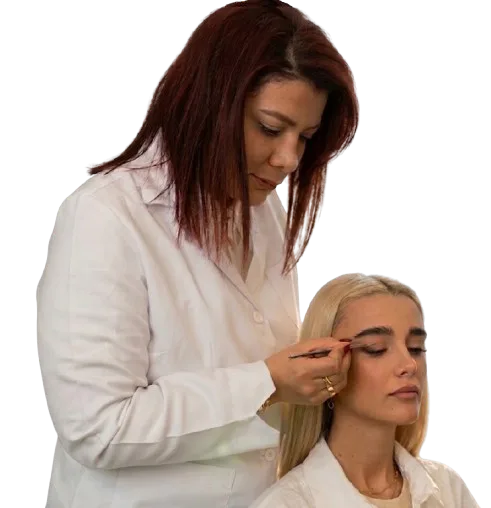
Results depend on the type of rosacea, the symptoms being treated, and the selected approach. Topical and oral treatments may gradually improve inflammatory symptoms, while certain laser and light-based procedures can reduce the appearance of visible blood vessels and persistent redness.
Some people require multiple sessions to achieve their desired improvement. Because rosacea is a chronic condition, symptoms can return, and ongoing management may be necessary.
Recovery varies by treatment. Some approaches involve little downtime, while laser procedures may cause temporary redness, swelling, or sensitivity.
Rosacea Treatment Aftercare
Following an appropriate skincare routine can help protect sensitive skin and reduce the likelihood of flare-ups.
- Use a gentle, fragrance-free cleanser.
- Apply a moisturiser formulated for sensitive skin.
- Use broad-spectrum sunscreen with SPF 30 or higher every day.
- Avoid excessive heat, hot showers, and direct sun exposure while the skin recovers.
- Avoid harsh exfoliants and irritating skincare ingredients unless your practitioner advises otherwise.
- Identify and limit personal triggers that worsen flushing.
- Follow the specific aftercare instructions provided by your practitioner.
Rosacea Treatment Cost in Dubai
The cost of Rosacea Treatment in Dubai depends on the type and severity of symptoms, the selected treatment method, the area being treated, and the number of sessions required.
A consultation at Helia Clinic can help determine an appropriate treatment plan and provide a personalised cost estimate.