
7 Best Eyebrow Growth Oils: Reviews & Benefits




Full, well-defined eyebrows can enhance facial balance and appearance. However, dryness, hair breakage, overplucking, and other factors can make eyebrow hairs look thinner. Using an Eyebrow Growth Oil is a popular way to condition existing hairs and improve their appearance.
Natural oils such as castor, rosemary, coconut, and jojoba oil are commonly included in eyebrow-care routines. Each offers different properties, but their ability to stimulate new hair growth varies, and scientific evidence remains limited.
If you have noticed your eyebrows becoming thinner, understanding the possible causes of eyebrow thinning and how to regrow them can help you choose the right approach to eyebrow care.
Do Eyebrow Growth Oils Really Work?
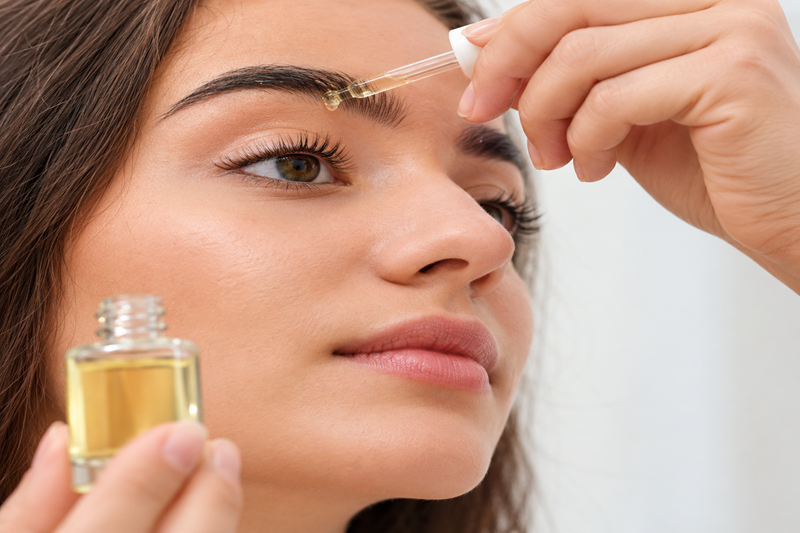
Eyebrow oils can help moisturize the skin and condition existing hairs, making them softer and less prone to dryness. Some oils also contain fatty acids and antioxidants that support skin and hair care.
However, moisturizing eyebrow hairs is different from stimulating hair follicles. There is currently insufficient clinical evidence that most natural oils can increase eyebrow density or activate dormant follicles.
A systematic review published in the Journal of Drugs in Dermatology examined the evidence behind several popular hair oils. It found limited evidence for coconut oil in improving hair quality, weaker evidence for castor oil, and insufficient evidence supporting argan oil for hair growth.
Not sure where to start?
Our specialists will assess your scalp biology, graft capacity, and aesthetic goals to create a hair restoration protocol designed entirely for you — from your first consultation onward.
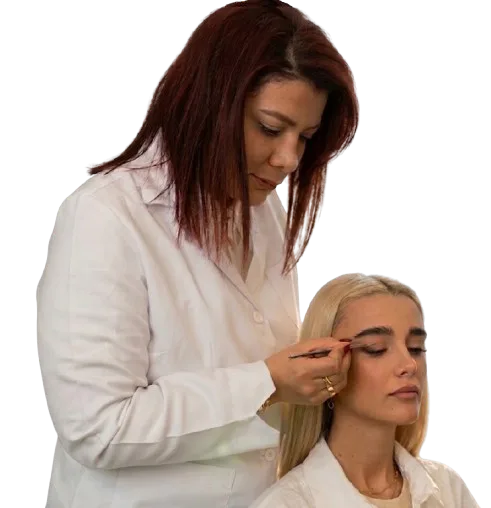
Eyebrow Growth Oil & How to Use Them
The following table compares seven popular oils based on their primary cosmetic benefits and available evidence.
| Eyebrow Oil | Main Benefit | Best For |
|---|---|---|
| Castor Oil | Hair conditioning | Dry, brittle hairs |
| Rosemary Oil | Potential hair-care benefits | Hair-care formulations |
| Coconut Oil | Reducing protein loss | Damaged, dry hairs |
| Jojoba Oil | Lightweight moisturization | Oily or combination skin |
| Argan Oil | Softening and smoothing | Coarse eyebrow hairs |
| Sweet Almond Oil | Skin and hair conditioning | Dry skin |
| Olive Oil | Moisture retention | Dry, coarse hairs |
1. Castor Oil
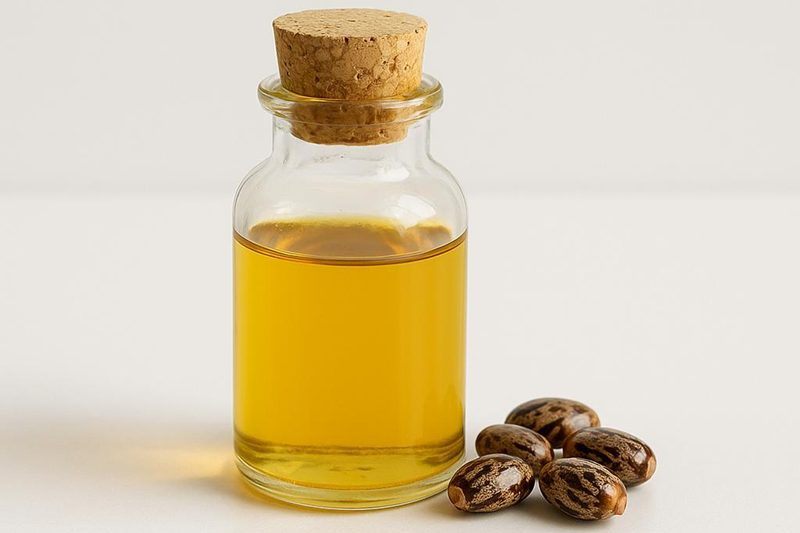
Castor oil is one of the most popular ingredients in natural eyebrow-care routines. It contains ricinoleic acid, a fatty acid that contributes to its thick consistency.
Its main advantage is conditioning dry eyebrow hairs and improving their appearance. The oil creates a coating around the hair shaft, helping reduce moisture loss.
Potential benefits:
- Softens coarse eyebrow hairs.
- Improves hair shine.
- Helps condition dry skin.
Limitation: Despite its popularity, there is no strong clinical evidence that castor oil directly stimulates eyebrow growth.
2. Rosemary Oil
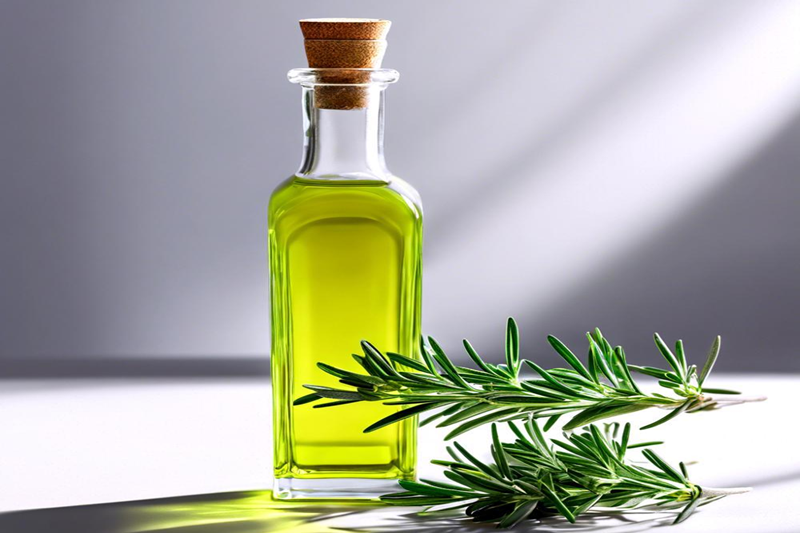
Rosemary oil is an essential oil frequently used in scalp-care products. Some research has investigated its potential role in scalp hair growth, but these findings do not establish that it works for eyebrows.
It contains naturally occurring compounds with antioxidant properties and is sometimes included in diluted hair-care formulations.
Potential benefits:
- Provides antioxidant compounds.
- Can be used in diluted hair-care products.
- Has potential applications in scalp hair care.
Limitation: Rosemary essential oil must never be applied undiluted to the eyebrows. It may irritate the skin and should be kept away from the eyes.
3. Coconut Oil
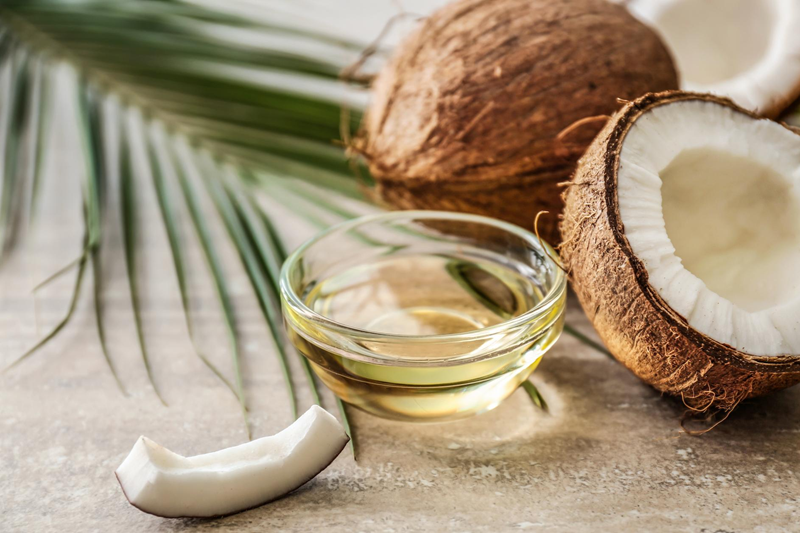
Coconut oil contains lauric acid, which can penetrate the hair shaft and help reduce protein loss. This makes it particularly useful for conditioning brittle or damaged hair.
For eyebrow care, it may help improve softness and reduce dryness without requiring a complicated routine.
Potential benefits:
- Helps protect hair fibers from protein loss.
- Conditions dry eyebrow hairs.
- Improves softness and manageability.
Limitation: Evidence supporting coconut oil for hair quality is stronger than evidence for actual hair growth. Its heavy texture may also contribute to clogged pores in some people.
Nutiva Organic Virgin Coconut Oil: Nutiva Organic Virgin Coconut Oil is a popular cold-pressed coconut oil known for its natural composition and moisturizing properties. It contains lauric acid, which helps condition hair fibers and reduce protein loss. It can be used as a hair-conditioning ingredient, although it has not been clinically proven to stimulate eyebrow growth.
4. Jojoba Oil
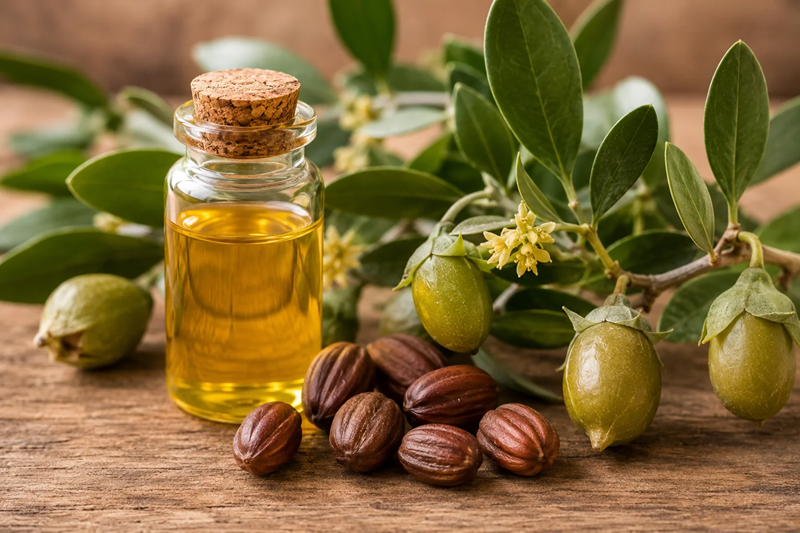
Jojoba oil is technically a liquid wax rather than a conventional plant oil. Its composition resembles some of the natural lipids found in human skin.
Compared with thicker oils, jojoba has a relatively lightweight texture, making it a popular ingredient in facial moisturizers and hair-care products.
Potential benefits:
- Helps maintain skin hydration.
- Softens eyebrow hairs.
- Leaves a less greasy finish than heavier oils.
Limitation: There is insufficient clinical evidence that jojoba oil stimulates eyebrow follicles or increases hair density.
NOW Foods Organic Jojoba Oil is a lightweight, plant-based oil that helps moisturize the skin and soften dry eyebrow hairs without leaving a heavy, greasy feel.
5. Argan Oil
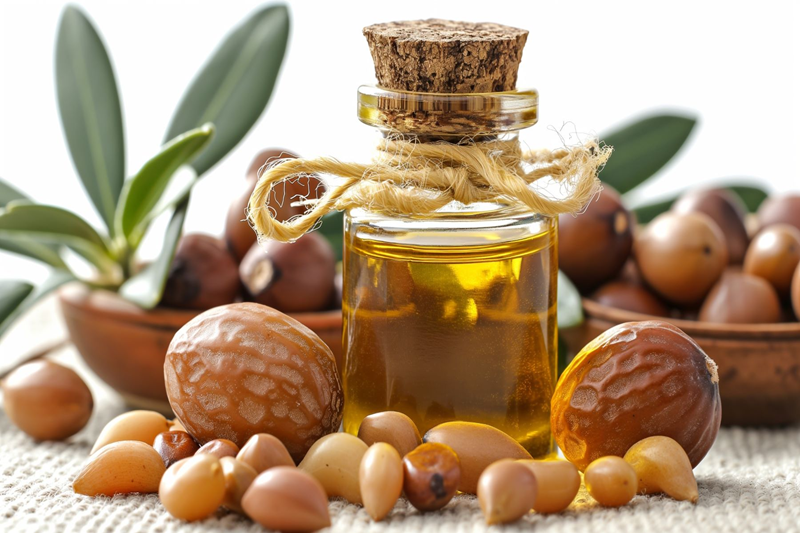
Extracted from the kernels of the argan tree, argan oil contains fatty acids and vitamin E. It is widely used in cosmetic formulations because of its conditioning properties.
It may be particularly useful for eyebrows that feel rough or look dull due to dryness.
Potential benefits:
- Smooths coarse eyebrow hairs.
- Provides conditioning and moisture.
- Contains antioxidant compounds.
Limitation: Current research does not establish argan oil as an effective treatment for eyebrow regrowth.
The Ordinary’s pure argan oil is rich in fatty acids and vitamin E. It helps moisturize the skin, soften dry eyebrow hairs, and improve their smoothness.
6. Sweet Almond Oil
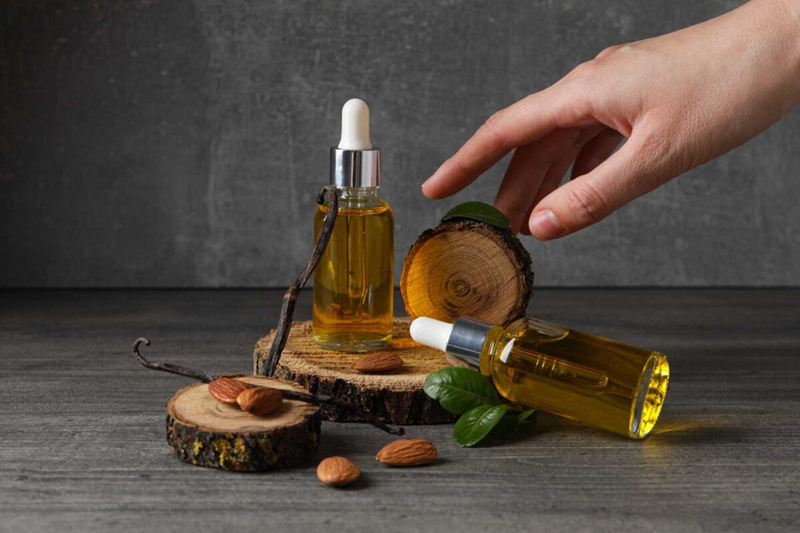
Sweet almond oil is rich in oleic and linoleic acids, which help soften and moisturize skin and hair.
Its smooth consistency makes it suitable for conditioning dry eyebrow hairs. However, people with almond or tree-nut allergies should avoid products containing it unless their safety has been confirmed.
Potential benefits:
- Softens dry eyebrow hairs.
- Helps moisturize surrounding skin.
- Improves hair manageability.
Limitation: There is no established clinical evidence that sweet almond oil increases eyebrow growth.
7. Olive Oil
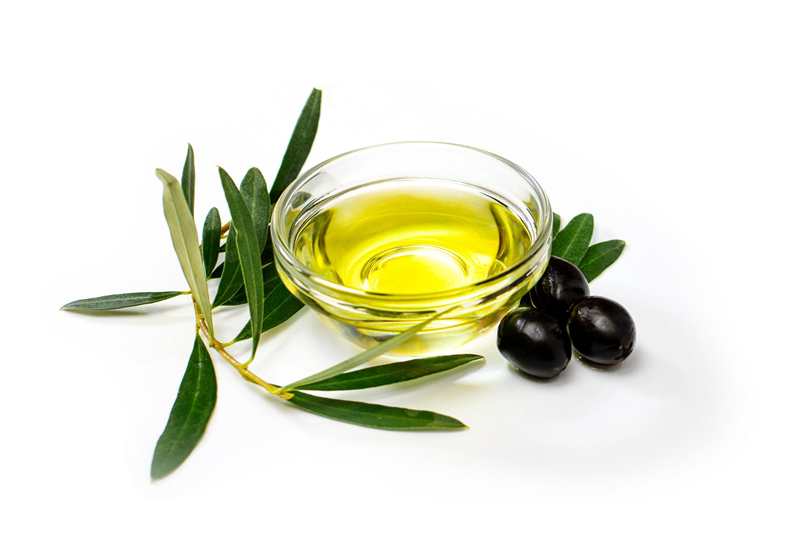
Olive oil contains oleic acid and antioxidant compounds, including vitamin E. Its moisturizing properties make it a common ingredient in traditional hair and skincare routines.
It can help condition coarse eyebrow hairs, although its heavier texture may not suit everyone.
Potential benefits:
- Helps reduce dryness.
- Softens rough eyebrow hairs.
- Supports moisture retention.
Limitation: Olive oil has not been clinically established as a treatment for eyebrow thinning or follicle stimulation
How to Choose the Best Eyebrow Growth Oil
The right oil depends on your skin type, eyebrow condition, and sensitivity to cosmetic ingredients.
Consider these factors when choosing a product:
- Skin type: Lightweight formulations may be more comfortable for oily skin, while richer oils can suit dry eyebrow hairs.
- Ingredients: Choose products with simple formulations and avoid unnecessary fragrances.
- Allergies: Check ingredient labels carefully, especially when using nut-derived oils or essential oils.
- Product quality: Choose reputable brands with clear ingredient lists and products intended for facial use.
Remember that an oil designed to condition eyebrow hairs is not necessarily a clinically proven hair-growth treatment.
How to Apply Eyebrow Growth Oil Safely
Correct application helps minimize irritation, particularly because the eyebrow area is close to the eyes.
Follow these steps:
- Clean your eyebrows to remove makeup and skincare residue.
- Perform a patch test on an area away from the eyes and monitor for irritation.
- Use a clean cotton swab or eyebrow brush to apply a small amount.
- Distribute the product gently along the eyebrow hairs.
- Avoid contact with the eyelids and eyes.
- Follow the product instructions and remove excess oil if necessary.
Never apply undiluted essential oils directly to your eyebrows. Discontinue use if you experience redness, itching, swelling, or burning.
When Are Eyebrow Growth Oils Not Enough?
Oils may improve the appearance of existing eyebrow hairs, but they cannot restore permanently damaged follicles or treat every cause of eyebrow loss.
If your eyebrows continue to thin, develop noticeable gaps, or stop growing back, a dermatological assessment can help identify the underlying problem.
For people with permanent eyebrow hair loss or significant gaps, eyebrow transplantation may be an option. This procedure involves transferring hair follicles from a donor area to the eyebrow region to create a fuller appearance.
If you are considering a longer-term solution, explore eyebrow transplant Dubai at Helia Clinic to learn more about the procedure.
Not sure where to start?
Our specialists will assess your scalp biology, graft capacity, and aesthetic goals to create a hair restoration protocol designed entirely for you — from your first consultation onward.
Frequently Asked Questions
Which Oil Is Best for Eyebrow Growth?
Castor oil is one of the most popular choices because of its conditioning properties. However, scientific evidence does not establish it as a treatment for stimulating new eyebrow growth.
Can I Apply Eyebrow Growth Oil Every Day?
It depends on the product and your skin’s tolerance. Follow the manufacturer’s instructions and stop using the oil if irritation develops.
Does Castor Oil Make Eyebrows Thicker?
Castor oil may make existing eyebrow hairs look smoother and shinier. However, there is insufficient clinical evidence that it increases hair density.
How Long Does It Take for Eyebrow Oils to Work?
Oils may improve hair softness and appearance with regular use, but there is no scientifically established timeline for eyebrow regrowth from natural oils.
Can I Mix Different Oils for Eyebrow Growth?
Some cosmetic formulations combine multiple oils, but mixing more ingredients does not guarantee better results. Simple formulations can also make it easier to identify potential irritants.
Conclusion
The best Eyebrow Growth Oil depends on your hair condition, skin type, and personal preferences. Castor, coconut, jojoba, argan, and other natural oils can help condition eyebrow hairs and improve their appearance.
However, their cosmetic benefits should not be confused with proven hair-growth treatments. If you experience persistent eyebrow thinning or permanent hair loss, identifying the cause and exploring appropriate treatment options is more important than relying on oils alone.
Related Articles
Continue exploring clinical insights from the Helia Medical Journal.
 Eyebrow Transplant
Eyebrows Getting Thinner? 7 Causes & How to Regrow Them
Table of ContentsWhy Are My Eyebrows Getting Thinner?1. Overplucking and Excessive Grooming2. Aging and Genetic Factors3. Thyroid Disorders and Hormonal Changes4. Alopecia Areata5. Skin Conditions and Inflammation6. Nutritional…
 Eyebrow Transplant
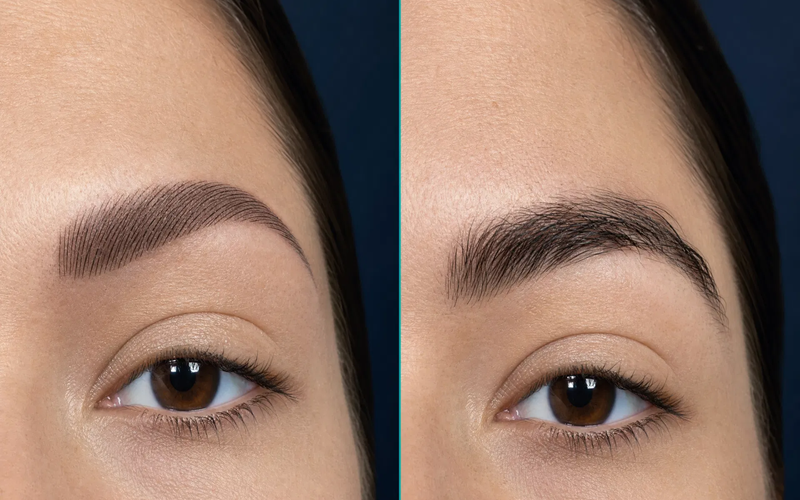
 vs Microblading: Natural & Long-Lasting Results
Table of ContentsWhat Is the Difference Between Eyebrow Transplant and Microblading?Eyebrow Transplant vs Microblading: Key DifferencesWhich Looks More Natural: Eyebrow Transplant or Microblading?Which Lasts Longer: Eyebrow Transplant or…
Comments
Share your questions or clinical experience with our readers.