
Eyebrows Getting Thinner? 7 Causes & How to Regrow Them



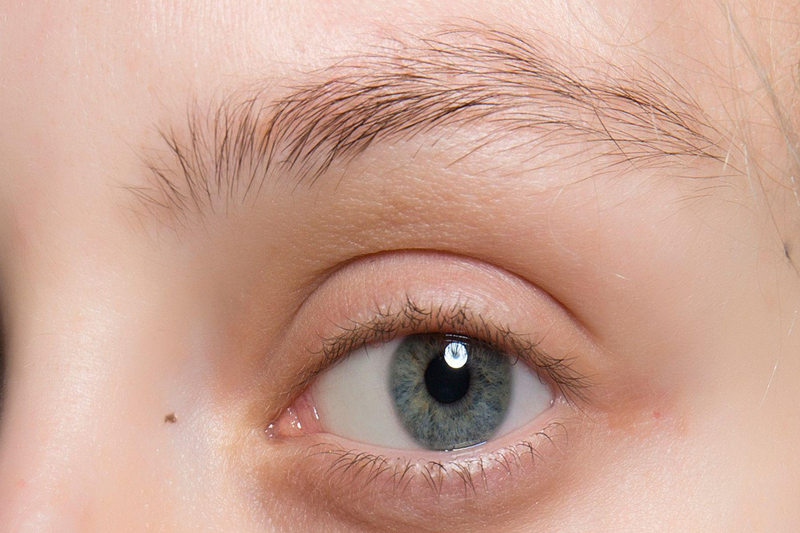
Noticing your eyebrows getting thinner can be frustrating, especially when the change happens gradually or creates uneven patches. While some eyebrow shedding is part of the natural aging process, noticeable hair loss can also indicate hormonal changes, nutritional deficiencies, skin conditions, or other medical issues.
Eyebrow hair loss, medically known as madarosis, can affect one or both eyebrows and may be temporary or permanent depending on the underlying cause. Understanding why your eyebrows are losing density is essential for choosing the right treatment.
Why Are My Eyebrows Getting Thinner?
Eyebrow thinning can develop gradually or appear suddenly as small bald patches. Although excessive grooming is a common contributing factor, several medical and lifestyle-related conditions can also affect eyebrow growth.
The following table summarizes seven potential causes and their typical management approaches.
| Cause | Common Signs | Management Approach |
|---|---|---|
| Overplucking | Sparse areas where hair was repeatedly removed | Reduce grooming and allow regrowth |
| Aging and genetics | Gradual loss of density | Gentle grooming and restoration options |
| Thyroid disorders | Thinning, sometimes along the outer eyebrows | Medical evaluation and thyroid treatment |
| Alopecia areata | Sudden, patchy hair loss | Dermatological treatment |
| Skin conditions | Redness, itching, or scaling | Treat the underlying skin condition |
| Nutritional deficiencies | Hair thinning alongside other symptoms | Correct confirmed deficiencies |
| Medications and scarring | Hair loss following treatment or injury | Medical assessment and possible restoration |
1. Overplucking and Excessive Grooming
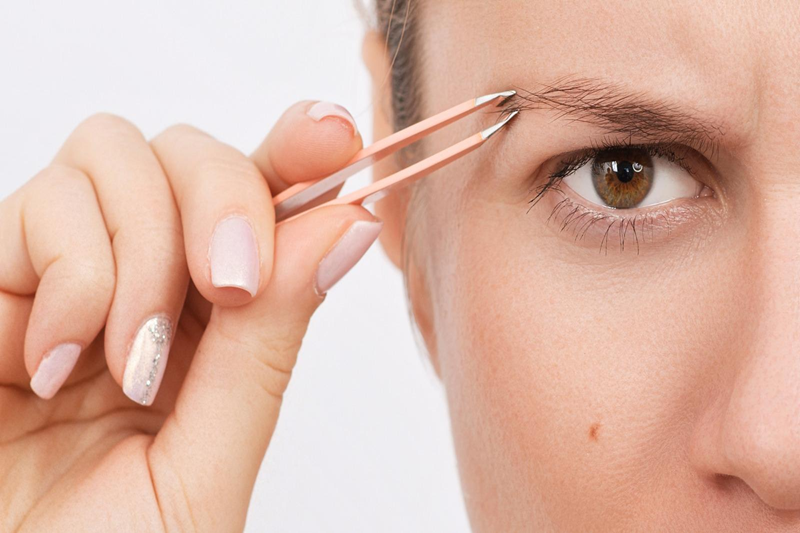
Repeatedly plucking, waxing, or threading the same areas can damage eyebrow follicles over time. Although occasional grooming rarely causes permanent hair loss, repeated trauma may eventually interfere with normal hair growth.
Taking a break from hair removal allows undamaged follicles to recover. However, if repeated grooming has caused permanent follicular damage, natural regrowth may be limited.
2. Aging and Genetic Factors
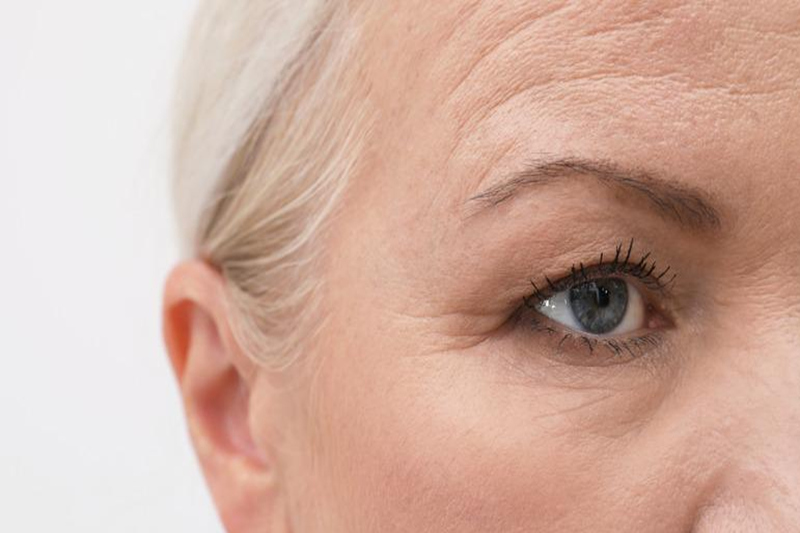
Eyebrow hair can become finer, lighter, and less dense with age. Genetics also influence natural eyebrow thickness, shape, and growth patterns.
These changes are not necessarily signs of an underlying medical condition. However, sudden or unusually pronounced thinning should not automatically be attributed to aging.
3. Thyroid Disorders and Hormonal Changes
Thyroid hormones help regulate the hair growth cycle. Both hypothyroidism and hyperthyroidism can contribute to hair thinning, including eyebrow hair loss.
A characteristic finding associated with hypothyroidism is thinning along the outer third of the eyebrows, although this sign alone cannot confirm a thyroid disorder.
Hormonal changes may also influence hair density and growth.
4. Alopecia Areata
Alopecia areata is an autoimmune condition in which the immune system mistakenly attacks hair follicles. It can affect the eyebrows, causing sudden hair loss in small, round or irregular patches.
In some cases, eyebrow loss occurs alongside hair loss on the scalp or other parts of the body.
Treatment depends on the extent of hair loss and may include dermatologist-prescribed corticosteroids or other therapies that target the immune response.
5. Skin Conditions and Inflammation
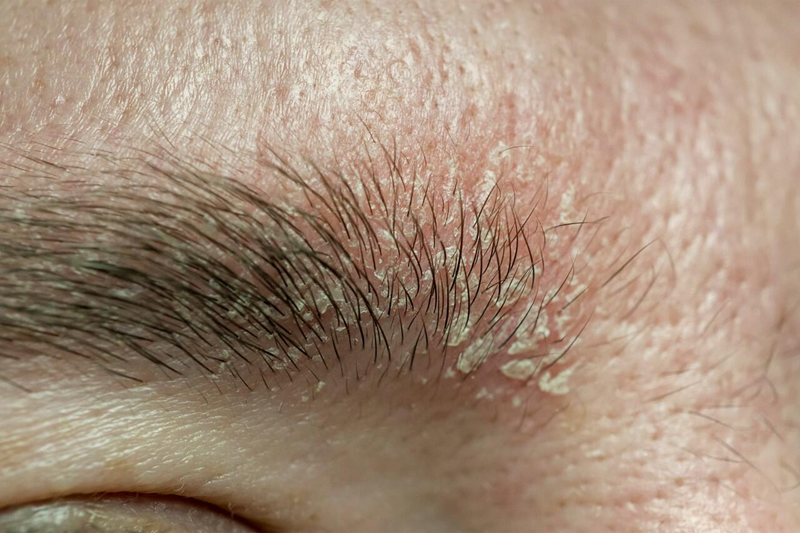
Inflammatory skin conditions can interfere with healthy eyebrow growth, particularly when they cause persistent irritation or affect the hair follicles.
Common examples include:
- Seborrheic dermatitis: Causes redness and flaky or greasy skin around the eyebrows.
- Atopic dermatitis: Can lead to itching, inflammation, and repeated scratching.
- Psoriasis: Produces inflamed, scaly patches that may affect surrounding hair.
- Fungal infections: Can cause localized inflammation and hair loss.
Treatment focuses on controlling the underlying condition rather than simply stimulating hair growth.
6. Nutritional Deficiencies
Hair follicles require adequate nutrients to maintain normal growth. Deficiencies in iron, zinc, and protein may contribute to hair thinning in some individuals.
However, nutritional deficiencies are only one possible explanation for eyebrow hair loss. Taking supplements without identifying a deficiency may not improve hair growth.
A healthcare professional can recommend appropriate blood tests and supplementation when necessary.
7. Medications, Medical Treatments, and Scarring
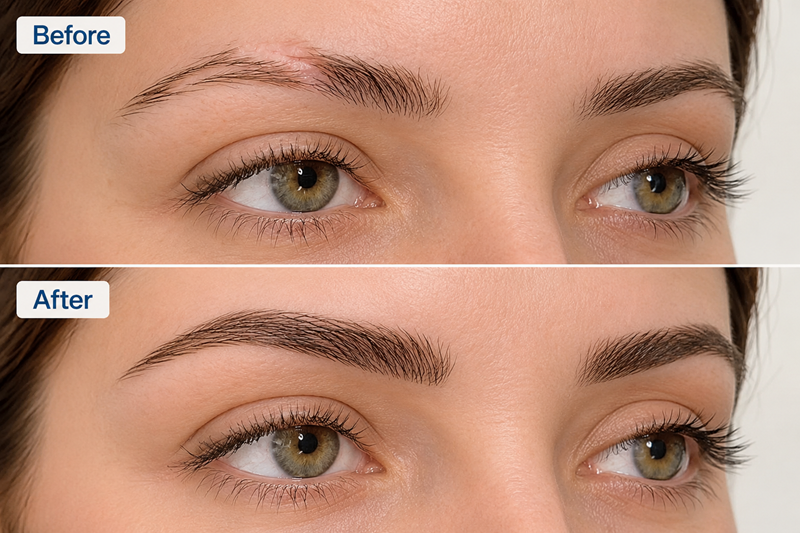
Certain medications and medical treatments can disrupt normal hair growth. Chemotherapy, for example, may cause temporary eyebrow and scalp hair loss.
Injuries, burns, and chronic inflammatory conditions can also damage hair follicles. When this damage results in permanent scarring, the follicles may no longer produce new hair.
In these cases, natural regrowth may be difficult, and restorative procedures may be worth considering.
Not sure where to start?
Our specialists will assess your scalp biology, graft capacity, and aesthetic goals to create a hair restoration protocol designed entirely for you — from your first consultation onward.
Will Eyebrows Grow Back?
Yes, eyebrows can grow back in many cases, but regrowth depends on the cause of hair loss and whether the follicles remain functional.
When eyebrow thinning results from temporary factors such as overplucking, nutritional deficiencies, or certain medical conditions, hair may return after the underlying problem is addressed.
However, regrowth is not guaranteed. Permanent follicular damage, significant scarring, and some chronic inflammatory conditions can prevent new hair from developing.
The following factors influence the likelihood of regrowth:
- Follicle condition: Healthy follicles have a better chance of producing new hair.
- Underlying cause: Temporary hair loss is generally more likely to improve than scarring-related loss.
- Treatment: Addressing the underlying condition can help prevent further thinning and support recovery.
If your eyebrows remain sparse despite appropriate treatment, a dermatologist can assess whether the follicles are still capable of producing hair.
How to Regrow Thinning Eyebrows
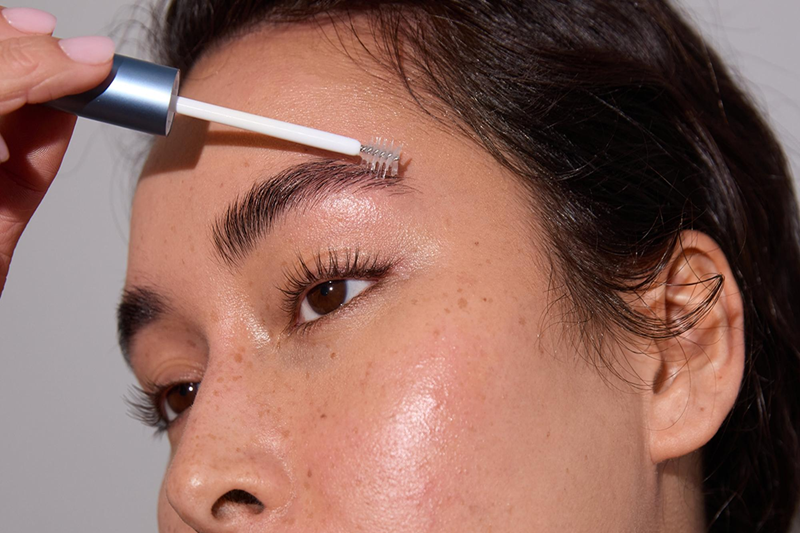
The most effective approach depends on the reason your eyebrows are getting thinner. Some cases improve with simple changes, while others require medical treatment.
- Avoid excessive grooming: Reduce plucking, waxing, and other practices that repeatedly traumatize eyebrow follicles.
- Maintain a balanced diet: Include adequate protein, iron, zinc, and other essential nutrients.
- Treat underlying conditions: Thyroid disorders, autoimmune conditions, and inflammatory skin diseases require appropriate medical management.
- Consider prescribed treatments: Depending on the diagnosis, a dermatologist may recommend topical medications, corticosteroids, or other therapies. Minoxidil may be considered in selected cases, but application near the eyes requires medical guidance.
Avoid applying unverified growth serums or medications around the eyes without professional advice.
Can an Eyebrow Transplant Restore Thinning Eyebrows?
When eyebrow follicles have been permanently damaged or natural regrowth is no longer possible, an eyebrow transplant may offer a long-term restoration option.
The procedure involves transferring hair follicles, usually from the scalp, into areas with insufficient eyebrow density. These transplanted follicles can produce new hair and help recreate a fuller eyebrow shape.
An eyebrow transplant may be considered for people experiencing:
- Naturally sparse eyebrows.
- Permanent thinning following excessive plucking.
- Hair loss caused by injuries or burns.
- Scarring that has affected eyebrow density.
- Persistent eyebrow hair loss that has not responded to appropriate treatments.
At Helia Clinic, individuals considering eyebrow transplant in Dubai can explore the procedure and discuss their suitability with a specialist.
A consultation helps assess donor hair availability, the condition of the eyebrow area, the desired shape, and realistic treatment outcomes.
Not sure where to start?
Our specialists will assess your scalp biology, graft capacity, and aesthetic goals to create a hair restoration protocol designed entirely for you — from your first consultation onward.
Frequently Asked Questions
Why are my eyebrows suddenly getting thinner?
Sudden eyebrow thinning may be associated with alopecia areata, thyroid disorders, skin inflammation, nutritional deficiencies, or certain medications. Identifying the underlying cause is important for choosing appropriate treatment.
Can overplucked eyebrows grow back?
Yes, overplucked eyebrows can often recover if the hair follicles remain healthy. However, repeated trauma over many years may cause permanent follicular damage.
How long does it take for eyebrows to grow back?
Regrowth varies depending on the cause of hair loss and the condition of the follicles. Some people notice improvement within a few months, while others require longer or may not experience natural regrowth.
Can vitamin deficiencies cause eyebrow hair loss?
Yes. Iron and zinc deficiencies, among other nutritional problems, may contribute to hair thinning. However, supplements should only be used when a deficiency has been identified or supplementation is medically recommended.
Is an eyebrow transplant permanent?
An eyebrow transplant is designed to provide long-term hair restoration using living follicles. Transplanted hairs can continue growing, although results vary depending on follicle survival, healing, and individual characteristics.
Conclusion
Eyebrows getting thinner can have several causes, from overplucking and aging to hormonal changes and medical conditions. Identifying the cause is essential for choosing the right treatment. If natural regrowth is no longer possible, an eyebrow transplant may help restore fuller, more defined brows.
source: Eyebrow and Eyelash Alopecia: A Clinical Review – American Journal of Clinical Dermatology
Related Articles
Continue exploring clinical insights from the Helia Medical Journal.
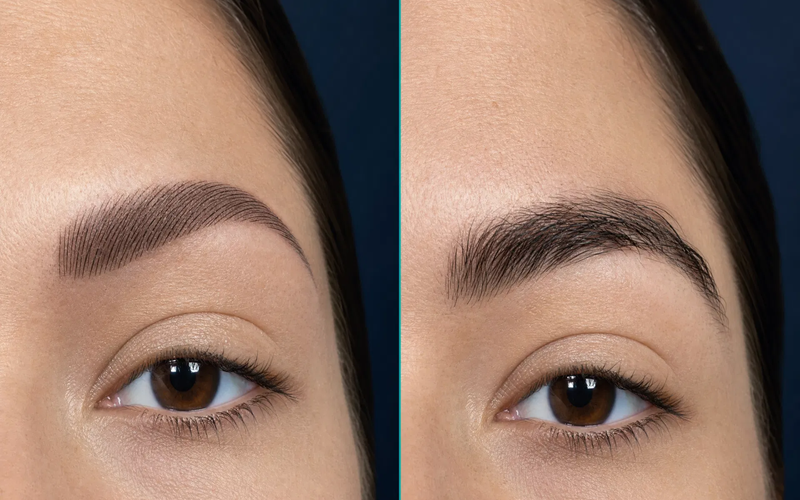 Eyebrow Transplant
 vs Microblading: Natural & Long-Lasting Results
Table of ContentsWhat Is the Difference Between Eyebrow Transplant and Microblading?Eyebrow Transplant vs Microblading: Key DifferencesWhich Looks More Natural: Eyebrow Transplant or Microblading?Which Lasts Longer: Eyebrow Transplant or…
Comments
Share your questions or clinical experience with our readers.