
Donor Hair From Another Person: Is It Possible?



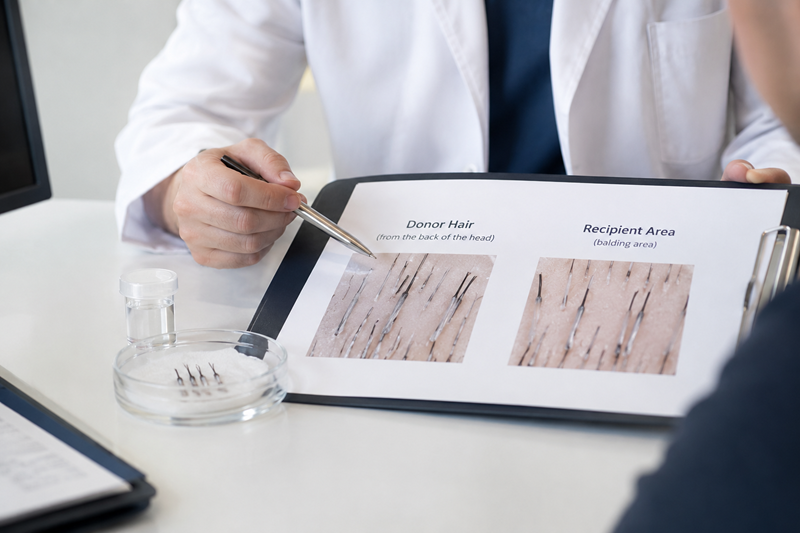
People experiencing advanced hair loss may wonder whether a family member, partner, or friend can donate hair follicles for transplantation. This question is particularly relevant when the patient’s own donor area cannot provide enough grafts to achieve the desired coverage.
Donor hair from another person is not a standard option for cosmetic hair transplantation. The main obstacle is immunological: the recipient’s immune system can recognize another person’s follicles as foreign tissue and attack them. Synthetic hair fibers have also raised significant safety concerns, making it important to understand the differences between these approaches before choosing a treatment.
Can Someone Else Donate Hair for Transplant?
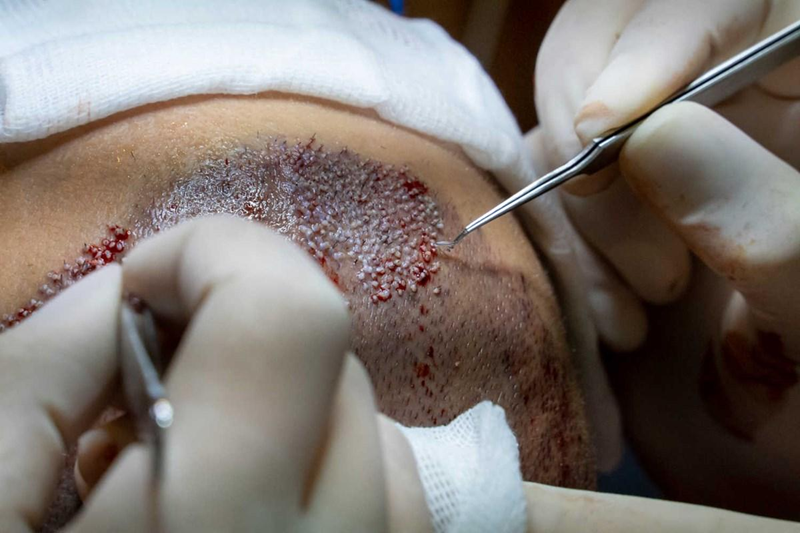
The question can someone else donate hair for transplant? has a straightforward answer for most patients: conventional hair transplantation uses the patient’s own follicles rather than follicles from another person.
When a surgeon moves follicles from the back or sides of the scalp to a thinning area, the procedure is called an autologous transplant. Because the donor and recipient are the same person, the follicles do not face the same tissue-compatibility challenges associated with transplantation between different individuals.
Transplanting follicles from another person is known as an allogeneic transplant. Although exceptional medical circumstances may involve hair-bearing tissue from another donor, this is not an established solution for routine cosmetic hair restoration.
Being related does not automatically make two people immunologically compatible. A parent, sibling, or partner cannot simply donate hair with the expectation that the follicles will grow permanently.
Identical twins may have a different compatibility profile because they generally share the same genetic makeup. However, this is an unusual circumstance and does not establish donor-to-donor transplantation as a practical option for most patients.
Not sure where to start?
Our specialists will assess your scalp biology, graft capacity, and aesthetic goals to create a hair restoration protocol designed entirely for you — from your first consultation onward.
Why Immune Rejection Happens
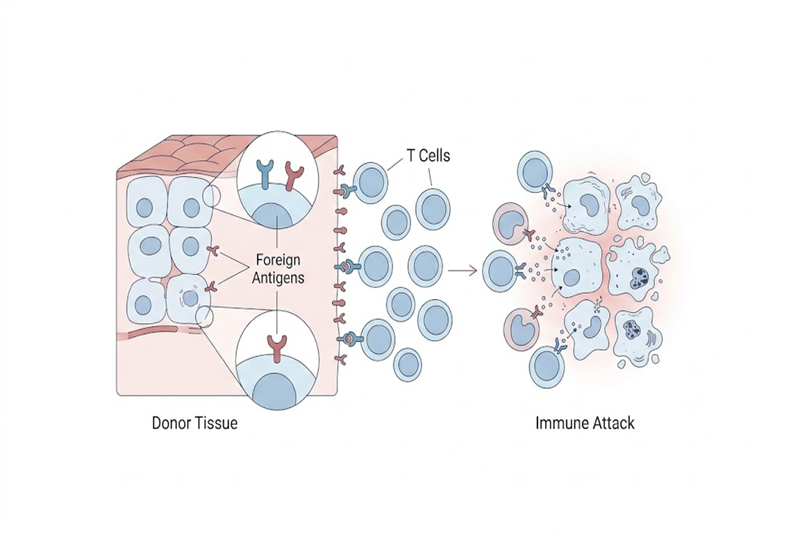
Understanding the immunology of allografts explains why hair follicles from another person are not routinely used in cosmetic transplantation.
An allograft is tissue transferred between genetically different members of the same species. Even though both people are human, their cells can carry different biological markers that allow the recipient’s immune system to distinguish self from non-self.
The Immunology of Allografts
An allograft is tissue transferred between genetically different individuals of the same species. Hair follicles from another person may carry different human leukocyte antigens (HLA) and other tissue markers that the recipient’s immune system recognizes as foreign.
This recognition can activate T lymphocytes and other immune pathways, potentially damaging transplanted follicles and compromising their survival. Sharing a blood group or having a close family relationship does not guarantee tissue compatibility.
Although immunosuppressive medication can help prevent rejection in certain organ transplants, it carries risks, including serious infections and other complications. Its use solely to preserve hair follicles for cosmetic purposes would generally present an unfavorable risk-benefit balance.
Synthetic Biofibre Hair Risks
When a patient’s natural donor supply is insufficient, synthetic hair implantation may appear to offer another way to increase hair coverage. However, artificial fibers are not living follicles and cannot reproduce the biological growth cycle of natural hair.
Synthetic hair implantation involves inserting manufactured fibers into the scalp to create the appearance of greater density. The implanted material can provoke a foreign-body response, and the scalp remains vulnerable to complications associated with introducing and retaining artificial material.
FDA Warnings on Synthetic Fibers
The US Food and Drug Administration (FDA) banned prosthetic hair fibers intended for implantation into the scalp in 1983. Its decision followed concerns about serious infections, inflammation, injury, and misleading claims about the safety and effectiveness of these devices.
The FDA’s Medical Device Bans guidance explains why these implants were prohibited in the United States.
This regulatory action concerns implanted prosthetic hair fibers; it should not be confused with ordinary wigs, hairpieces, or external cosmetic fibers that do not require implantation. Regulatory requirements also differ between countries.
Potential Complications of Synthetic Hair Implants
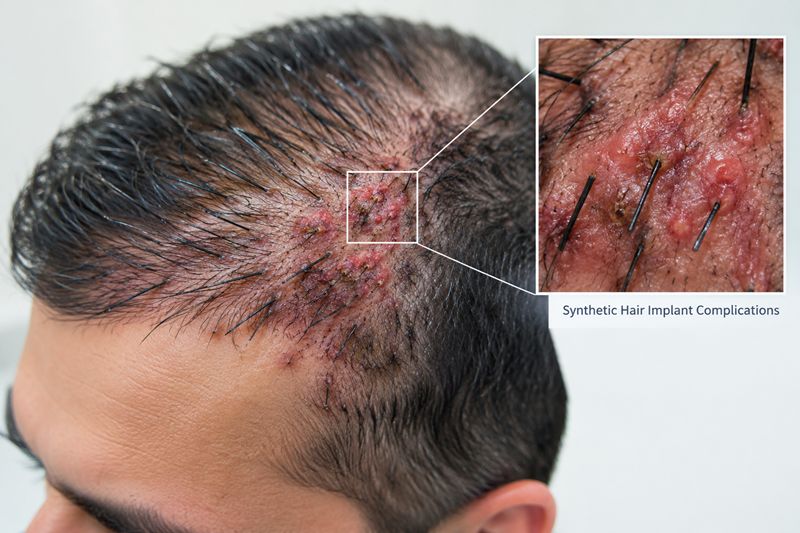
Reported concerns associated with implanted fibers include:
- Infection: Bacteria can enter the scalp through implantation sites, potentially causing persistent or recurrent infections.
- Inflammation: The body may react to artificial material, resulting in redness, itching, tenderness, or swelling.
- Scarring: Chronic inflammation can damage scalp tissue and lead to fibrosis or permanent scarring.
- Fiber breakage or loss: Implanted fibers may break, loosen, or fall out, reducing the cosmetic effect.
- Removal difficulties: Complications may require medical treatment or procedures to remove the implanted material.
These risks explain why synthetic implants should not be assumed to be a safe substitute for natural hair transplantation simply because they do not require a biological donor.
The term Biofibre is associated with certain synthetic hair implantation products. Product-specific claims of biocompatibility do not, by themselves, establish long-term safety. Patients should verify the regulatory status of any proposed implant in their country and discuss its evidence, complications, and removal requirements with a qualified medical professional.
Safe Biological Alternatives When Donor Hair Is Limited
A limited donor area does not automatically rule out hair restoration. The appropriate approach depends on the extent of hair loss, the availability of suitable follicles, and the patient’s long-term goals.
1. Use Scalp Donor Hair Strategically
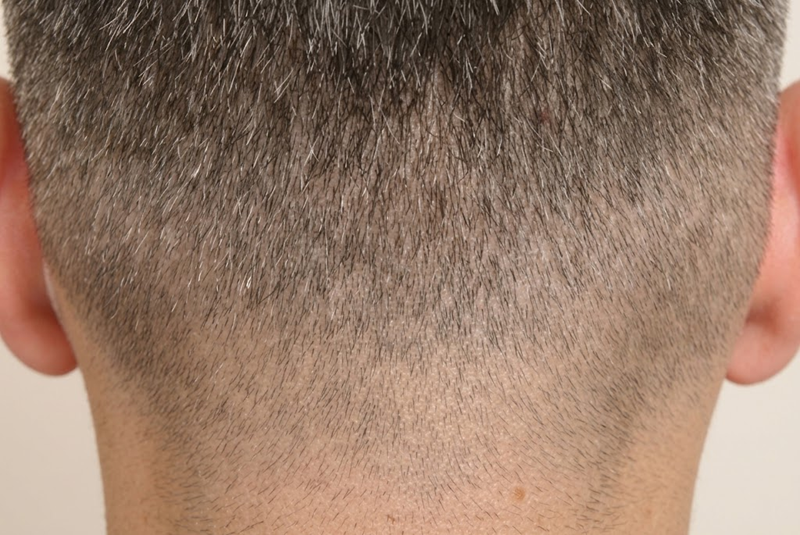
A specialist can assess the density and quality of follicles at the back and sides of the scalp. The treatment plan may prioritize areas where additional coverage would make the greatest visual difference, rather than attempting to distribute too few grafts across the entire scalp.
Donor capacity must be considered alongside the possibility of future hair loss. Overharvesting can leave visible thinning in the donor area and reduce the options available for subsequent procedures.
2. Consider Beard or Body Hair
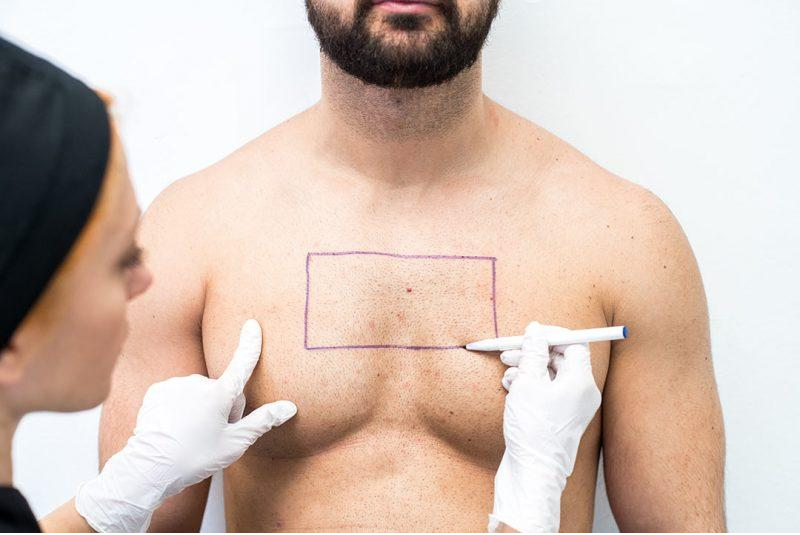
For selected patients, follicles from the beard or other body areas can supplement scalp donor hair. Because these follicles come from the same person, this approach avoids the donor-recipient incompatibility associated with allografts.
However, body hair differs from scalp hair in thickness, growth cycles, length, and texture. A specialist must assess whether these differences are suitable for the intended transplant area.
3. Address Ongoing Hair Loss
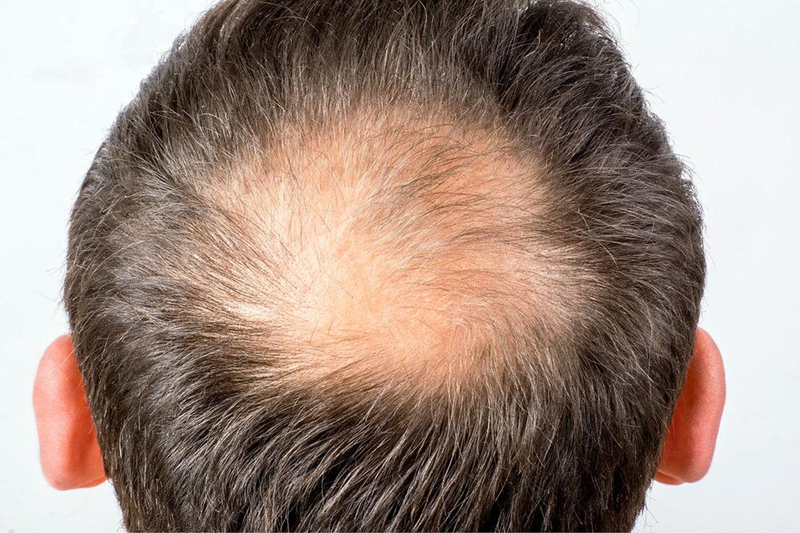
Medical treatment may help manage certain causes of hair loss and preserve existing follicles. Depending on the diagnosis, options may include prescribed medication or platelet-rich plasma (PRP).
These treatments have different indications and limitations. PRP, for example, does not create new donor follicles or replace a hair transplant when substantial coverage is needed.
4. Adjust the Restoration Plan
Some patients may achieve a more natural-looking result by prioritizing the frontal hairline or selected areas rather than pursuing maximum density everywhere. Others may benefit from combining appropriate medical treatment with carefully planned surgery.
A consultation for hair transplantation can help determine whether the available donor supply is sufficient and which approach aligns with the patient’s needs.
Comparing Hair Restoration Options
| Approach | Main purpose | Key limitation |
|---|---|---|
| Scalp hair transplantation | Moves the patient’s own scalp follicles to thinning areas. | Limited by available donor density. |
| Beard or body hair transplantation | Supplements scalp donor hair using the patient’s own follicles. | Hair characteristics differ from scalp hair. |
| Medical hair-loss treatment | Manages certain causes of hair loss or helps preserve existing hair. | Results depend on the diagnosis and treatment. |
| PRP treatment | Uses a preparation derived from the patient’s own blood to support selected hair-loss treatment plans. | Does not replace missing follicles. |
| Synthetic hair implantation | Adds artificial fibers to create the appearance of hair. | Carries significant safety concerns and regulatory limitations. |
Hair cloning and laboratory-grown follicle regeneration are also being researched. However, they should not be presented as established, routinely available replacements for conventional transplantation.
Not sure where to start?
Our specialists will assess your scalp biology, graft capacity, and aesthetic goals to create a hair restoration protocol designed entirely for you — from your first consultation onward.
Frequently Asked Questions
Can my brother or father donate hair for a transplant?
Generally, no. Relatives can have different tissue antigens, and their follicles may trigger an immune response. A family relationship alone does not establish compatibility.
Can immunosuppressive medication prevent hair transplant rejection?
Immunosuppressive medication can reduce rejection in certain types of transplantation, but it carries potentially serious risks. Its use solely to support a cosmetic hair transplant would generally not be justified.
Are synthetic Biofibre implants safe?
They should not automatically be considered safe because of claims about material compatibility. Synthetic hair implantation has been associated with infection, inflammation, scarring, and fiber loss. Regulatory status and available safety evidence must be assessed for the specific product and country.
What happens if I have no suitable donor hair left?
A specialist can evaluate whether beard or body hair is suitable, whether a smaller transplant could achieve a reasonable result, or whether non-surgical treatment would be more appropriate. Not every patient is a suitable candidate for additional surgery.
Conclusion
Using donor hair from another person is not a standard solution for cosmetic hair restoration because immune rejection can compromise transplanted follicles, while preventing rejection may require treatments with disproportionate risks. Synthetic hair implantation presents separate safety concerns and is not an equivalent replacement for natural follicles.
When donor hair is limited, the focus should be on evaluating the patient’s own available follicles, managing ongoing hair loss, and setting realistic expectations for coverage. A qualified hair restoration specialist can assess these factors and recommend an approach based on the patient’s individual circumstances.
Related Articles
Continue exploring clinical insights from the Helia Medical Journal.
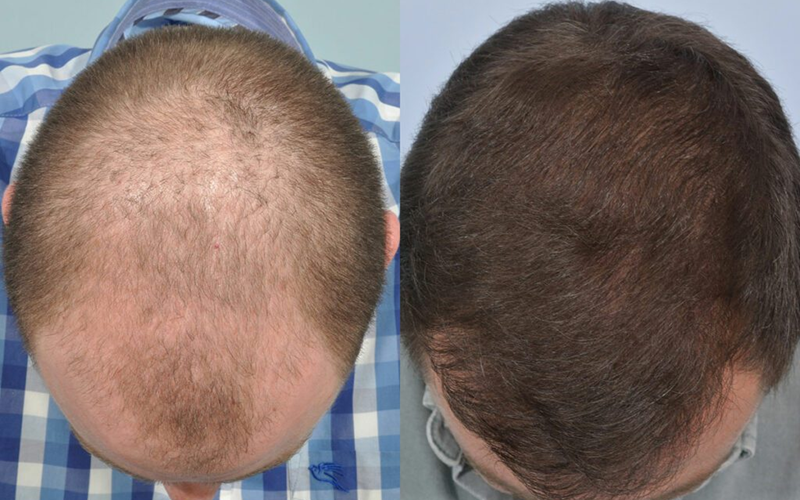 Hair Restoration & Hair Transplant
Do Hair Transplants Last Forever? Which Method Lasts Longest?
Table of ContentsDo Hair Transplants Last Forever?Which Hair Transplant Method Lasts the Longest?FUE Hair TransplantFUT Hair TransplantDoes FUE Hair Transplant Last Forever?Do Hair Plugs Last Forever?What Can Affect…
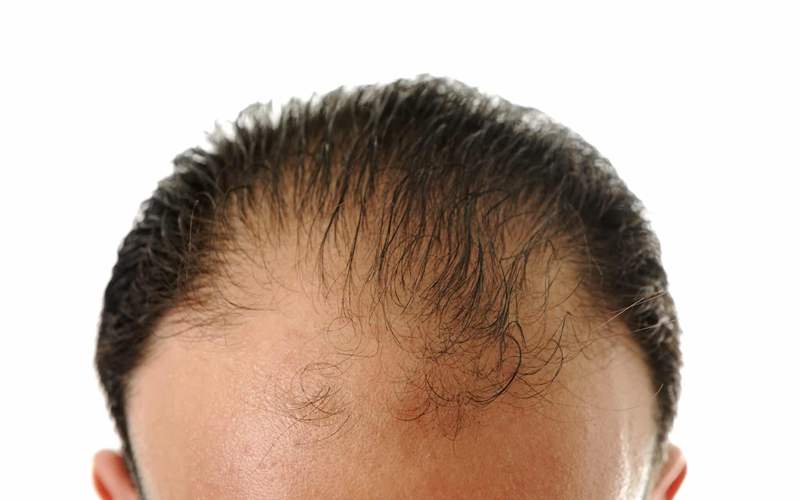 Hair Restoration & Hair Transplant
Hair Transplant Expectations: What’s Real and What’s Not?
Table of ContentsWhat Can You Realistically Expect From a Hair Transplant?Hair Transplant Expectations: Myth vs. RealityMyth 1: A Hair Transplant Guarantees a Full Head of HairMyth 2: Results…
 Hair Restoration & Hair Transplant
Wearing Hat After Hair Transplant: When Is It Safe?
Table of ContentsCan You Wear a Hat After Hair Transplant?Timeline for Wearing HatsWhat Type of Hat Is Best After a Hair Transplant?Can Wearing a Hat Dislodge Hair Transplant…
Comments
Share your questions or clinical experience with our readers.