
Female Hair Loss: Causes, Signs & Treatment Options
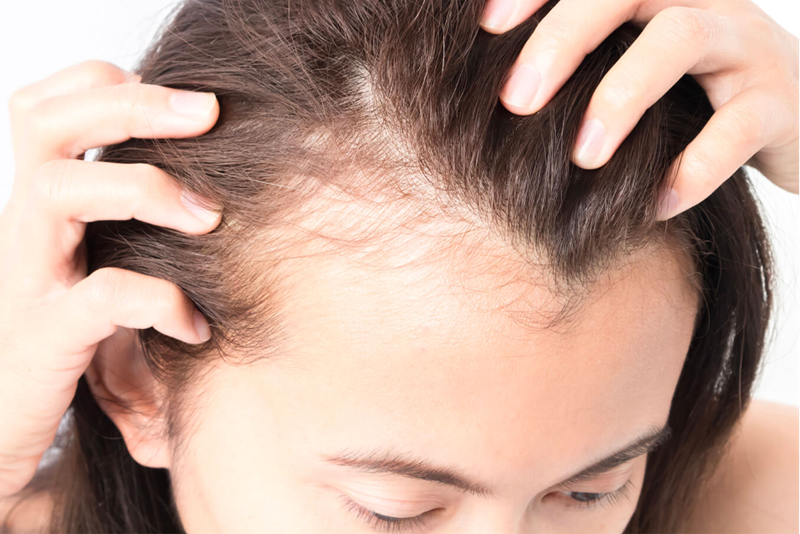
Female hair loss can develop gradually or appear as sudden shedding, affecting hair density, scalp coverage, and confidence. While daily hair shedding is normal, persistent changes in hair volume or visible thinning may indicate an underlying condition.
Understanding the cause of hair loss in women is essential because genetics, hormonal changes, nutritional deficiencies, and scalp disorders require different approaches. This guide explains the main causes, early signs, diagnostic methods, and treatment options to help women make informed decisions about their hair health.
What Is Female Hair Loss?
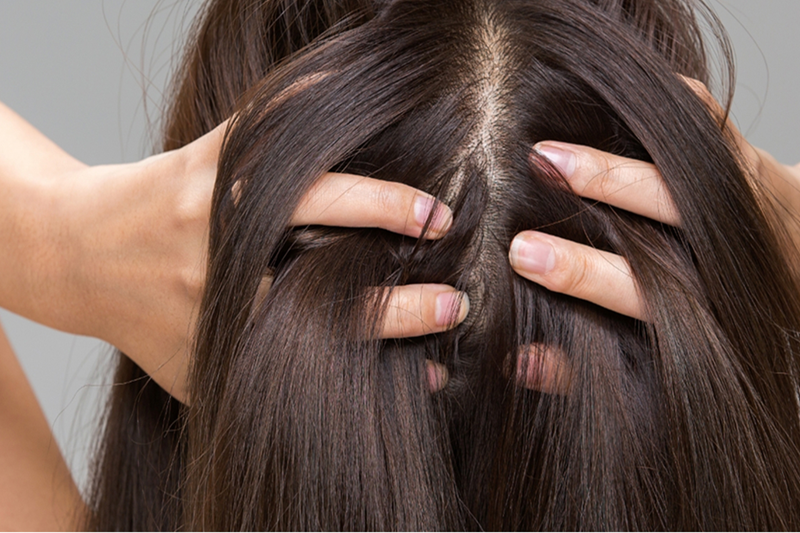
Female hair loss refers to excessive shedding, gradual thinning, or reduced hair coverage. It may be temporary or progressive, depending on the underlying cause.
One of the most common forms is female pattern hair loss, a hereditary condition that typically causes gradual thinning across the top of the scalp. The central part may become wider, while the front hairline often remains relatively intact. Without treatment, thinning can progress over time.
Other types include temporary shedding after childbirth or illness, patchy hair loss associated with certain immune conditions, and hair loss caused by repeated tension on the follicles. Identifying the type is important because each may require a different treatment strategy.
Not sure where to start?
Our specialists will assess your scalp biology, graft capacity, and aesthetic goals to create a hair restoration protocol designed entirely for you — from your first consultation onward.
What Causes Female Hair Loss?
Several factors can disrupt the hair growth cycle or damage hair follicles. The pattern of thinning, its timing, and accompanying symptoms can help a specialist identify the likely cause.
| Cause | How It Can Affect Hair |
|---|---|
| Genetics | Gradual thinning, particularly across the crown and central part |
| Hormonal changes | Increased shedding after childbirth or thinning associated with menopause or certain hormonal conditions |
| Nutritional deficiencies | Disrupted hair growth associated with low iron levels or inadequate nutrient intake |
| Physical stress or illness | Temporary shedding that may begin weeks or months after a triggering event |
| Tight hairstyles and scalp disorders | Hair breakage, traction-related thinning, or follicle damage caused by inflammation |
Hormonal conditions such as polycystic ovary syndrome (PCOS) may contribute to thinning in some women. Thyroid disorders and certain medications can also play a role. A medical assessment can help determine whether these factors are relevant to an individual case.
What Are the Early Signs of Female Hair Loss?
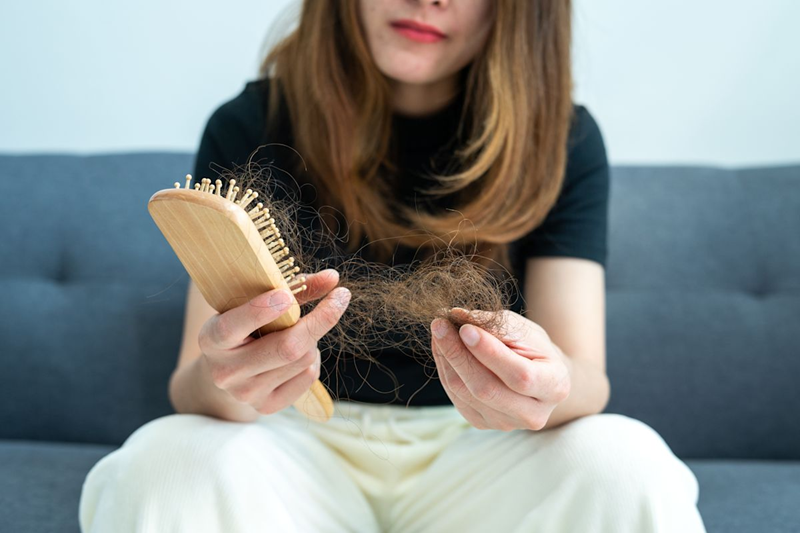
The early signs of female hair loss are not always obvious. Women may notice changes in hair volume before distinct areas of thinning become visible.
Common signs include:
- A widening part: The scalp becomes more visible along the central parting.
- Reduced hair volume: Hair feels thinner, particularly around the crown.
- Increased shedding: More hair than usual appears on pillows, in the shower, or on hairbrushes.
- A thinner ponytail: The ponytail gradually becomes smaller as overall hair density decreases.
- Hairline changes: Thinning or breakage may develop around the temples, particularly with tight hairstyles.
The pattern and duration of these changes can help a specialist distinguish between temporary shedding, hereditary thinning, and other conditions.
How Is Female Hair Loss Diagnosed?

An accurate diagnosis helps identify the underlying cause and avoid unnecessary treatments. A dermatologist or qualified hair specialist typically reviews the patient’s medical history and examines the scalp.
The assessment may include:
- Medical history: Reviewing the onset of hair loss, recent illness, childbirth, stress, medications, diet, and family history.
- Scalp examination: Assessing hair density, the distribution of thinning, and signs of inflammation or scarring.
- Blood tests: Checking iron levels, thyroid function, or other potential contributors when indicated by symptoms and medical history.
- Scalp dermoscopy: Using magnification to examine hair follicles and help distinguish between different types of hair loss.
Not every patient needs every test. Investigations should be selected according to the clinical findings. The American Academy of Dermatology’s guide to diagnosing hair loss provides further information about the assessment process.
What Are the Treatment Options for Female Hair Loss?
Treatment depends on the diagnosis, severity of thinning, and the patient’s overall health. Some options address the underlying cause, while others aim to preserve existing hair or improve density.
1. Medical Treatment
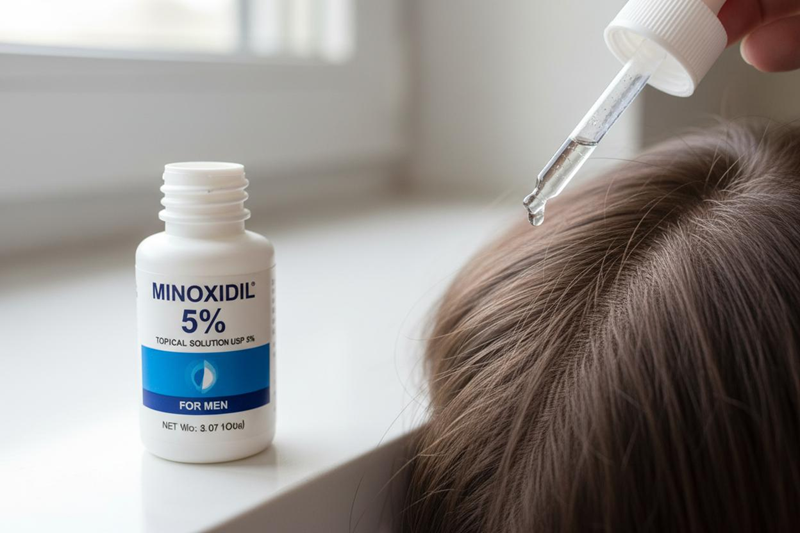
Topical minoxidil is one of the most established treatments for female pattern hair loss. It can help slow thinning and improve hair growth in some women, although results vary.
Consistent use is important, and visible improvement may take several months. Benefits generally diminish after treatment is discontinued. Some women also experience scalp irritation or temporary increased shedding when starting treatment.
Other medications may be prescribed for selected patients, particularly when hormonal factors contribute to hair loss. These medicines require medical supervision because their suitability, potential side effects, and pregnancy-related risks differ.
2. Platelet-Rich Plasma (PRP) Therapy
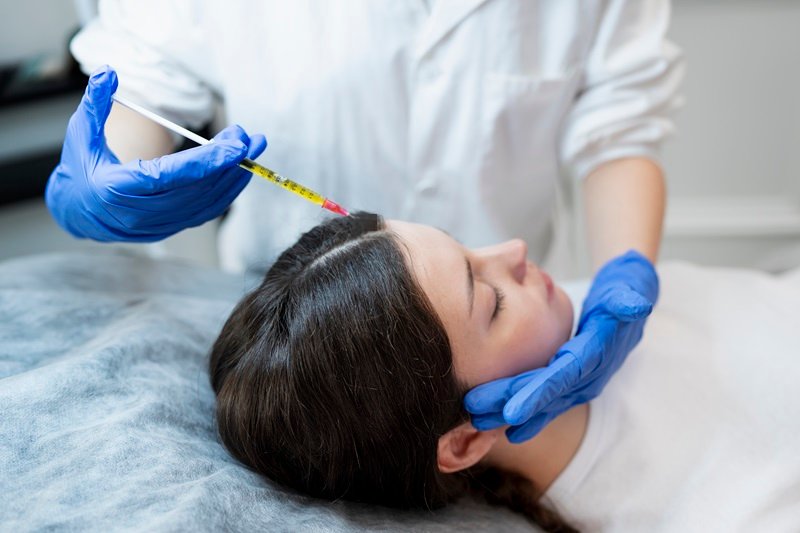
Platelet-rich plasma (PRP) therapy uses a preparation made from the patient’s own blood. After processing, the platelet-rich portion is injected into selected areas of the scalp.
Research suggests PRP may improve hair density in some patients with pattern hair loss, but results and treatment protocols vary. More evidence is needed to establish the most effective approach and long-term outcomes.
PRP should not replace treatment for a confirmed medical condition or nutritional deficiency. A specialist can assess whether it is appropriate and explain its potential benefits and limitations.
3. Hair Transplant for Women
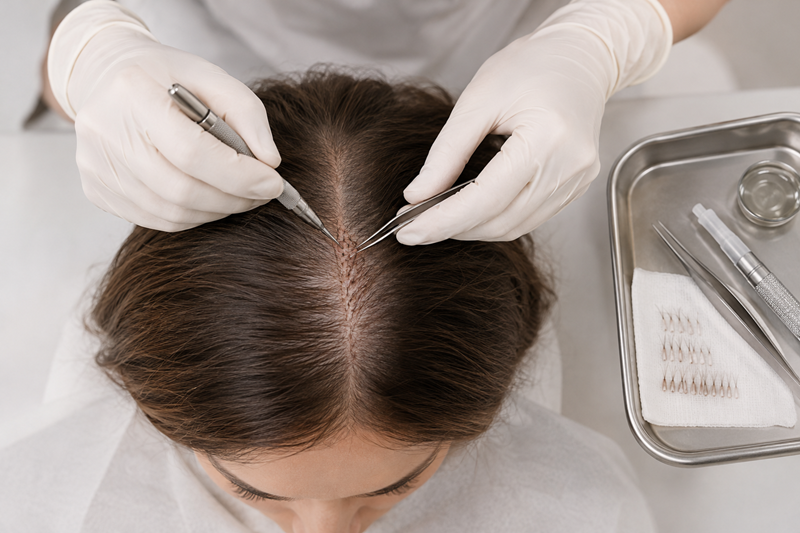
A hair transplant may be suitable for selected women with localized thinning and sufficient healthy donor hair. The procedure moves hair follicles from a donor area to areas with reduced density.
However, transplantation is not appropriate for every woman experiencing hair loss. Diffuse thinning across the scalp, inadequate donor density, and certain progressive or inflammatory conditions can affect eligibility.
Women considering a hair transplant should undergo an individual assessment of their scalp, donor hair, and long-term hair loss pattern. Transplantation can improve coverage in suitable candidates, but it does not prevent untreated hair from thinning in the future.
4. Treating Nutritional Deficiencies and Underlying Conditions
When hair loss is associated with a confirmed deficiency or medical problem, treating that cause is an important part of management.
For example, iron replacement may be recommended for iron deficiency, while thyroid-related hair loss may improve with appropriate treatment of the thyroid disorder. Adequate protein intake and a balanced diet also support normal hair growth.
Supplements should be used when clinically indicated. Taking excessive amounts of iron, zinc, or certain vitamins without confirming a need can cause harm and may sometimes worsen hair loss.
How to Choose the Best Hair Loss Treatment for Female Patients
The best hair loss treatment for female patients depends on the cause of thinning, the condition of the scalp, and individual treatment goals. There is no single solution that works for every type of hair loss.
A specialist considers several factors before recommending treatment:
- Diagnosis: Whether the hair loss is hereditary, temporary, or related to an underlying condition.
- Hair and scalp condition: The extent of thinning and the health of existing follicles.
- Medical history: Relevant health conditions, medications, and potential treatment risks.
- Expected results: The time required for improvement, ongoing maintenance, and the limitations of each option.
For some women, medical treatment or correcting a nutritional deficiency may be sufficient. Others may be candidates for PRP or hair transplantation. A personalized plan helps ensure that the selected approach matches the patient’s needs and realistic expectations.
Conclusion
Female hair loss can have genetic, hormonal, nutritional, or medical causes. Identifying the underlying reason is the first step toward selecting an appropriate treatment.
Medical therapies, PRP, nutritional correction, and hair transplantation may be considered depending on the diagnosis and individual circumstances. With an accurate assessment and a suitable treatment plan, women can make informed decisions about managing hair loss and improving hair density.
Not sure where to start?
Our specialists will assess your scalp biology, graft capacity, and aesthetic goals to create a hair restoration protocol designed entirely for you — from your first consultation onward.
FAQs
1. What Is the Most Common Cause of Female Hair Loss?
Female pattern hair loss is one of the most common causes. It is influenced by genetics and typically causes gradual thinning across the top of the scalp. Hormonal changes, nutritional deficiencies, and certain medical conditions can also contribute to hair loss.
2. Can Female Hair Loss Grow Back?
Yes, hair may grow back when hair loss is caused by temporary shedding, nutritional deficiencies, or certain treatable conditions. However, hereditary hair loss may require ongoing treatment to maintain improvement. Recovery depends on the underlying cause and the condition of the hair follicles.
3. What Is the Best Hair Loss Treatment for Female Patients?
The best treatment depends on the cause and severity of hair loss. Topical minoxidil is an established option for female pattern hair loss, while other patients may benefit from treating an underlying condition or considering PRP therapy. Hair transplantation may be suitable for selected women after a specialist assessment.
4. Does Stress Cause Hair Loss in Women?
Yes, significant physical or emotional stress can trigger a type of temporary shedding called telogen effluvium. Hair shedding often begins weeks or months after the triggering event. It may improve as the body recovers, although persistent shedding should be evaluated by a healthcare professional.
5. When Should Women Seek Treatment for Hair Loss?
Women should seek professional advice when thinning persists, progresses, or occurs without an obvious explanation. Sudden hair loss, bald patches, or scalp pain and inflammation warrant prompt evaluation to identify the cause and determine whether early treatment is needed.
Related Articles
Continue exploring clinical insights from the Helia Medical Journal.
 Hair Restoration
Non-Surgical Hair Transplant Alternatives: Your Options
magine achieving a fuller head of hair without surgery or needles! This article introduces you to the latest, pain-free hair transplant techniques, including micrograft, DHI, SUT, and FUE. Discover how you can enhance your look with these cutting-edge methods that keep your existing hair safe and beautiful.
 Hair Restoration
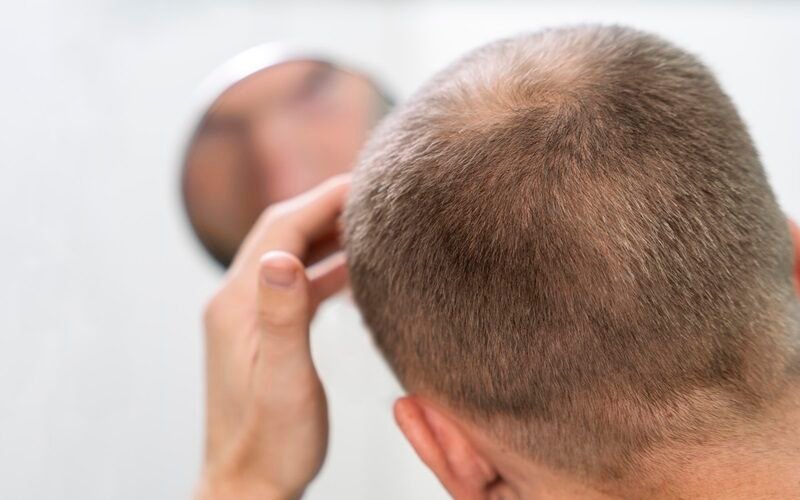
Hair Loss: A Complete Guide to Causes, Types & Treatments
Hair loss is a shared concern for both men and women. In this article, we’ll explore the many factors behind it, from genetic influences to hormonal shifts. We’ll also highlight a range of solutions, from simple home remedies to advanced medical treatments, to help you tackle this common issue. Join us as we uncover the path to healthier, fuller hair!
Comments
Share your questions or clinical experience with our readers.