
10 Questions to Ask Before Choosing a Hair Transplant Clinic
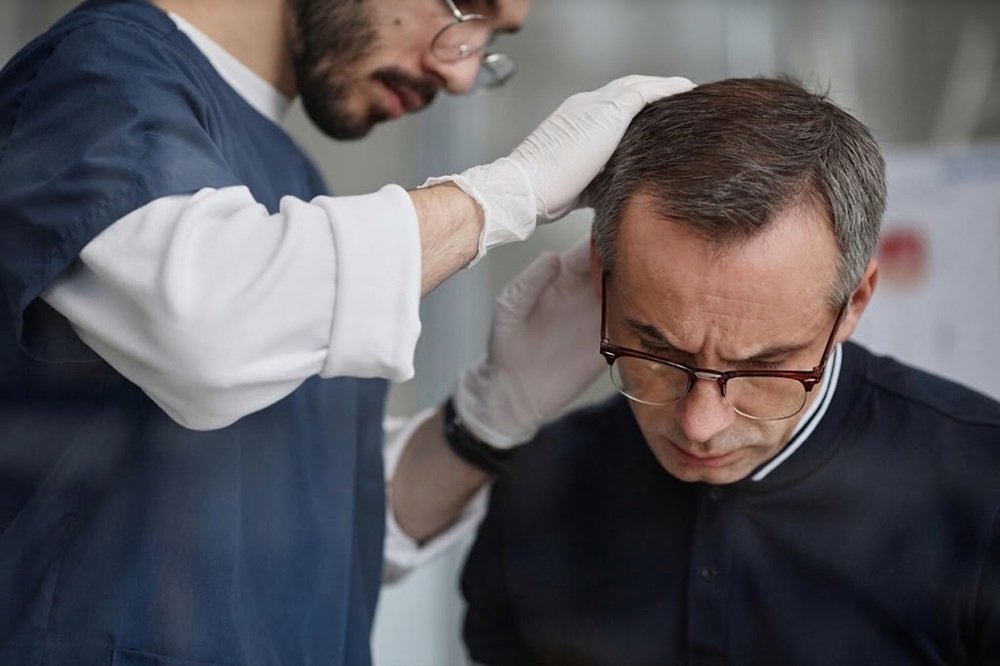
Choosing a hair transplant clinic in Dubai involves more than comparing prices or before-and-after photos. Surgeon qualifications, hair-loss assessment, graft planning, treatment technique, cost transparency, and aftercare all deserve careful consideration.
Before booking a procedure, ask these 10 questions to compare clinics and make a more informed decision.
10 Critical Questions to Ask Before Choosing a Hair Transplant Clinic in Dubai

1. Is the Hair Transplant Performed by a Qualified Hair Surgeon?
One of the first questions to ask is who will actually perform your hair transplant.
The person conducting your consultation may not necessarily be the person performing every stage of the procedure. Ask about the surgeon’s medical qualifications, experience in hair restoration, and role during the surgery.
When considering how to choose the best hair surgeon in Dubai, look beyond marketing claims. Consider:
- Relevant medical qualifications
- Current professional licensing
- Experience with hair transplantation
- Experience with your specific pattern of hair loss
- Surgical involvement throughout the procedure
- Before-and-after results from comparable cases
2. Is the Doctor DHA-Licensed and Properly Qualified to Perform Hair Transplantation?
Ask the clinic for the doctor’s DHA license information and verify it independently.
Dubai Health Authority provides an online service that allows patients to check a healthcare professional’s registration or license status using their DHA Unique ID or license number.
DHA’s hair transplant standards specifically state that healthcare professionals performing hair transplant services must hold an appropriate DHA license, and the facility’s privileging process considers training, experience, and competencies.
3. Will the Surgeon Personally Assess My Hair Loss Before Recommending Treatment?

A good treatment plan should begin with an assessment rather than a predetermined package.
During your consultation, the doctor should consider factors such as:
- Pattern and severity of hair loss
- Donor-area density and hair characteristics
- Existing hairline and treatment goals
- Age and potential future hair loss
- Relevant medical history and previous procedures
This assessment helps determine whether a transplant is appropriate and, if so, how it should be planned.
Be cautious if you receive a graft number or procedure recommendation without a meaningful assessment of your scalp and donor area.
4. Which Hair Transplant Technique Do You Recommend and Why?
Do not choose a clinic simply because it advertises a particular technique as the “best.”
Ask:
“Why is this technique suitable for my hair loss and donor area?”
Depending on your circumstances, a clinic may discuss techniques such as FUE or other approaches used in modern hair restoration.
A professional consultation should explain the reasoning behind the recommendation rather than simply presenting a procedure package.
5. How Many Grafts Do I Actually Need?
The number of grafts should be based on your individual treatment plan rather than a generic package.
Ask the surgeon:
- How was my recommended graft number calculated?
- Which areas will be treated?
- How will my donor area be protected?
- How does the plan account for potential future hair loss
More grafts do not automatically mean a better result. Overharvesting the donor area can reduce the amount of hair available for future procedures.
A good plan aims to balance coverage, density, aesthetics, and long-term donor preservation.
6. Who Will Perform Each Part of the Hair Transplant Procedure?
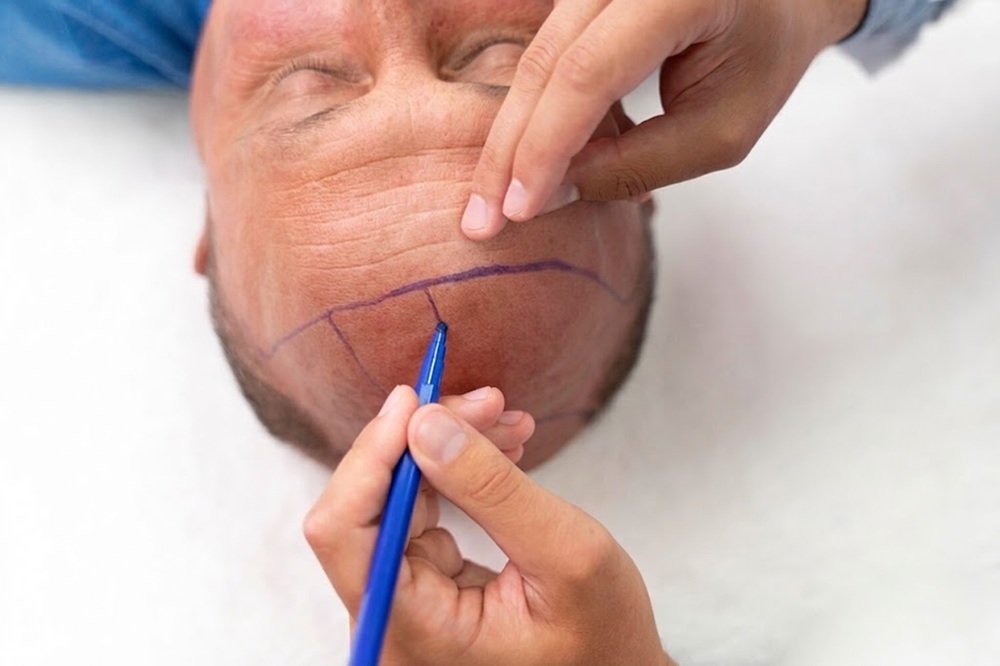
This is one of the most important questions that patients sometimes overlook.
Ask the clinic who will perform:
- Hairline design
- Donor-area preparation
- Graft extraction
- Recipient-site creation
- Graft placement
- Medical supervision
- Post-operative assessment
Do not assume that because a surgeon is associated with a clinic, the surgeon personally performs every stage.
The answer should be clear before you commit to treatment.
7. Can I See Real Before-and-After Results From Patients With Similar Hair Loss?
Before-and-after photos can be useful, but they should not be the only factor in your decision.
Ask to see cases that are reasonably comparable to yours in terms of:
- Hair-loss pattern
- Degree of thinning
- Hair characteristics
- Treatment area
- Number of grafts, when available
- Follow-up period
Focus on realistic results from patients with hair-loss characteristics similar to yours.
Also consider whether the photographs were taken under comparable lighting, angles, and hair lengths.
Be cautious when a clinic only presents highly selected dramatic results without explaining the circumstances behind them.
8. What Is Included in the Hair Transplant Cost?
Before accepting a quote, ask exactly what the price includes.
Depending on the clinic and treatment plan, this may include:
- Initial consultation
- Hair transplant procedure
- Graft extraction and implantation
- Medications
- Post-operative products
- Follow-up appointments
- Aftercare instructions
Also ask whether the price is calculated according to graft number, procedure, or a package.
Instead of asking only:
“How much is a hair transplant in Dubai?”
ask:
“What exactly is included in my quoted treatment cost?”
That gives you a much more useful basis for comparison.
9. What Are the Possible Risks, Limitations, and Recovery Time?
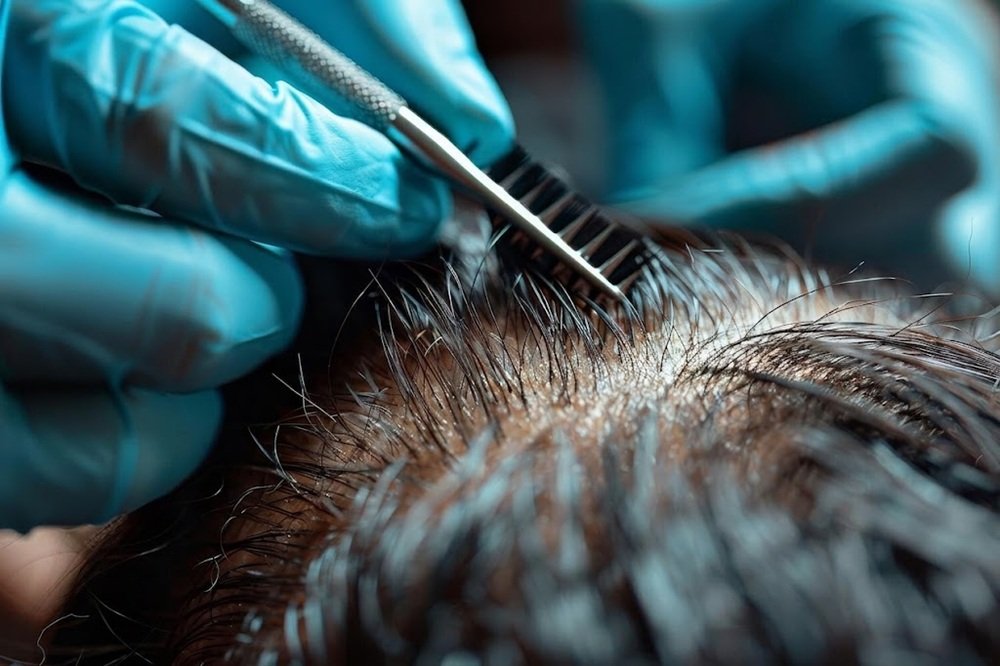
A reputable clinic should discuss potential risks and limitations rather than promising a perfect outcome.
Depending on the procedure and individual circumstances, temporary effects during recovery may include swelling, redness, tenderness, scabbing, or temporary shedding
Temporary swelling, redness, tenderness, scabbing, or shedding may occur during recovery
Ask the doctor:
- What risks apply to me?
- What should I expect during recovery?
- When can I return to work and normal activities?
- Which symptoms are expected?
- Which symptoms require medical attention?
- When should I expect visible hair growth?
You should also understand that transplanted hair does not necessarily mean that future hair loss will stop. Long-term management may still be relevant depending on the cause and progression of your hair loss.
10. What Happens After the Procedure?
Your relationship with the clinic should not end when the procedure is finished.
Ask about the clinic’s follow-up process, including:
- When your first follow-up appointment will take place
- How you should wash and care for your scalp
- Which activities should temporarily be avoided
- Who to contact if you have concerns
Clear aftercare instructions can help you understand what to expect during recovery and when to seek professional advice if something appears unusual.
Not sure where to start?
Our specialists will assess your scalp biology, graft capacity, and aesthetic goals to create a hair restoration protocol designed entirely for you — from your first consultation onward.
Hair Transplant Clinic Red Flags to Watch For
Knowing common clinic red flags can help you avoid poor-quality or unclear treatment options.
Unrealistically Low Prices
A significantly lower price may deserve further investigation, particularly if the clinic does not clearly explain what is included.
Price alone does not determine quality, but an unusually low quote should prompt questions about the surgeon, procedure, staffing, and aftercare.
Guaranteed Results
Hair transplantation has biological variables that cannot be completely controlled.
Be cautious about promises such as guaranteed density, guaranteed growth, or guaranteed results for every patient.
Pressure to Book Immediately
You should have enough time to understand the procedure, alternatives, risks, costs, and expected outcomes before making a decision.
High-pressure sales tactics are a reason to slow down and ask more questions.
No Proper Hair-Loss Assessment
A clinic that recommends a standard graft number or procedure without adequately evaluating your hair loss and donor area may not be providing a sufficiently individualized plan.
Unclear Surgeon Qualifications
If the clinic cannot clearly tell you who will perform the procedure or provide verifiable information about the treating doctor’s qualifications and licensing, consider that a warning sign.
Only Showing Highly Selected Results
A large collection of dramatic photographs does not necessarily demonstrate consistent results.
Ask for realistic examples and information about the circumstances of the procedures.
No Clear Aftercare Plan
A clinic should be able to explain what happens after surgery, how follow-up is handled, and whom you should contact if you have concerns
How to Choose the Best Hair Surgeon in Dubai
Instead, consider the complete picture.
| What to Check | Why It Matters |
|---|---|
| Professional license | Helps verify that the doctor is authorized to practice |
| Relevant qualifications | Provides information about professional training |
| Hair restoration experience | Indicates procedure-specific experience |
| Treatment approach | Shows whether recommendations are individualized |
| Before-and-after cases | Helps you evaluate consistency of outcomes |
| Surgical involvement | Clarifies who performs each stage |
| Consultation quality | Shows whether your individual needs are assessed |
| Follow-up care | Helps ensure continuity after treatment |
How to Compare Hair Transplant Clinics in Dubai
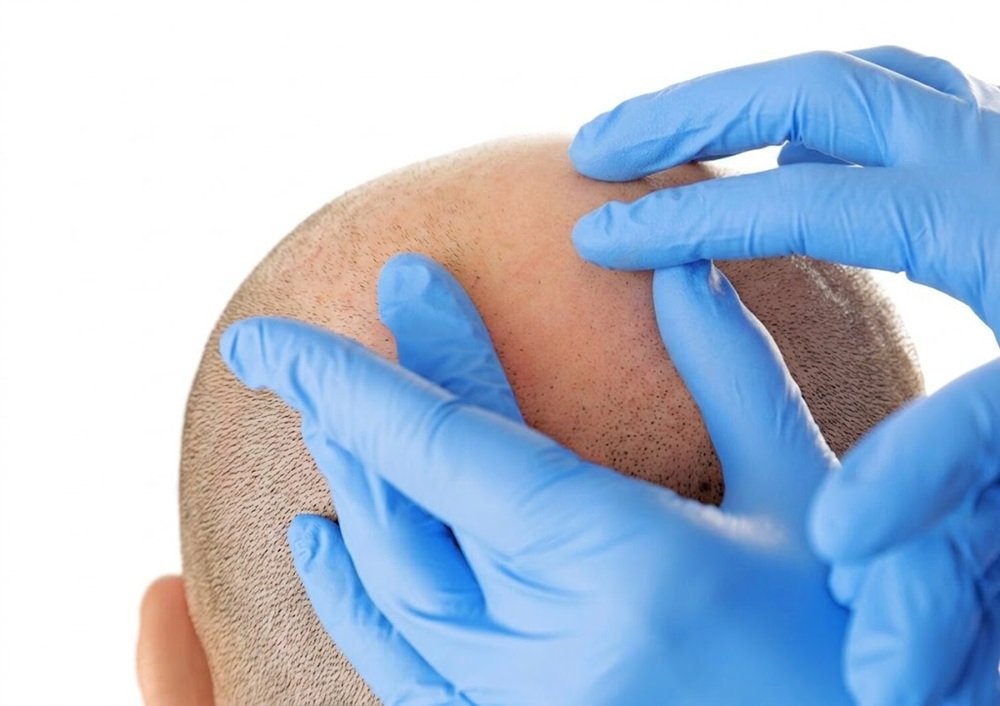
A useful comparison framework is:
treatment plan, graft planning, procedure details, safety standards, and aftercare.
A useful comparison framework is: Surgeon → Credentials → Diagnosis → Technique → Graft Plan → Cost → Safety → Aftercare
Not sure where to start?
Our specialists will assess your scalp biology, graft capacity, and aesthetic goals to create a hair restoration protocol designed entirely for you — from your first consultation onward.
Choosing a Hair Transplant Clinic in Dubai: Final Checklist
- ☐ Verify the surgeon’s professional credentials
- ☐ Check the doctor’s DHA license status
- ☐ Confirm that the doctor is authorized to perform hair transplant services
- ☐ Have your hair loss and donor area properly assessed
- ☐ Understand why a specific technique is recommended
- ☐ Confirm who performs each stage of the procedure
- ☐ Understand how your graft number is determined
- ☐ Review comparable before-and-after results
- ☐ Request a clear breakdown of the total cost
- ☐ Discuss risks, limitations, and recovery
- ☐ Confirm the clinic’s aftercare and follow-up process
Frequently Asked Questions
How Do I Choose the Best Hair Transplant Clinic in Dubai?
Look at the surgeon’s qualifications and licensing, experience with hair restoration, quality of the consultation, treatment and graft planning, who performs each stage of the procedure, realistic before-and-after results, pricing transparency, and aftercare
How Can I Check if a Hair Surgeon Is Licensed in Dubai?
You can verify a hair surgeon’s license through the Dubai Health Authority (DHA) using their license or registration details.
What Should Be Included in a Hair Transplant Cost in Dubai?
Costs may include the consultation, procedure, graft extraction and implantation, medications, follow-ups, and aftercare. Always ask for a clear breakdown of what is included.
How Many Grafts Do I Need for a Hair Transplant?
The required grafts vary by hair loss pattern, donor density, treatment area, hair characteristics, and long-term goals. A qualified surgeon should determine the appropriate number after assessment.
What Are the Biggest Red Flags When Choosing a Hair Transplant Clinic?
Common red flags include unusually low prices, guaranteed results, booking pressure, inadequate assessment, unclear surgeon qualifications, misleading before-and-after photos, and poor aftercare.
Conclusion
Choosing a hair transplant clinic in Dubai should involve more than comparing prices. Check the surgeon’s qualifications and licensing, understand your treatment plan, review realistic results, and confirm the total cost and aftercare. Asking the right questions before booking can help you choose a qualified clinic and make a more informed decision.
Related Articles
Continue exploring clinical insights from the Helia Medical Journal.
 Patient Guides
When Can You Swim After a Hair Transplant?
Table of ContentsHow Long Should You Wait to Swim After a Hair Transplant?Is It Safe to Swim in a Pool or the Sea After a Hair Transplant?Swimming in…
 Patient Guides
Is a Hair Transplant Worth It? Long-Term Cost vs Results Analysis
Table of ContentsIs a Hair Transplant Worth It in the Long Run?What Determines the Long-Term Value of a Hair Transplant?Longevity of the Transplanted HairThe Quality of the Final…
 Patient Guides
Vitamins After Hair Transplant: What Should You Take?
Starting with a hair transplant is a fantastic first step, but enhancing and maintaining those results is key to long-term success. In this exploration, we’ll introduce you to a range of hair-strengthening solutions from nourishing vitamins and growth supplements like Phyto to revitalizing ampoules and specialized sprays. Discover all the ways you can boost your hair’s health and achieve the vibrant, lasting results you’ve been dreaming of.
Comments
Share your questions or clinical experience with our readers.