
Vitamins After Hair Transplant: What Should You Take?
Starting with a hair transplant is a fantastic first step, but enhancing and maintaining those results is key to long-term success. In this exploration, we’ll introduce you to a range of hair-strengthening solutions from nourishing vitamins and growth supplements like Phyto to revitalizing ampoules and specialized sprays. Discover all the ways you can boost your hair’s health and achieve the vibrant, lasting results you’ve been dreaming of.

Hair transplantation can help restore hair density, but proper aftercare and good nutrition are also important for recovery. Many patients wonder whether taking vitamins after hair transplant can support healing, strengthen hair, or improve their final results.
The answer depends on your nutritional needs. Vitamins and minerals support normal hair growth and tissue repair, but supplements do not automatically improve transplant results. Correcting a confirmed deficiency may help, while excessive supplementation can cause harm. The American Academy of Dermatology recommends considering nutritional needs before taking supplements for hair growth.
Which Vitamins After Hair Transplant May Be Helpful?
Certain vitamins and minerals support normal hair and skin functions. The following nutrients may be particularly relevant when dietary intake is insufficient or a deficiency has been identified.
| Vitamin or nutrient | Main role | Food sources |
|---|---|---|
| Vitamin D | Supports normal cell and follicle function | Fatty fish, egg yolks, fortified foods |
| Vitamin C | Supports collagen production and wound healing | Citrus fruits, kiwi, bell peppers |
| Biotin (B7) | Supports normal metabolism | Eggs, nuts, legumes |
| Vitamin B12 | Supports red blood cell and nerve function | Fish, meat, eggs, dairy |
| Iron | Helps transport oxygen through the blood | Meat, lentils, beans |
| Zinc | Supports tissue repair and protein synthesis | Seafood, meat, pumpkin seeds |
| Protein | Provides building blocks for hair and tissue | Eggs, fish, poultry, tofu |
These nutrients have different functions, and none guarantees faster hair growth after surgery.
Vitamin D for Hair Follicle Health
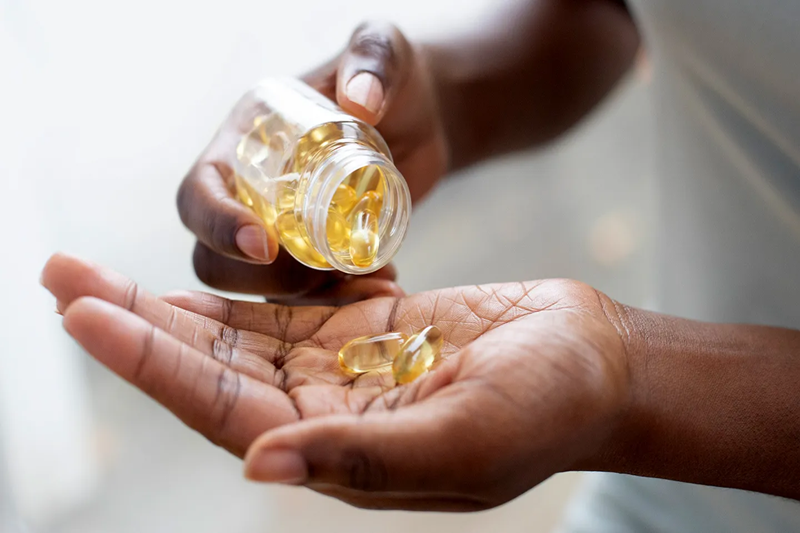
Vitamin D plays a role in normal cell growth and follicle function. Low vitamin D levels have been associated with certain hair-loss conditions, but taking supplements has not been proven to improve transplant results in every patient.
Fatty fish, egg yolks, and fortified foods can help supply vitamin D. If you have risk factors for deficiency, your doctor may recommend a blood test and an appropriate supplement dose.
Vitamin C for Wound Healing
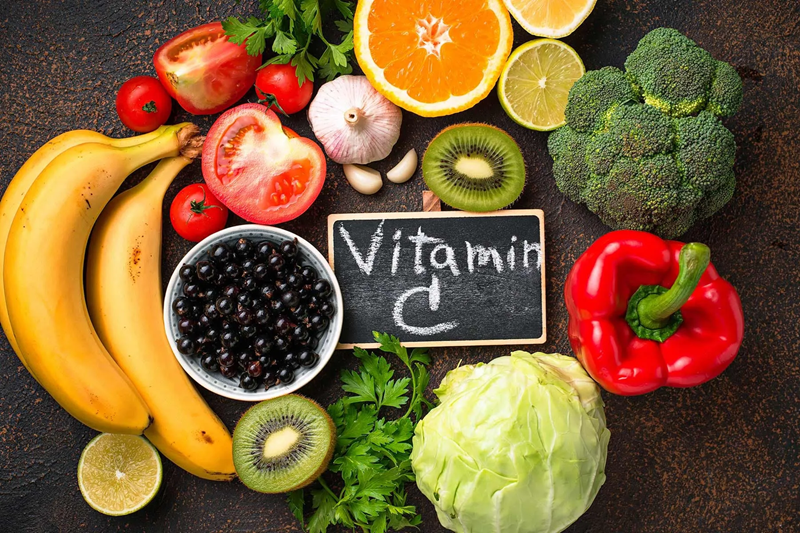
Vitamin C supports collagen production, which helps maintain skin structure and supports wound healing. It also improves the absorption of iron from plant-based foods.
Citrus fruits, strawberries, kiwi, and bell peppers are useful sources. Most people can obtain enough vitamin C through a varied diet, and high-dose supplements are not proven to increase graft survival.
Biotin and Vitamin B12
Biotin is commonly marketed for hair growth, but biotin deficiency is uncommon, and evidence supporting supplementation in people without a deficiency is limited. High doses can also interfere with certain laboratory tests.
Vitamin B12 supports red blood cell formation and nerve function. People following vegan diets or those with conditions affecting nutrient absorption may have a greater risk of deficiency.
Not sure where to start?
Our specialists will assess your scalp biology, graft capacity, and aesthetic goals to create a hair restoration protocol designed entirely for you — from your first consultation onward.
Do Iron, Zinc, and Protein Matter After Hair Transplant?
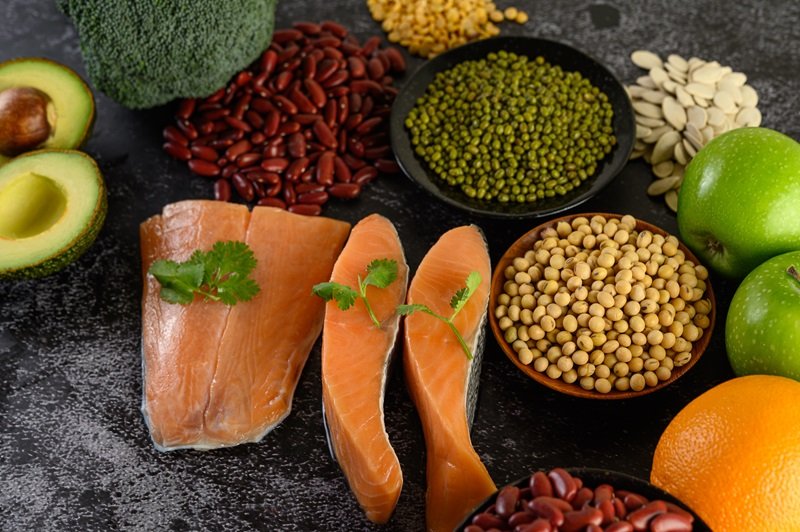
Yes. Although they are not all vitamins, these nutrients are important for normal hair health and recovery.
- Iron: Low iron levels, particularly when associated with anemia, can contribute to hair loss. Supplements should be based on medical assessment because excessive iron intake can be harmful.
- Zinc: Zinc supports immune function, protein synthesis, and tissue repair. Excessive intake can cause nausea and interfere with copper absorption.
- Protein: Hair is primarily made of keratin, a structural protein. Adequate protein intake also supports normal tissue repair.
A balanced diet containing eggs, fish, legumes, vegetables, nuts, and other protein-rich foods can help meet nutritional needs. If your doctor suspects a deficiency, appropriate blood tests can guide treatment.
Should You Take a Multivitamin After a Hair Transplant?

A multivitamin may help people whose diets do not provide enough essential nutrients, but it is not routinely necessary after every hair transplant.
Before choosing a supplement, consider the following:
- Review your diet and existing supplements.
- Ask your doctor whether blood tests are appropriate.
- Check for overlapping ingredients in products you already take.
- Discuss supplements with your surgeon, particularly around the time of surgery.
Excessive amounts of certain nutrients, including vitamin A and selenium, have been linked to hair loss. High-dose vitamin E may also increase bleeding risk in some circumstances.
The best approach is to address a specific nutritional need rather than taking multiple products without medical guidance.
When Should You Start Taking Vitamins After Hair Transplant?
There is no universal starting time for all supplements. The appropriate timing depends on the nutrient, your medical history, and your surgeon’s instructions.
If you already take supplements for a diagnosed deficiency, ask your healthcare provider whether you should continue them around surgery. If you are considering a new supplement, discuss it with your medical team before starting.
Supplements should not replace postoperative care. Follow your clinic’s instructions for scalp washing, medication use, physical activity, and follow-up appointments.
Patients considering the procedure can learn more about Hair Transplant in Dubai and the treatment offered by Helia Clinic.
How Long Should You Take Vitamins After a Hair Transplant?
The duration depends on why you are taking the supplement. If testing confirms a deficiency, your doctor may recommend treatment for a specific period and reassess your levels afterward. Some deficiencies require longer-term management.
If your nutritional needs are already being met, additional supplements may not provide any benefit. There is no established vitamin schedule that guarantees faster growth or better graft survival.
Your healthcare provider can help determine when supplementation should be stopped, adjusted, or continued.
Not sure where to start?
Our specialists will assess your scalp biology, graft capacity, and aesthetic goals to create a hair restoration protocol designed entirely for you — from your first consultation onward.
Frequently Asked Questions
What are the best vitamins after hair transplant?
There is no single best vitamin for everyone. Vitamin D, vitamin C, biotin, and vitamin B12 may be relevant when a deficiency or specific nutritional need is identified.
Can vitamins make transplanted hair grow faster?
Correcting a nutritional deficiency may help address related hair problems, but taking extra vitamins when your levels are normal has not been shown to reliably accelerate transplanted hair growth.
Can I take iron and vitamin D together?
They may be taken together when medically indicated. Your healthcare provider can recommend appropriate doses based on your nutritional status, medical history, and other medications or supplements.
Can too many vitamins cause hair loss?
Yes. Excessive intake of certain nutrients, including vitamin A and selenium, has been associated with hair loss. Avoid combining high-dose supplements without professional advice.
What should I eat after a hair transplant?
Aim for a balanced diet that includes adequate protein, vegetables, fruits, whole grains, and healthy fats. Foods such as eggs, fish, legumes, nuts, and citrus fruits can help supply nutrients needed for normal health and recovery.
Conclusion
Choosing the right vitamins after hair transplant starts with understanding your nutritional needs. Vitamin D, vitamin C, biotin, and vitamin B12 may be relevant for some patients, while iron, zinc, and protein also support normal body functions and hair health.
A balanced diet, appropriate supplementation when needed, and consistent postoperative care provide a practical approach to recovery. Your healthcare provider can help determine which supplements, if any, are suitable for you.
Related Articles
Continue exploring clinical insights from the Helia Medical Journal.
 Patient Guides
When Can You Swim After a Hair Transplant?
Table of ContentsHow Long Should You Wait to Swim After a Hair Transplant?Is It Safe to Swim in a Pool or the Sea After a Hair Transplant?Swimming in…
 Patient Guides
Is a Hair Transplant Worth It? Long-Term Cost vs Results Analysis
Table of ContentsIs a Hair Transplant Worth It in the Long Run?What Determines the Long-Term Value of a Hair Transplant?Longevity of the Transplanted HairThe Quality of the Final…
 Patient Guides
10 Questions to Ask Before Choosing a Hair Transplant Clinic
Table of Contents10 Critical Questions to Ask Before Choosing a Hair Transplant Clinic in Dubai1. Is the Hair Transplant Performed by a Qualified Hair Surgeon?2. Is the Doctor…
Comments
Share your questions or clinical experience with our readers.