
Hair Loss: A Complete Guide to Causes, Types & Treatments
Hair loss is a shared concern for both men and women. In this article, we’ll explore the many factors behind it, from genetic influences to hormonal shifts. We’ll also highlight a range of solutions, from simple home remedies to advanced medical treatments, to help you tackle this common issue. Join us as we uncover the path to healthier, fuller hair!
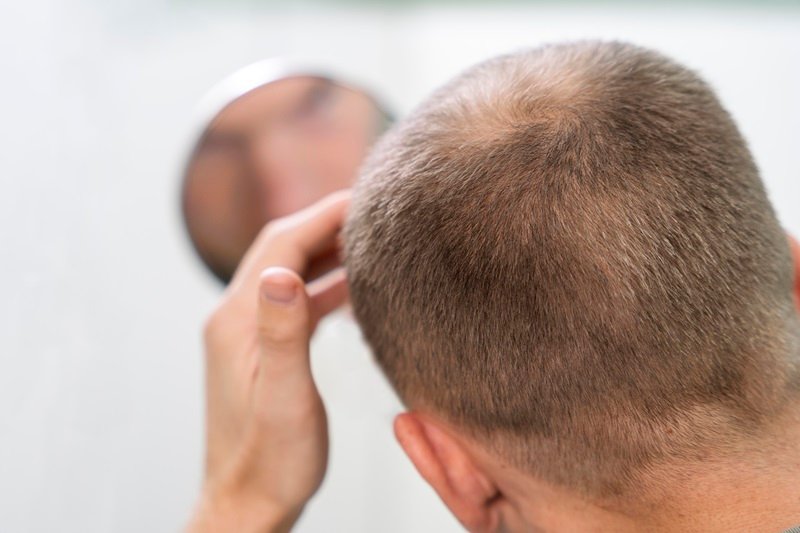
Hair loss is a common concern that affects people of all ages and genders. While daily hair shedding is part of the normal growth cycle, persistent thinning, excessive shedding, or bald patches may indicate an underlying condition. Identifying the cause is essential because different types of hair loss require different treatments.
Some conditions, such as telogen effluvium, may improve once the triggering factor is resolved. Others, including hereditary hair loss, may require ongoing treatment to maintain hair density. Inflammatory conditions that damage hair follicles need early medical attention to reduce the risk of permanent hair loss.
This guide explains the main types of hair loss, their causes, how they are diagnosed, and which treatments may help. It also examines the evidence behind medications, PRP, hair mesotherapy, exosome-based treatments, and hair transplantation.
What Is Hair Loss?
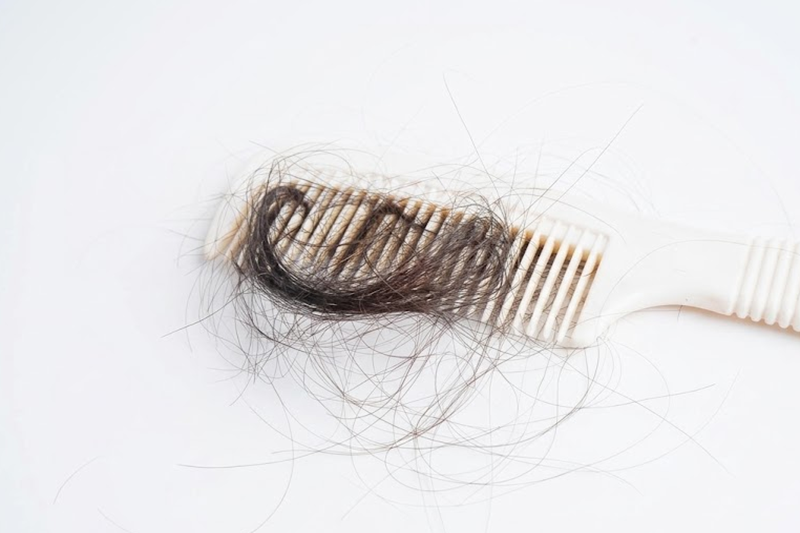
Hair loss, medically known as alopecia, occurs when hair sheds excessively, regrowth does not keep pace with shedding, or hair follicles stop producing hair in affected areas. It may cause gradual thinning, a receding hairline, isolated bald patches, or extensive hair loss across the scalp.
Hair grows through three main phases:
- Anagen: The active growth phase, which can last several years.
- Catagen: A short transition phase during which hair growth slows and the follicle begins to shrink.
- Telogen: The resting phase, after which the hair sheds and a new growth cycle can begin.
Losing approximately 50–100 hairs per day is generally considered normal, although the amount varies between individuals. Excessive shedding does not always mean permanent hair loss. The pattern, duration, scalp condition, and rate of regrowth help determine whether further assessment is necessary.
In many conditions, follicles remain capable of producing new hair. However, certain inflammatory disorders can permanently destroy follicles and replace them with scar tissue. Distinguishing between temporary shedding and follicular damage is therefore an important part of diagnosis.
Not sure where to start?
Our specialists will assess your scalp biology, graft capacity, and aesthetic goals to create a hair restoration protocol designed entirely for you — from your first consultation onward.
What Causes Hair Loss?
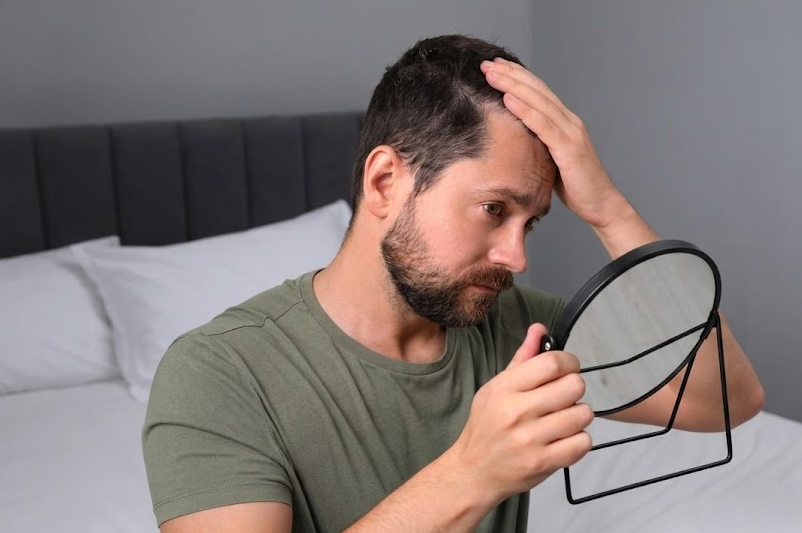
Hair loss can result from genetic susceptibility, hormonal changes, illness, nutritional deficiencies, medications, or damage to the scalp. More than one factor may contribute to the same person’s symptoms.
Genetic and Hormonal Factors
Androgenetic alopecia, also called hereditary or pattern hair loss, is associated with genetic susceptibility and the effects of androgens on susceptible hair follicles. Over time, affected follicles produce progressively finer hairs.
Hormonal changes can also contribute to shedding. Thyroid disorders, childbirth, menopause, and certain hormonal conditions may affect the hair growth cycle. Treatment depends on whether the underlying problem is hereditary hair loss, a hormonal disorder, or another condition.
Stress, Illness, and Weight Changes
Physical or emotional stress can trigger telogen effluvium, in which more hairs than usual enter the resting phase. Potential triggers include a high fever, surgery, significant illness, childbirth, rapid weight loss, and restrictive diets.
Shedding commonly becomes noticeable two to three months after the triggering event. This delay can make the original cause difficult to identify without reviewing the person’s medical history.
Nutritional Deficiencies
Iron deficiency, inadequate protein intake, and certain other nutritional deficiencies may contribute to hair shedding. However, hair loss alone does not establish that a deficiency is present.
Blood tests may be appropriate when symptoms, dietary history, or medical risk factors suggest a nutritional problem. Supplements should address an identified need because excessive intake of certain nutrients can also contribute to hair loss.
Medications and Scalp Conditions
Chemotherapy and some other medications can disrupt the hair growth cycle. Autoimmune disorders, fungal scalp infections, and inflammatory skin conditions may also cause hair loss.
If shedding begins after starting a medication, patients should consult the prescribing clinician rather than stopping treatment independently.
Persistent scalp inflammation, pain, burning, or scaling deserves particular attention because some conditions can cause permanent follicular damage.
Types of Hair Loss and Their Treatments
Different types of hair loss require different approaches. A treatment that works for genetic thinning may not help an autoimmune condition or temporary shedding caused by illness.
1. Androgenetic Alopecia
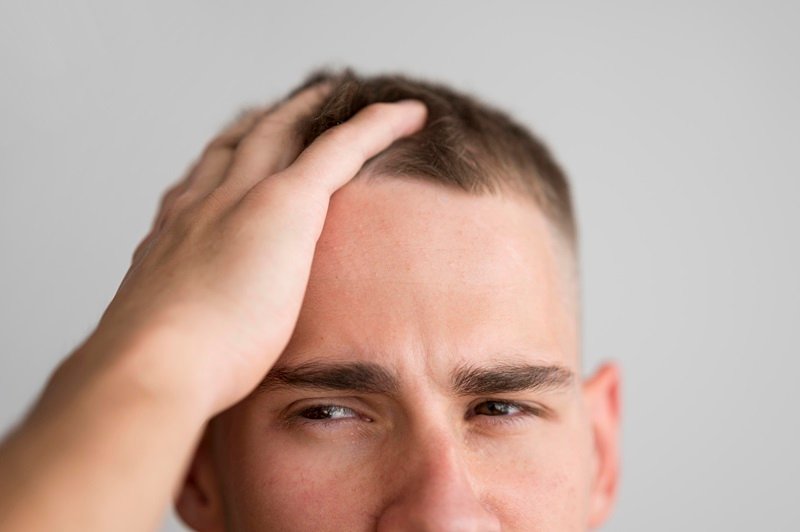
Androgenetic alopecia causes gradual, progressive hair thinning. It is associated with genetic factors and the sensitivity of certain follicles to androgens.
Men commonly experience recession at the temples and thinning at the crown. Women often notice reduced density across the top of the scalp, sometimes with a widening central part.
Potential treatment options include:
- Minoxidil: A topical treatment that may help slow hair loss and support regrowth in suitable patients. Continued use is generally needed to maintain benefits.
- Finasteride: An oral prescription medication used for certain cases of male pattern hair loss. It is not appropriate for everyone and requires a discussion of potential adverse effects and precautions.
- PRP hair treatment: Platelet-rich plasma is prepared from the patient’s blood and injected into selected scalp areas. It may improve hair density in some patients, although results vary.
- Hair transplantation: A surgical option that moves follicles from a donor area to areas affected by permanent thinning. It may be suitable when hair loss and donor hair characteristics meet the necessary criteria.
People considering surgical restoration can learn more about FUE Hair Transplant at Helia. A medical assessment is needed to determine whether transplantation is appropriate.
2. Telogen Effluvium
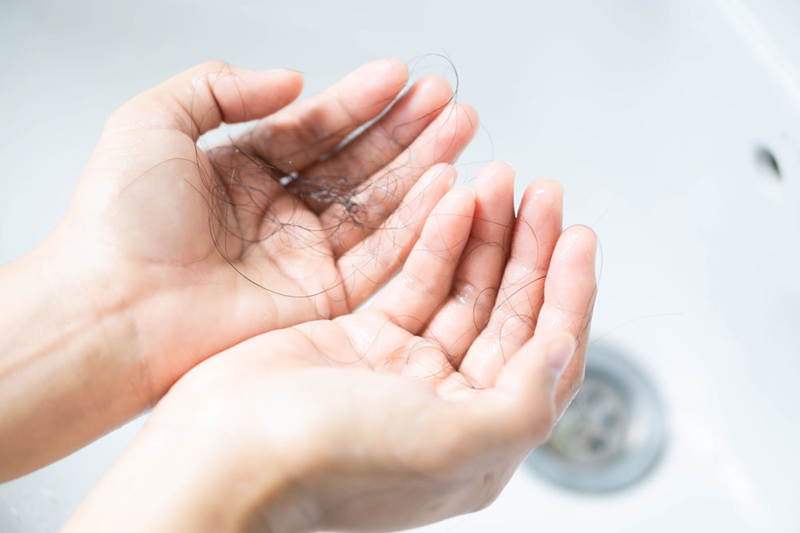
Telogen effluvium occurs when an unusually large number of hair follicles enter the resting phase of the hair cycle, leading to increased shedding. It may follow illness, surgery, childbirth, psychological stress, restrictive dieting, or nutritional deficiencies.
Unlike typical pattern hair loss, telogen effluvium often causes diffuse shedding across the scalp rather than a specific receding hairline.
Treatment focuses on identifying and addressing the trigger. Depending on the case, this may involve reviewing medications, correcting a confirmed nutritional deficiency, improving dietary intake, or managing an underlying health condition.
Hair density often improves after the cause has been resolved, although recovery takes time. Persistent or recurrent shedding warrants further assessment to check for ongoing triggers or another type of hair loss.
PRP or other hair restoration procedures should not be assumed to be necessary for every case. The underlying cause and the stage of recovery should guide treatment decisions.
3. Alopecia Areata
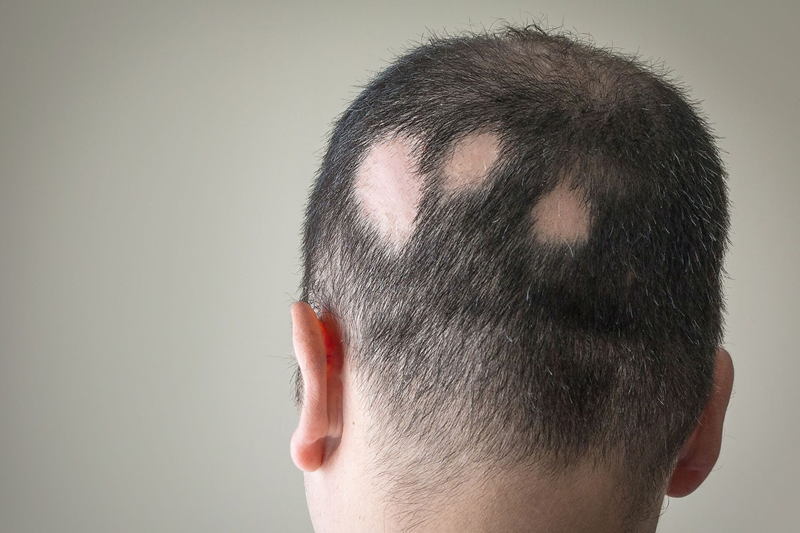
Alopecia areata is an autoimmune condition in which the immune system attacks hair follicles. It often causes sudden, round or oval patches of hair loss, although more extensive patterns can occur.
Some people experience regrowth without treatment, while others have recurrent episodes or more extensive hair loss. The course is unpredictable.
Potential treatment options include:
- Corticosteroids: Depending on the pattern and severity, a specialist may recommend topical or injected corticosteroids to reduce inflammation.
- Prescription medicines: Certain other treatments, including JAK inhibitors for eligible patients with severe disease, may be considered under specialist care.
- Monitoring: Some limited cases may be observed because spontaneous regrowth can occur.
PRP, mesotherapy, and hair transplantation are not standard first-line treatments for active alopecia areata. Transplantation is generally unsuitable while the autoimmune condition is active because newly transplanted follicles may also be affected.
4. Traction Alopecia

Traction alopecia develops when repeated pulling places excessive tension on the hair follicles. Tight ponytails, braids, extensions, and other hairstyles that pull on the hair can contribute to the condition.
Early signs may include thinning around the hairline, broken hairs, tenderness, or small areas of reduced density. If the pulling continues for a long time, permanent follicle damage may develop.
The first step is to remove the source of tension. Changing hairstyles and avoiding repeated pulling may help prevent further damage. A dermatologist can assess whether additional treatment is appropriate.
If permanent hair loss has developed and the condition is no longer active, hair transplantation may be considered for selected patients with adequate donor hair. Learn more about FUE Hair Transplant at Helia to understand this option.
5. Anagen Effluvium
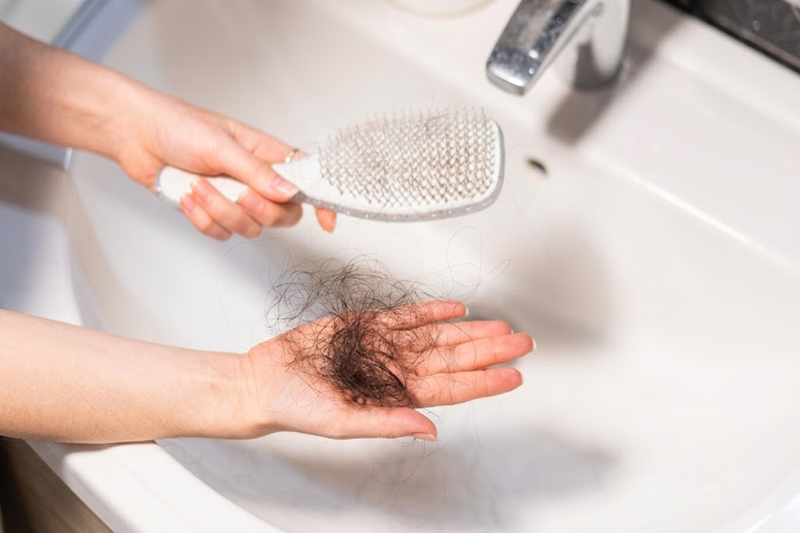
Anagen effluvium occurs when the active growth phase of hair follicles is disrupted. It can cause rapid and sometimes extensive hair loss, most notably during certain cancer treatments or following exposure to specific toxic substances.
Unlike telogen effluvium, which typically becomes noticeable months after a trigger, anagen effluvium may develop within days or weeks.
Treatment depends on the cause. Hair often begins to regrow after the damaging exposure or treatment has ended, but the degree and timing of recovery vary. Some medications or exposures can cause longer-lasting changes.
People experiencing sudden, extensive hair loss during medical treatment should discuss it with their treating healthcare professional rather than starting cosmetic hair restoration procedures independently.
6. Scarring Alopecia
Scarring alopecia refers to a group of conditions in which inflammation damages hair follicles and replaces them with scar tissue. It may cause permanent hair loss.
Possible signs include persistent redness, scaling, burning, itching, tenderness, or smooth areas where follicular openings are no longer visible. However, symptoms differ between conditions.
Early diagnosis is important. A dermatologist may recommend a scalp examination and biopsy to identify the specific condition. Treatment often focuses on controlling inflammation and preventing further follicle damage.
Hair transplantation may be considered in carefully selected cases only after the condition has been inactive for an appropriate period. It is not a substitute for controlling active inflammation.
7. Hair Loss Related to Nutritional or Hormonal Problems
Hair thinning may occur alongside iron deficiency, thyroid disorders, significant dietary restriction, or other medical problems.
In these cases, hair restoration procedures alone may not address the underlying cause.
Treatment should target the identified problem. This may involve correcting a confirmed deficiency, treating a hormonal or thyroid condition, reviewing dietary intake, or adjusting a medication under medical supervision.
A healthcare professional may recommend blood tests when the history and examination suggest a nutritional or medical cause. Taking high doses of vitamins or minerals without confirming a need is not recommended, as excessive intake of certain nutrients can itself contribute to health problems or hair loss.
How Is Hair Loss Diagnosed?
A correct diagnosis helps avoid unnecessary treatments and improves the chances of choosing an appropriate approach.
Medical History and Scalp Examination
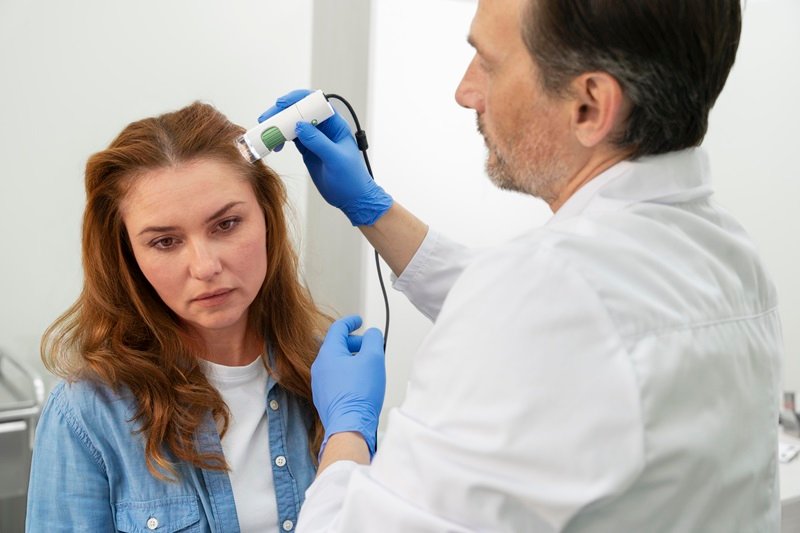
A clinician may ask when the shedding started, whether it was sudden or gradual, whether hair loss runs in the family, and whether you recently experienced illness, stress, weight changes, pregnancy, or medication changes.
The examination may assess the distribution of thinning, hair-shaft breakage, scalp inflammation, and the condition of the donor area if transplantation is being considered.
A hair-pull test or dermatoscopic examination may also help distinguish between different causes.
Blood Tests and Scalp Biopsy
Blood tests may be recommended when the symptoms suggest a possible thyroid disorder, iron deficiency, or another medical problem. The specific tests depend on the clinical findings rather than a universal panel for everyone.
A scalp biopsy may be necessary when the diagnosis is unclear or scarring alopecia is suspected. It can help identify inflammation and changes in the hair follicles.
For a general overview of causes and evaluation, see the American Academy of Dermatology’s hair-loss resources.
Hair Loss Treatments: What Works?
Treatment should be selected according to the diagnosis, the extent of hair loss, the condition of the scalp, and the patient’s goals. Not every treatment works for every type of alopecia, and some approaches have stronger evidence than others.
Medical Treatments
Medical treatments may help reduce shedding or support regrowth when they are appropriate for the underlying condition.
Minoxidil is used for certain forms of pattern hair loss. It can take several months to assess its effect, and temporary increased shedding may occur when treatment begins.
Finasteride is a prescription option for selected patients with male pattern hair loss. A healthcare professional should discuss potential side effects, contraindications, and reproductive precautions before treatment.
Corticosteroids and other prescription medicines may be recommended for inflammatory or autoimmune forms of hair loss, depending on the diagnosis.
These medications do not have interchangeable uses. A treatment suitable for one condition may be ineffective or inappropriate for another.
PRP Hair Treatment

Platelet-rich plasma (PRP) treatment uses a concentrated portion of the patient’s own blood. After processing, the platelet-rich plasma is injected into selected areas of the scalp.
PRP is used as a non-surgical hair restoration option, particularly for some patients with pattern hair thinning. Research suggests it may improve hair density in certain cases, but treatment protocols and outcomes vary, and it does not guarantee regrowth.
A consultation can help establish whether PRP is appropriate for the person’s type of hair loss.
Read more about PRP Hair Treatment at Helia.
Hair Mesotherapy
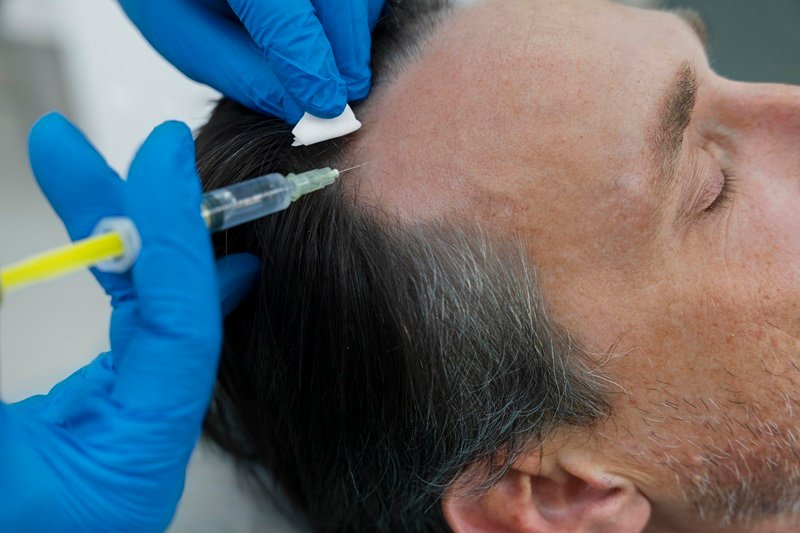
Hair mesotherapy involves injecting selected substances into the scalp. The ingredients and protocols can differ between providers, and the evidence supporting mesotherapy for hair loss depends on the specific formulation and condition being treated.
It should not be presented as a proven solution for every type of hair loss. Before proceeding, patients should ask what substances will be used, what evidence supports the proposed treatment, what risks are involved, and how success will be evaluated.
Explore Hair Mesotherapy at Helia for information about the service offered by the clinic.
Exosome Hair Therapy
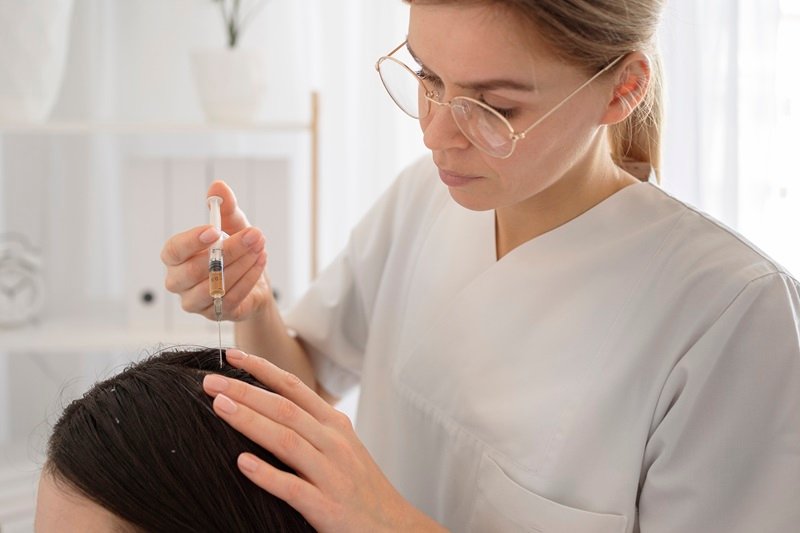
Exosomes are small extracellular vesicles involved in cell-to-cell communication. Exosome-based treatments are being investigated for their potential role in hair restoration, but clinical evidence remains limited, and products and treatment methods can differ considerably.
Their safety, effectiveness, appropriate use, and long-term outcomes are not yet established to the same degree as standard treatments for common forms of hair loss. Patients should be cautious about claims of guaranteed regrowth or permanent results.
Before considering this approach, discuss the evidence, product source, regulatory status, and possible risks with a qualified medical professional.
You can review Exosome Hair Therapy at Helia for details of the clinic’s offering. The availability of a service does not by itself establish that it is effective for every hair-loss condition.
G-Cell and Stem Cell-Based Hair Treatments

Some hair restoration providers offer regenerative treatments that use tissue-derived cells or cell-related components. The methods, scientific evidence, and regulatory status vary between products and procedures.
These approaches should not be treated as interchangeable with established treatments. Evidence for long-term effectiveness and safety may be limited, so patients should ask for clear information about the technique, supporting clinical studies, expected outcomes, and potential complications.
Helia provides information about its G-Cell Hair Treatment. Whether this or another regenerative approach is appropriate depends on individual assessment and the evidence available for the specific procedure.
Hair Transplantation
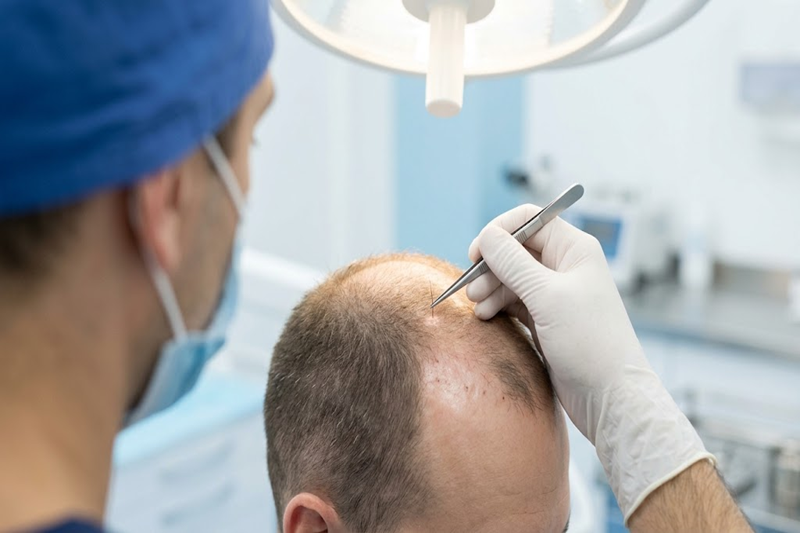
Hair transplantation is a surgical option for selected patients with permanent hair loss. It involves moving follicular units from a donor area, usually the back or sides of the scalp, into areas with reduced density.
It may be considered for certain cases of pattern hair loss and other stable forms of permanent hair loss. However, it does not stop the progression of hair loss in untreated areas, and future thinning may affect the overall result.
The suitability of transplantation depends on donor hair availability, the pattern and stability of hair loss, scalp health, and the patient’s expectations.
Helia offers FUE Hair Transplant in Dubai. A qualified specialist can assess the donor area and discuss the likely benefits, limitations, and risks before recommending surgery.
Can Hair Loss Be Prevented?
Not all hair loss can be prevented, especially when genetic or autoimmune factors are involved. However, certain measures may reduce avoidable damage and help support healthy hair growth.
- Choose gentle hairstyles: Avoid frequent tight braids, ponytails, or extensions that pull on the hair.
- Maintain a balanced diet: Eat enough calories and protein, and address confirmed nutritional deficiencies with professional guidance.
- Handle wet hair carefully: Use gentle brushing and avoid excessive pulling or aggressive styling.
- Limit damaging treatments: Frequent chemical processing and high heat can cause hair-shaft damage and breakage.
- Address health concerns: Seek advice for persistent shedding, scalp inflammation, or possible hormonal or nutritional problems.
- Avoid unverified supplements: More vitamins do not necessarily mean healthier hair. Excessive intake of some nutrients can be harmful.
These habits can help protect the hair shaft and address some contributing factors, but they cannot prevent every form of hair loss.
Not sure where to start?
Our specialists will assess your scalp biology, graft capacity, and aesthetic goals to create a hair restoration protocol designed entirely for you — from your first consultation onward.
Frequently Asked Questions About Hair Loss
1. What Is the Most Common Cause of Hair Loss?
Androgenetic alopecia, or pattern hair loss, is one of the most common causes. It is associated with genetic susceptibility and hormonal influences. Other causes include telogen effluvium, autoimmune conditions, nutritional deficiencies, medications, and scalp disorders.
2. Can Hair Grow Back After Hair Loss?
Yes, depending on the cause. Hair often regrows after temporary shedding when the trigger resolves. Pattern hair loss may respond to ongoing treatment, while hair loss caused by permanent follicle scarring may not regrow without suitable intervention. The outcome depends on the diagnosis and extent of follicle damage.
3. Which Treatment Is Best for Hair Loss?
There is no single best treatment for every person. Minoxidil and certain prescription medicines may help with pattern hair loss, while autoimmune or inflammatory conditions may require different medical treatments. PRP and other hair restoration procedures may be considered in selected cases, and transplantation may suit certain forms of permanent hair loss.
4. Does PRP Hair Treatment Work for Everyone?
No. PRP may improve hair density in some people, but results vary depending on the type and severity of hair loss, the treatment protocol, and individual factors. It is not a guaranteed cure and may not be appropriate for every condition.
5. When Should I Consider a Hair Transplant?
Hair transplantation may be an option when hair loss is permanent or sufficiently stable, the donor area has adequate hair, and the expected result is realistic. A specialist should first identify the cause of hair loss and assess whether medical treatment or another approach is more appropriate.
Conclusion
Hair loss can have many causes, and effective treatment begins with identifying the right one. Genetic pattern hair loss, temporary shedding, autoimmune conditions, nutritional problems, and scarring alopecia do not respond to the same treatments.
Medical therapies may help manage certain conditions, while options such as PRP, hair mesotherapy, exosome-based procedures, and hair transplantation may be considered in selected cases. However, their evidence, limitations, and suitability differ.
At Helia, a hair and scalp assessment can help determine which treatment options may be appropriate for your individual needs. The most suitable plan should be based on an accurate diagnosis, realistic expectations, and a clear understanding of the benefits and risks of each approach.
Related Articles
Continue exploring clinical insights from the Helia Medical Journal.
 Hair Restoration
Female Hair Loss: Causes, Signs & Treatment Options
Table of ContentsWhat Is Female Hair Loss?What Causes Female Hair Loss?What Are the Early Signs of Female Hair Loss?How Is Female Hair Loss Diagnosed?What Are the Treatment Options…
 Hair Restoration
Non-Surgical Hair Transplant Alternatives: Your Options
magine achieving a fuller head of hair without surgery or needles! This article introduces you to the latest, pain-free hair transplant techniques, including micrograft, DHI, SUT, and FUE. Discover how you can enhance your look with these cutting-edge methods that keep your existing hair safe and beautiful.
Comments
Share your questions or clinical experience with our readers.