
Best Time for a Hair Transplant: When Is It?
Wondering when the best time is for a hair transplant? In this article, we’ll explore the ideal age range for both men and women. We’ll break down the minimum and maximum ages for hair transplants, Whether you’re in your 20s or 50s, understanding when to take action is key to achieving natural-looking results.

Choosing the right time for a hair transplant is about more than picking a season. Although weather and daily activities can affect your recovery, factors such as hair loss pattern, donor hair quality, scalp condition, and your ability to follow aftercare instructions are more important.
For many people, the best time for a hair transplant is when their hair loss has been properly assessed and they can allow enough time for recovery and follow-up care.
What Is the Best Time for a Hair Transplant?

There is no single month or season that is best for everyone. A hair transplant can be performed at different times of the year, depending on the patient’s individual situation.
Before choosing a date, a hair transplant specialist should assess factors such as:
- The pattern and progression of hair loss
- The quality and density of the donor area
- The condition of the scalp
- The expected future pattern of hair loss
- Your work and travel schedule
- Your ability to follow post-treatment instructions
This means that the best time for a hair transplant is usually the time when your hair loss and donor area are suitable and you can comfortably manage the recovery period.
Not sure where to start?
Our specialists will assess your scalp biology, graft capacity, and aesthetic goals to create a hair restoration protocol designed entirely for you — from your first consultation onward.
Does the Season Matter for a Hair Transplant?
The season itself does not determine whether a hair transplant will be successful. However, each season can have practical advantages and challenges.
| Season | Potential Advantages | What to Consider |
|---|---|---|
| Winter | Less intense sun and cooler temperatures | Hats and heavy clothing should not put pressure on the scalp |
| Spring | Moderate weather and comfortable recovery conditions | Plan around outdoor activities and travel |
| Summer | Convenient for people with flexible schedules | Heat, sweating, strong sun, and swimming may make aftercare more challenging |
| Fall | Comfortable temperatures and less intense outdoor heat | Make sure you can still limit sun exposure during early recovery |
The most important point is that you do not have to wait for a particular season if you are otherwise ready for the procedure.
What Factors Determine the Best Time for a Hair Transplant?
Stable Hair Loss

The progression of your hair loss is one of the most important factors to consider.
If your hair is continuing to thin significantly, your specialist may need to consider how future hair loss could affect the appearance of the transplanted area. A treatment plan should take both your current hair loss and potential future changes into account.
Donor Hair Quality
Hair follicles are usually taken from a donor area with suitable hair growth. The density, thickness, and overall quality of this area can affect how many grafts may be available.
A specialist can examine the donor area and determine whether it provides enough suitable follicles for your treatment plan.
Age and Hair Loss Pattern
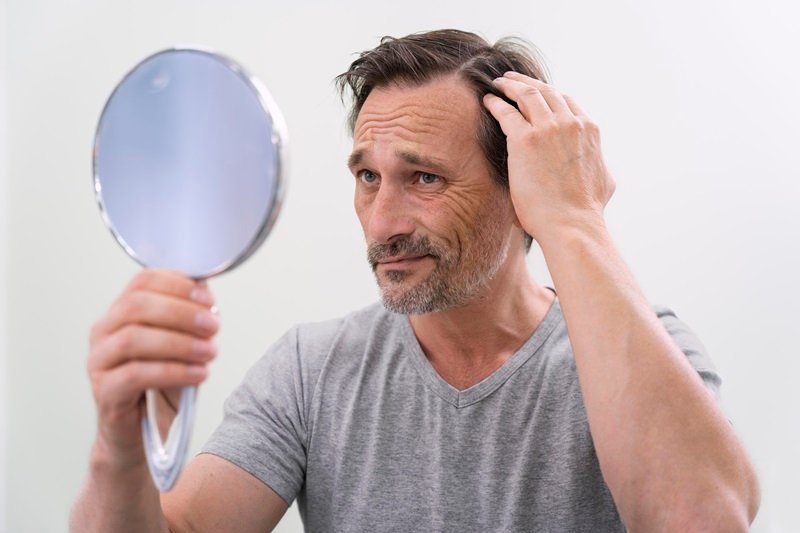
Age alone does not determine whether you are ready for a hair transplant. Your hair loss pattern and how it has developed over time are also important.
A consultation can help determine whether the current hairline and thinning pattern are suitable for transplantation.
Your Schedule and Recovery Time
Your personal schedule can make one period more convenient than another.
You may want to choose a time when you can reduce strenuous physical activity, attend follow-up appointments, and protect your scalp during the early healing period. Some people may need around one to two weeks away from work, depending on the procedure, recovery, and type of work they do. nhs.uk
Sun Exposure and Outdoor Activities
Strong sun exposure can make the recovery period more difficult. If you have a holiday, outdoor event, or extended period of outdoor activity planned, consider whether you will be able to follow your specialist’s instructions for protecting your scalp.
This is particularly important when planning a procedure during the hotter months.
Is Winter the Best Time for a Hair Transplant?

Winter can be a convenient option because temperatures are generally lower and there may be less intense sun exposure.
However, winter is not automatically the best season. You should still avoid anything that puts unnecessary pressure or friction on the healing scalp and follow your specialist’s instructions about hats, hair washing, and daily activities.
Can You Have a Hair Transplant in Summer?
Yes. A hair transplant can be performed during summer, but you may need to pay more attention to heat, sweating, direct sunlight, and outdoor activities.
If you regularly swim, exercise outdoors, or spend long periods in the sun, you may find another time of year easier for recovery. Your specialist can give you specific guidance based on your procedure and healing process.
How Long Does It Take to Recover From a Hair Transplant?

Recovery is different for each person, but the first few weeks are particularly important for protecting the transplanted grafts.
According to NHS guidance, transplanted grafts are not fully secure during the first two weeks, and patients may be advised to reduce exercise during the early recovery period. New hair growth usually becomes noticeable after several months, while the final result can take much longer to develop. nhs.uk
A simple recovery timeline can look like this:
| Recovery Stage | What You May Notice |
|---|---|
| First few days | Redness, swelling, tenderness, or small scabs may occur |
| First 2 weeks | Grafts need careful protection and gentle care |
| After a few weeks | Transplanted hairs may temporarily shed |
| Around 4 months | New hair growth may begin to appear |
| 10–18 months | The final result may become more visible |
Your own recovery can vary, so your specialist’s instructions should always take priority.
When Should You Wait Before Having a Hair Transplant?
A hair transplant may not be the right choice at the time you first consider it.
You may need to wait if your hair loss pattern is still changing significantly, your donor area is not suitable, or you cannot commit to the necessary recovery and aftercare.
Some types of hair loss may also require a different approach rather than transplantation. A proper diagnosis is therefore important before deciding on the procedure.
If you are considering Hair Transplant in Dubai, a consultation with a qualified specialist can help assess your hair loss, donor area, and individual treatment needs before you choose a date.
Final Thoughts
The best time for a hair transplant is not necessarily winter, summer, or any other particular season. The most important factors are the stability and pattern of your hair loss, donor hair quality, scalp condition, and your ability to follow the recovery plan.
Choosing a period when you can take care of your scalp and avoid unnecessary physical or outdoor activities can make the recovery process easier. A professional assessment is the best way to determine whether you are ready for a hair transplant and when the procedure may be appropriate.
Not sure where to start?
Our specialists will assess your scalp biology, graft capacity, and aesthetic goals to create a hair restoration protocol designed entirely for you — from your first consultation onward.
Frequently Asked Questions
Is winter the best time for a hair transplant?
Not necessarily. Winter can be convenient because of cooler weather and lower sun exposure, but your hair loss pattern, donor area, and recovery schedule are more important than the season.
Can I have a hair transplant in summer?
Yes. Hair transplantation can be performed in summer. You may simply need to take extra care with direct sunlight, heat, sweating, swimming, and outdoor activities during recovery.
How long should I take off work after a hair transplant?
The amount of time varies depending on your procedure and type of work. Some patients may need around one to two weeks away from work, while others may return sooner depending on their recovery and job requirements.
Should I wait until hair loss stops before a hair transplant?
Not necessarily. However, the stability and progression of your hair loss should be assessed before treatment. Your specialist can determine whether transplantation is appropriate and how future hair loss should be considered in the treatment plan.
What should I avoid after a hair transplant?
Your specialist will provide specific instructions, but early recovery generally requires careful handling of the transplanted area and limiting certain physical activities. The first two weeks are particularly important because the grafts are still vulnerable.
Related Articles
Continue exploring clinical insights from the Helia Medical Journal.
 Hair Restoration & Hair Transplant
Do Hair Transplants Last Forever? Which Method Lasts Longest?
Table of ContentsDo Hair Transplants Last Forever?Which Hair Transplant Method Lasts the Longest?FUE Hair TransplantFUT Hair TransplantDoes FUE Hair Transplant Last Forever?Do Hair Plugs Last Forever?What Can Affect…
 Hair Restoration & Hair Transplant
Hair Transplant Expectations: What’s Real and What’s Not?
Table of ContentsWhat Can You Realistically Expect From a Hair Transplant?Hair Transplant Expectations: Myth vs. RealityMyth 1: A Hair Transplant Guarantees a Full Head of HairMyth 2: Results…
 Hair Restoration & Hair Transplant
Wearing Hat After Hair Transplant: When Is It Safe?
Table of ContentsCan You Wear a Hat After Hair Transplant?Timeline for Wearing HatsWhat Type of Hat Is Best After a Hair Transplant?Can Wearing a Hat Dislodge Hair Transplant…
Comments
Share your questions or clinical experience with our readers.