
Best Hair Transplant Method: Pros & Cons of Popular Techniques
In this article, we warmly introduce you to the world of hair transplantation, covering various methods like FUE, FUT, DHI, BHT, micrograft and neograft. We’ll discuss the benefits and drawbacks of each approach and help you find the one that best fits your unique needs and circumstances. Join us to find the perfect match for your hair restoration journey!
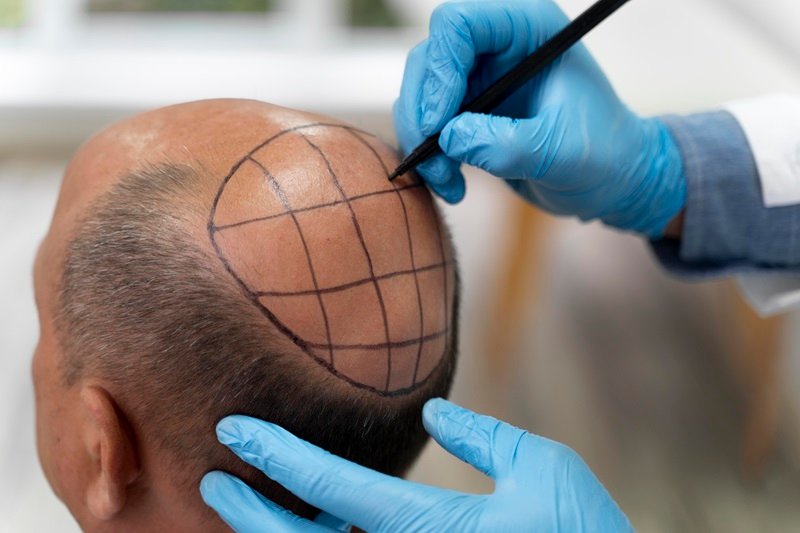
Choosing the best hair transplant method is not simply about selecting the newest or most advanced technique. The right approach depends on several factors, including the pattern of hair loss, donor hair availability, hair characteristics, desired density, hairline design, and long-term restoration goals.
Today, FUE, DHI, and Micrograft are among the hair transplant techniques offered at Helia Clinic. Although these approaches share the goal of restoring lost hair, they differ in how grafts are extracted, prepared, and implanted.
This guide explains the main differences between these techniques, their potential advantages and limitations, and the factors specialists consider when recommending a hair transplant method.
What Is the Best Hair Transplant Method?
There is no single hair transplant method that is best for every patient. A suitable technique should be selected after assessing the patient’s hair loss, donor area, existing hair, scalp condition, and desired result.
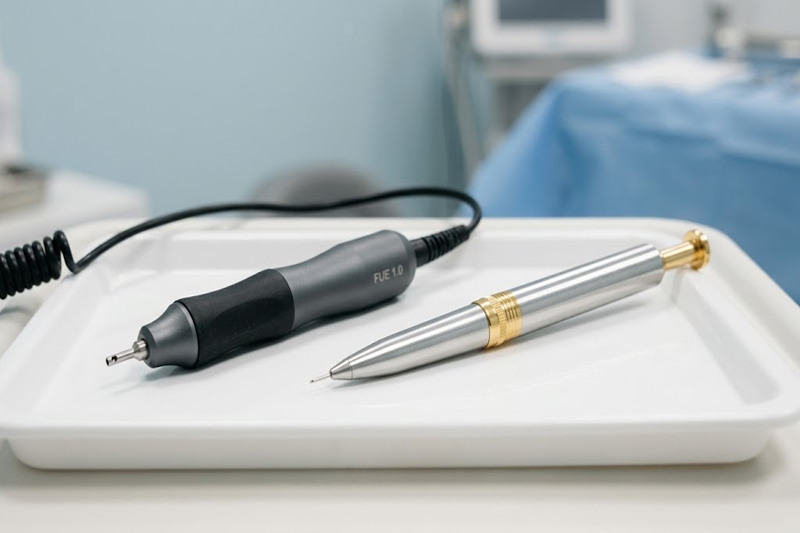
FUE involves extracting individual follicular units from the donor area, while DHI uses an implanter device to place extracted grafts. Micrograft is an FUE-based approach that focuses on precise graft extraction and restoration.
The same technique may produce different results in different patients because donor hair quality, graft availability, hair characteristics, and treatment planning all affect the outcome.
At Helia Clinic, hair restoration is planned individually, with Micrograft, FUE, and DHI available as part of its hair transplant program. The recommended approach depends on the patient’s hair-loss pattern, donor area, and restoration goals. Helia Clinic
Not sure where to start?
Our specialists will assess your scalp biology, graft capacity, and aesthetic goals to create a hair restoration protocol designed entirely for you — from your first consultation onward.
Popular Hair Transplant Methods
Micrograft Hair Transplant
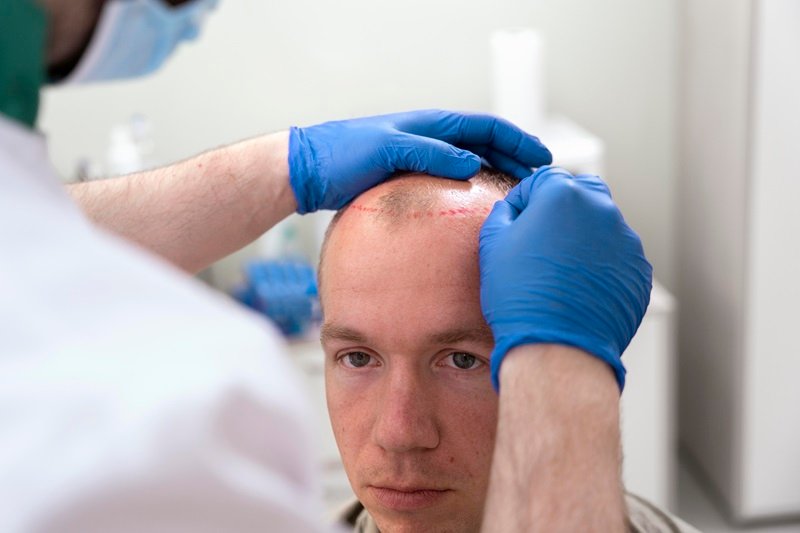
Micrograft hair transplant is an FUE-based approach in which individual follicular units are extracted from the donor area and transplanted to areas affected by hair loss.
At Helia Clinic, Micrograft treatment is planned according to factors such as the patient’s hair-loss pattern, donor hair density, hairline shape, existing hair direction, facial proportions, and desired density. The technique can be used to address areas such as a receding hairline, frontal thinning, crown thinning, or more extensive hair loss.
The goal is not simply to add as many grafts as possible. Proper distribution, hair direction, and density are important for creating a natural transition between transplanted and existing hair.
Potential benefits of Micrograft include:
- Individual graft extraction
- Personalized density planning
- Detailed hairline design
- No linear donor scar
- Use for different areas of hair loss
The final result still depends on factors such as donor hair availability, graft characteristics, treatment planning, and individual healing.
FUE Hair Transplant
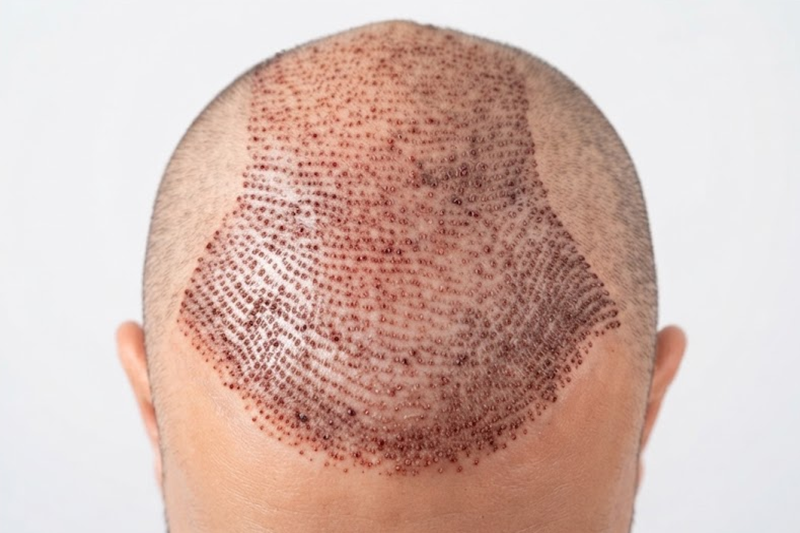
FUE hair transplant stands for Follicular Unit Extraction. The technique involves extracting individual follicular units from the donor area and placing them into areas affected by hair loss.
Unlike FUT, FUE does not involve removing a strip of scalp. Instead, follicles are extracted individually, which avoids the linear donor scar associated with strip harvesting. Small marks can still occur at individual extraction sites, and their visibility varies between patients.
FUE can be considered for different patterns of hair loss, including hairline recession, frontal thinning, crown thinning, localized bald areas, and reduced hair density.
Potential benefits of FUE include:
- Individual follicular unit extraction
- No linear strip scar
- Flexible graft placement
- Suitable for different treatment areas
- Options such as Sapphire FUE and Micro FUE
However, FUE is still a surgical procedure and requires appropriate patient selection and technical skill. The quality of graft harvesting and handling can affect the final result.
DHI Hair Transplant
DHI hair transplant stands for Direct Hair Implantation. In this technique, individual follicular grafts are extracted from the donor area and implanted using an implanter device, commonly known as a Choi pen.
The implanter allows the medical team to control the placement, angle, direction, and distribution of individual grafts during implantation. This can be useful when detailed hairline or density planning is required.
Potential benefits of DHI include:
- Precise graft placement
- Control over graft direction and angle
- Detailed hairline work
- Targeted density planning
- Direct implantation with an implanter
DHI is not automatically better than FUE. The two approaches differ mainly in how grafts are implanted, and the appropriate option depends on the patient’s hair loss, donor area, graft requirements, and treatment goals.
Comparing FUE, DHI, and Micrograft
FUE, DHI, and Micrograft are closely related approaches, but they emphasize different parts of the transplantation process.
| Feature | FUE | DHI | Micrograft |
|---|---|---|---|
| Graft extraction | Individual follicular units | Individual follicular units | Individual follicular units |
| Implantation | Grafts implanted after extraction | Direct implantation with an implanter | FUE-based graft implantation |
| Hairline planning | Yes | Yes | Yes |
| Density planning | Individualized | Individualized | Individualized |
| Main focus | Individual graft harvesting | Precise graft placement | Precision-focused restoration |
There is no universally superior technique. A specialist should select the approach based on the patient’s donor hair, hair-loss pattern, treatment area, desired density, and long-term goals.
Pros & Cons of Hair Transplant
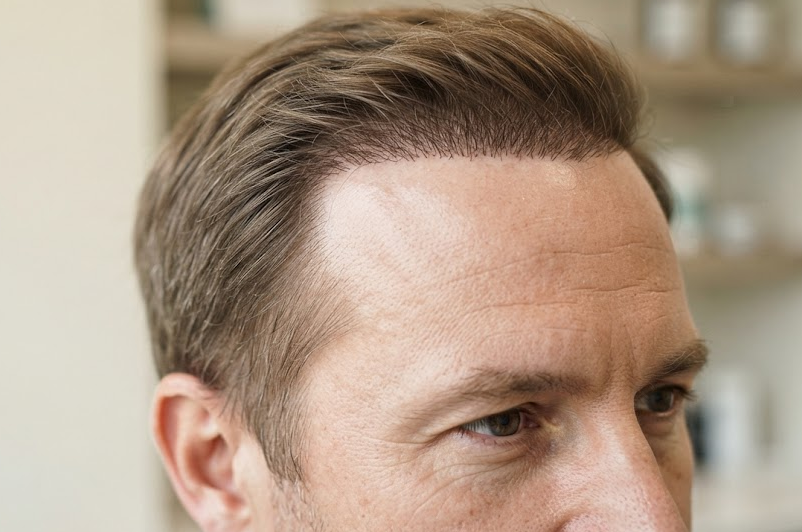
Hair transplantation can provide long-lasting hair restoration, but every procedure has potential benefits and limitations. Understanding both sides can help patients develop realistic expectations before treatment.
Pros of Hair Transplant
Long-lasting hair restoration
Hair transplantation moves suitable hair follicles from a donor area to areas affected by hair loss. When appropriate donor follicles are used and the procedure is properly planned, transplanted hair can provide long-lasting growth.
Natural-looking results
A natural result depends on more than the number of grafts. Hairline position, follicle direction, graft distribution, density, and the transition between transplanted and existing hair all contribute to the final appearance.
Individualized treatment
Modern hair transplantation allows treatment to be planned according to the patient’s hair-loss pattern, donor supply, hair characteristics, and aesthetic goals.
Different techniques are available
Patients may have access to different approaches, including FUE, DHI, and Micrograft. This allows the treatment plan to be adapted to individual needs rather than using exactly the same technique for every patient.
Cons and Limitations of Hair Transplant
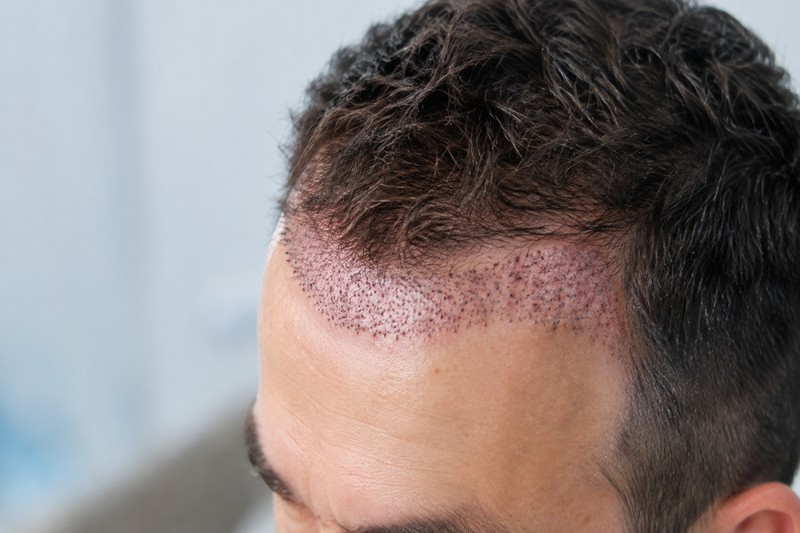
It is a surgical procedure
Hair transplantation involves skin penetration and carries potential risks. Reported complications can include pain, swelling, bleeding, infection, folliculitis, scarring, and temporary or persistent changes in sensation. Most complications are manageable, but serious complications can occur. PubMed
Donor hair is limited
The donor area has a finite supply of suitable follicles. Overharvesting can affect the appearance of the donor area and may limit future treatment options.
Results take time
Hair does not grow immediately after transplantation. Temporary shedding may occur before new growth becomes visible, and density gradually develops over the following months.
Results vary between patients
Age, hair-loss pattern, donor density, hair characteristics, graft handling, surgical technique, and individual healing can all affect the outcome.
Future hair loss can continue
A hair transplant does not necessarily stop hair loss in non-transplanted areas. Long-term planning is therefore important, particularly for patients with progressive pattern hair loss.
What Factors Affect Hair Transplant Results?
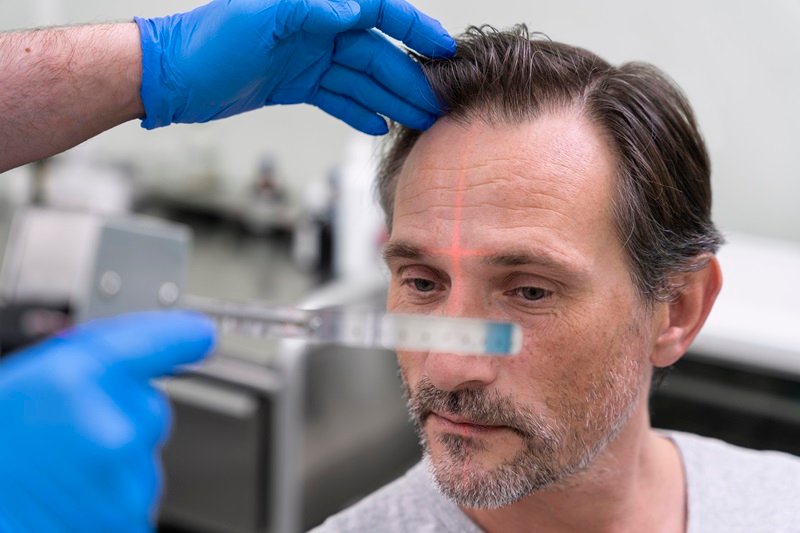
The technique is only one part of a successful hair transplant. Several factors can influence the final result.
Donor Hair Quality
The density, thickness, and characteristics of the donor hair affect how many grafts may be available and how they can be distributed.
Hair Loss Pattern
The size and location of the areas affected by hair loss influence the number of grafts required and the overall treatment plan.
Hairline Design
A hairline should be designed according to factors such as facial proportions, age, existing hair, and the possibility of future hair loss. Creating an overly low or dense hairline may not provide an appropriate long-term result.
Graft Handling
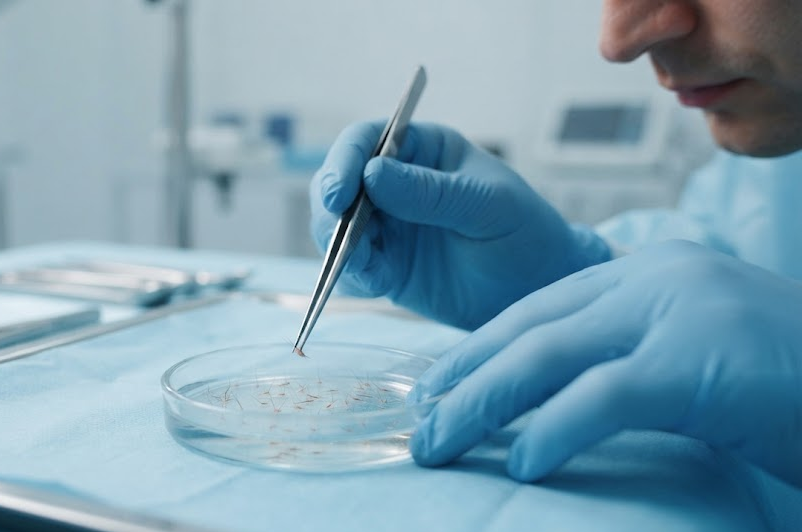
Grafts need to be carefully harvested, handled, preserved, and implanted. Technical factors can influence graft survival and the overall outcome.
Treatment Planning
A well-planned procedure considers both the current level of hair loss and the possibility of future thinning. This helps make better use of the available donor supply.
Postoperative Care
Following postoperative instructions can support healing and help protect the transplanted area during recovery.
How to Choose the Right Hair Transplant Method
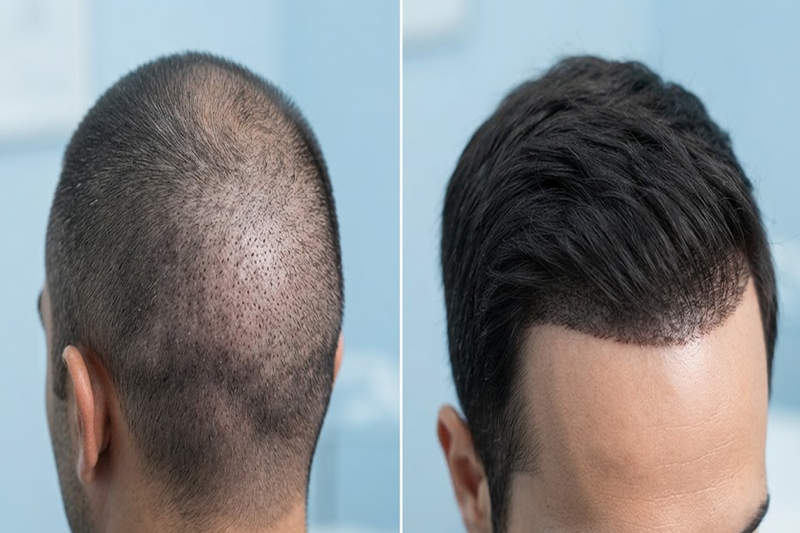
Choosing between FUE, DHI, and Micrograft should begin with an assessment rather than a comparison based only on marketing claims.
A specialist may consider:
- Hair-loss pattern and severity
- Donor hair density and quality
- Size of the treatment area
- Existing hair and its direction
- Desired hair density
- Hairline design
- Number of grafts required
- Long-term hair restoration goals
- Overall medical suitability
The recommended technique should balance the desired result with the amount of donor hair available.
At Helia Clinic, hair restoration planning takes into account factors such as hair-loss pattern, donor-area characteristics, hairline position, facial proportions, graft requirements, and desired density.
The International Society of Hair Restoration Surgery also emphasizes proper patient evaluation and the importance of having qualified medical professionals responsible for surgical aspects of hair transplantation.
Which Hair Transplant Method Is Best for Men?

Men can experience different patterns of hair loss, including a receding hairline, frontal thinning, crown loss, or more extensive thinning.
There is no single technique that is automatically best for every man. FUE, DHI, and Micrograft may all be considered depending on the donor area, extent of hair loss, desired density, hairline goals, and long-term treatment plan.
The most appropriate technique should therefore be selected after an individual assessment.
Which Hair Transplant Method Is Best for Women?
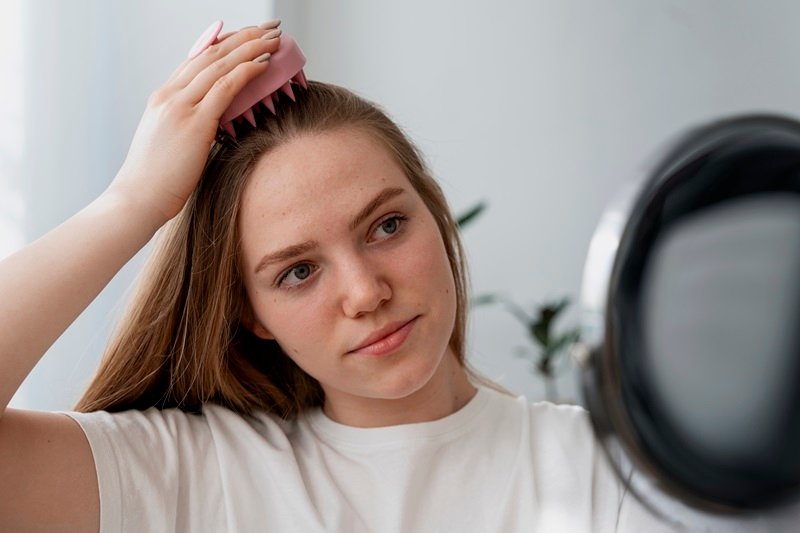
Women can also experience hair loss and thinning, although the pattern and causes may differ between individuals.
Before considering transplantation, the cause and pattern of hair loss should be evaluated along with donor hair availability and overall hair density.
Women who are suitable candidates may be considered for FUE, DHI, or Micrograft depending on their individual condition and restoration goals.
Not sure where to start?
Our specialists will assess your scalp biology, graft capacity, and aesthetic goals to create a hair restoration protocol designed entirely for you — from your first consultation onward.
Frequently Asked Questions
What is the best hair transplant method?
There is no single best method for everyone. FUE, DHI, and Micrograft use different approaches, and the most appropriate option depends on the patient’s hair-loss pattern, donor area, graft requirements, and restoration goals.
Is FUE better than DHI?
Not necessarily. FUE and DHI differ mainly in how grafts are implanted. FUE involves individual follicular-unit extraction, while DHI uses an implanter for direct graft placement. The appropriate technique depends on the individual case.
Is Micrograft the same as FUE?
Micrograft is an FUE-based approach. Both involve individual follicular-unit extraction, while Micrograft may place additional emphasis on precision, density planning, and detailed restoration.
Does FUE leave scars?
FUE does not create the linear donor scar associated with FUT. However, small marks may remain at individual extraction sites, and their visibility can vary between patients.
How long does a hair transplant take?
The duration depends mainly on the number of grafts and the treatment plan. Smaller procedures may take less time than larger sessions. The expected procedure time can be discussed during the consultation.
When will I see hair transplant results?
Hair growth develops gradually. Temporary shedding may occur after the procedure, followed by new growth over the following months. The timeline varies between individuals.
Can women have a hair transplant?
Yes. Women with a suitable pattern of hair loss and sufficient donor hair may be candidates for hair transplantation. An individual assessment is necessary before treatment.
Can hair loss continue after a hair transplant?
Yes. Transplanted follicles may continue to grow, but non-transplanted hair can still be affected by the underlying cause of hair loss. Long-term planning is therefore important.
How do I know which hair transplant method is right for me?
A specialist should evaluate your hair-loss pattern, donor area, hair characteristics, desired density, and long-term goals before recommending a technique.
Conclusion
The best hair transplant method is not determined by a single technique being better for everyone. FUE, DHI, and Micrograft each use different approaches to graft extraction and implantation, and each may be suitable for different treatment needs.
The quality of the final result depends on more than the selected technique. Donor hair availability, hairline design, graft handling, density planning, surgical skill, and postoperative care all play important roles.
For patients considering hair transplantation at Helia Clinic, FUE, DHI, and Micrograft are currently available options. The recommended approach should be based on an individual assessment of hair loss, donor capacity, hair characteristics, and restoration goals.
A personalized treatment plan can help balance natural-looking results, effective use of the donor area, and long-term hair restoration goals.
Related Articles
Continue exploring clinical insights from the Helia Medical Journal.
 Blog
Haircuts After Hair Transplant: When Can You Cut or Shave?
Table of ContentsWhen Can You Get Your First Haircut After a Hair Transplant?Scissors vs. Clippers After Hair TransplantCutting Hair With ScissorsUsing Electric ClippersShaving With a RazorWhen Can You…
 Blog
Best Shampoo After Hair Transplant: Don’t Damage Your Grafts
Table of ContentsWhen Can You Wash Your Hair After a Hair Transplant?What Should You Look for in a Shampoo After Hair Transplant?Is Sulfate-Free Shampoo Better After a Hair…
 Blog
Body Hair Transplant (BHT): Can Beard Hair Grow on the Scalp?
Table of ContentsWhat Is a Body Hair Transplant?Can Beard Hair Grow on the Scalp?Scalp vs Beard vs Body Hair: Key DifferencesWhen Are Chest Hair Grafts Used?Who Is a…
Comments
Share your questions or clinical experience with our readers.