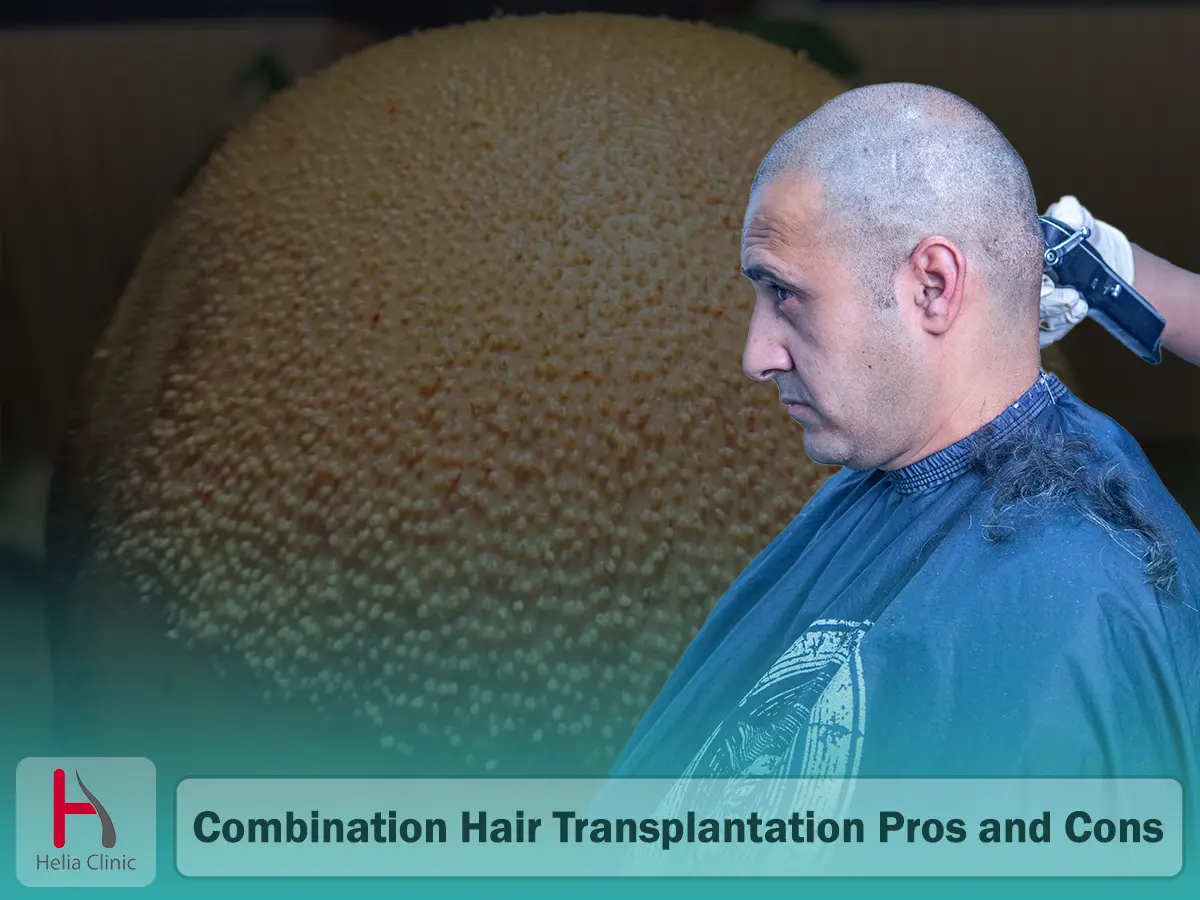
a Hair transplant is possible using various techniques. If you have extensive baldness and are looking for a method to achieve the highest density, combined hair transplant is one of the best options you can consider. In the combined method, as the name suggests, two techniques are merged: FUE and FUT. Different individuals will be candidates for this transplantation method, and the physician will determine its suitability based on the individual’s medical history and condition. In this article, we intend to thoroughly examine this method. Stay with us until the end.
What is combined hair transplantation (FUE + FUT)?
Today, you can witness significant advancements in the field of hair transplantation. One of the notable advancements is the emergence of the combined method. The combined method utilizes two techniques: FUE hair transplant and FUT, each with its own unique characteristics. This method is performed in many clinics, and with a skilled specialist, desirable and ideal results can be achieved.
In FUT & FUE Combined Hair Transplant, follicular units are extracted and transplanted using the FUT technique. However, after the extraction and transplantation, the FUE method is employed to enhance the density of the final outcome. This method can result in high density, making it suitable for individuals experiencing severe hair loss.

Stages of combined hair transplantation
Performing Combined FUE & FUT Treatment requires a specialist to go through various stages. This method can be performed over several sessions to achieve the desired density. In general, the stages of this method can be divided into two categories: extraction and transplantation, with a high level of precision required for each. Additionally, your physician must possess sufficient skill and expertise. The stages of Combining hair transplant technique are as follows:
Stage 1: Extraction and Harvesting of Follicles
After discussing your medical history and obtaining permission for the transplant in consultation sessions with the company and specialist, you can prepare for the grafting process. The first stage begins with the extraction of follicles. To ensure you don’t feel any pain during the extraction, the physician will administer local anesthesia. Once the anesthesia takes effect, a strip-shaped incision will be made on the back of your head.
Since the FUT method involves creating an incision, the area will need to be sutured after the procedure is completed. After the donor area is separated, the physician harvests the required follicles. After extraction, the follicles are prepared under a microscope to undergo the necessary preparation stages. The hair follicles are carefully separated under the microscope to prevent any damage. After their separation, it’s time for the transplantation.
Stage 2: Transplantation of Prepared Follicles
Now, in this stage, it’s time for the transplantation of the follicles. For this purpose, a series of incisions will be made in the recipient area. The prepared grafts are then placed in these openings. The incisions made in the recipient area are linear. To increase density and extract a greater number of grafts, the FUE method can be used.
In this method, the grafts are individually extracted using specialized punches. Once the follicles are extracted individually, they will be transplanted in the frontal or crown area. Since the grafts are extracted with minimal damage in the FUE method, a significant increase in density can be observed. Additionally, it is possible to transplant follicles in between the existing transplanted hair strands.
Why aren’t all individuals candidates for a combined hair transplant method?
Naturally, to perform any hair transplant method, it is necessary to become familiar with suitable and unsuitable candidates. In fact, not everyone has the necessary conditions for a combined hair transplant method. That’s why you should participate in consultation sessions with the company, share your medical history with the specialist, and let the physician determine whether you have the necessary qualifications for a combined transplant or not. In general, the following individuals cannot use the combined method for hair grafting:
- Individuals who are over 70 years old.
- Individuals with a very weak donor area.
- Individuals with a very low donor area density since their problem can usually be addressed with FUE or FUT techniques.
Advantages and disadvantages of a combined hair transplant compared to other methods
Individuals seeking a combined hair transplant method should first become familiar with the advantages and disadvantages that this technique offers. The most important advantages are listed below:
- It can result in very high density at the end of the procedure.
- Depending on the final outcome and the number of grafts extracted, the process can be completed in a suitable timeframe.
- It is possible to extract more than ten thousand grafts in this method and graft them to the recipient areas.
- This method is suitable for individuals suffering from extensive hair loss.
- The likelihood of damage to the grafts is very low, which is why it is considered a safe method.
- This method can be repeated up to three times, resulting in increased density.
Alongside all the advantages, we cannot overlook the existing disadvantages. The possibility of wounds and scarring in the donor area is the primary Side Effects of Hair Transplant to mention, especially in the FUT method where a strip-shaped incision is created at the back of the head. If the specialist’s skill is low, the likelihood of scarring will significantly increase. Additionally, if the transplant is performed in untrustworthy clinics, there is a possibility of infection.
Pre- and Post-Care for Combined Hair Transplant
To achieve the best results from a combined hair transplant, it is important to pay attention to pre- and post-transplant care. Each of these recommendations is crucial and should not be overlooked. Before visiting the clinic for the transplant, consider the following guidelines:
- Avoid consuming alcoholic beverages for one month prior to the procedure.
- If you are taking blood thinners, consult with your physician to discontinue their use two weeks before the transplant.
- Smoking and using hookah are prohibited one month before the transplant.
- Take a shower the night before the procedure to cleanse your hair from any oils and impurities. This will facilitate easier extraction of hair follicles.
- Have a nutritious breakfast on the day of the transplant and wear a button-down shirt when going to the clinic.
Paying attention to post-transplant recommendations is also crucial. Successful hair transplant results depend not only on the skills of the physician but also on your own actions. Prioritize the following points for a successful hair transplant:
- Avoid using blood thinners for two weeks after the transplant.
- Stay away from smoking for one month after the transplant to enhance the healing process.
- Avoid consuming alcoholic beverages for two weeks after the transplant.
- Do not wash your scalp for the first four days after the transplant.
- Wash your hair with shampoos prescribed by the specialist.
- Keep your body hydrated.
- Sleep at a 45-degree angle with the help of neck pillows.
- Avoid scratching the scalp to prevent damage.
Please note that these recommendations may vary depending on the specific instructions provided by your hair transplant specialist.
Cost of Combined Hair Transplant
Since Hair Transplantation Combination involves two techniques, the associated costs are generally higher. However, it is not possible to determine a specific fixed amount. Various factors come into play, causing costs to fluctuate. The question now is, what are the parameters that affect the hair transplant cost? To familiarize yourself with these factors, take a look at the following list:
- Skill level of the specialist physician.
- Quality of services provided at the clinic.
- Scalp coverage area for each individual.
- Number of grafts that need to be harvested.
- Costs associated with medication and cleansing materials.
When are the results of a combined hair transplant determined?
Perhaps the first seven days are the most challenging week following a combined hair transplant. During this period, you need to take good care of your wounds to prevent infection. Additionally, scabs and crusts formed around the grafts will shed during this time. Follicles continue to grow until the third week, but after this period, the transplanted hair goes into a shock phase and starts shedding.
There is no need to worry in such conditions; the shedding shock is a part of the growth process. Around the fourth month, the follicles begin to sprout, and their height does not exceed a few millimeters. By the ninth month, significant hair growth can be observed, allowing for styling. Finally, by the twelfth month, the results of hair transplant are fully visible, and you can make the most of the natural hair.
Durability of Combined Hair Transplant
The most important factor that determines the durability of a method is the skill and expertise of the physician. If your doctor possesses sufficient skills and you also pay attention to post-transplant care, you can witness permanent durability.
In fact, we can say that FUE/FUT Combined Hair Transplant and other techniques are the only solution through which lost hair can be compensated. This method is permanent, and if you don’t encounter any long-term issues, you will benefit from its lasting effects. Some reasons that may cause hair loss after transplantation include:
- Autoimmune diseases.
- Hormonal disorders.
- Physical injuries such as burns.
- Pregnancy and chemotherapy.
Conclusion
Combined hair transplant is considered one of the top techniques that can result in dense hair transplantation. Individuals with extensive scalp coverage and a strong donor area are excellent candidates for this method. If a person doesn’t face significant challenges, they can enjoy the permanent benefits of this transplant technique and maintain their social position within society. The combined method utilizes both FUE and FUT techniques and requires a higher cost compared to some other methods.