
Do Hair Transplants Last Forever? Which Method Lasts Longest?
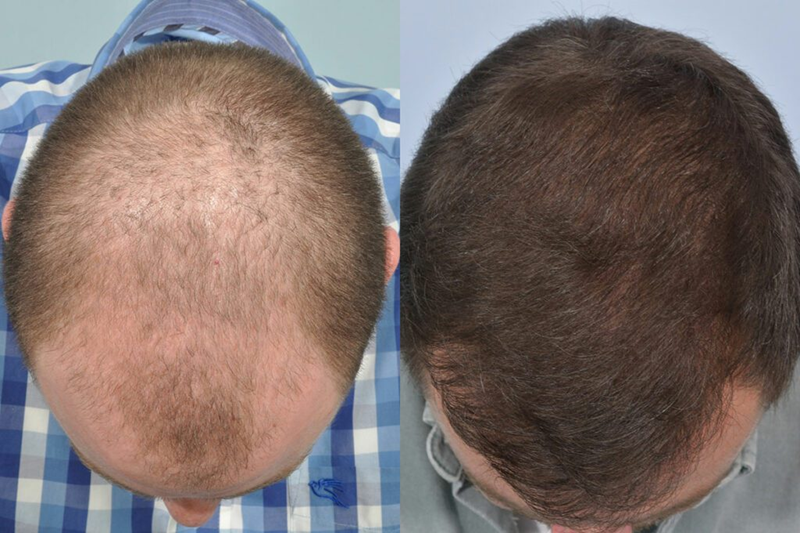
Hair transplants are a popular long-term solution for people experiencing hair loss. However, one common question is whether transplanted hair lasts forever and which technique offers the most durable results.
In many cases, transplanted hair can continue growing for decades and potentially for a lifetime. However, the final appearance depends on donor hair quality, surgical technique, and whether hair loss continues in untreated areas. Understanding these factors can help you choose the right treatment and set realistic expectations.
Do Hair Transplants Last Forever?

Hair transplants can provide permanent hair growth because surgeons usually take follicles from the back or sides of the scalp, where hair is generally more resistant to androgenetic alopecia, also known as pattern hair loss.
After successful transplantation, these follicles can continue producing hair for many years. However, permanent growth does not guarantee that your hair will maintain the same density throughout your life.
Several factors can influence the long-term outcome:
- Donor hair quality: Healthy follicles that are resistant to pattern hair loss can provide more reliable long-term results.
- Surgical technique: Careful extraction, handling, and placement help protect graft survival.
- Progression of hair loss: Untreated hair surrounding the transplanted area may continue to thin.
- Individual health: Certain medical conditions and scalp disorders can affect hair growth.
A well-planned hair transplant should consider both current hair loss and how the condition may progress over time.
Not sure where to start?
Our specialists will assess your scalp biology, graft capacity, and aesthetic goals to create a hair restoration protocol designed entirely for you — from your first consultation onward.

Which Hair Transplant Method Lasts the Longest?
The two main modern hair transplant techniques are Follicular Unit Extraction (FUE) and Follicular Unit Transplantation (FUT). Both relocate hair follicles from a donor area to regions affected by thinning or baldness.
Neither technique is universally proven to last longer than the other. Both can produce long-lasting results when performed appropriately. The main differences involve how follicles are harvested, the type of scarring, and their suitability for individual patients.
| Feature | FUE | FUT | Hair Plugs |
|---|---|---|---|
| Technique | Individual follicular units are extracted | A strip of scalp is removed and divided into grafts | Larger grafts containing multiple hairs |
| Scarring | Multiple small scars | One linear scar | Scarring may be more noticeable |
| Appearance | Can look natural | Can look natural | May appear unnatural or patchy |
| Longevity | Potentially lifelong | Potentially lifelong | Hair growth may persist long-term |
| Current use | Modern technique | Modern technique | Older, largely outdated technique |
The best option depends on donor hair density, scalp characteristics, the extent of hair loss, and treatment goals. An experienced hair restoration surgeon can assess these factors before recommending a technique.
FUE Hair Transplant
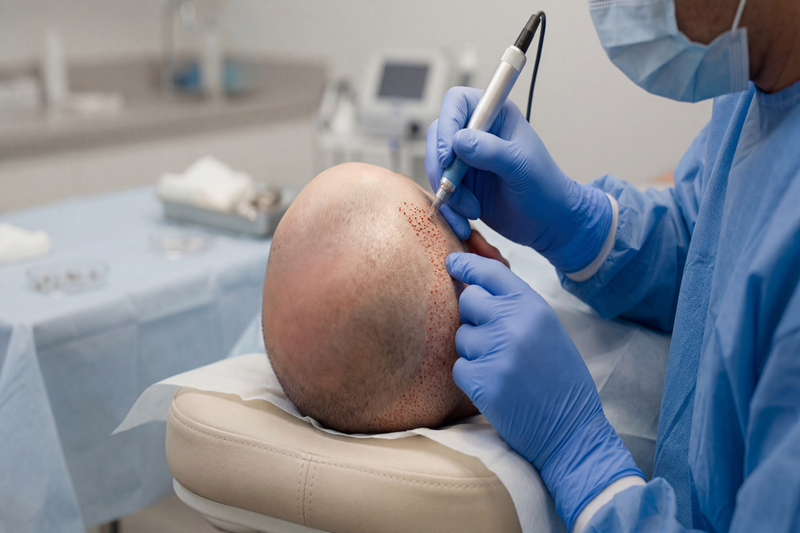
FUE involves extracting individual follicular units from the donor area and implanting them into thinning or bald regions. It does not require removing a strip of scalp, so it avoids the linear scar associated with FUT.
FUE can provide lasting results when healthy follicles are successfully transplanted. However, the technique does not prevent further thinning of untreated hair.
FUT Hair Transplant
FUT involves removing a narrow strip of scalp and separating it into individual follicular units for transplantation. It leaves a linear scar but may be suitable for patients who need a substantial number of grafts.
Like FUE, FUT can provide long-term hair growth. The choice between the two should be based on individual suitability rather than the assumption that one method always lasts longer.
For further information, the American Academy of Dermatology’s guide to hair transplants explains how modern transplantation techniques work and what patients can expect.
Does FUE Hair Transplant Last Forever?
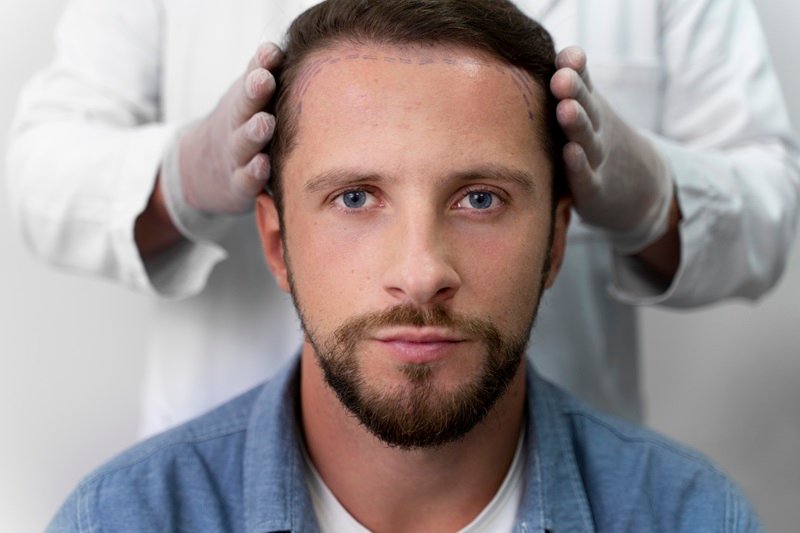
People searching for does fue hair transplant last forever generally want to know whether they can expect permanent results without needing another procedure.
FUE can provide permanent hair growth because transplanted follicles generally retain many of the characteristics of their original donor area. Once the grafts establish themselves, they can continue producing hair for many years.
However, not every transplanted follicle is guaranteed to survive permanently. Surgical factors, individual healing, and the characteristics of the recipient area can influence the outcome.
Another important consideration is the hair surrounding the transplanted area. If natural hair continues to thin, the contrast between transplanted and untreated areas may become more noticeable. This does not necessarily mean the transplant has failed.
A qualified specialist can assess your donor area, discuss realistic expectations, and develop a treatment plan that accounts for future hair loss.
Do Hair Plugs Last Forever?
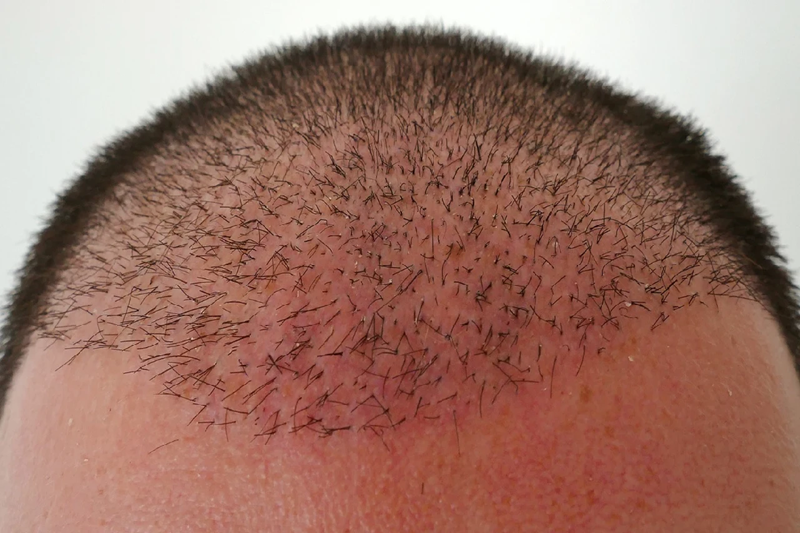
The question do hair plugs last forever refers to an older hair restoration technique that used relatively large grafts containing multiple hair follicles.
Hair plugs may continue producing hair for many years because the transplanted follicles can retain their donor-area characteristics. However, lasting hair growth does not necessarily mean the cosmetic result will remain satisfactory.
Older techniques often created a doll-like or patchy appearance because the grafts were larger and less similar to natural follicular groupings. Modern techniques use smaller follicular units and more careful hairline design to achieve a more natural appearance.
People with older hair plugs may be candidates for corrective treatment, depending on their existing scars, donor hair availability, and scalp condition. A specialist can evaluate whether additional transplantation or another approach is appropriate.
What Can Affect Hair Transplant Results Over Time?
Even when transplanted follicles continue growing, several factors can influence the overall appearance of the results.
1. Continued hair loss: Pattern hair loss may progress in untreated areas, reducing overall density and potentially creating gaps around the transplanted hair.
2. Donor hair limitations: The quantity and quality of available donor follicles determine how much coverage can be achieved and whether additional procedures may be possible.
3. Surgical planning: Appropriate graft placement and a hairline designed for the patient’s age and facial features can help maintain a natural appearance over time.
4. Individual health: Certain medical conditions, scalp disorders, and nutritional deficiencies may contribute to hair loss. Persistent or unexplained shedding should be evaluated by a healthcare professional.
How Can You Maintain Hair Transplant Results?

Although no approach guarantees lifelong hair density, practical steps can support recovery and help preserve the appearance of transplanted hair.
- Follow postoperative instructions: Protect the scalp during recovery and follow your surgeon’s guidance on washing and physical activity.
- Attend follow-up appointments: Monitoring allows your clinician to assess healing and identify potential complications.
- Discuss ongoing hair loss treatment: Depending on your diagnosis, a clinician may recommend medication to help slow the thinning of existing hair.
- Maintain a balanced diet: Address confirmed nutritional deficiencies with appropriate medical guidance rather than taking supplements unnecessarily.
- Avoid smoking around surgery: Smoking can impair wound healing, so follow your surgeon’s advice about avoiding it before and after the procedure.
These measures cannot prevent every cause of hair loss, but they can support recovery and help maintain a healthy scalp.
How Long Does It Take to See Hair Transplant Results?
Hair transplant results develop gradually. During the first few weeks, the transplanted hair shafts commonly shed. This is an expected part of recovery and does not necessarily mean the follicles have been lost.
New growth often becomes noticeable around three to four months after surgery. More visible improvement develops over the following months, and results are commonly assessed around 12 months. Some patients, particularly those receiving crown transplantation, may need 12 to 18 months to see the full result.
Your surgeon can monitor progress and advise you if shedding, inflammation, or other symptoms appear unusual.
Not sure where to start?
Our specialists will assess your scalp biology, graft capacity, and aesthetic goals to create a hair restoration protocol designed entirely for you — from your first consultation onward.
Frequently Asked Questions
Can a hair transplant last 20 years?
Yes. Transplanted follicles can continue producing hair for 20 years or longer and potentially for life. However, surrounding natural hair may continue thinning, changing the overall appearance.
Will I need another hair transplant in the future?
Not everyone needs another procedure. Some patients may consider additional treatment if hair loss progresses or they want greater coverage. The decision depends on donor hair availability, existing results, and an individualized assessment.
Can transplanted hair become thin over time?
Yes. Although transplanted follicles are generally more resistant to pattern hair loss, their appearance can change with aging or certain medical conditions. The surrounding untreated hair may also become thinner, affecting overall density.
Conclusion
Hair transplants can provide long-lasting and potentially lifelong hair growth, but permanent results do not guarantee unchanged density throughout life. Both FUE and FUT can offer lasting outcomes, while older hair plugs may retain hair growth without providing the natural appearance associated with modern techniques.
The best long-term results depend on donor hair quality, appropriate surgical planning, and management of ongoing hair loss. Consulting an experienced hair restoration specialist can help you choose a suitable approach and establish realistic expectations.
Related Articles
Continue exploring clinical insights from the Helia Medical Journal.
 Hair Restoration & Hair Transplant
Hair Transplant Expectations: What’s Real and What’s Not?
Table of ContentsWhat Can You Realistically Expect From a Hair Transplant?Hair Transplant Expectations: Myth vs. RealityMyth 1: A Hair Transplant Guarantees a Full Head of HairMyth 2: Results…
 Hair Restoration & Hair Transplant
Wearing Hat After Hair Transplant: When Is It Safe?
Table of ContentsCan You Wear a Hat After Hair Transplant?Timeline for Wearing HatsWhat Type of Hat Is Best After a Hair Transplant?Can Wearing a Hat Dislodge Hair Transplant…
 Hair Restoration & Hair Transplant
Exercise After Hair Transplant: When Can You Work Out?
Table of ContentsWhen Can You Exercise After a Hair Transplant?Exercise After Hair Transplant: Recovery TimelineDays 1–7: Light WalkingWeek 2: Gradually Resume Light CardioAround Week 3: Return to More…
Comments
Share your questions or clinical experience with our readers.