
When Can You Swim After a Hair Transplant?
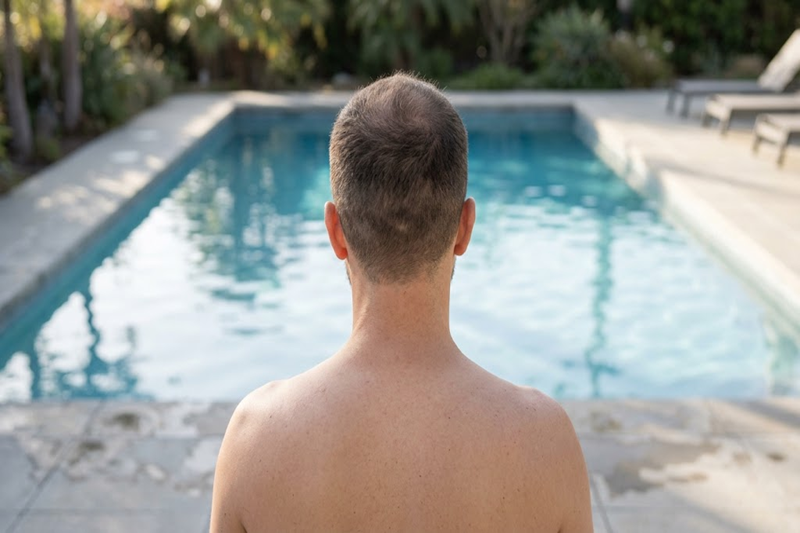
Swimming after a hair transplant requires patience while the scalp heals. Pool chemicals, microorganisms in natural water, and friction can irritate healing skin, so returning to swimming too early is not recommended.
Many hair transplant clinics advise waiting around two to four weeks before swimming. However, the appropriate timing depends on your healing progress and your surgeon’s instructions. Wait until your scalp has healed sufficiently and your surgeon confirms that it is safe to swim.
How Long Should You Wait to Swim After a Hair Transplant?

In many cases, swimming can resume around two to four weeks after a hair transplant. However, this is a general guideline, not a fixed deadline for every patient.
During the early recovery period, the recipient area contains small healing sites that need time to recover. Swimming too early may expose the scalp to irritants and microorganisms. Rubbing the scalp, diving, or contact with waves may also disturb healing skin.
source: International Expert Consensus Statement on Hair Transplantation Care.
The following table provides a general guide to swimming after a hair transplant.
| Swimming Activity | General Guidance | Main Consideration |
|---|---|---|
| Swimming pool | Often 2–4 weeks or longer | Chlorine and water quality |
| Sea swimming | Often 2–4 weeks or longer | Salt, microorganisms, and sun exposure |
| Lakes and rivers | Wait for medical clearance | Water contamination |
| Diving and vigorous water sports | Resume only when cleared | Impact and friction |
These timeframes are general estimates. Your surgeon may recommend a longer recovery period depending on your procedure and healing progress.
Not sure where to start?
Our specialists will assess your scalp biology, graft capacity, and aesthetic goals to create a hair restoration protocol designed entirely for you — from your first consultation onward.
Is It Safe to Swim in a Pool or the Sea After a Hair Transplant?
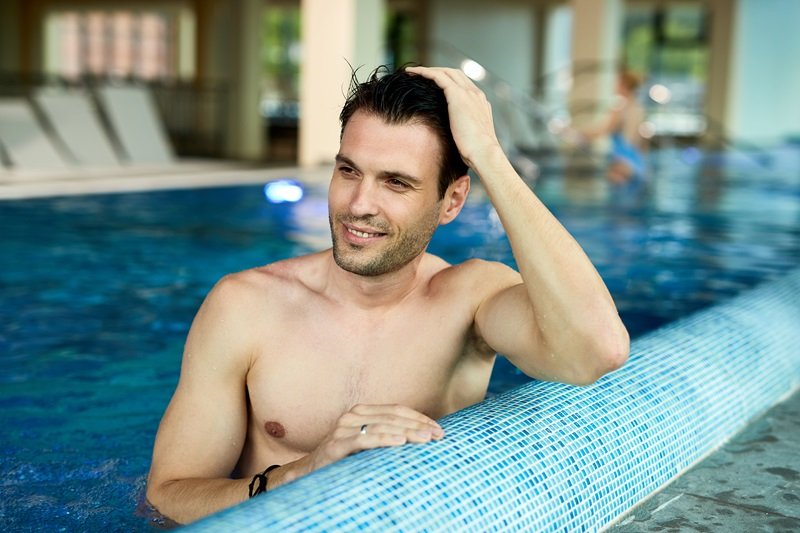
The type of water matters because different environments can expose a healing scalp to different risks.
Swimming in a Pool
Chlorine and other pool chemicals may irritate sensitive skin that has not fully healed. Pool water can also contain microorganisms, even when the pool is properly maintained.
Wait until your surgeon confirms that your scalp has healed sufficiently before returning to a chlorinated pool.
Swimming in the Sea
Seawater contains salt and may contain microorganisms that can affect healing skin. Beach activities also involve sun exposure, sand, and friction, which can make scalp care more difficult during recovery.
Avoid sea swimming until your surgeon gives you clearance. Once you return, protect your scalp from direct sunlight according to your aftercare instructions.
Swimming in Lakes and Rivers
Water quality in lakes and rivers can vary, and some locations may contain harmful microorganisms. Avoid swimming in these environments while your scalp is healing.
Even after the initial recovery period, check with your surgeon if you are unsure whether the water is safe.
What Happens If You Swim Too Soon After a Hair Transplant?
Swimming before the scalp has healed may increase the risk of complications.
- Scalp irritation: Chlorine, salt, and other substances may cause discomfort or redness.
- Infection: Contaminated water may expose healing skin to microorganisms.
- Healing problems: Friction, scratching, or impact may aggravate the recipient area.
If you have already gone swimming, avoid rubbing or scratching your scalp and follow your aftercare instructions. Contact your clinic if you develop increasing redness, pain, swelling, unusual discharge, or fever.
How to Protect Your Hair Transplant When You Return to Swimming?
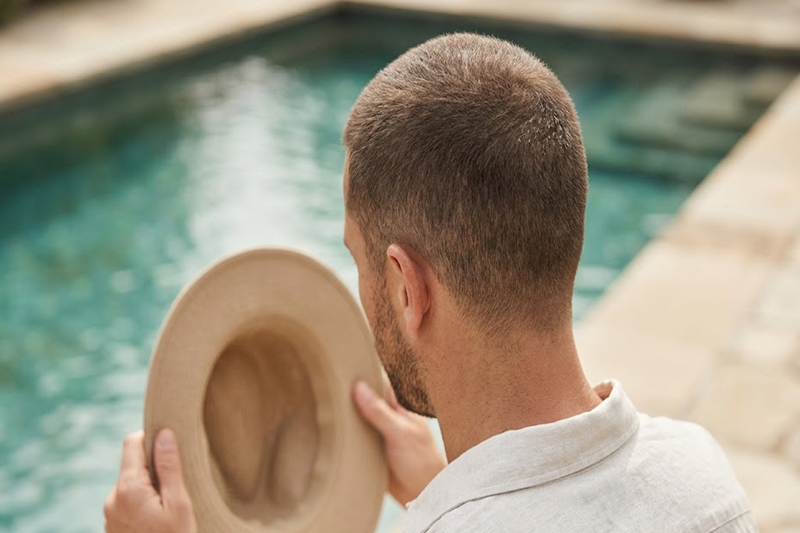
Once your surgeon confirms that swimming is safe, a few precautions can help protect your scalp.
- Start gradually: Keep your first swimming sessions gentle and avoid diving or rough water.
- Avoid rubbing your scalp: Be gentle when washing or drying your hair.
- Follow your aftercare instructions: Use the shampoo and washing technique recommended by your clinic, and follow its advice on scalp protection and sun exposure.
These precautions can help you return to your usual activities without unnecessarily irritating the healing scalp.
Not sure where to start?
Our specialists will assess your scalp biology, graft capacity, and aesthetic goals to create a hair restoration protocol designed entirely for you — from your first consultation onward.
Frequently Asked Questions
Can I swim 10 days after a hair transplant?
Ten days may be too early for swimming, particularly if scabs remain or the scalp has not fully healed. Follow your surgeon’s specific instructions before entering a pool or natural body of water.
Can I swim two weeks after a hair transplant?
Some patients may be advised to wait longer than two weeks. Do not rely on the calendar alone; your scalp’s healing progress and your surgeon’s approval should determine when you can swim.
Can chlorine damage transplanted hair?
Chlorine is mainly a concern because it may irritate a healing scalp. Once the scalp has recovered, swimming is generally less concerning for the transplanted grafts.
Conclusion
Swimming after a hair transplant is generally postponed for around two to four weeks, although some patients may need more time. Pool water, seawater, and freshwater each present potential concerns during early healing.
Follow your surgeon’s aftercare instructions and wait for medical clearance before swimming. Allowing your scalp enough time to recover can help reduce avoidable complications and protect your hair transplant results.
Related Articles
Continue exploring clinical insights from the Helia Medical Journal.
 Patient Guides
Is a Hair Transplant Worth It? Long-Term Cost vs Results Analysis
Table of ContentsIs a Hair Transplant Worth It in the Long Run?What Determines the Long-Term Value of a Hair Transplant?Longevity of the Transplanted HairThe Quality of the Final…
 Patient Guides
10 Questions to Ask Before Choosing a Hair Transplant Clinic
Table of Contents10 Critical Questions to Ask Before Choosing a Hair Transplant Clinic in Dubai1. Is the Hair Transplant Performed by a Qualified Hair Surgeon?2. Is the Doctor…
Comments
Share your questions or clinical experience with our readers.