
Hair Transplant Recovery Day by Day: The First ١٤ Days



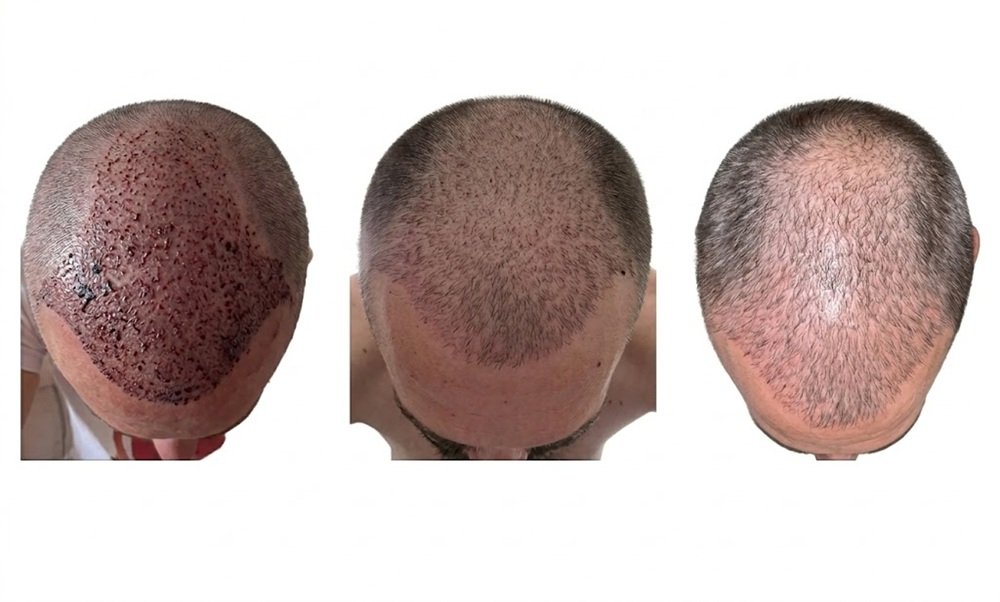
يتطلب التعافي من زراعة الشعر عناية لاحقة دقيقة، خاصة خلال الأسبوعين الأولين. من التورم والقشور إلى غسل الفروة وقيود النشاط، معرفة ما تتوقعه تساعدك على حماية الطعوم المزروعة حديثاً ودعم الشفاء السليم.
يغطي هذا الدليل الأيام الـ١٤ الأولى من التعافي بعد زراعة الشعر، وما يُفعل وما يُتجنب، وعلامات التحذير التي تستدعي اهتماماً طبياً.
التعافي بعد زراعة الشعر يوماً بيوم: تقويم ١٤ يوماً
يختلف التعافي حسب تقنية الزراعة والشفاء الفردي وتعليمات جرّاحك. يقدّم الجدول التالي نظرة عامة.
| Day | ما الذي تتوقعه | العناية الموصى بها |
|---|---|---|
| اليوم ١ | احمرار خفيف وألم خفيف وتورم محتمل. | احمِ الطعوم واتبع تعليمات العيادة للعناية اللاحقة. |
| اليوم ٢ | قد يظهر تورم في الجبهة أو الجفن. | نم ورأسك مرتفع إن وُصي بذلك. تجنب لمس الطعوم. |
| اليوم ٣ | قد يستمر التورم، بينما قد يبقى شد الفروة أو الانزعاج. | واصل الدواء الموصوف والعناية المعتمدة بالفروة. |
| اليوم ٤ | قد تظهر قشور صغيرة حول الطعوم. | اتبع تعليمات العيادة للغسل. تجنب الحك. |
| اليوم ٥ | قد يبقى الاحمرار والقشور. | حافظ على نظافة الفروة باستخدام التقنية الموصى بها. |
| اليوم ٦ | يستمر الشفاء المبكر، رغم أن الفروة قد تبقى حساسة. | تجنب الاحتكاك والضغط والنشاط البدني الشاق. |
| اليوم ٧ | اكتمل الأسبوع الأول، لكن الفروة ما زالت تشفى. | واصل العناية اللطيفة واحمِ المنطقة المزروعة. |
| اليوم ٨ | قد تبدأ القشور بالارتخاء مع العناية المناسبة. | لا تلتقط القشور ولا تزِلها بالقوة أبداً. |
| اليوم ٩ | قد يستمر الحكة أو الجفاف أو احمرار خفيف. | واصل الغسل المعتمد وتجنب الحك. |
| اليوم ١٠ | قد يتحسن انزعاج الفروة تدريجياً. | اتبع تعليمات جرّاحك بشأن النشاط والتنظيف. |
| اليوم ١١ | قد يبدأ التقشّر والاحمرار بالتراجع. | حافظ على نظافة الفروة دون فرك الطعوم. |
| اليوم ١٢ | يتقدم الشفاء المبكر، لكن الحساسية قد تبقى. | واصل العناية اللاحقة وتجنب المنتجات المهيجة. |
| اليوم ١٣ | قد تبدو الفروة وتُحس أكثر راحة. | احمِ الجلد الذي يشفى من التعرض المباشر للشمس. |
| اليوم ١٤ | اكتمل الأسبوعان الأولان، لكن التعافي الكامل يستمر. | أكّد أي تغييرات على روتين العناية اللاحقة مع عيادتك. |
هذا التقويم دليل عام. تعليمات جرّاحك لها الأولوية.
لست متأكدًا من أين تبدأ؟
سيقيم متخصصونا بيولوجيا فروة رأسك، وسعة الطعوم، وأهدافك الجمالية لوضع بروتوكول استعادة شعر مصمم خصيصًا لك — بدءًا من استشارتك الأولى فصاعدًا.
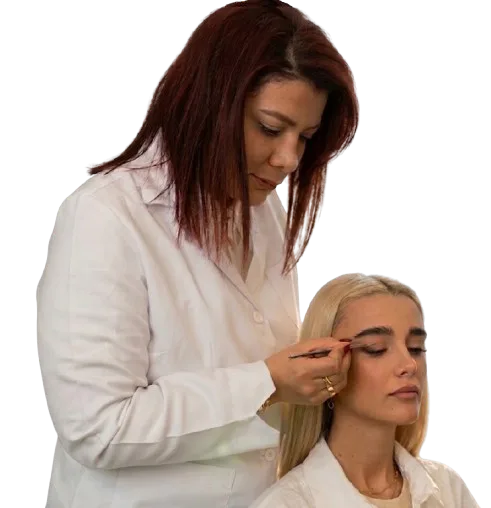
الأيام ١–٣: احمِ الطعوم المزروعة
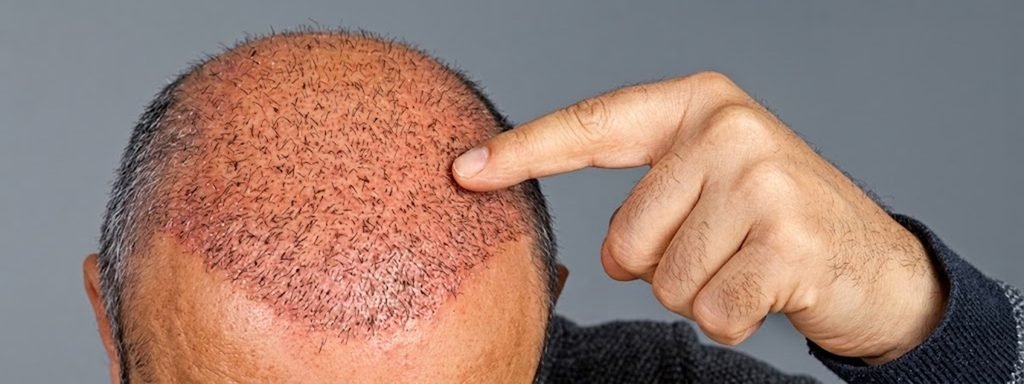
The first three days focus on protecting the newly implanted grafts and managing early swelling or discomfort.
Do’s
- Follow your surgeon’s post-operative instructions.
- Take prescribed medication as directed.
- Sleep in the recommended position.
- Avoid touching, rubbing, or scratching the recipient area.
- Follow your clinic’s instructions for saline spray and washing.
Don’ts
- Do not press the transplanted area against a pillow.
- Avoid strenuous exercise and heavy lifting.
- Do not apply unapproved products to the scalp.
- Avoid scratching or repeatedly touching the grafts.
Swelling around the forehead or eyes can occur after surgery. Contact your clinic if swelling becomes severe or is accompanied by concerning symptoms.
Days ٤–٧: Washing and Crusting
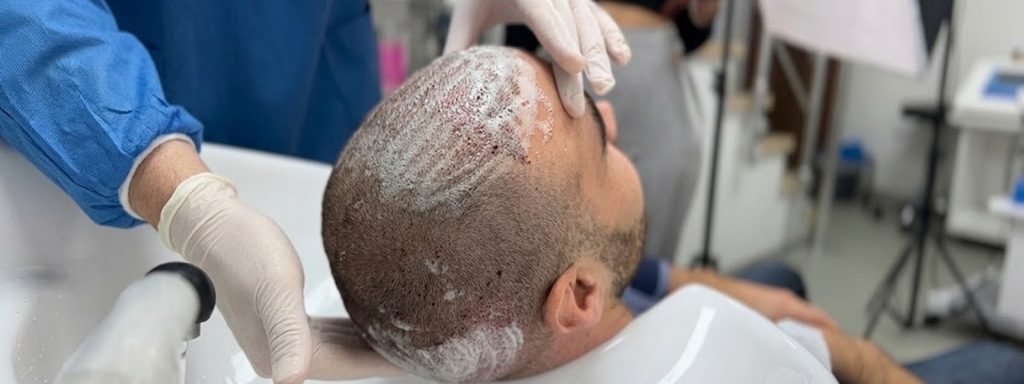
During the first week, crusts may form around transplanted follicles. Mild itching, redness, and scalp sensitivity are also possible.
How to Care for Your Scalp
- Wash your scalp according to your clinic’s instructions.
- Use only approved products.
- Avoid rubbing or scratching the recipient area.
- Do not pick or forcibly remove crusts.
- Avoid swimming, saunas, and strenuous exercise until your surgeon permits them.
When can you wash your hair?
The timing and method of washing depend on your procedure and clinic protocol. Follow the specific instructions provided by your surgeon rather than applying a universal schedule.
Days ٨–١٠: Managing Scabs and Itching
During this stage, some patients notice less swelling and discomfort. Crusting may begin to loosen through the recommended washing routine.
Itching can occur during healing, but scratching the recipient area may damage the skin or interfere with recovery.
What to Do
- Continue gentle scalp cleansing as instructed.
- Avoid picking at crusts.
- Protect the scalp from friction.
- Follow your surgeon’s advice about exercise and daily activities.
- Contact your clinic if symptoms worsen instead of improving.
The scalp’s appearance during this stage does not indicate the final hair transplant result. Temporary shedding may occur in the weeks following surgery.
Days ١١–١٤: Completing the First Two Weeks
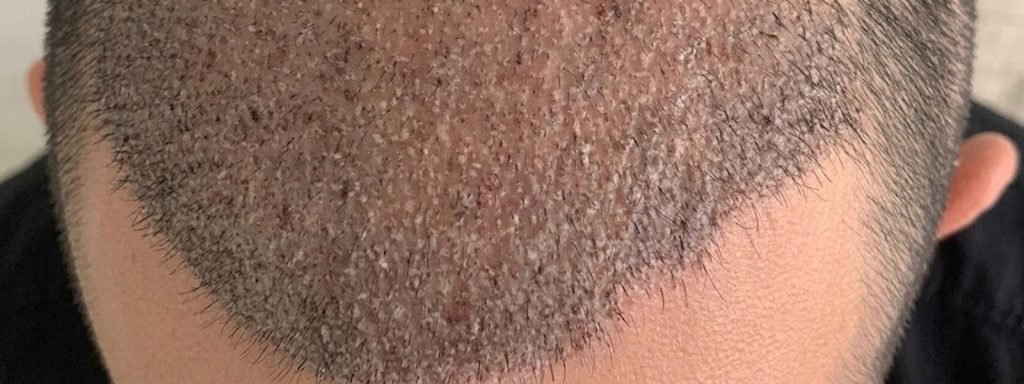
By the end of the second week, early healing may be progressing, although the scalp can still be sensitive.
Continue your approved aftercare routine and ask your surgeon when you can safely resume activities such as strenuous exercise, swimming, and wearing helmets.
Important: Completing ١٤ days does not mean that every patient has fully healed. Recovery continues beyond the initial two weeks.
Hair Transplant Recovery Do’s and Don’ts Checklist
Do’s
- Follow your surgeon’s aftercare instructions.
- Take prescribed medication as directed.
- Wash your scalp using the approved technique.
- Protect transplanted grafts from friction and pressure.
- Attend scheduled follow-up appointments.
- Rest adequately and maintain normal hydration.
Don’ts
- Do not scratch or pick the recipient area.
- Do not remove scabs forcefully.
- Avoid strenuous exercise until cleared.
- Do not use unapproved scalp products.
- Avoid excessive sun exposure during healing.
- Do not ignore worsening or unusual symptoms.
Critical Warning Signs After a Hair Transplant
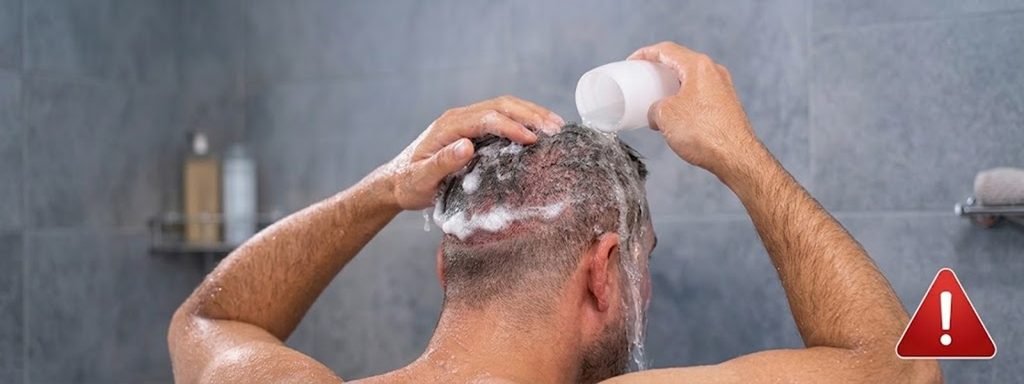
Some redness, swelling, and discomfort may be part of normal recovery. However, certain symptoms require prompt medical assessment.
Contact Your Hair Transplant Clinic If You Experience:
- Increasing or severe scalp pain.
- Worsening redness or swelling.
- Pus or unusual discharge.
- Persistent fever.
- Excessive bleeding.
- Sudden or significant swelling.
- Any unexpected symptoms that concern you.
Seek urgent medical care for severe symptoms or signs of a serious infection. Do not wait for your next routine appointment.
لست متأكدًا من أين تبدأ؟
سيقيم متخصصونا بيولوجيا فروة رأسك، وسعة الطعوم، وأهدافك الجمالية لوضع بروتوكول استعادة شعر مصمم خصيصًا لك — بدءًا من استشارتك الأولى فصاعدًا.
When Are Hair Transplant Grafts Secure?
Newly transplanted grafts require careful protection during the early healing period. The risk of disturbing grafts decreases as healing progresses, but the exact timeline depends on the procedure and individual recovery.
Follow your surgeon’s instructions regarding:
- Washing and scalp massage.
- Sleeping positions.
- Exercise and heavy lifting.
- Hats and helmets.
- Swimming and other activities that may affect the healing scalp.
الأسئلة الشائعة
١. How long does hair transplant recovery take?
The initial healing period generally focuses on the first two weeks, but complete scalp recovery and visible hair growth take longer. Most patients need several months before seeing substantial growth, and final results may take ١٢ months or more, depending on the individual.
٢. When can I wash my hair after a hair transplant?
The timing varies depending on the transplant technique and your surgeon’s protocol. Follow your clinic’s specific washing instructions to avoid disturbing the grafts.
٣. Is swelling normal after a hair transplant?
Mild swelling can occur during the early recovery period, particularly around the forehead. Severe, worsening, or unexpected swelling should be reported to your medical team.
٤. When can I exercise after a hair transplant?
The recommended timeline varies depending on the procedure and your surgeon’s instructions. Avoid strenuous exercise until you receive clearance, as physical activity and sweating may affect early recovery.
٥. Does transplanted hair fall out after surgery?
Temporary shedding of transplanted hair can occur during the weeks following surgery. New hair growth develops later, and the final result takes time to become visible.
Conclusion
Following a hair transplant recovery day by day helps you understand the healing process and protect your newly transplanted grafts. During the first ١٤ days, focus on gentle scalp care, follow your surgeon’s instructions, and recognize warning signs that require medical attention.
إذا كنت تفكر في زراعة الشعر, consulting an experienced hair restoration team can help you understand the procedure, recovery timeline, and personalized aftercare recommendations.
مقالات ذات صلة
واصل استكشاف الرؤى السريرية من المجلة الطبية لهليا.
 استعادة وزراعة الشعر
Warning: Undefined array key 0 in /home/u257547261/domains/helia.clinic/public_html/wp-content/themes/helia-clinic/single.php on line 456
٠ ٠ • ٦ دقيقة قراءة
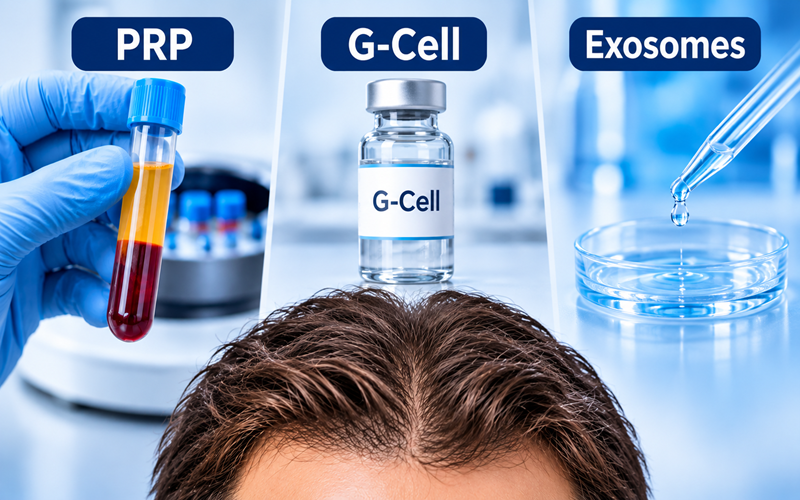
PRP vs G-Cell vs Exosomes: Which One Really Works?
Hair loss treatments have evolved beyond traditional approaches, with regenerative procedures offering new ways to support existing hair follicles. PRP, G-Cell, and exosome therapy are three options that target hair thinning through different biological processes. But which one delivers better…
 استعادة وزراعة الشعر
Warning: Undefined array key 0 in /home/u257547261/domains/helia.clinic/public_html/wp-content/themes/helia-clinic/single.php on line 456
٠ ٠ • ٨ دقيقة قراءة
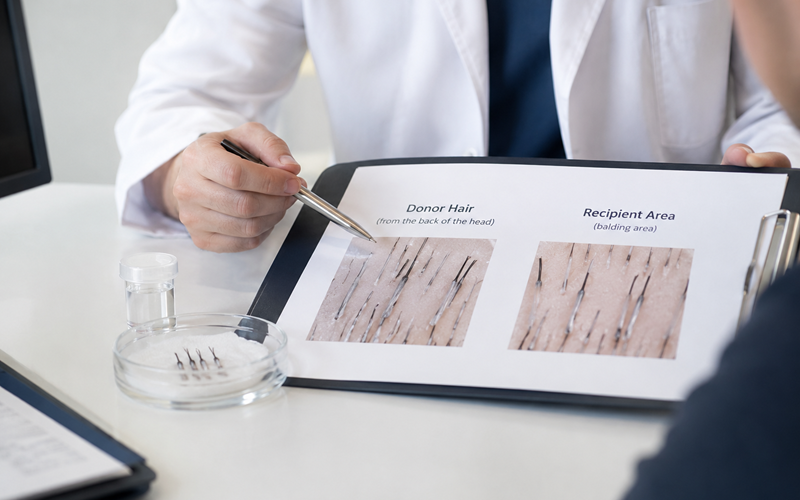
Donor Hair From Another Person: Is It Possible?
People experiencing advanced hair loss may wonder whether a family member, partner, or friend can donate hair follicles for transplantation. This question is particularly relevant when the patient's own donor area cannot provide enough grafts to achieve the desired coverage.…
 استعادة وزراعة الشعر
Warning: Undefined array key 0 in /home/u257547261/domains/helia.clinic/public_html/wp-content/themes/helia-clinic/single.php on line 456
٠ ٠ • ٧ دقيقة قراءة
هل تدوم زراعة الشعر للأبد؟ أي تقنية تدوم أطول؟
Hair transplants are a popular long-term solution for people experiencing hair loss. However, one common question is whether transplanted hair lasts forever and which technique offers the most durable results. In many cases, transplanted hair can continue growing for decades…
التعليقات
شارك أسئلتك أو تجربتك السريرية مع قرائنا.