
Revision Rhinoplasty in Dubai
Revision rhinoplasty, also known as secondary rhinoplasty, is performed to address concerns that remain after a previous nose surgery or to make further aesthetic or functional changes to the nose. Because the nasal structures may have already been altered, revision surgery requires careful assessment and individualized planning.
At Helia, Revision Rhinoplasty in Dubai begins with an evaluation of your current nasal structure, previous surgery, functional concerns, and aesthetic goals. Your surgeon can explain the available options, expected recovery, and potential limitations before treatment.
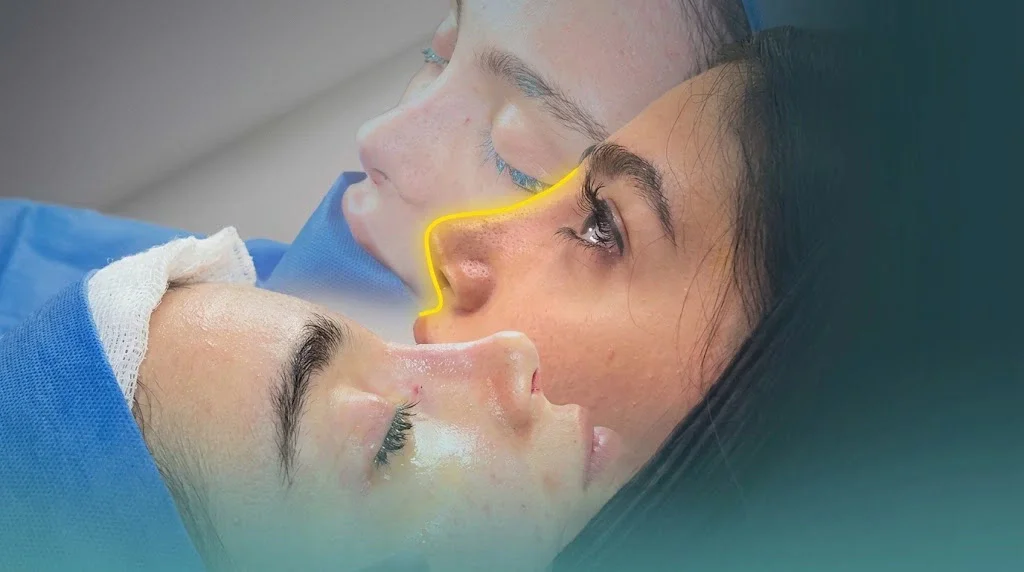
What Is Revision Rhinoplasty?
Revision rhinoplasty is a secondary nose surgery performed after a previous rhinoplasty. It may be considered when a patient has concerns about the appearance, structure, symmetry, or function of the nose following an earlier procedure.
The surgical plan depends on the changes that need to be addressed and the condition of the nasal tissues.
Why Is Revision Rhinoplasty Needed?
Patients may consider revision rhinoplasty for different reasons, including:
- Changes in the shape or proportions of the nose
- Nasal asymmetry
- Concerns that remained after the initial surgery
- Changes that developed during the healing process
- Nasal obstruction or breathing difficulties
- Structural issues following previous surgery
The appropriate approach depends on the underlying concern and the individual's nasal anatomy.
Who May Be a Candidate for Revision Rhinoplasty?
Revision rhinoplasty may be considered for adults who have undergone previous nose surgery and remain concerned about the appearance or function of their nose.
Your surgeon will consider your medical history, previous procedure, current nasal structure, healing, and treatment goals. Having realistic expectations is also an important part of deciding whether further surgery is appropriate.
What Does Revision Rhinoplasty Involve?
The surgical technique depends on the changes required. Revision rhinoplasty may involve reshaping existing nasal structures, improving structural support, correcting asymmetry, or addressing concerns that affect nasal airflow.
In some cases, additional cartilage or other structural support may be needed. Your surgeon will determine the appropriate technique after assessing your nose and reviewing your previous surgical history.
Revision Rhinoplasty for Breathing Problems
Revision rhinoplasty can address functional concerns as well as aesthetic ones. Some patients seek secondary surgery because they experience nasal obstruction or difficulty breathing after a previous procedure.
When breathing problems are related to structural issues, the surgical plan may focus on improving nasal support and airflow. If both functional and aesthetic concerns are present, they may be addressed as part of the same treatment plan when appropriate.
Is Revision Rhinoplasty More Complex?
Revision rhinoplasty can be more complex than primary rhinoplasty because the nose has already undergone surgery. Scar tissue, changes to the nasal framework, and limited availability of cartilage may affect the surgical approach.
For this reason, revision procedures require careful evaluation and realistic treatment planning. Your surgeon can explain the specific factors that may affect your procedure during the consultation.
What Happens During a Revision Rhinoplasty Consultation?
Your consultation allows your surgeon to understand your concerns and assess the current condition of your nose.
The consultation may include:
1. Reviewing your previous surgery
Your surgical history and any previous procedures are discussed.
2. Assessing your nose
Your surgeon evaluates the external and internal nasal structure.
3. Discussing your goals
You can explain the aesthetic or functional changes you would like to address.
4. Reviewing treatment options
Your surgeon explains the possible surgical approach based on your individual case.
5. Discussing risks and recovery
You receive information about potential risks, healing, and aftercare.
Revision Rhinoplasty Recovery
Recovery varies depending on the complexity of the procedure and the extent of structural changes required.
Swelling, bruising, tenderness, and temporary nasal congestion may occur during the early recovery period. As healing progresses, swelling gradually decreases and the appearance of the nose becomes more defined.
Your surgeon will provide procedure-specific aftercare instructions and explain when you can gradually return to your usual activities.
Book a Revision Rhinoplasty Consultation
Discuss your nasal history, concerns, and goals with Helia specialists to explore whether revision rhinoplasty may be appropriate for you.

Revision Rhinoplasty Cost in Dubai
The cost of revision rhinoplasty in Dubai varies depending on factors such as the complexity of the surgery, extent of correction, surgical technique, anesthesia, facility fees, and individual treatment requirements.
Because every revision case is different, a consultation is necessary to determine the appropriate surgical approach and provide a more accurate cost estimate.
Choosing a Revision Rhinoplasty Surgeon
When researching the Best Revision Rhinoplasty in Dubai, consider the surgeon's experience with secondary rhinoplasty, approach to treatment planning, and ability to address both aesthetic and functional concerns.
A detailed consultation should also give you the opportunity to understand the proposed procedure, potential limitations, recovery, and expected outcomes before deciding to proceed.
الأسئلة الشائعة
Book Your Revision Rhinoplasty Consultation in Dubai
If you are considering Revision Rhinoplasty in Dubai after a previous nose surgery, a professional consultation can help you understand your options and determine whether further treatment may be appropriate.
At Helia, your treatment plan is developed according to your current nasal structure, previous surgical history, functional concerns, and aesthetic goals.