
High Density Hair Transplant: Is It Right for You?
تزداد شعبية زراعة الشعر عالية الكثافة لتحقيق مظهر أكثف طبيعي. يحمل متوسط فروة الرأس ٨٠–١٠٠ وحدة جريبية في السنتيمتر المربع، وهو معيار للتخطيط. يوضح المقال طرق قياس كثافة الشعر الدقيقة، بما في ذلك العد اليدوي والأدوات الرقمية مثل تنظير الشعر. كما يسلّط الضوء على عوامل رئيسية تؤثر في الكثافة الممكنة، مثل توافر شعر المنطقة المانحة ومرونة الفروة وخصائص الشعر وخبرة الجرّاح.



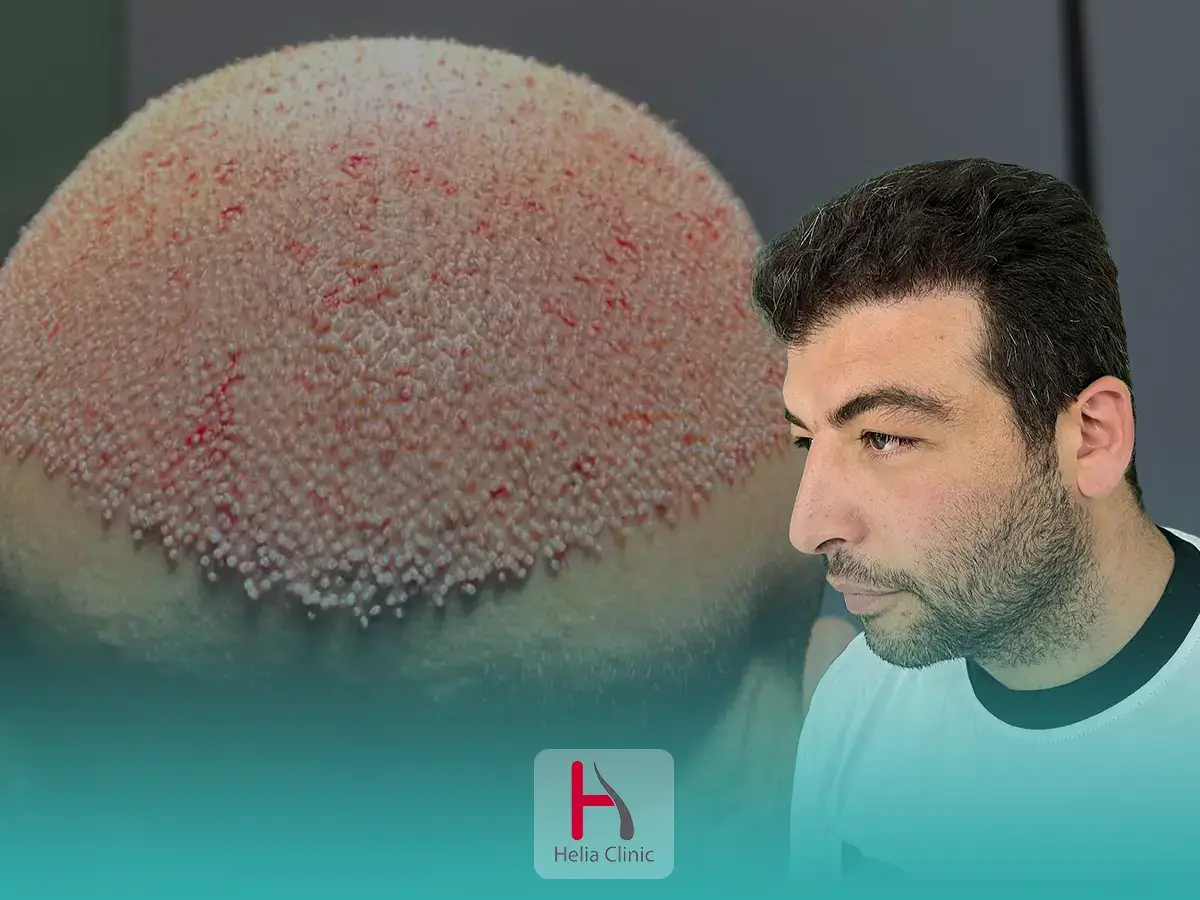
Hair thinning and baldness can affect both hair coverage and overall appearance. For people seeking fuller hair, a High Density Hair Transplant may offer a way to restore coverage in selected areas of the scalp. This approach focuses on strategic graft placement to create a denser appearance while maintaining a natural hairline. However, the results depend on several factors, including donor hair quality, scalp condition, hair characteristics, and the extent of hair loss. Understanding these considerations can help determine whether high-density hair restoration is a suitable option.
What Is a High Density Hair Transplant?
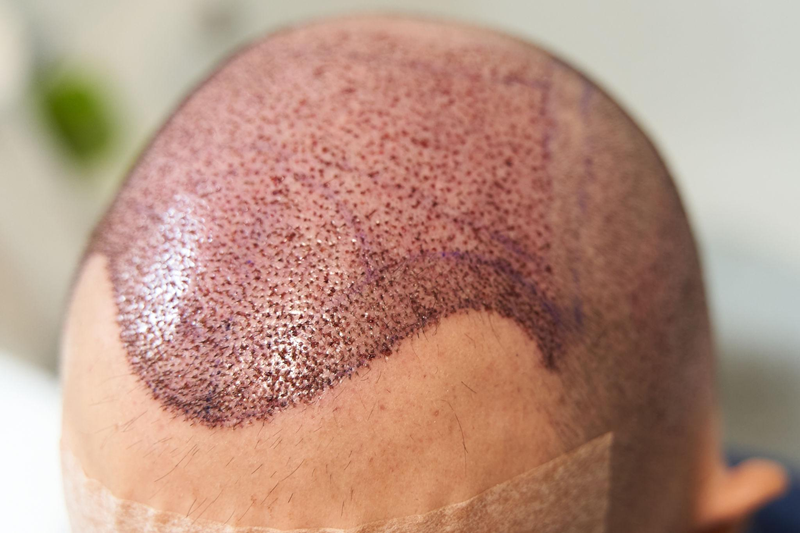
A high density hair transplant is a hair restoration procedure designed to achieve greater visual fullness by placing follicular unit grafts strategically within the recipient area. Each graft contains one or more hair follicles, and the surgeon determines their distribution according to the patient’s existing hair and restoration goals.
Unlike a treatment plan focused mainly on covering a large bald area, high-density transplantation prioritizes fuller coverage in selected regions. These may include the frontal hairline, temples, mid-scalp, or crown.
The objective is not simply to implant as many grafts as possible. Proper spacing, implantation angle, graft survival, and the characteristics of the transplanted hair all contribute to the final appearance.
لست متأكدًا من أين تبدأ؟
سيقيم متخصصونا بيولوجيا فروة رأسك، وسعة الطعوم، وأهدافك الجمالية لوضع بروتوكول استعادة شعر مصمم خصيصًا لك — بدءًا من استشارتك الأولى فصاعدًا.
How Does High Density Hair Transplant Work?
The procedure starts with an examination of the scalp and donor area. The specialist evaluates hair loss patterns, follicle availability, and the characteristics of existing hair before determining the appropriate number and distribution of grafts.
Follicular Unit Extraction (FUE) is one technique that may be used. It involves removing individual follicular units from the donor area, usually at the back and sides of the scalp, and transferring them to areas with reduced hair density.
The procedure generally involves three stages:
- Donor Hair Extraction: Healthy follicular units are collected from suitable donor regions.
- Recipient Area Preparation: Small sites are created according to the planned density, hair direction, and natural growth pattern.
- Graft Implantation: The extracted follicles are placed carefully to achieve balanced coverage and a natural appearance.
The surgeon must consider the condition of the scalp and the blood supply to the recipient area when planning graft placement. These factors help determine how much density can be achieved safely.
Who Is a Good Candidate for High Density Hair Transplant?
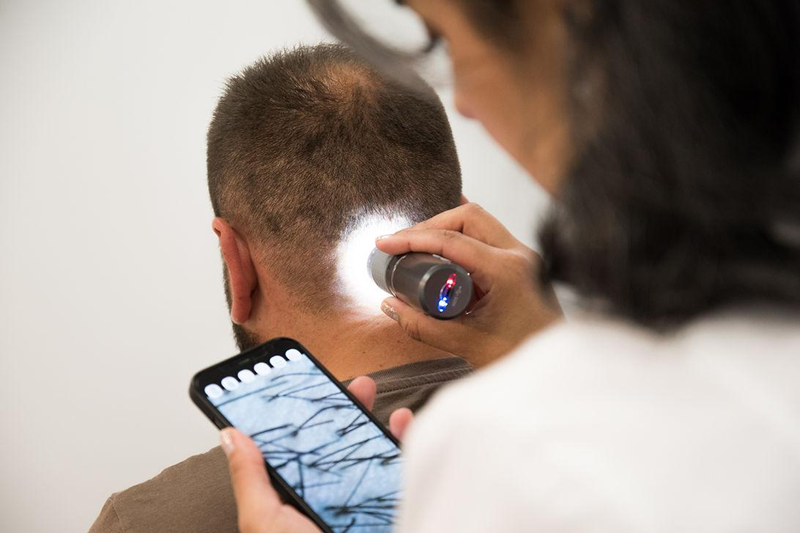
High-density transplantation is not suitable for everyone experiencing hair loss. The most important consideration is whether the patient has enough healthy donor hair to support the desired coverage without compromising the donor area.
Potential candidates include:
- Individuals with localized hair thinning or bald patches.
- People with sufficient donor hair density and quality.
- Patients with a suitable scalp condition for transplantation.
- Individuals with realistic expectations about achievable coverage.
- People whose hair loss pattern has been properly assessed.
Patients with advanced baldness or limited donor hair may require a different approach. Those experiencing ongoing or unexplained hair loss may also need medical evaluation before considering surgery.
A specialist should assess the scalp, identify the cause of hair loss, and determine whether transplantation is appropriate. The American Academy of Dermatology’s hair transplant guidance also emphasizes the importance of adequate donor hair and a thorough scalp examination when evaluating candidates.
What Factors Affect Hair Transplant Density?
The appearance of density after transplantation depends on several characteristics. A higher graft count does not automatically produce fuller-looking hair.
| Factor | Effect on Hair Density |
|---|---|
| Hair thickness | Thicker strands generally provide greater visual coverage. |
| Hair texture | Curly or wavy hair may create more volume than straight hair. |
| Donor hair quality | Healthy follicles provide suitable grafts for transplantation. |
| Scalp characteristics | Tissue condition and blood supply influence graft placement. |
| Hair and skin contrast | Lower contrast can make the scalp less noticeable between strands. |
| Hair loss progression | Continued thinning can change the appearance of surrounding areas. |
These factors help the surgeon estimate achievable density and design a treatment plan that suits the patient’s natural hair characteristics.
How Many Grafts Are Needed for High Density?
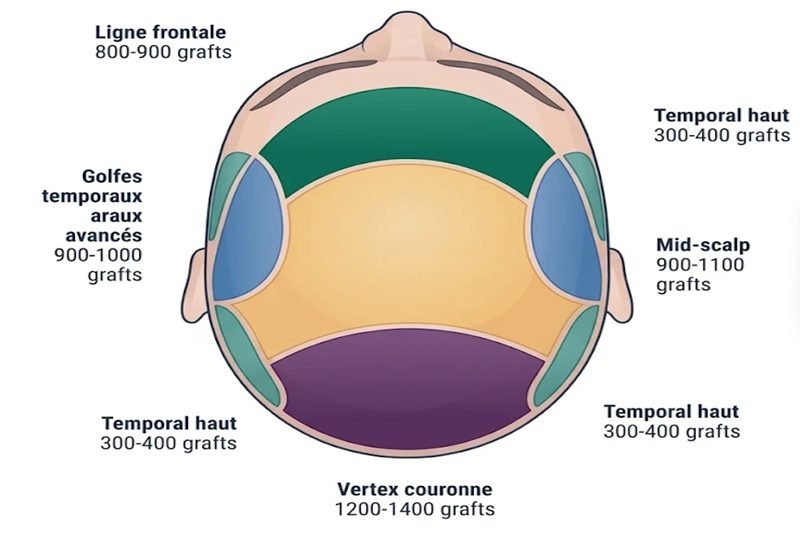
The number of grafts required depends on the size of the recipient area, existing hair coverage, and the desired level of fullness. A small area of frontal thinning may require fewer grafts than extensive hair loss affecting the mid-scalp and crown.
Hair transplant density is commonly measured in follicular units per square centimeter. However, there is no universal graft number that guarantees a high-density result.
The surgeon must consider:
- The surface area requiring treatment.
- Existing hair and its natural density.
- The number of healthy follicular units available.
- The distribution of one-, two-, and multiple-hair grafts.
- The scalp’s ability to support the planned implantation.
Donor hair is a limited resource. Removing too many follicles can leave visible thinning in the donor region and reduce options for future procedures. For this reason, a carefully distributed treatment plan is often more valuable than maximizing the number of grafts in one session.
What Are the Benefits of High Density Hair Transplant?
When performed on suitable candidates, high-density transplantation can improve the appearance of thinning areas and provide more balanced hair coverage.
Its potential benefits include:
- Fuller Hair Appearance: Strategic graft placement can reduce visible scalp in selected areas.
- Natural-Looking Hairline: Appropriate graft selection and implantation angles help create a softer, more realistic hairline.
- Targeted Coverage: Treatment can prioritize areas where additional density is most noticeable.
- Personalized Restoration: Graft distribution can be adjusted according to individual hair characteristics and donor availability.
The final outcome varies between patients, and achieving the highest possible density is not always the best surgical objective.
What Are the Risks and Limitations?
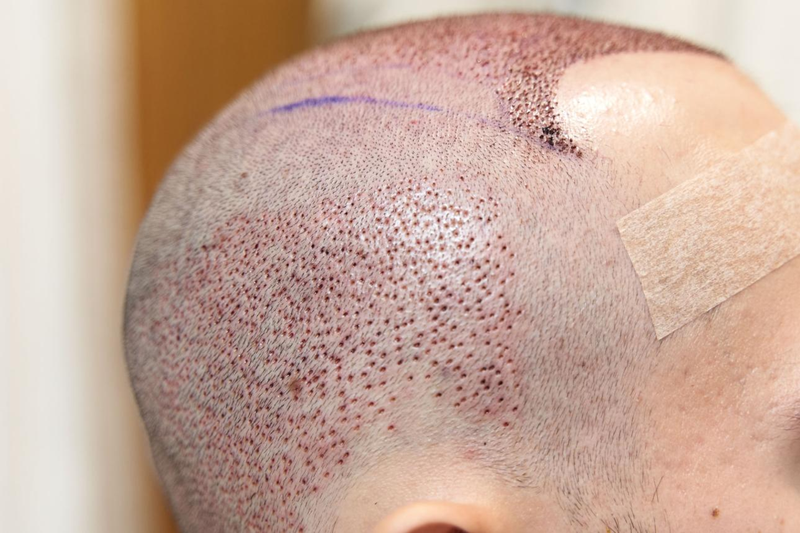
High-density hair transplantation involves the same general surgical risks as other hair restoration procedures. Patients should understand its limitations before choosing treatment.
Possible complications include:
- Temporary swelling, redness, and scalp sensitivity.
- Bleeding or infection.
- Temporary shedding of existing hair, known as shock loss.
- Uneven growth or lower-than-expected graft survival.
- Small scars in the donor or recipient areas.
Another important limitation is donor hair depletion. Excessive extraction can reduce the density of the donor area and make future procedures more difficult.
Placing too many grafts into a small recipient area may also compromise tissue circulation. Therefore, the surgeon must balance the desired density with the scalp’s ability to support healthy grafts.
What Is the Recovery Process Like?
Recovery after a high-density hair transplant generally follows the same stages as other hair transplantation procedures. Mild swelling, redness, tenderness, and small scabs may appear during the first few days. Patients should follow their surgeon’s instructions to protect the implanted grafts during early healing.
Transplanted hair usually sheds within the first few weeks, which is a normal part of the process. New growth typically becomes noticeable after three to four months, while final cosmetic results may take ١٢ months or longer. Regular follow-up appointments help monitor healing and hair growth.
Is High Density Hair Transplant Right for You?
A high-density procedure may be appropriate if you have sufficient healthy donor hair and want fuller coverage in specific areas of the scalp. However, the ideal treatment depends on your hair loss pattern, scalp characteristics, and long-term expectations.
A professional consultation helps determine the number of available grafts, suitable implantation techniques, and realistic results. If you are considering a زراعة الشعر, a personalized assessment can help identify the most appropriate approach for your restoration goals.
Conclusion
High Density Hair Transplant can improve hair coverage and create a fuller appearance when performed with careful planning. However, natural results depend on donor hair availability, appropriate graft distribution, and scalp health. A professional assessment is essential to determine whether this approach is suitable for your needs.
لست متأكدًا من أين تبدأ؟
سيقيم متخصصونا بيولوجيا فروة رأسك، وسعة الطعوم، وأهدافك الجمالية لوضع بروتوكول استعادة شعر مصمم خصيصًا لك — بدءًا من استشارتك الأولى فصاعدًا.
الأسئلة الشائعة
١. How Long Does It Take to See Results?
Initial hair growth usually appears after three to four months, while final results may take ١٢ months or longer.
٢. Can Everyone Get a High Density Hair Transplant?
No. Donor hair availability, scalp condition, and the extent of hair loss determine whether someone is a suitable candidate.
٣. Is High Density Hair Transplant Permanent?
Transplanted follicles are generally long-lasting, but natural hair surrounding them may continue to thin over time.
مقالات ذات صلة
واصل استكشاف الرؤى السريرية من المجلة الطبية لهليا.
 زراعة الحواجب
Warning: Undefined array key 0 in /home/u257547261/domains/helia.clinic/public_html/wp-content/themes/helia-clinic/single.php on line 456
٠ ٠ • ١٠ دقيقة قراءة
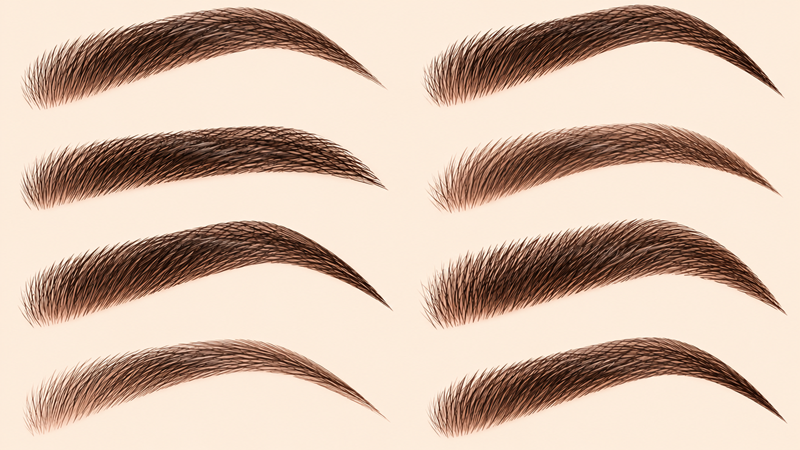
٨ Eyebrow Shapes That Can Transform Your Entire Look
Eyebrows play an important role in facial balance and overall appearance. Their thickness, arch, and direction can influence how the eyes and other facial features look. Choosing the right eyebrow shape can create a softer, more defined, or naturally lifted…
 زراعة الحواجب
Warning: Undefined array key 0 in /home/u257547261/domains/helia.clinic/public_html/wp-content/themes/helia-clinic/single.php on line 456
٠ ٠ • ٦ دقيقة قراءة
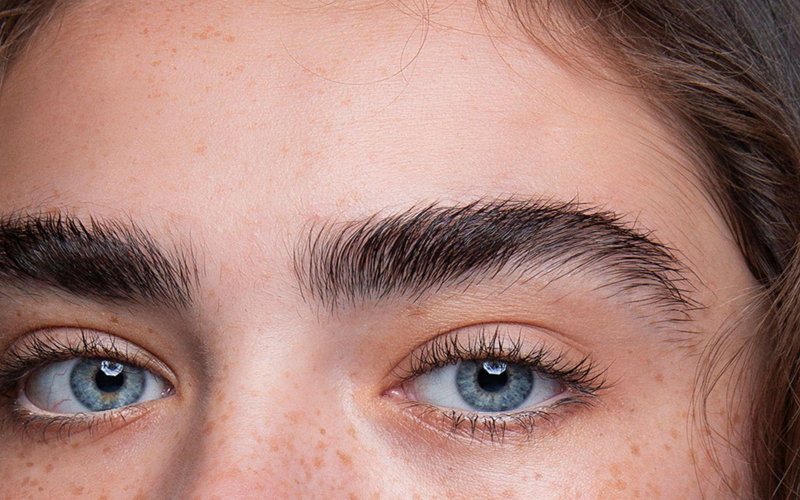
٥ Best Treatments for Bushy Brows: Get Fuller Eyebrows
Full, well-defined eyebrows can enhance facial features and create a more balanced appearance. However, genetics, over-plucking, ageing, and certain medical conditions can contribute to thin or uneven eyebrows. If you want big bushy eyebrows, several options can help you achieve…
 زراعة الحواجب
Warning: Undefined array key 0 in /home/u257547261/domains/helia.clinic/public_html/wp-content/themes/helia-clinic/single.php on line 456
٠ ٠ • ٧ دقيقة قراءة
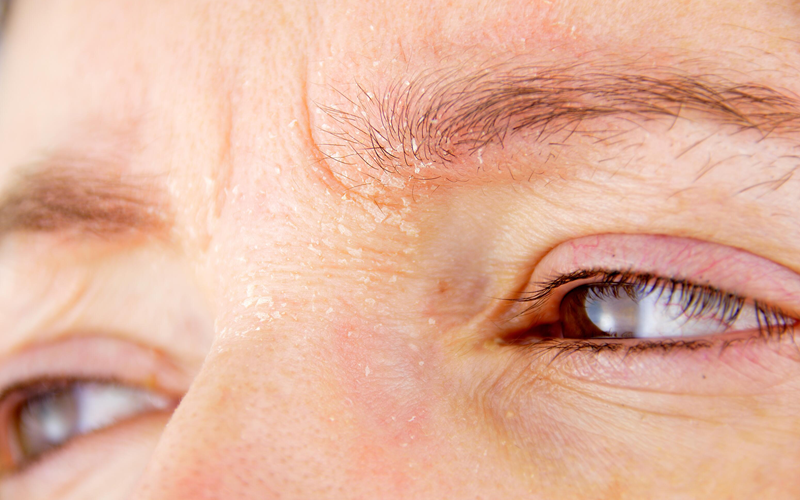
Seborrheic Dermatitis Eyebrows: ٧ Ways to Stop the Flakes
Flaky, itchy eyebrows can be a sign of seborrheic dermatitis, a common inflammatory skin condition that affects oily areas of the face. It can cause white or yellowish scales, redness, and irritation around the brows. Although the condition can be…
التعليقات
شارك أسئلتك أو تجربتك السريرية مع قرائنا.