
Seborrheic Dermatitis Eyebrows: ٧ Ways to Stop the Flakes



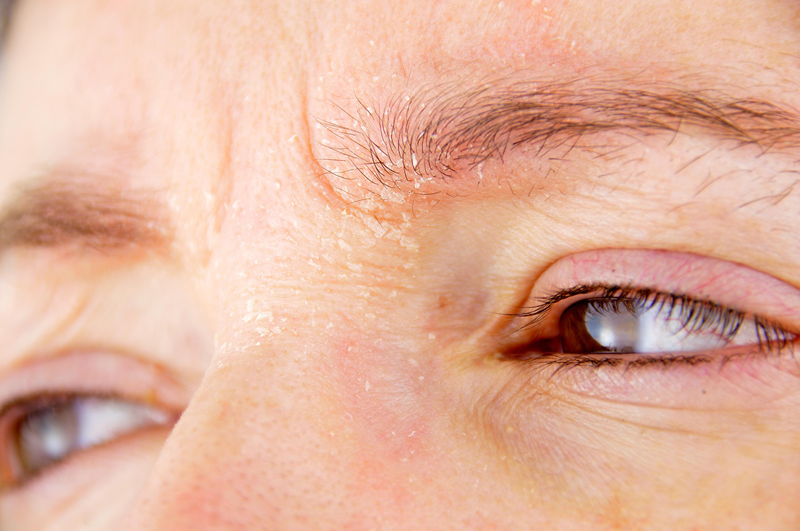
Flaky, itchy eyebrows can be a sign of seborrheic dermatitis, a common inflammatory skin condition that affects oily areas of the face. It can cause white or yellowish scales, redness, and irritation around the brows. Although the condition can be persistent, the right combination of medical treatments and gentle skincare can help control symptoms and reduce flare-ups. Here are seven ways to manage eyebrow dandruff and protect the surrounding skin.
What Is Seborrheic Dermatitis on Eyebrows?
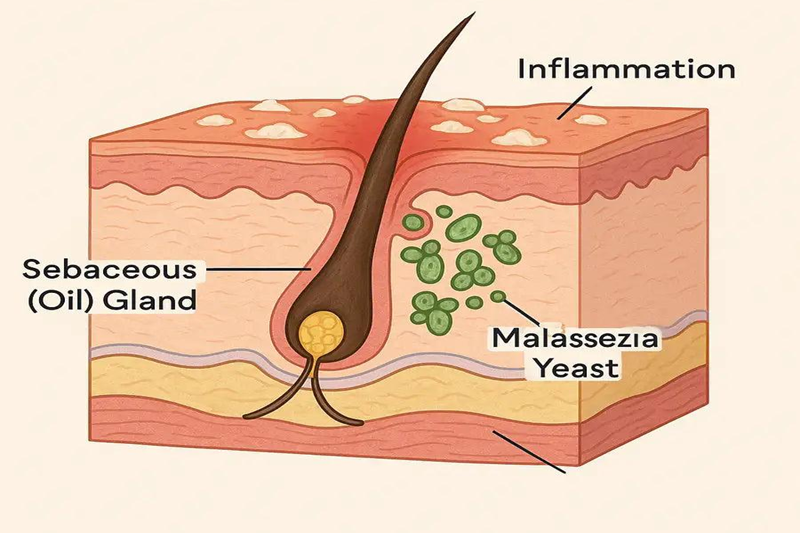
Seborrheic dermatitis is a chronic inflammatory skin condition that commonly affects areas with high concentrations of oil glands, including the scalp, eyebrows, sides of the nose, and ears.
One factor associated with the condition is Malassezia, a yeast that naturally lives on the skin. In susceptible individuals, the interaction between this yeast, skin oils (sebum), and the immune response can contribute to inflammation and excessive skin shedding.
Common symptoms of seborrheic dermatitis around the eyebrows include:
- White or yellowish flakes between eyebrow hairs.
- Redness or irritation beneath the eyebrows.
- Persistent itching or mild burning.
- Greasy scales that stick to the skin and eyebrow hairs.
- Flaking around the forehead, nose, or hairline.
Symptoms may become more noticeable during colder months or periods of increased stress. Seborrheic dermatitis is not contagious and is not caused by poor hygiene.
لست متأكدًا من أين تبدأ؟
سيقيم متخصصونا بيولوجيا فروة رأسك، وسعة الطعوم، وأهدافك الجمالية لوضع بروتوكول استعادة شعر مصمم خصيصًا لك — بدءًا من استشارتك الأولى فصاعدًا.
What Causes Seborrheic Dermatitis in Eyebrows?
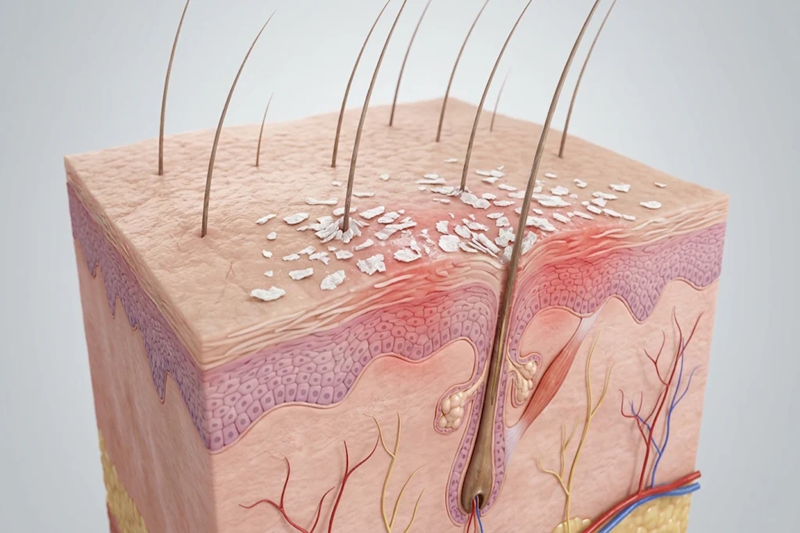
Several biological and environmental factors can contribute to eyebrow seborrheic dermatitis. Understanding these triggers can help people manage recurring symptoms.
- Malassezia yeast: An altered skin response to this naturally occurring yeast contributes to inflammation and scaling.
- Excess sebum: Increased oil production creates conditions associated with seborrheic dermatitis.
- Genetic susceptibility: Some individuals are more prone to developing this inflammatory skin condition.
- Cold and dry weather: Environmental changes can aggravate existing symptoms.
- Stress: Emotional stress can trigger or worsen flare-ups in susceptible individuals.
- Irritating skincare products: Fragrances, harsh cleansers, and certain cosmetics can aggravate sensitive skin.
Best Treatment for Seborrheic Dermatitis on Eyebrows
The best treatment for seborrheic dermatitis on eyebrows depends on symptom severity and individual skin sensitivity.
١. Antifungal Creams
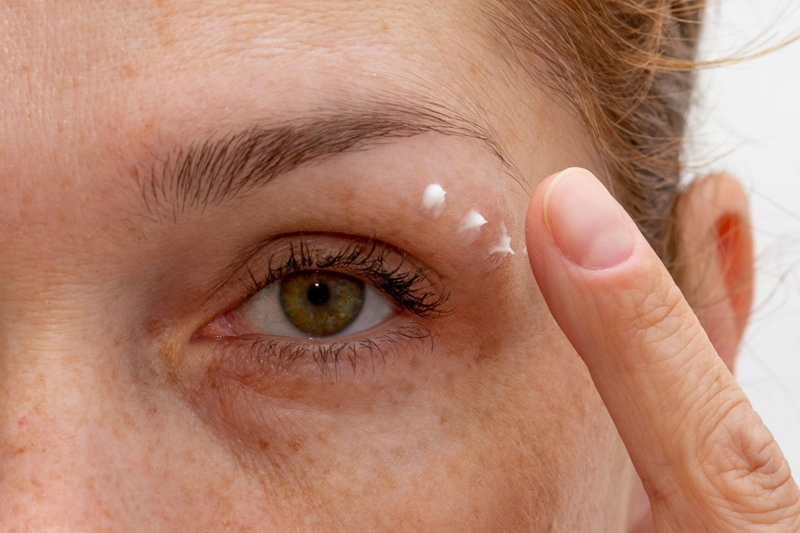
Topical antifungal treatments are commonly used to manage facial seborrheic dermatitis. Ketoconazole, for example, helps reduce the activity of Malassezia yeast associated with the condition.
A topical ketoconazole cream or another antifungal, such as ciclopirox, may be recommended depending on the affected area and severity.
٢. Short-Term Corticosteroid Treatments
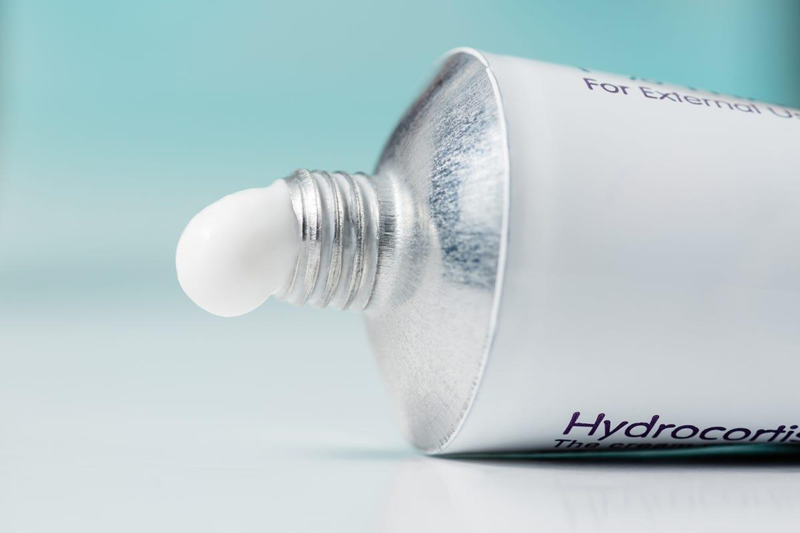
When eyebrow seborrheic dermatitis causes significant redness, itching, or inflammation, a mild topical corticosteroid may help calm the affected skin.
Low-potency options, such as hydrocortisone, can reduce inflammation during flare-ups. However, eyebrow skin is delicate and particularly sensitive to the side effects of prolonged corticosteroid use.
Extended use can cause skin thinning, visible blood vessels, and other unwanted changes. Therefore, these treatments should only be used for short periods according to appropriate medical instructions.
٣. Non-Steroidal Anti-Inflammatory Treatments
For persistent or recurring symptoms, non-steroidal treatments may provide another option.
Topical calcineurin inhibitors, including pimecrolimus and tacrolimus, help control inflammation without the skin-thinning effects associated with prolonged corticosteroid use. They may be considered when symptoms repeatedly return or other treatments are insufficient.
For more information about managing this condition, explore the American Academy of Dermatology’s guide to seborrheic dermatitis treatment.
Dandruff in Eyebrows Home Remedies
Home care cannot eliminate the underlying condition, but certain habits can reduce irritation, remove loose flakes, and support the skin barrier.
٤. Gentle Cleansing and Flake Removal
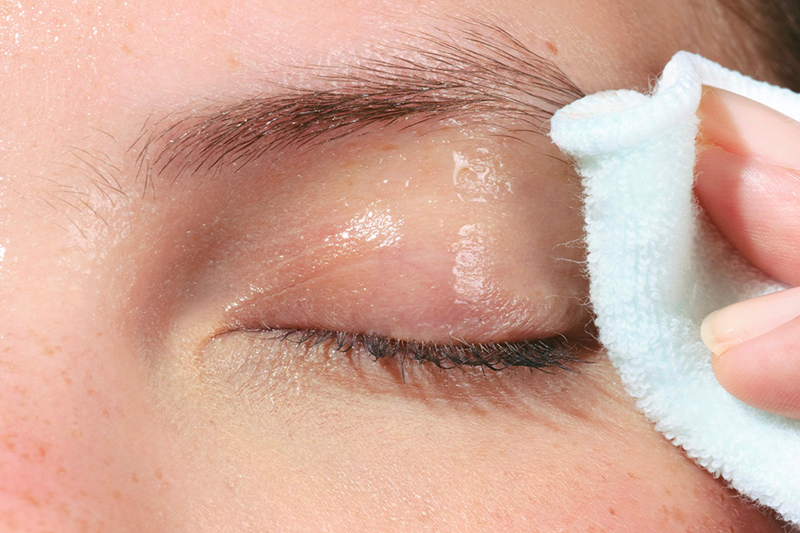
Regularly washing the eyebrow area helps remove excess oil, loose skin cells, and cosmetic residue.
Use a mild, fragrance-free facial cleanser and lukewarm water. Gently clean the area with your fingertips rather than using exfoliating brushes or rough washcloths.
Avoid scratching, picking, or scraping attached flakes. These actions can damage the skin and irritate the hair follicles.
٥. Using a Fragrance-Free Moisturizer
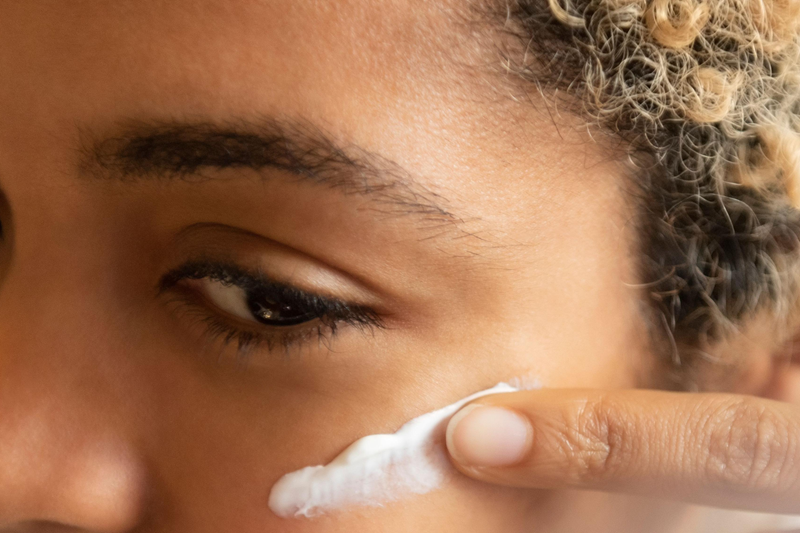
Seborrheic dermatitis can affect oily skin while also causing dryness and irritation.
A lightweight, fragrance-free moisturizer can help maintain the skin barrier and reduce tightness after cleansing. Choose a product formulated for sensitive facial skin and discontinue it if it worsens irritation.
٦. Avoiding Irritating Skincare and Makeup Products
Certain cosmetic ingredients can aggravate already inflamed skin. During a flare-up, simplifying your skincare routine may help reduce unnecessary irritation.
Consider avoiding:
- Fragranced eyebrow gels and styling products.
- Harsh facial scrubs.
- Alcohol-based toners.
- Strong exfoliating acids around the eyebrows.
- Makeup products that cause burning or redness.
٧. Managing Scalp Dandruff and Other Triggers
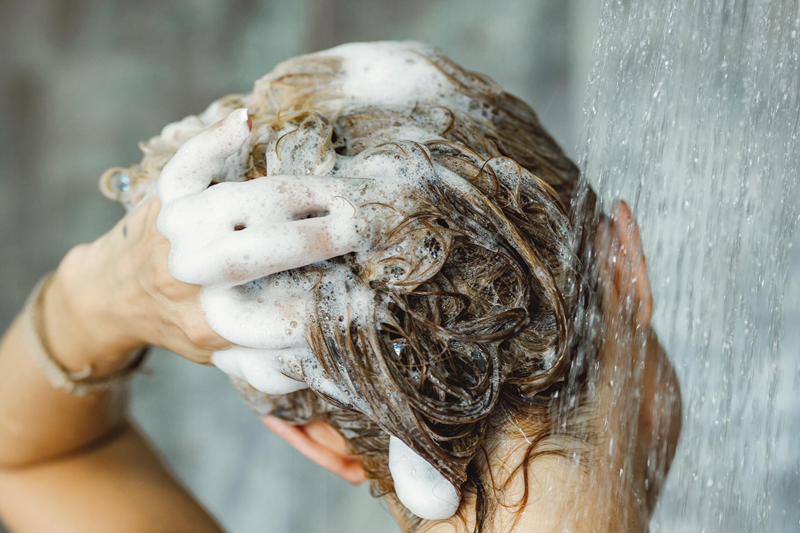
Scalp dandruff and eyebrow seborrheic dermatitis frequently occur together. Managing scalp symptoms can therefore be an important part of controlling eyebrow flaking.
Medicated anti-dandruff shampoos containing ingredients such as ketoconazole or ciclopirox can help manage scalp symptoms when used according to product instructions. Avoid getting these products into your eyes or applying them directly to your eyebrows unless specifically recommended.
Other helpful habits include:
- Maintaining a consistent sleep schedule.
- Managing everyday stress.
- Protecting facial skin from cold, dry weather.
- Identifying cosmetic or environmental triggers.
- Following a consistent skincare routine.
These measures support symptom management but do not replace appropriate medical treatment.
Can Seborrheic Dermatitis Cause Eyebrow Hair Loss?
Yes. Persistent inflammation, frequent scratching, and irritation around the eyebrows can contribute to temporary eyebrow hair shedding. However, seborrheic dermatitis does not usually cause permanent hair loss by itself.
If eyebrow follicles remain healthy, hair growth may gradually return once inflammation is controlled. Persistent thinning or patchy hair loss may indicate another condition, such as alopecia areata, thyroid-related problems, or another inflammatory skin disorder.
For individuals with permanent eyebrow hair loss, eyebrow transplant in Dubai may be an option after the underlying cause has been assessed and the skin condition is properly controlled.
Eyebrow transplantation does not treat seborrheic dermatitis. The procedure is intended to restore eyebrow density when natural hair growth is insufficient and the individual is a suitable candidate.
When Should You Seek Medical Advice?
Occasional eyebrow flakes may improve with gentle skincare, but persistent or worsening symptoms require further attention.
Consider seeking professional evaluation if you experience:
- Severe or persistent itching.
- Significant redness or swelling.
- Thick scales that repeatedly return.
- Crusting, bleeding, or signs of infection.
- Noticeable eyebrow thinning or hair loss.
- Symptoms that do not improve with appropriate skincare.
Other conditions, including psoriasis, atopic dermatitis, and allergic contact dermatitis, can resemble seborrheic dermatitis. An accurate diagnosis helps identify the underlying problem and determine the most appropriate treatment.
لست متأكدًا من أين تبدأ؟
سيقيم متخصصونا بيولوجيا فروة رأسك، وسعة الطعوم، وأهدافك الجمالية لوضع بروتوكول استعادة شعر مصمم خصيصًا لك — بدءًا من استشارتك الأولى فصاعدًا.
الأسئلة الشائعة
١. What is the fastest way to get rid of seborrheic dermatitis on eyebrows?
Topical antifungal treatments, such as ketoconazole, are commonly used to control facial seborrheic dermatitis. Gentle cleansing and avoiding irritating skincare products can also help reduce discomfort. Treatment response varies depending on the severity of the condition.
٢. Is eyebrow dandruff a sign of poor hygiene?
No. Eyebrow dandruff is not caused by poor hygiene. It is associated with skin inflammation, sebum production, and the activity of naturally occurring Malassezia yeast.
٣. Can I use dandruff shampoo on my eyebrows?
Some medicated shampoos can help manage seborrheic dermatitis, but they may irritate sensitive facial skin and eyes. Use them around the eyebrows only when specifically recommended and follow the product instructions.
٤. Does seborrheic dermatitis cause permanent eyebrow hair loss?
Usually, no. Inflammation and repeated scratching can contribute to temporary hair shedding. Persistent or permanent thinning may indicate another underlying condition.
٥. Can coconut oil treat eyebrow seborrheic dermatitis?
There is insufficient clinical evidence that coconut oil effectively treats eyebrow seborrheic dermatitis. Heavy oils may also aggravate symptoms in some individuals. Antifungal treatments have better-established medical evidence.
٦. Is eyebrow seborrheic dermatitis contagious?
No. Seborrheic dermatitis is not contagious and cannot spread through physical contact, shared towels, or cosmetic products.
٧. Does eyebrow seborrheic dermatitis go away permanently?
Seborrheic dermatitis is generally a chronic condition that can improve significantly with treatment but may return periodically. Consistent skincare and appropriate maintenance treatments help keep symptoms under control.
Conclusion
Seborrheic dermatitis around the eyebrows can cause persistent flakes, itching, redness, and sometimes temporary hair shedding. Although it may not disappear permanently, antifungal treatments, appropriate anti-inflammatory medication, and gentle skincare can help control symptoms.
Avoiding irritating products and managing scalp dandruff are also important for reducing flare-ups. When symptoms persist or eyebrow hair loss develops, identifying the underlying cause is essential for choosing the right treatment.
مقالات ذات صلة
واصل استكشاف الرؤى السريرية من المجلة الطبية لهليا.
 زراعة الحواجب
Warning: Undefined array key 0 in /home/u257547261/domains/helia.clinic/public_html/wp-content/themes/helia-clinic/single.php on line 456
٠ ٠ • ٩ دقيقة قراءة
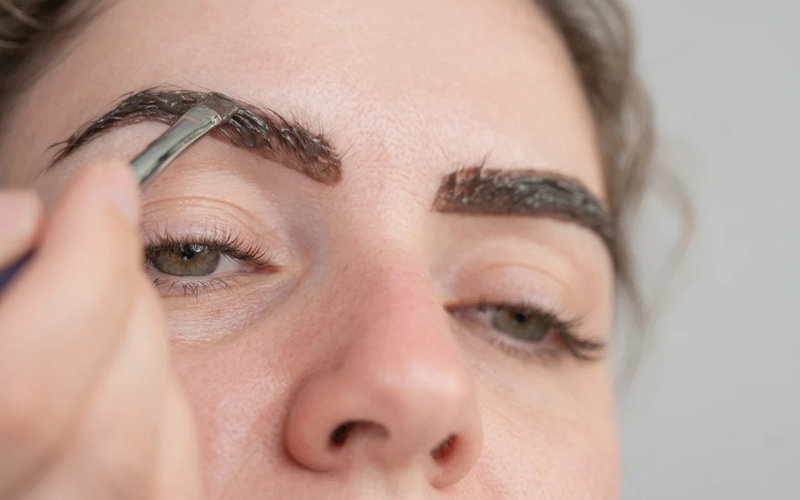
How to Dye Your Eyebrows at Home: Easy Steps With Photos
Want darker, more defined eyebrows without visiting a salon? Learning How to Dye Your Eyebrows at Home can help you achieve a fuller-looking appearance using simple eyebrow makeup products. However, not every coloring method is safe for the delicate skin…
 زراعة الحواجب
Warning: Undefined array key 0 in /home/u257547261/domains/helia.clinic/public_html/wp-content/themes/helia-clinic/single.php on line 456
٠ ٠ • ٨ دقيقة قراءة
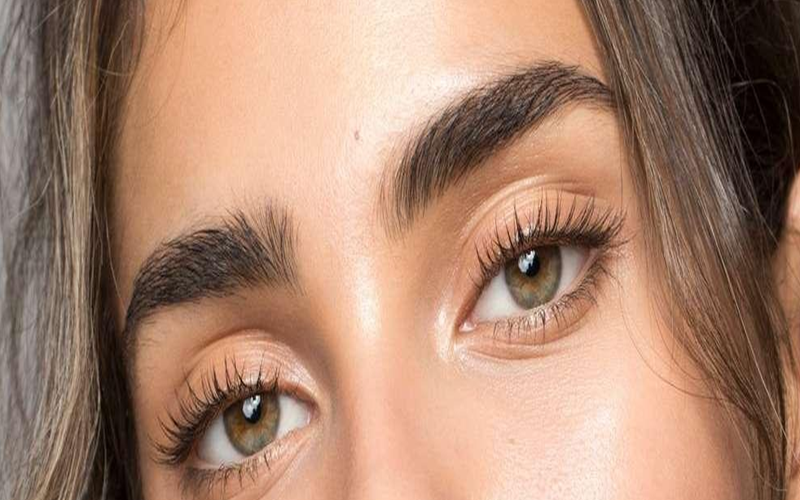
٧ Best Eyebrow Growth Oils: Reviews & Benefits
Full, well-defined eyebrows can enhance facial balance and appearance. However, dryness, hair breakage, overplucking, and other factors can make eyebrow hairs look thinner. Using an Eyebrow Growth Oil is a popular way to condition existing hairs and improve their appearance.…
 زراعة الحواجب
Warning: Undefined array key 0 in /home/u257547261/domains/helia.clinic/public_html/wp-content/themes/helia-clinic/single.php on line 456
٠ ٠ • ٧ دقيقة قراءة
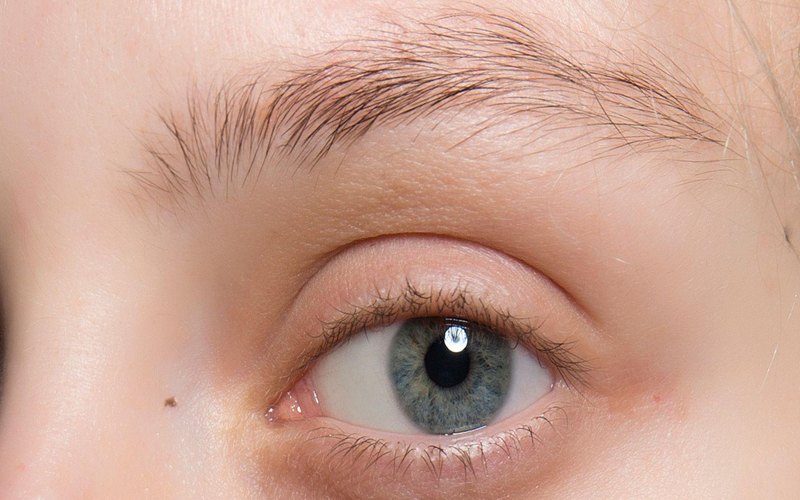
Eyebrows Getting Thinner? ٧ Causes & How to Regrow Them
Noticing your eyebrows getting thinner can be frustrating, especially when the change happens gradually or creates uneven patches. While some eyebrow shedding is part of the natural aging process, noticeable hair loss can also indicate hormonal changes, nutritional deficiencies, skin…
التعليقات
شارك أسئلتك أو تجربتك السريرية مع قرائنا.