
Hair Transplant Infection: Signs, Causes & What to Do
بعد زراعة الشعر قد يواجه بعض الأشخاص مضاعفات مثل النخر والعدوى. هل هذه المشكلات شائعة؟ من الأكثر عرضة لها، وفي أي ظروف تظهر؟ هل يمكن الوقاية منها وما العلاجات المتاحة؟ أجبنا عن كل هذه الأسئلة في هذا المقال، لنمنحك المعرفة اللازمة لضمان تعافٍ سلس وناجح.



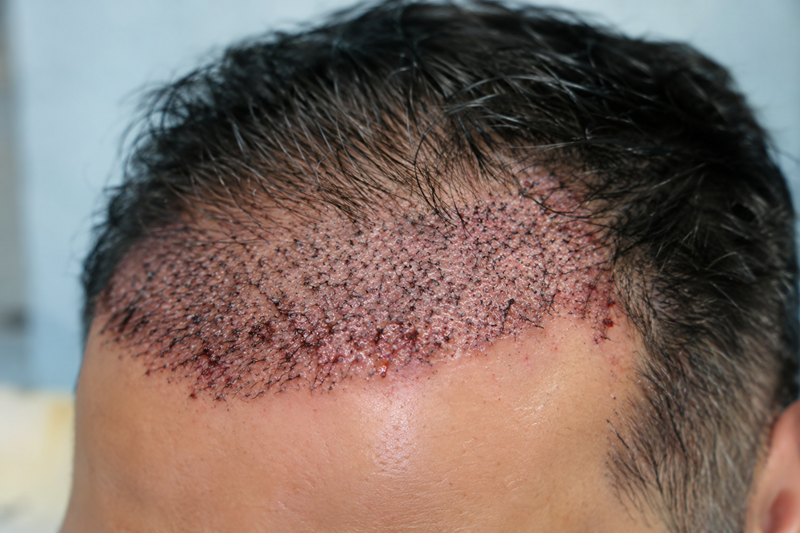
A hair transplant infection is an uncommon complication that can develop after hair restoration surgery. While mild redness, swelling, tenderness, and scabbing are normal during recovery, symptoms that worsen instead of gradually improving may indicate an infection.
Recognizing the warning signs early helps patients seek appropriate treatment and reduce the risk of complications affecting scalp tissue and transplanted follicles. Understanding the causes, treatment options, and preventive measures is an important part of postoperative care.
What Is a Hair Transplant Infection?
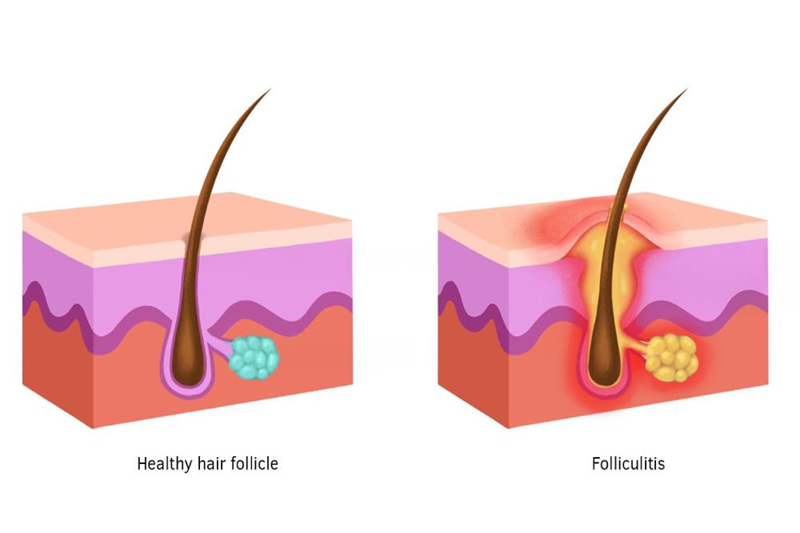
A hair transplant infection occurs when microorganisms enter the small wounds created during follicular extraction or implantation. These wounds affect both the donor area, where follicles are harvested, and the recipient area, where they are implanted.
Although infection is a recognized surgical risk, serious cases are uncommon. A localized infection may affect individual follicles, while a more extensive infection can involve surrounding skin.
Not every red patch or pimple indicates infection. Folliculitis and normal postoperative inflammation can produce similar symptoms, making clinical assessment important when changes persist or worsen.
لست متأكدًا من أين تبدأ؟
سيقيم متخصصونا بيولوجيا فروة رأسك، وسعة الطعوم، وأهدافك الجمالية لوضع بروتوكول استعادة شعر مصمم خصيصًا لك — بدءًا من استشارتك الأولى فصاعدًا.
What Are the Signs of a Hair Transplant Infection?
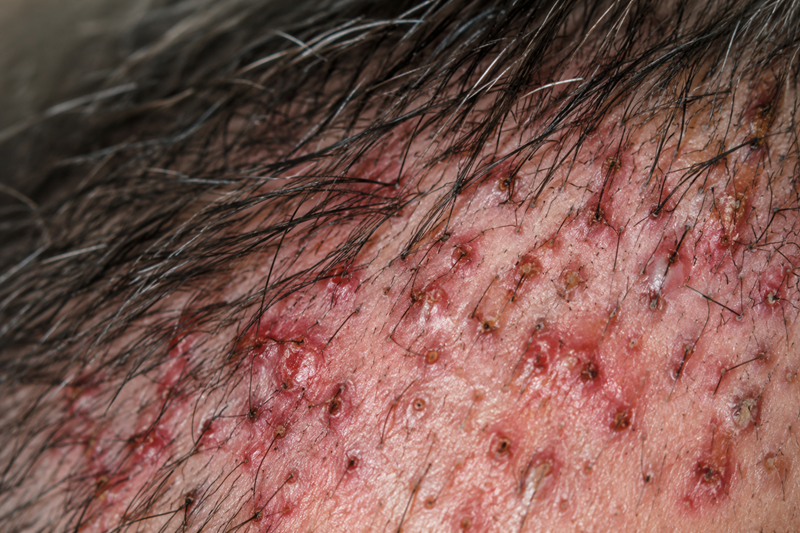
The main warning signs involve changes in the scalp’s appearance, pain, and healing progress.
- Spreading redness: Redness that becomes more intense or extends into surrounding skin.
- Increasing pain or swelling: Discomfort that worsens after initially improving.
- Pus or unusual discharge: Yellow or green pus, cloudy fluid, or discharge with an unpleasant smell.
- Pus-filled bumps: Multiple inflamed or tender pustules around transplanted follicles.
- Fever or chills: General symptoms that occur alongside worsening scalp changes.
These signs do not independently confirm an infection. However, worsening symptoms should prompt medical assessment rather than waiting for several warning signs to develop.
What Causes a Hair Transplant Infection?
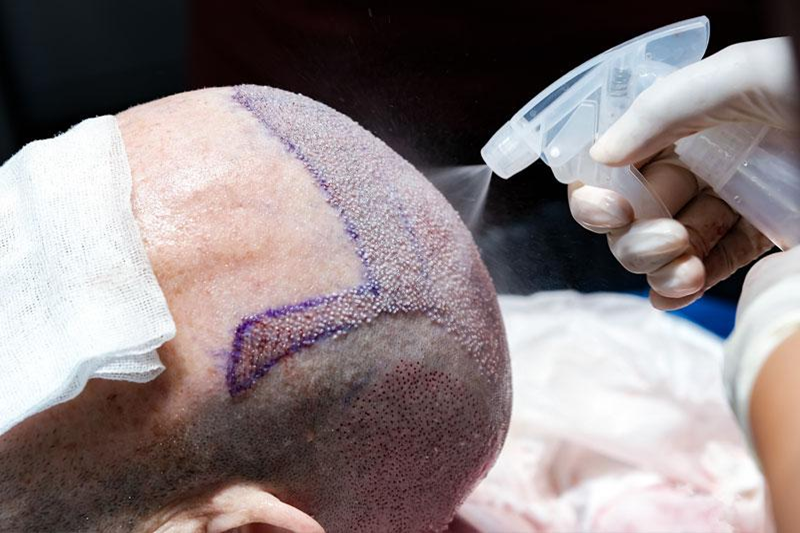
Several factors can contribute to infection following hair restoration surgery.
Inadequate Wound Care
Poor hand hygiene and improper scalp care can introduce microorganisms into healing wounds. Scratching, rubbing, or removing scabs prematurely can also damage the skin and interfere with recovery.
Following the surgeon’s washing instructions helps protect the treated area without causing unnecessary irritation.
Contamination During Surgery
Hair transplantation creates numerous small openings in the scalp. If appropriate sterile techniques and infection-control measures are not maintained, microorganisms can enter these wounds.
Choosing a qualified medical provider who follows appropriate surgical standards is an important preventive measure.
Underlying Health Conditions
Poorly controlled diabetes and a weakened immune system can increase the risk of infection or delayed wound healing. Patients should disclose relevant medical conditions and medications before surgery so their healthcare provider can assess individual risks.
Folliculitis and Scalp Irritation
Folliculitis is inflammation of the hair follicles that can cause small red bumps or pustules. It may be infectious or noninfectious, so its appearance alone does not establish a bacterial infection. Persistent or worsening bumps should be evaluated by a medical professional.
Source: American Academy of Dermatology (AAD) – Folliculitis
Is Redness After a Hair Transplant Normal?
Mild redness, tenderness, swelling, and crusting are common during early recovery. The key distinction is whether these symptoms gradually improve or become more pronounced.
| Finding | Normal recovery | Possible infection |
|---|---|---|
| Redness | Mild and gradually improving | Spreading or worsening |
| Pain | Mild discomfort that decreases | ألم متزايد أو شديد |
| Scalp surface | Small, temporary scabs | Pus or unusual discharge |
| Swelling | Mild and temporary | Increasing or associated with marked tenderness |
| General symptoms | No fever or chills | Fever, chills, or feeling unwell |
This comparison is a guide, not a diagnostic test. Contact your surgeon if symptoms worsen or seem unusual, even if you are uncertain whether an infection is present.
What to Do If You Suspect a Hair Transplant Infection
Prompt assessment helps identify the cause and determine whether treatment is necessary.
Contact Your Surgeon
Contact the clinic or surgeon who performed the procedure if you notice spreading redness, pus, increasing pain, or unusual swelling. A clinician can examine the scalp and decide whether further investigation or treatment is required.
Seek urgent medical attention if you develop fever alongside worsening scalp symptoms, rapidly spreading redness, severe pain, or significant illness.
Protect the Healing Scalp
Avoid squeezing pustules, picking scabs, or aggressively rubbing the treated area. These actions can damage healing tissue and potentially disturb transplanted grafts.
Continue gentle scalp care according to your prescribed aftercare instructions. If you are unsure how to clean an affected area, ask your surgeon rather than experimenting with unapproved products.
Avoid Self-Prescribing Antibiotics
Antibiotics may be needed for a confirmed bacterial infection, but treatment depends on the cause and severity. A clinician may recommend topical or oral medication and, when indicated, collect a sample for laboratory testing.
Do not use leftover antibiotics or someone else’s medication. Inappropriate treatment may delay effective care and contribute to antibiotic resistance.
How Is a Hair Transplant Infection Treated?
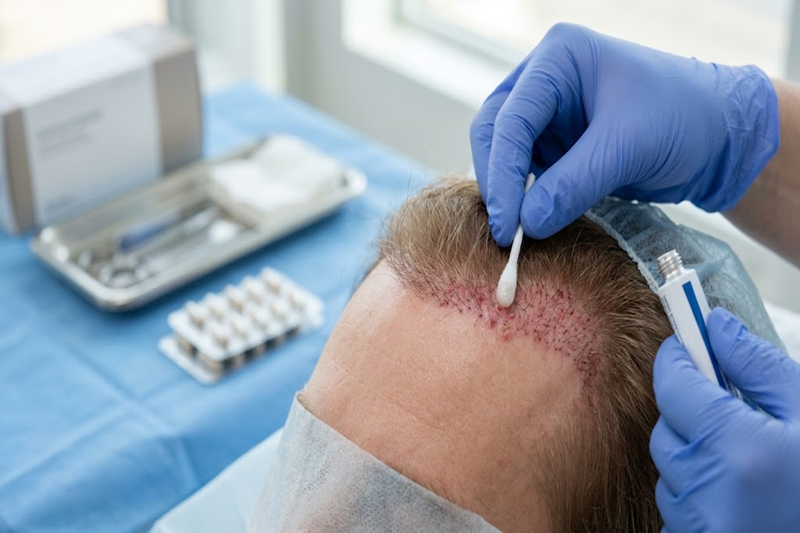
Treatment depends on the location, extent, and cause of the infection. A healthcare professional should distinguish bacterial infection from folliculitis and other inflammatory conditions before selecting treatment.
Topical or Oral Antibiotics
A clinician may prescribe topical antibiotics for selected superficial bacterial infections. Oral antibiotics may be required when infection affects a wider area or involves surrounding tissue.
The choice of medication and treatment duration should be determined by a qualified healthcare professional. Antibiotics are not appropriate for every inflamed follicle or scalp bump.
Additional Medical Treatment
A deeper infection or abscess may require further investigation or a procedure to drain accumulated pus. More serious cases may need additional treatment to limit tissue damage.
Early assessment helps ensure that treatment matches the condition and reduces the risk of complications.
an a Hair Transplant Infection Damage the Grafts?
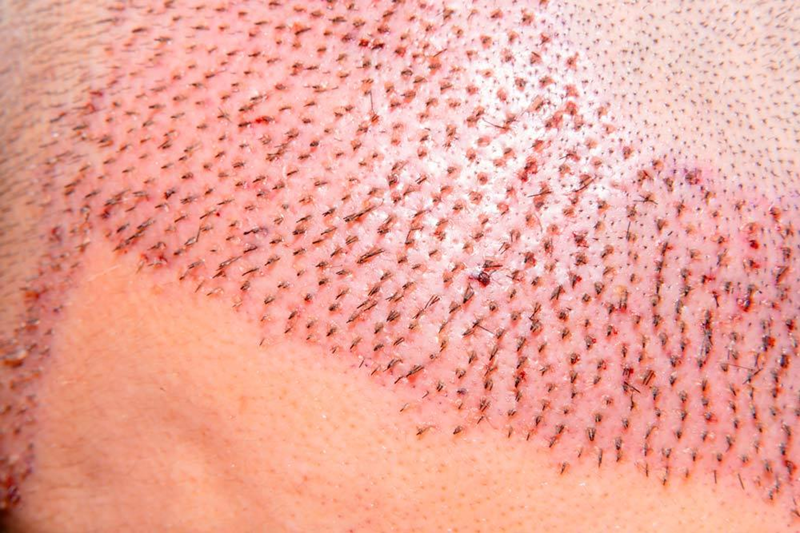
A hair transplant infection does not automatically mean that the procedure has failed. The potential effect on transplanted follicles depends on the severity of the infection and the extent of tissue involvement.
Severe or untreated infection can damage surrounding tissue and potentially compromise graft survival. However, mild localized inflammation does not necessarily cause permanent hair loss.
Temporary shedding of transplanted hairs is also a normal part of recovery. Patients should seek medical assessment rather than assuming that shedding, redness, or individual bumps indicate graft failure.
How to Prevent a Hair Transplant Infection
Appropriate surgical practices and postoperative care can reduce the likelihood of infection, although no precaution eliminates every risk.
- Choose a qualified medical provider who follows appropriate infection-control standards.
- Wash the scalp gently according to the prescribed schedule.
- Clean your hands before performing instructed aftercare.
- Avoid scratching the scalp or removing scabs prematurely.
- Use only medications and topical products approved by your healthcare provider.
- Attend recommended follow-up appointments and report unusual symptoms promptly.
Preventive antibiotics are not necessary for every patient. Their use should be based on clinical judgment and individual risk factors.
For information about the procedure and available treatment options, explore hair transplant in Dubai at Helia Clinic.
Conclusion
A hair transplant infection can usually be managed more effectively when identified and treated promptly. Understanding the difference between normal healing and warning signs, such as spreading redness, increasing pain, and pus, helps patients know when to seek medical attention. Following postoperative care instructions and contacting a qualified medical professional when symptoms worsen can reduce the risk of complications and help protect the transplanted follicles.
لست متأكدًا من أين تبدأ؟
سيقيم متخصصونا بيولوجيا فروة رأسك، وسعة الطعوم، وأهدافك الجمالية لوضع بروتوكول استعادة شعر مصمم خصيصًا لك — بدءًا من استشارتك الأولى فصاعدًا.
الأسئلة الشائعة
How Soon Can a Hair Transplant Infection Develop?
An infection can develop during the early postoperative period, although timing varies. Worsening symptoms, rather than timing alone, are an important reason to seek medical advice.
Are Pimples After a Hair Transplant Always a Sign of Infection?
No. Small bumps can result from folliculitis, ingrown hairs, or inflammation. Pus, increasing pain, spreading redness, or worsening swelling warrant medical assessment.
Can a Hair Transplant Infection Cause Permanent Hair Loss?
Severe infection can damage scalp tissue and potentially affect transplanted follicles, but infection does not always result in graft loss. Prompt assessment and appropriate treatment can help reduce the risk of complications.
Can I Treat a Hair Transplant Infection at Home?
Suspected infection should be assessed by a healthcare professional. Follow your prescribed aftercare routine while seeking advice, and avoid squeezing bumps or using antibiotics without medical guidance.
Should I Take Antibiotics to Prevent Infection?
Not every patient needs preventive antibiotics. The decision depends on individual risk factors and the surgeon’s clinical judgment. Antibiotics should be used only as directed by a qualified medical professional.
مقالات ذات صلة
واصل استكشاف الرؤى السريرية من المجلة الطبية لهليا.
 استعادة وزراعة الشعر
Warning: Undefined array key 0 in /home/u257547261/domains/helia.clinic/public_html/wp-content/themes/helia-clinic/single.php on line 456
٠ ٠ • ٦ دقيقة قراءة
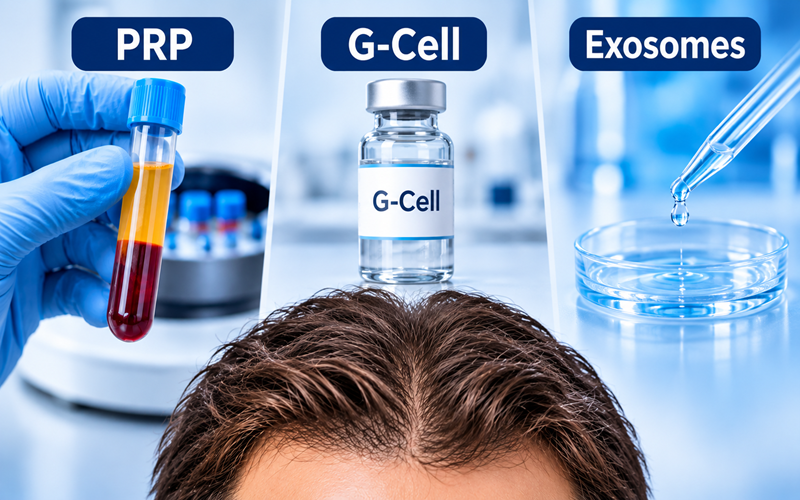
PRP vs G-Cell vs Exosomes: Which One Really Works?
Hair loss treatments have evolved beyond traditional approaches, with regenerative procedures offering new ways to support existing hair follicles. PRP, G-Cell, and exosome therapy are three options that target hair thinning through different biological processes. But which one delivers better…
 استعادة وزراعة الشعر
Warning: Undefined array key 0 in /home/u257547261/domains/helia.clinic/public_html/wp-content/themes/helia-clinic/single.php on line 456
٠ ٠ • ٨ دقيقة قراءة
Donor Hair From Another Person: Is It Possible?
People experiencing advanced hair loss may wonder whether a family member, partner, or friend can donate hair follicles for transplantation. This question is particularly relevant when the patient's own donor area cannot provide enough grafts to achieve the desired coverage.…
 استعادة وزراعة الشعر
Warning: Undefined array key 0 in /home/u257547261/domains/helia.clinic/public_html/wp-content/themes/helia-clinic/single.php on line 456
٠ ٠ • ٧ دقيقة قراءة
هل تدوم زراعة الشعر للأبد؟ أي تقنية تدوم أطول؟
Hair transplants are a popular long-term solution for people experiencing hair loss. However, one common question is whether transplanted hair lasts forever and which technique offers the most durable results. In many cases, transplanted hair can continue growing for decades…
التعليقات
شارك أسئلتك أو تجربتك السريرية مع قرائنا.